
Editor’s Note: Historic Churches of Western North Carolina is an ongoing 828newsNOW series exploring the sacred spaces that helped shape mountain communities. Many of these churches began as small mission chapels or neighborhood gathering places. Their histories reveal how faith, culture and daily life intertwined across Western North Carolina. By documenting these buildings and the congregations connected to them, we hope to preserve part of the region’s church history and honor the people whose stories continue to shape the mountains today.
WAYNESVILLE, N.C. (828newsNOW.com) — On the edge of Waynesville’s historic Pigeon Street community, a small white church quietly holds one of the longest surviving stories of Black faith in Western North Carolina.
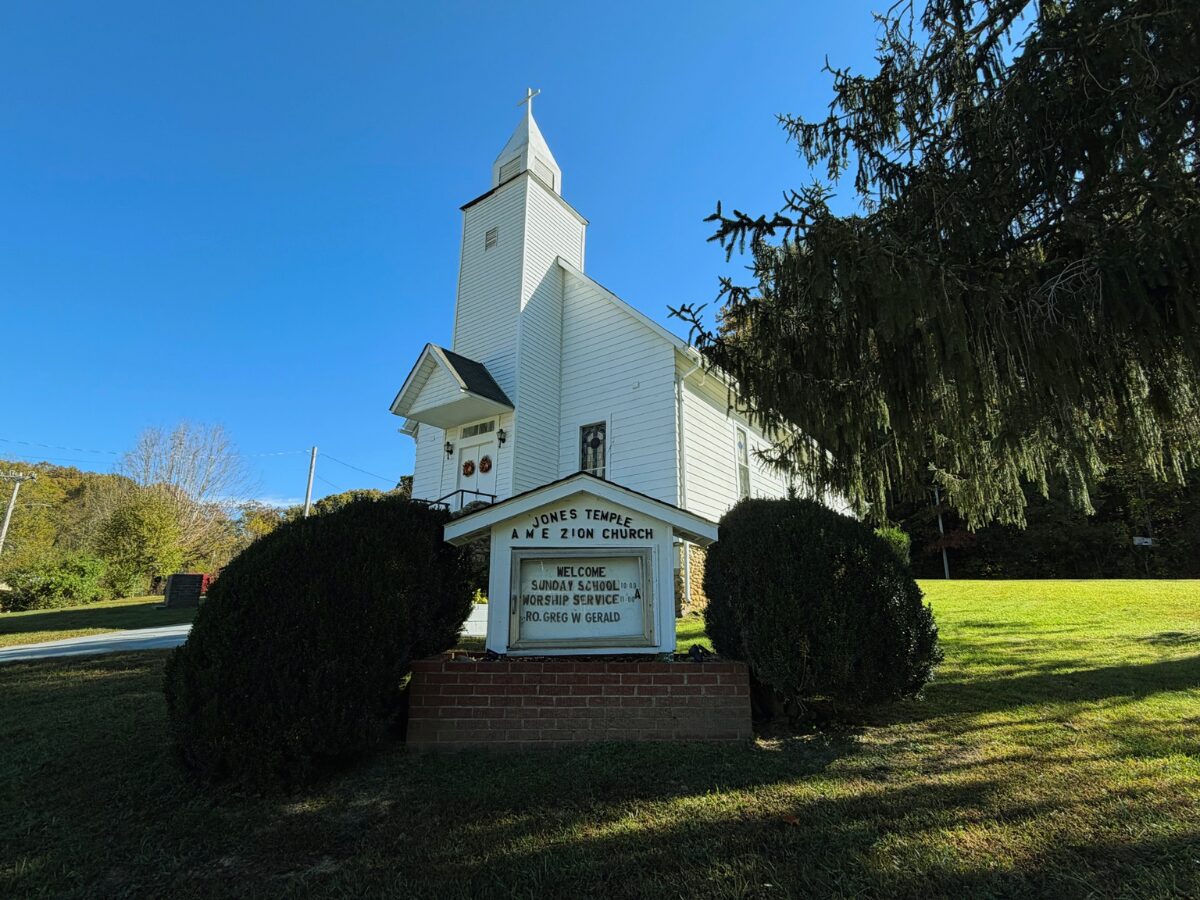
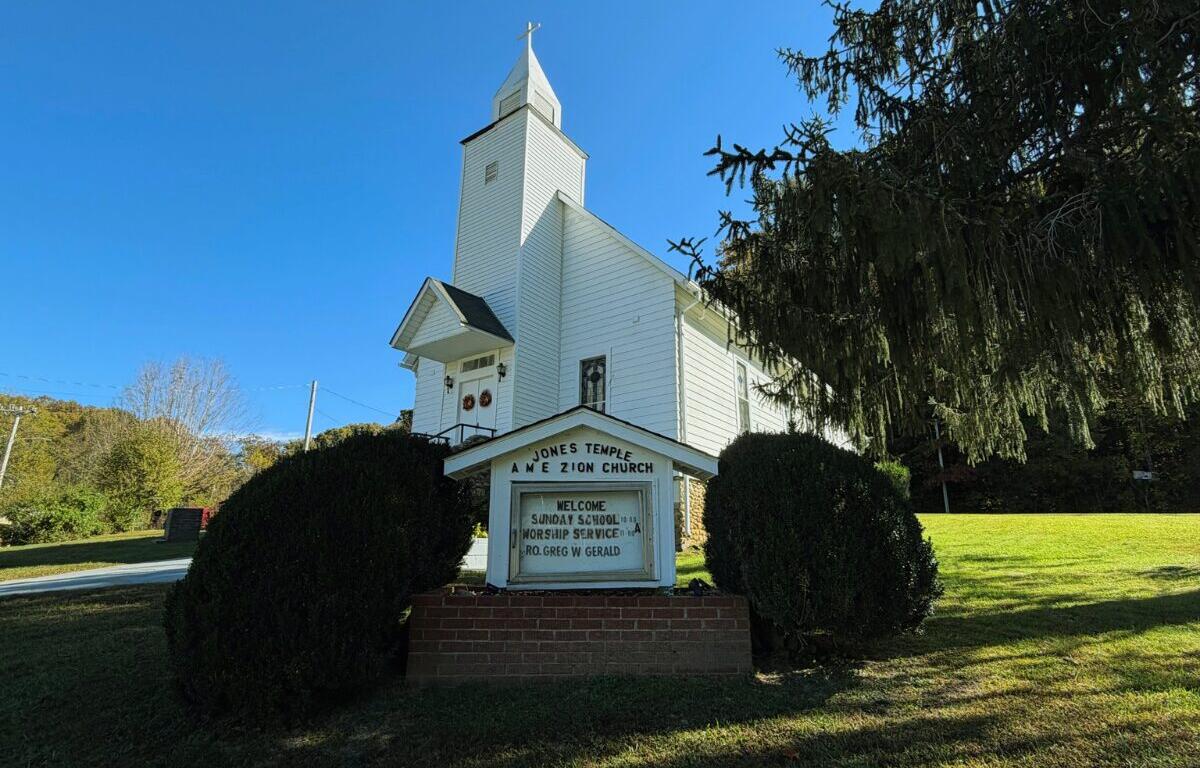
Jones Temple AME Zion Church has stood for generations as a spiritual anchor for the town’s historic African American community and remains one of the oldest church buildings still in use in Waynesville.
The building itself predates the congregation. It was originally constructed in 1855, miles from its current location, and served as the first sanctuary for Waynesville Methodist. When that congregation relocated uphill in the 1880s, the original frame church was moved to Pigeon Street and given to a newly formed Black congregation. That congregation would become Jones Temple AME Zion, part of the African Methodist Episcopal Zion denomination, founded in 1796 and long central to Black religious life across the South.
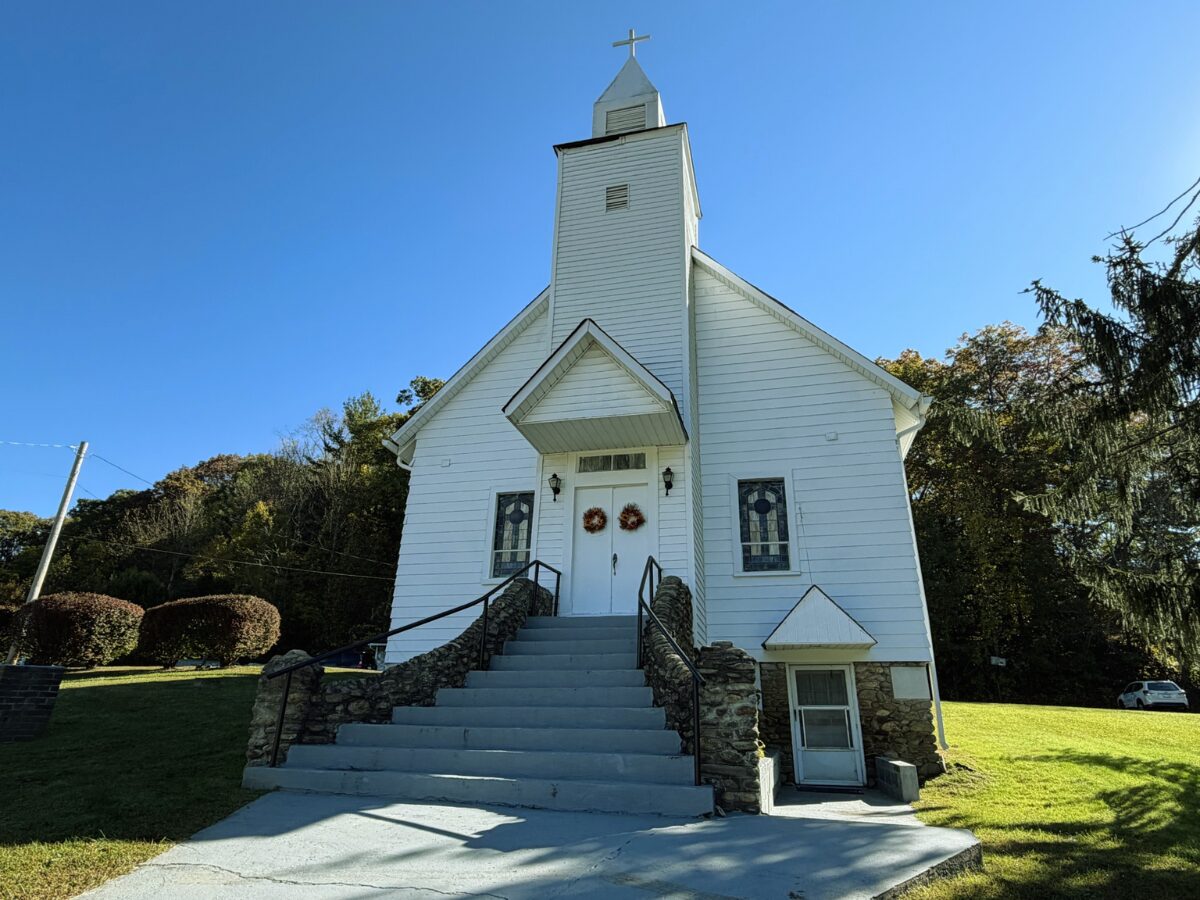
In 1898, members laid a cornerstone for their own church, signaling both growth and permanence. The present sanctuary, completed in 1922, reflects that era and remains largely unchanged today.
Throughout its history, Jones Temple has been more than a place of worship. It has been a gathering space, a source of stability, and a center for leadership and support during eras when Black residents were largely excluded from civic life elsewhere. Pastors and congregants preserved oral histories, church records, and traditions that might otherwise have been lost.
In recent decades, the congregation has grown smaller as older members passed away and younger generations moved from the area. Even so, Jones Temple continues to hold services, which are streamed each Sunday via the church’s Facebook page.
Jones Temple AME Zion stands as a reminder that Western North Carolina’s history is deeply tied to Black communities whose stories were often overlooked. The church’s survival speaks to the determination of the people who built it, sustained it, and insisted that their faith and history mattered.