
Editor’s Note: Historic Churches of Western North Carolina is an ongoing 828newsNOW series exploring the sacred spaces that helped shape mountain communities. Many of these churches began as small mission chapels or neighborhood gathering places. Their histories reveal how faith, culture and daily life intertwined across Western North Carolina. By documenting these buildings and the congregations connected to them, we hope to preserve part of the region’s church history and honor the people whose stories continue to shape the mountains today.
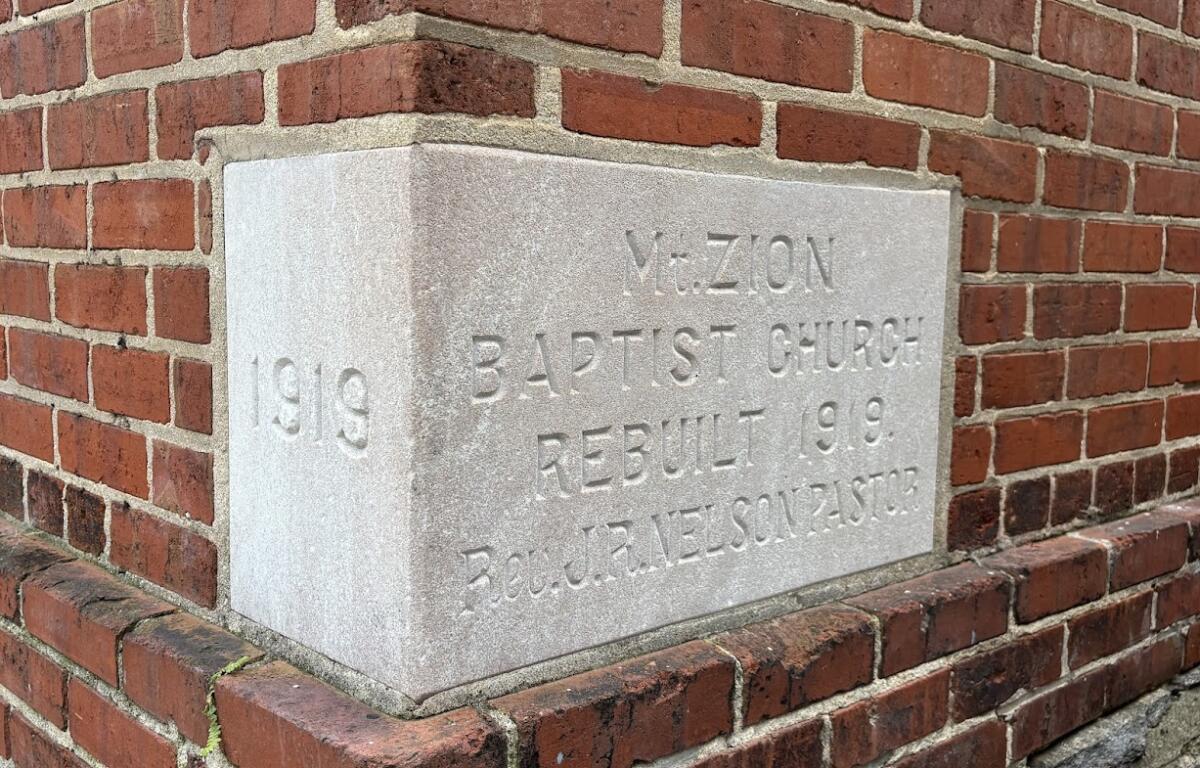
ASHEVILLE, N.C. (828newsNOW.com) — Mt. Zion Missionary Baptist Church stands on Eagle Street as a testament to faith and community in downtown Asheville. Since its completion in 1919, the redbrick Gothic structure has served as one of Western North Carolina’s most prominent African-American congregations and remains a living piece of the city’s cultural and architectural story.
The congregation’s story began in the late 19th century, not long after the Civil War, when Black residents in Asheville sought a place to worship, free from the discrimination they faced elsewhere. Amid segregation and limited opportunities, the church became a center for social support and leadership at a time when Asheville’s Black community was building its own institutions.
By the early 20th century, the church commissioned noted architect Richard Sharp Smith to design a new building in a late Victorian Gothic style. Asheville master builder James Vester Miller and his Miller & Sons Construction Company oversaw construction, applying his skill with brick and masonry.
The resulting church features characteristic Gothic elements such as pointed arches and a pronounced vertical emphasis.
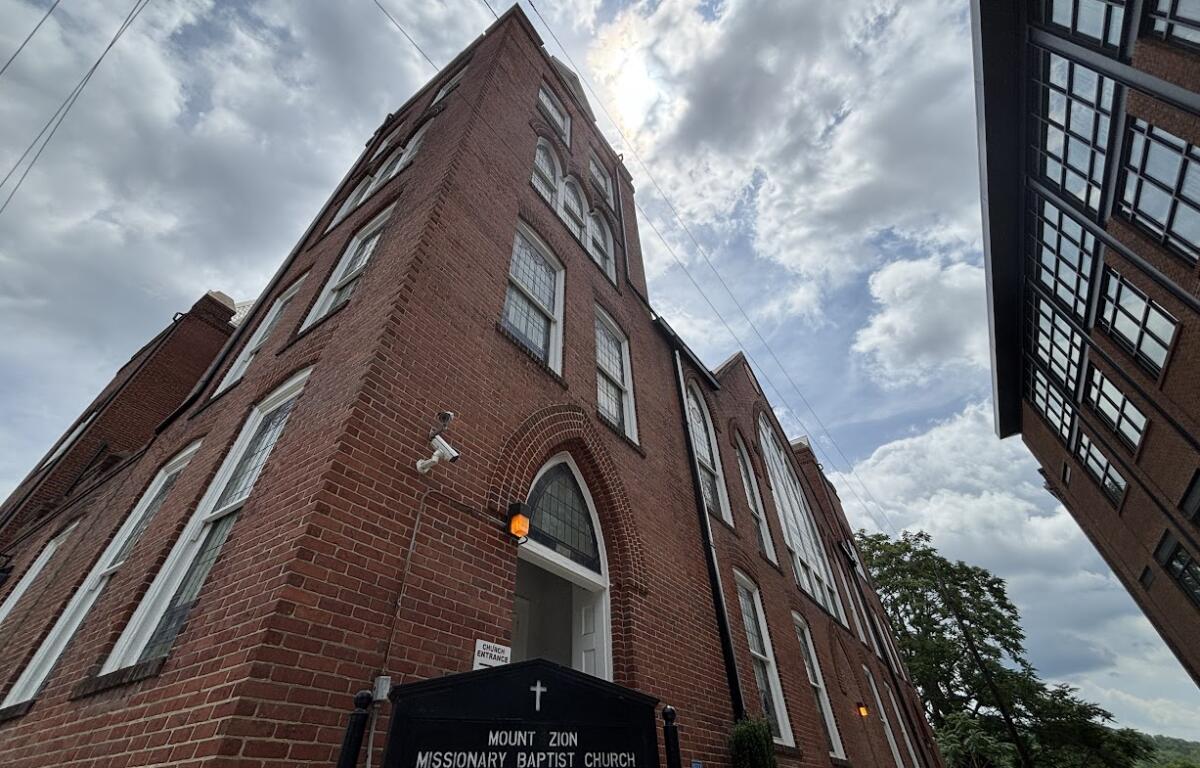
Miller’s role in Mt. Zion’s construction links the church to a broader narrative of Black achievement in Asheville. Born into slavery in Rutherfordton, Miller became one of Asheville’s most influential builders, shaping some of the city’s key structures and training others in his craft. His work on Mt. Zion stands alongside other local landmarks as evidence of his craftsmanship and community impact.
Over the decades, Mt. Zion has been led by pastors whose leadership reflected the congregation’s evolving role in Asheville. Church leaders guided the congregation through periods of societal change, including the civil rights era, while expanding community outreach. Mt. Zion’s continuous service in Asheville reflects both the endurance of its congregation and its lasting place in the wider story of African-American history in Western North Carolina.