




ASHEVILLE, N.C. (828newsNOW) — As prosecutors move forward with first-degree murder charges against a 16-year-old girl accused in the deaths of her parents and grandmother, one North Carolina juvenile law expert says the legal system may ultimately have to decide whether the teen should be viewed solely as an offender — or also as a victim.
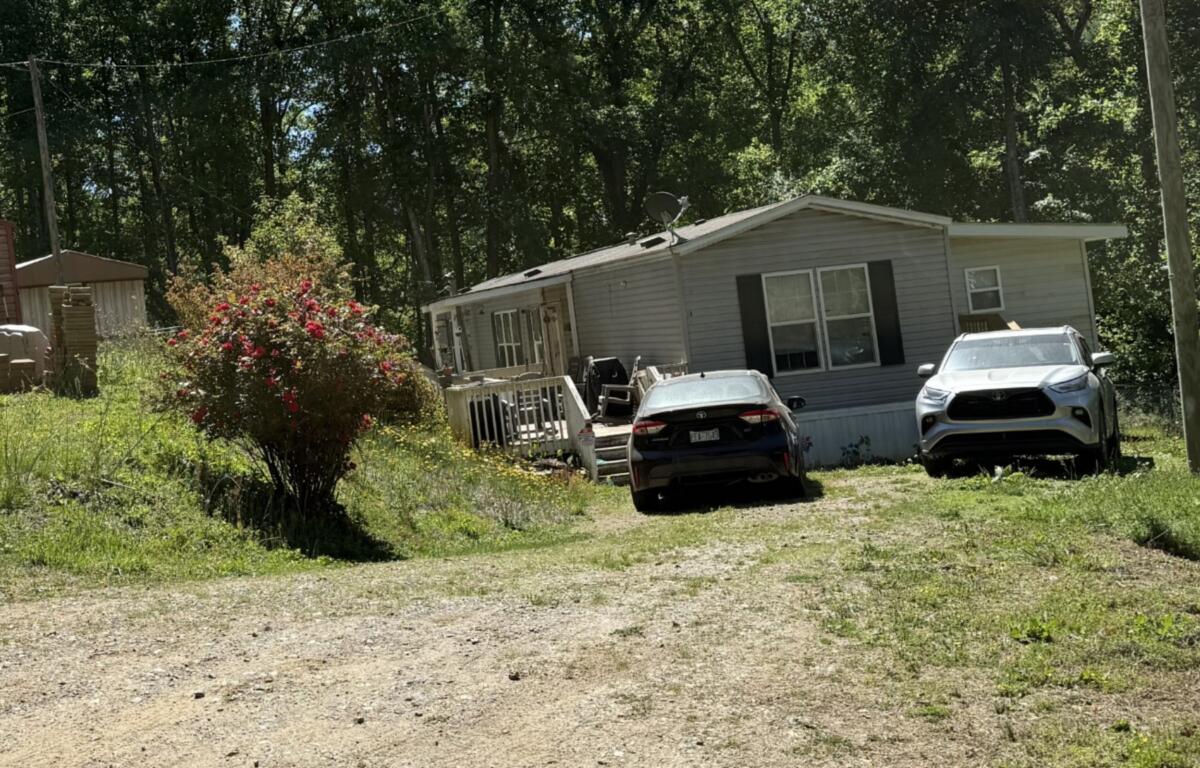
Star Melody Grant, 16, and her co-defendant, 28-year-old Devan Oneal Loving, are charged in the May killings of Grant’s parents, Travis and Kimberly Grant, and her grandmother, Sharon Grant, at the family’s Ashworth Drive home in Fairview.
Authorities said the three victims were found dead inside the home on May 7 after multiple welfare checks in the days prior. Investigators said Grant was missing from the residence when the bodies were discovered. She and Loving were arrested the following day in Gatlinburg, Tennessee.
Both face charges of first-degree murder and conspiracy. Loving has also been charged with child abduction.
Legal expert explains adult charges
Tenika Hall, director and supervising attorney of the Juvenile Law Clinic at North Carolina Central University and a longtime juvenile defense attorney, said recent changes to state law limited prosecutors’ discretion in charging Grant.
“What they took into account is the North Carolina law that took effect Dec. 1, 2024,” Hall said in an interview with 828newsNOW. “Any A through D felonies automatically get charged as an adult in North Carolina. So they didn’t have a choice. They have to charge her as an adult.”
Before that change, Hall said, North Carolina’s “Raise the Age” reforms generally required juveniles to begin in the juvenile court system.
Hall said defense attorneys can request a “reverse waiver,” asking a judge to move a case back to juvenile court.
Hall acknowledged she has not seen that happen in a murder case since the law changed but believes Grant’s case presents unusual circumstances.
“To me, it appears that this would be one of those cases that they should do a reverse waiver and treat this juvenile as a juvenile instead of an adult,” she said.

Questions raised about relationship between defendants
Hall pointed to the nearly 12-year age gap between Grant and Loving and the separate child abduction charge filed against him.
“If she’s a victim in this case, how do we take her out of her victimhood?” Hall said. “I feel like if she has an attorney worth their salt, they’re going to make all the relevant arguments so that this young lady is basically given some help.”
Hall said investigators will likely examine digital evidence to determine the nature of the relationship between Grant and Loving.
“Typically, things like this don’t happen in a day,” Hall said. “Typically, this guy has been in some type of way in contact with this young lady.”
She added that text messages and social media records could become key evidence.
“A court order would get them all of the text messages, what he said to her, any type of grooming that was going on and how long it was done,” Hall said
Asked whether the child abduction charge complicates the state’s theory of the case, Hall didn’t hesitate.
“That would actually be the crux of my argument in court,” she said.

Juvenile system vs. adult court
Hall stressed that advocating for treatment in the juvenile system would not mean avoiding accountability.
“I do believe she will be punished for this crime,” Hall said. “But I believe with the correct attorney working on her case that she would be sentenced as a juvenile.”
She said the juvenile justice system offers resources that the adult system often cannot.
“We want them to get the resources that are available to the juvenile system, which would be counseling, therapy, community service and all of those kind of things that help an individual through these teenage years to mature and develop outside of our punitive system,” Hall said. “So that down the road this doesn’t happen again.”
Grant is being held in a juvenile detention facility. If she were adjudicated through the juvenile system, Hall said she would likely be transferred to a state-operated youth development center rather than an adult prison.
Hall also raised questions about any statements Grant may have made to investigators following her arrest in Tennessee.
“At the age of 16, there’s still a requirement that the parents be present,” Hall said, noting that because Grant’s parents were deceased, another guardian or legal representative would typically be involved.
If proper procedures weren’t followed, Hall said defense attorneys could challenge those statements.
“They would make a motion to quash any statements made in Tennessee without a guardian,” she said.
Timeline for trial could stretch into years
As for when the case could go to trial, Hall said families should prepare for a lengthy process.
“We’re not talking a couple of months down the road,” she said. “We’re not even talking 2027.”
Hall said the timeline could depend on discovery, potential plea negotiations and local court scheduling.
Despite the seriousness of the allegations, Hall said she believes Grant’s age and relationship with Loving should remain central to the court’s consideration.
“I think it would be a bad move for Buncombe County not to acknowledge the fact that her youthfulness combined with the 28-year-old man, she should not be charged as an adult for this murder,” Hall said. “It should be a juvenile charge.”
Still, Hall noted that under current North Carolina law, the initial adult charge was unavoidable.
“‘You shall be’ is the reading of the statute,” Hall said. “A is murder. You shall be charged as an adult. So that was unavoidable.”