



ASHEVILLE, N.C. (828newsNOW) — Most veterans never think about what happens to an instrument before it reaches an operating room or the emergency department.
But behind the scenes at the Charles George Department of Veterans Affairs Medical Center, a team is undertaking a years-long effort to modernize how thousands of medical instruments are identified, tracked and maintained.
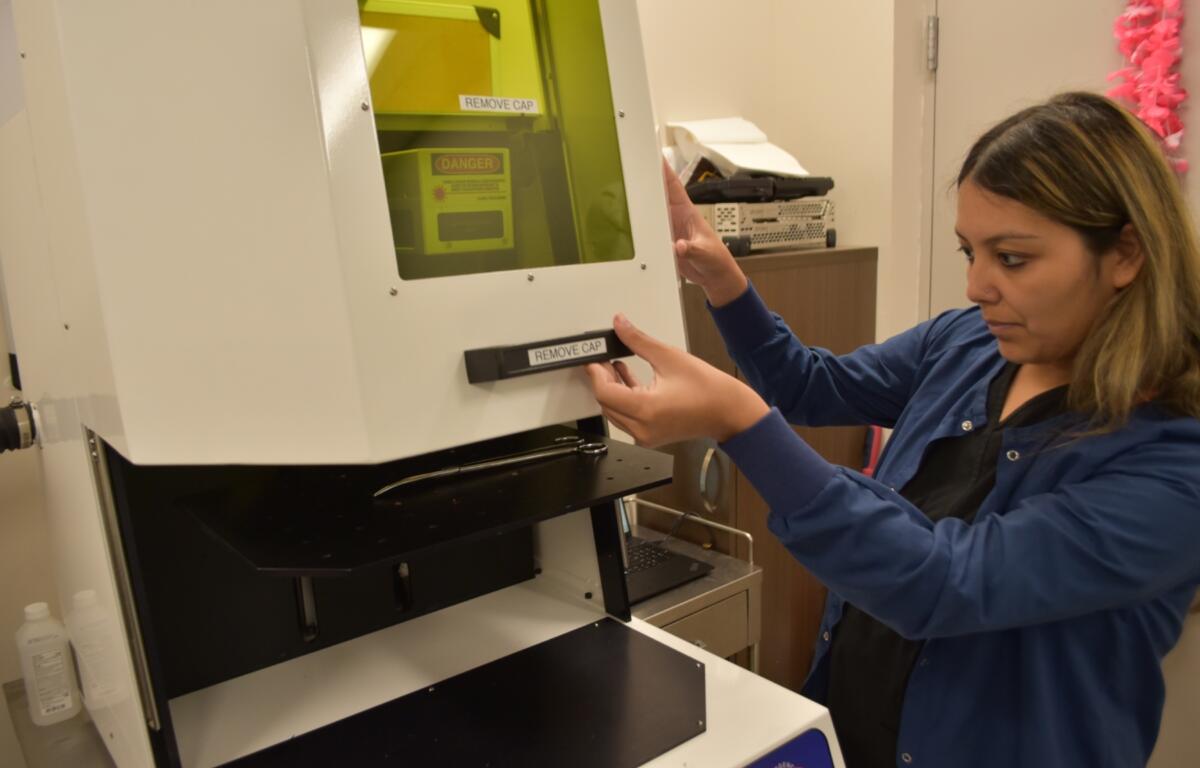
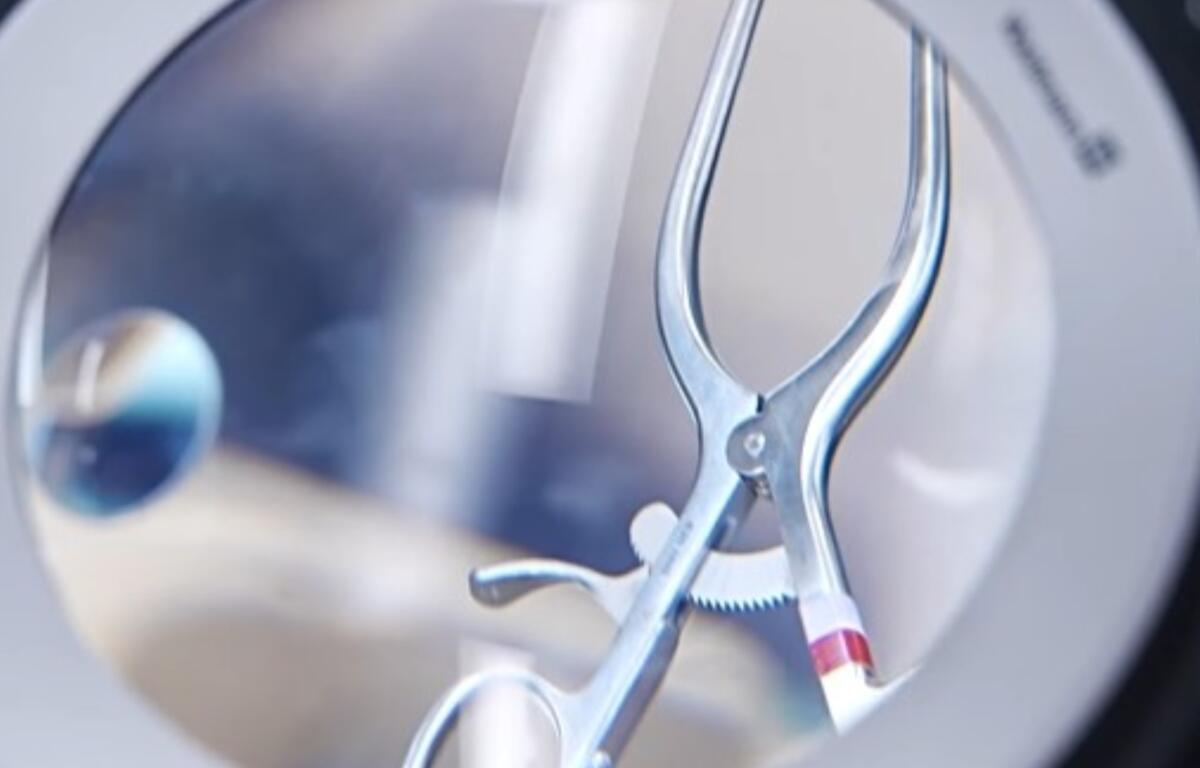
The Asheville VA is replacing traditional colored tape labels with permanent laser engraving, a change officials say will improve safety, cleanliness and accountability throughout the hospital. The project is being phased in across surgical and clinical departments and will eventually touch nearly every instrument in the facility.
From tape labels to laser precision
For Sandra Mendez, assistant chief of sterile processing, the effort reflects a long-awaited upgrade.
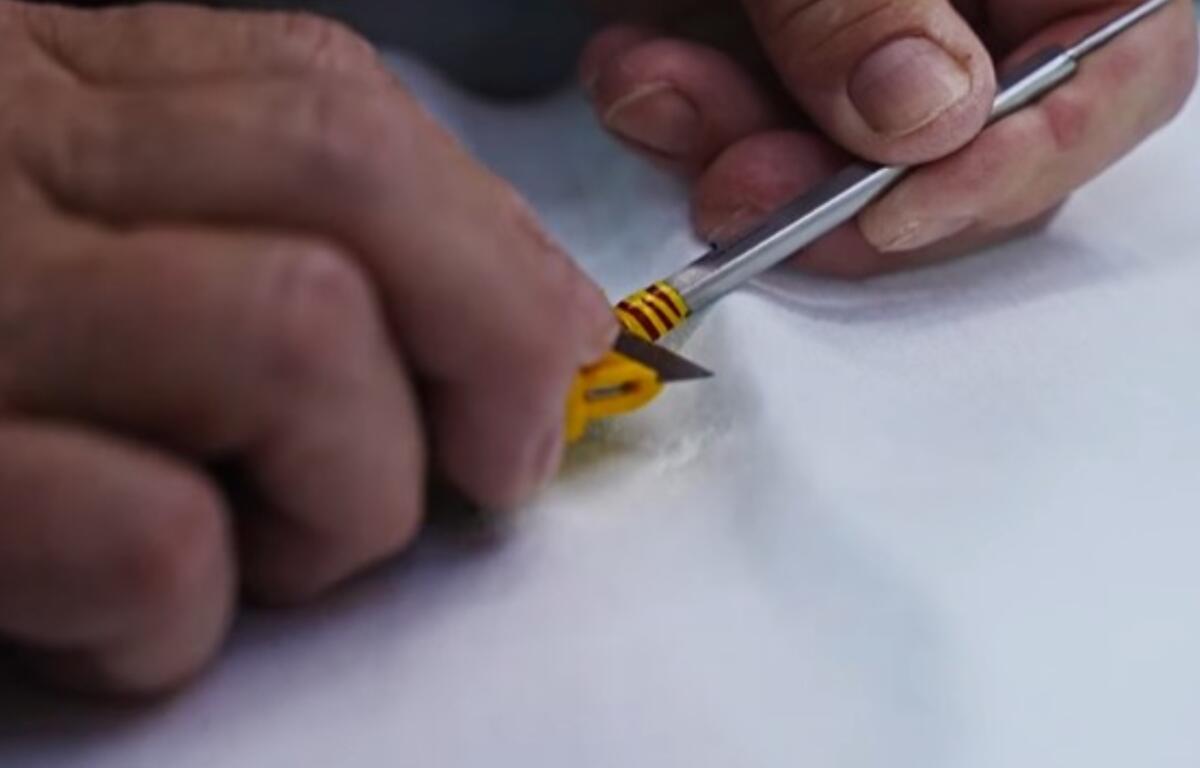
“Laser etching is something that we’ve actually been wanting for many years now,” Mendez said. “At least since I’ve been here, it’s been talked about.” She said colored tape has been used on many instruments at the facility for more than two decades.
The tape system allowed staff to quickly identify instruments by department using color coding, helping organize and return equipment efficiently.
A decades-old system reaching its limits
But over time, the system showed its age.
“If it gets old, we must replace that,” Mendez said of the tape. “We ran into things that could harbor bacteria on or underneath the tape. We always want to be able to provide the best veteran care possible, and with that, it’s always going to be safety.”
She said staff also had to monitor tape for deterioration.
“This tape could be flaking and could potentially fall into a patient,” she said. “There could be pieces missing off of that tape.”
Safety concerns drive the transition
Hospital officials emphasized that the change is not tied to any known safety issue at the Asheville VA. Instead, it reflects a broader shift toward newer technology already in use at other VA facilities.
“We’ve not actually identified any issues within our facility as to why we’re moving away from tape,” Mendez said. “This has been going on for many, many years. But, of course, we want to follow any new technology that may be out there.”
Laser engraving replaces color-coded identification
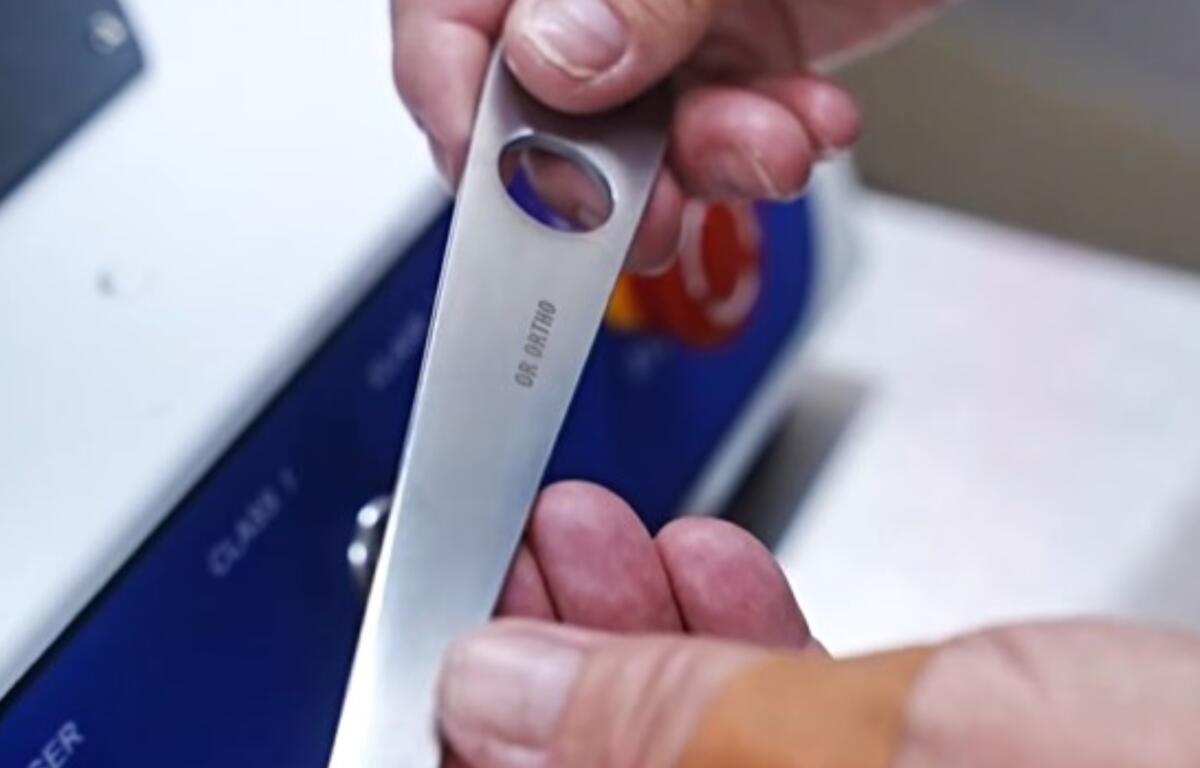
The solution replaces tape entirely with permanent laser engraving directly on instruments.
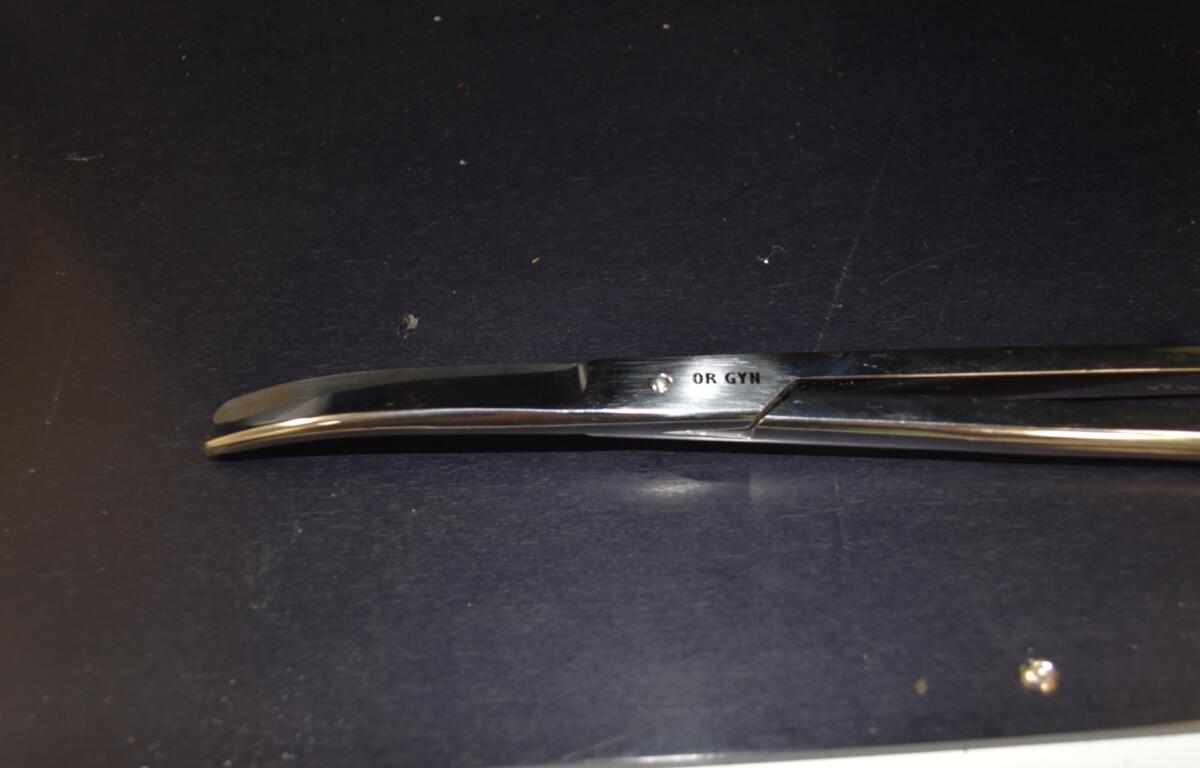
“We’ve started with orthopedics in the operating room,” Mendez said. “We’ve been able to etch on there where it says OR ortho.”
Instead of removable labels, department names are now permanently marked on the metal surface, reducing the need for replacement and maintenance.
QR codes add a digital tracking layer
The system also adds QR codes that link instruments to digital records.
By scanning a code, staff can access detailed information, including manufacturer data, product numbers, sterilization requirements and storage instructions.
“The staff can just scan it and then they’ll get their label and they’re essentially good to go,” Mendez said.
A massive undertaking across thousands of instruments
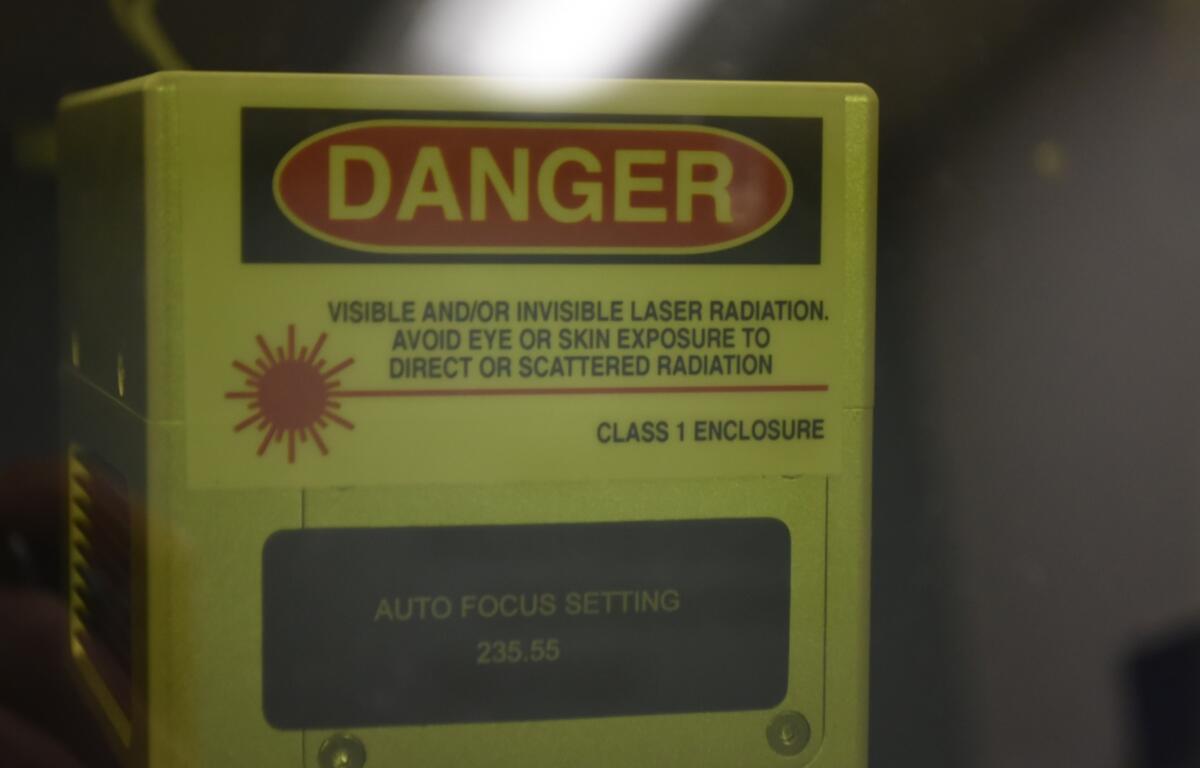
The scope of the project is extensive. Mendez said the facility has roughly 8,000 individually packaged instruments, known as peel-packed items, that will be prioritized for engraving. That does not include thousands more stored in surgical trays.
“We’re talking about thousands and thousands of instruments,” she said. “Our priority is any items that have tape.”
So far, one orthopedic section in the operating room has been completed.
Small team, large workload
Despite the scale, most of the work is being handled internally by just two employees.
“It is internal, and it is being done by myself and also our coordinator,” Mendez said. “At the moment, it’s only the both of us.”
Because each instrument must be individually processed and engraved, the work is time-intensive.
“It takes a very long time to etch the instrument,” she said. “Unfortunately, we cannot pull additional staff to do the laser etching at the moment.”
Slowly rolling out across departments
Mendez expects the project to move gradually through the hospital, with orthopedics leading the way.
She estimates about 80 percent of priority instruments will be completed by the end of 2026.
The phased rollout reflects the workload and the complexity of integrating the new system into existing hospital operations.
Funded through regional VA network support
The laser-etching technology is integrated into the VA’s nationwide instrument tracking system.
Funding for the equipment came through the Veterans Integrated Service Network, or VISN, which oversees multiple VA medical centers across the region.
Improving patient safety behind the scenes
Beyond identification, the system strengthens tracking and consistency across departments.
“Instead of using a color tape that would identify that particular instrument as OR Orthopedic, we will actually now be replacing the actual name on the instrument,” Mendez said.
For staff, the goal is fewer errors and better accountability throughout the sterilization process.
A hidden department with a critical role in care
For patients, the changes are largely invisible. But hospital officials say sterile processing plays a crucial role in every procedure.
“One of the things that we always want to strive for is patient safety, and that does start with sterile processing,” Mendez said. “Their safety is in our hands, and we will do anything and everything to make sure that we maintain a high-reliability organization.”
While doctors, nurses and surgeons are most visible to veterans, every instrument used in care first passes through this department.
Officials say the laser-engraving initiative represents another step in modernizing that unseen but essential part of hospital operations –ensuring instruments are cleaner, safer and more reliably tracked for the veterans who depend on the Asheville VA.