
EDITOR’S NOTE: Strangeville explores the curious and unexplained stories that have long defined Asheville and Western North Carolina. The region is full of unanswered questions, from old folklore and local legends to eerie encounters, unsolved moments in history, and the true-crime mysteries that still leave people wondering. Each week, we look back with an open mind and a sense of curiosity, trying to understand why some stories take hold and why some can never be explained.
ASHEVILLE, N.C. (828newsNOW.com) — In the summer of 1928, West Asheville got a visitor that did not belong in the mountains.
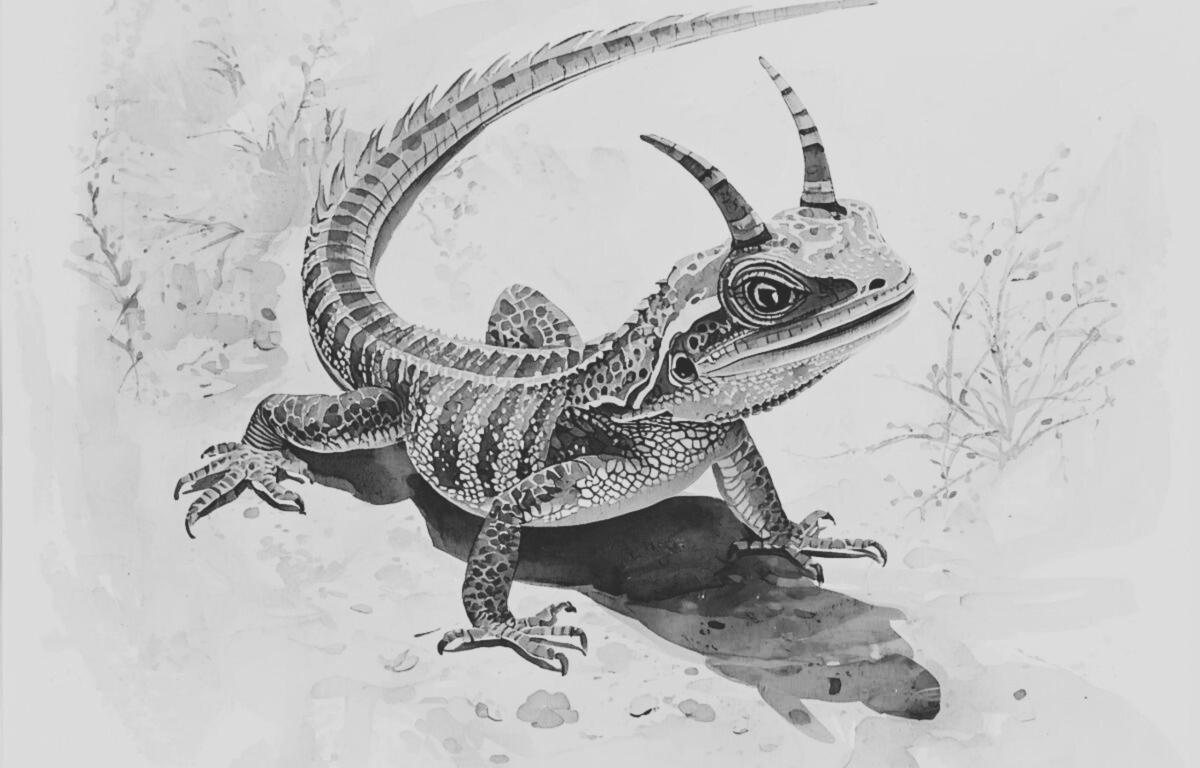
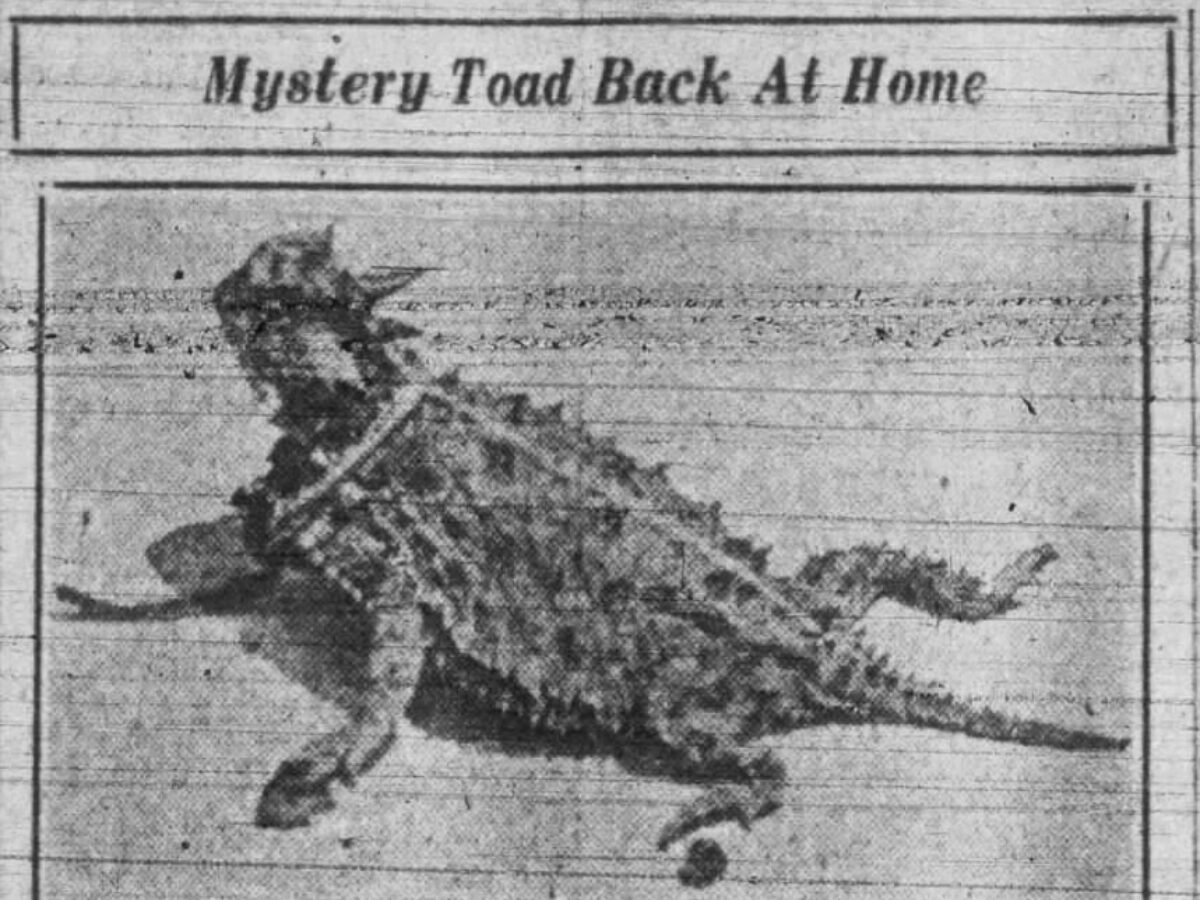
It was small enough to fit in a pocket, rugged enough to look like it had been built for desert country, and odd enough that people could not stop passing it along. Someone had found a horned lizard, often called a “horned toad,” inside a corn liquor jar. By the time the animal reached the Asheville Times office, word of the mystery was already traveling fast.
The Times reported the lizard was discovered on a Thursday in West Asheville and moved quickly through a chain of neighbors before it reached the newspaper. The following day the owner walked into the Times office, took one look and said it was his.
The paper identified the owner as Mr. Ellis, a West Asheville resident. Ellis told the newspaper the animal had disappeared in May from his porch, only weeks after he got it. He fed it ants and flies and assumed it would stay put. Then the weather warmed and the little reptile moved on.
Weeks later, the lizard’s trip across town ended with a ride home to West Asheville in Ellis’ pocket. But the story of the “horned toad” stretched all the way to Texas.
Ellis said he had gotten the horned lizard because of something he read in another newspaper. Earlier in 1928, a horned lizard known as Old Rip became famous in Texas. An Eastland County official had a horned lizard placed in a courthouse cornerstone vault in 1897 alongside items like newspapers and a Bible, reflecting a folk belief that the animals could survive long periods in hibernation. When the old courthouse was torn down, the cornerstone was opened on Feb. 18, 1928, drawing a crowd reported in the thousands. A dusty horned lizard was produced and said to be alive. The discovery ignited publicity and scientific debate about whether the story was true.
The lizard became a traveling celebrity that spring. Old Rip went on tour and was brought to the White House in May 1928, where President Calvin Coolidge inspected it. Old Rip died on Jan. 19, 1929, and was preserved for display in Eastland, where the legend remains part of the courthouse lore. The Texas State Historical Association notes the story has long faced skepticism about its authenticity, even as it endured as a piece of Texas mythology.
In 1928, the legend was mentioned in a letter from Ellis to a young woman in Harlingen, Texas. He teased that everything in Texas was bigger and better. Even the toads had horns, he joked. Soon after, a horned lizard arrived in his mail.
In Asheville, the animal’s presence was initially a mystery because horned lizards are not native to Western North Carolina. The species is adapted to open, arid and semi-arid landscapes, and federal range mapping places it in the south-central United States and northern Mexico, not the Blue Ridge.
In the end, it was a small-town tale with a tail, solved the moment it hit the paper.
-
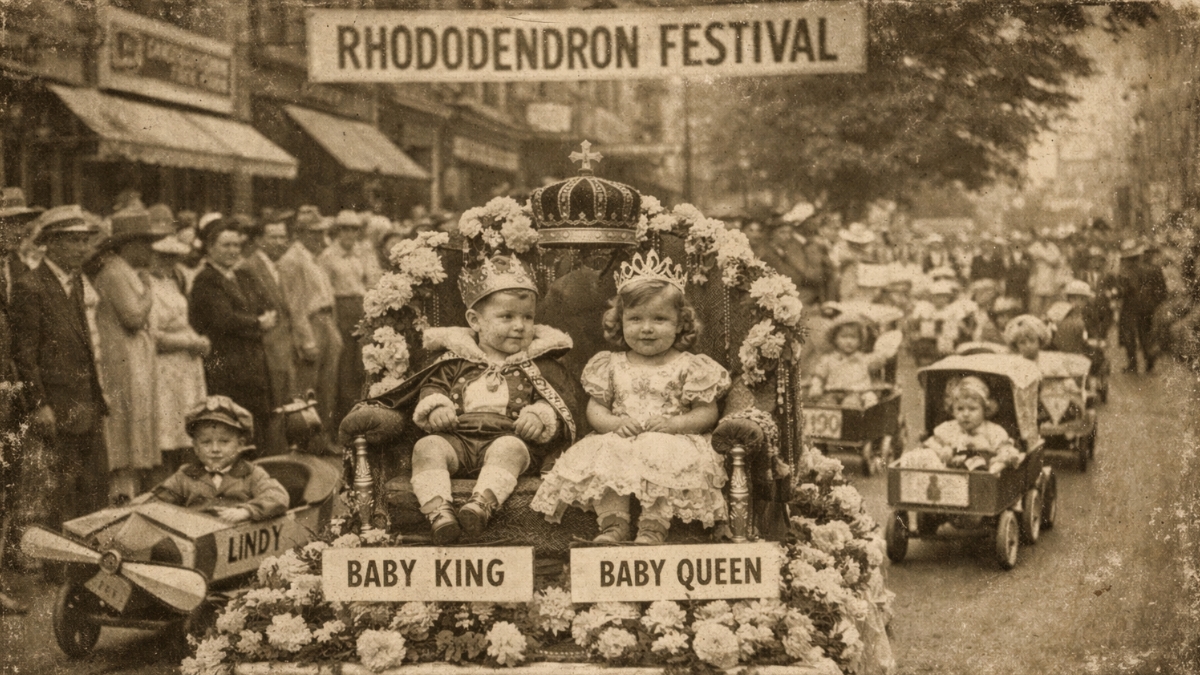
Strangeville: Asheville’s Rhododendron Baby Parade

During Asheville’s Rhododendron Festival heyday, a Baby Parade drew huge crowds and tiny floats. The tradition lasted until money worries and a world war changed everything.
-
Strangeville: Linville Hermit disappearance remains a mystery

A man known locally as the Linville Hermit is said to have vanished from his mountain cabin in the 1800s. No official record exists, but the story has remained part of local folklore for generations.
-
Strangeville: The Whang Doodle that haunted Polk County

A legend from Polk County tells of a mysterious creature once seen by a young boy in the Appalachian foothills.
-
Strangeville: The Ghost Town of Puncheon Camp Creek
EDNEYVILLE, N.C. (828newsNOW.com) — In the open farmland of rural Henderson County, two oversized
-
Strangeville: The Cherry Bounce King of WNC
Meet Amos Owens, the Cherry Bounce King of North Carolina, whose moonshine legacy and infamous mountain parties made him a folk legend on Cherry Mountain in the late 1800s.