
Editor’s Note: Western North Carolina is rich with untold stories—many resting quietly in local cemeteries. In this Tombstone Tales series, we explore the lives of people from our region’s past whose legacies, whether widely known or nearly forgotten, helped shape the place we call home.
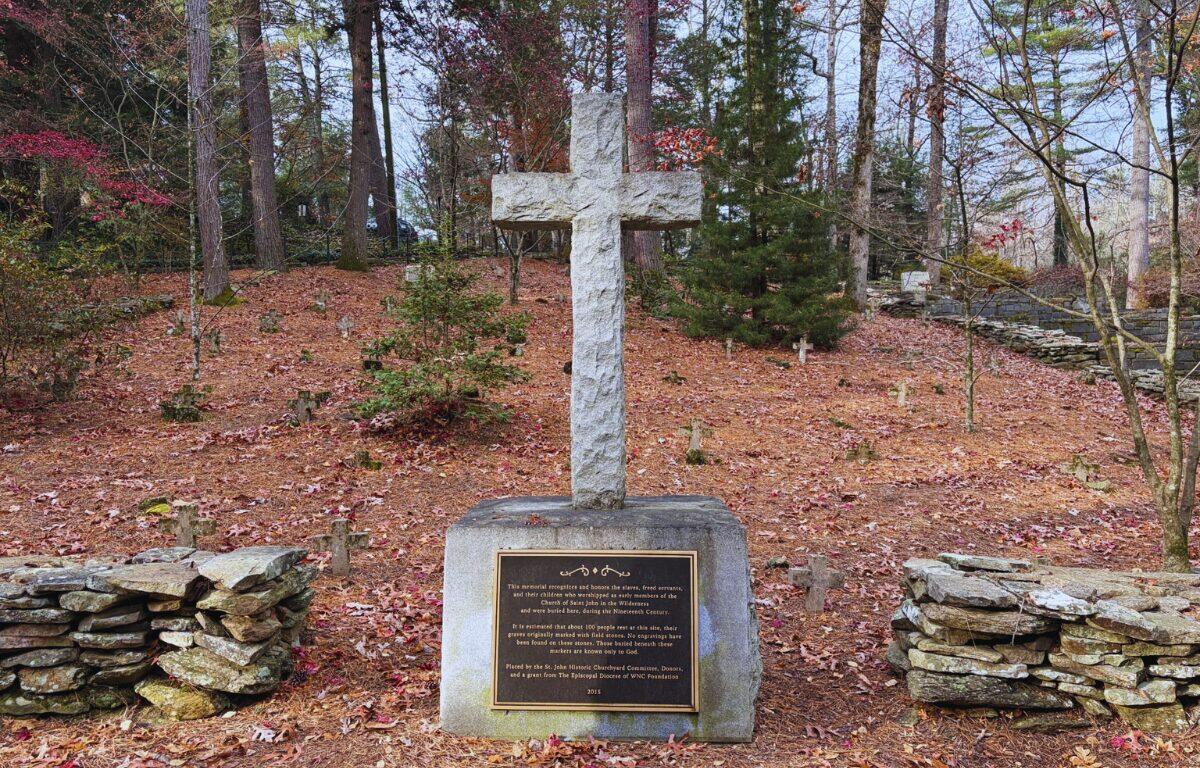
FLAT ROCK, N.C. (828newsNOW) – Beneath a quiet stand of trees near Flat Rock’s oldest Episcopal church, a granite cross rises above a hillside of small white markers. It is one of the few memorials dedicated to enslaved and freed African Americans in Western North Carolina.
The Slaves and Freedmen Memorial Cross at St. John in the Wilderness Episcopal Church honors about 100 men, women and children buried in the churchyard during the 1800s. They had worshipped alongside white parishioners, but most of their graves were originally marked only by native fieldstones, with no engravings or names.
A bronze plaque at the base of the cross explains what is known: “This memorial recognizes and honors the slaves, freed servants, and their children who worshiped as early members of the Church of Saint John in the Wilderness and were buried here during the nineteenth century … Those buried beneath these markers are known only to God.”
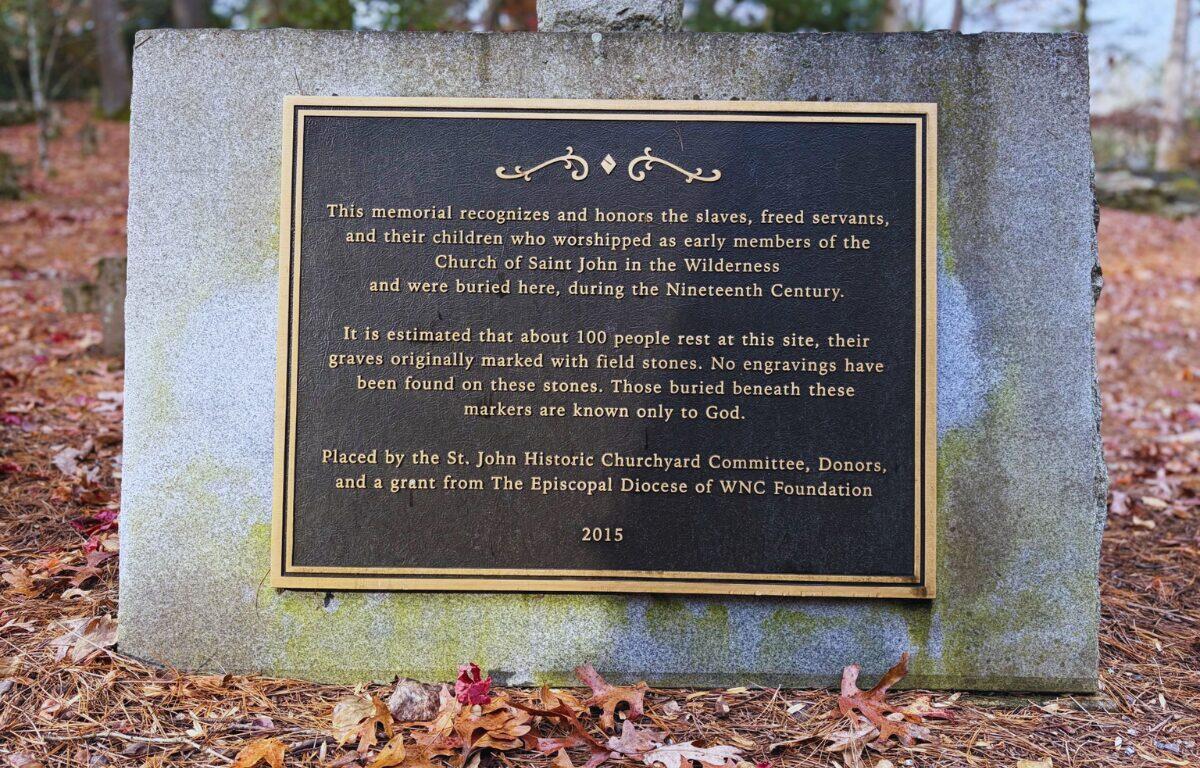
The monument stands at the northeastern edge of the churchyard, separated from elaborate family plots. Volunteers first restored the area in 1971, replacing unmarked stones with handmade white crosses to represent the number of graves. In 2015, the church’s Historic Churchyard Committee raised funds to install the granite monument.
The dedication in January 2016 drew parishioners, clergy and neighbors from across Flat Rock. The Rev. Rob Field, then rector, called it a moment of remembrance and reconciliation.
Churchyards across the South often contain graves of enslaved people, but few have monuments that acknowledge them. Flat Rock’s memorial is rare, both for its visibility and for its recognition of the enslaved and freed people who formed part of the church’s earliest congregation.
St. John in the Wilderness began in 1833 as a private chapel built by Charles and Susan Baring, Charleston planters who summered in Flat Rock. Three years later, it was deeded to the Episcopal Church. From the start, its congregation included both white Lowcountry families and the enslaved or free servants who traveled with them. Church records show that enslaved parishioners were baptized and married there, and the first wedding performed at St. John’s was between two enslaved individuals.
After emancipation, many of those families remained nearby and helped found Mud Creek Missionary Baptist Church, one of Henderson County’s earliest Black congregations.
Members of Historic Flat Rock later wrote that the dedication of the St. John’s memorial in 2016 reminded the community that the story of Flat Rock cannot be told without the African Americans who helped build it.
Church records identify only about 18 burials in the section, and most of those who rest beneath the hillside crosses remain unknown. But their presence is unmistakable.
In a region better known for its mountain resorts and grand summer homes, the Slaves and Freedmen Memorial Cross stands as a visible acknowledgment of enslaved life in the Blue Ridge. It invites visitors to look past ornate family monuments and remember those who served, worshipped and lived in the same community, their names unrecorded but not forgotten.
-
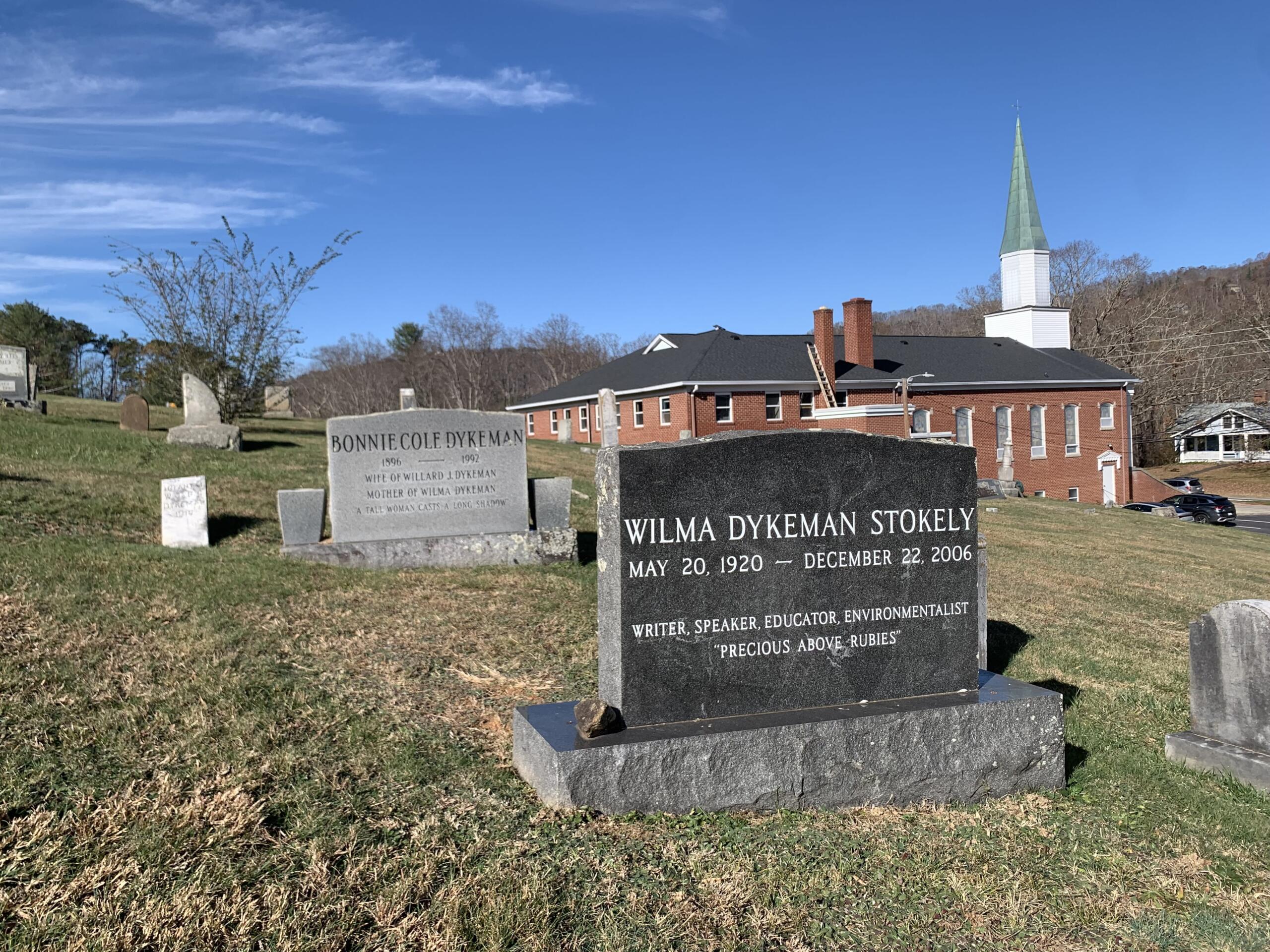
Tombstone Tales: Asheville’s River Champion, Wilma Dykeman Stokely

Wilma Dykeman Stokely, often called the “First Lady of Appalachian Literature,” helped shift public attention toward the French Broad River’s pollution and cleanup.
-
Tombstone Tales: Gig Young’s shocking murder‑suicide and his grave in WNC

Gig Young’s rise, fall and violent final act still echo from Manhattan to the mountains, where he’s buried under his real name.
-
Tombstone Tales: The man who helped light America

A Connecticut-born pioneer of electric lighting and his North Carolina wife rest in Asheville’s Riverside Cemetery, their stories entwined with industry, innovation and philanthropy.
-
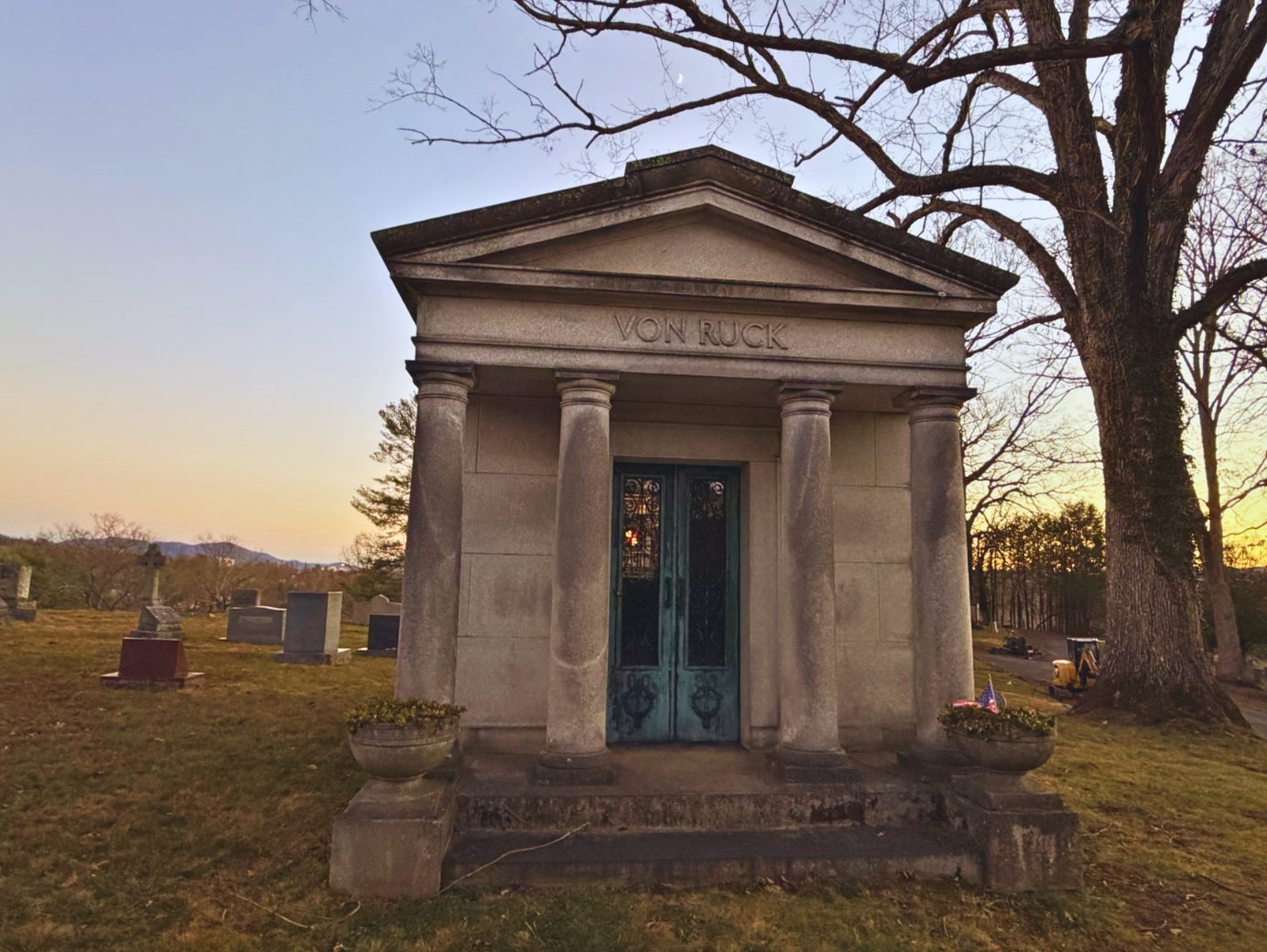
Tombstone Tales: The Von Ruck Mausoleum and Asheville’s literary ties
A story that runs from Asheville’s tuberculosis era to Thomas Wolfe’s fiction and early American horror.
-
Tombstone Tales: A Revolutionary War Soldier at Canton’s Locust Field
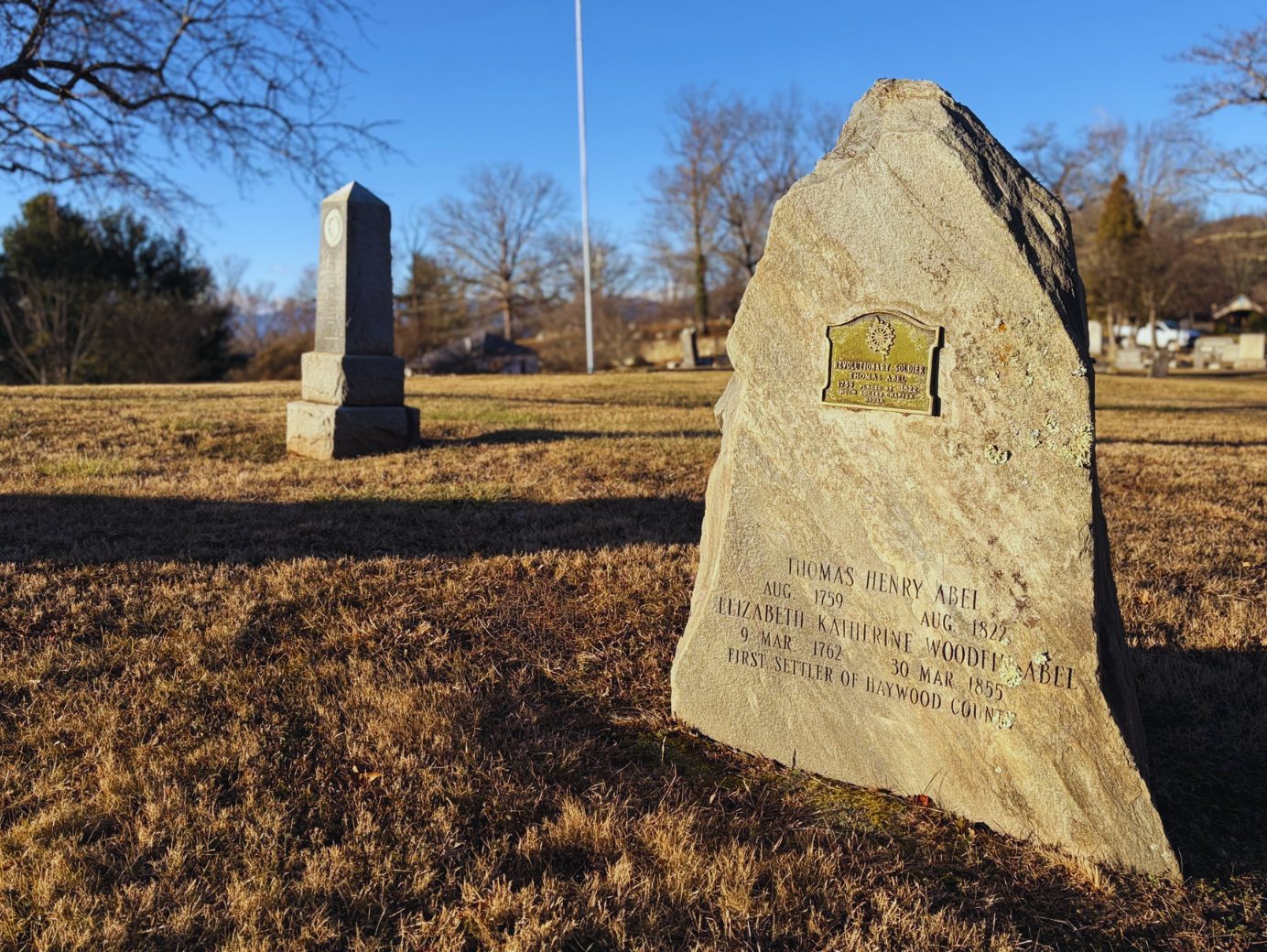
A Revolutionary War pension file and a Canton gravesite connect Thomas Abel’s Virginia enlistment to his final resting place in Haywood County.