
Editor’s Note: Western North Carolina is rich with untold stories—many resting quietly in local cemeteries. In this Tombstone Tales series, we explore the lives of people from our region’s past whose legacies, whether widely known or nearly forgotten, helped shape the place we call home.
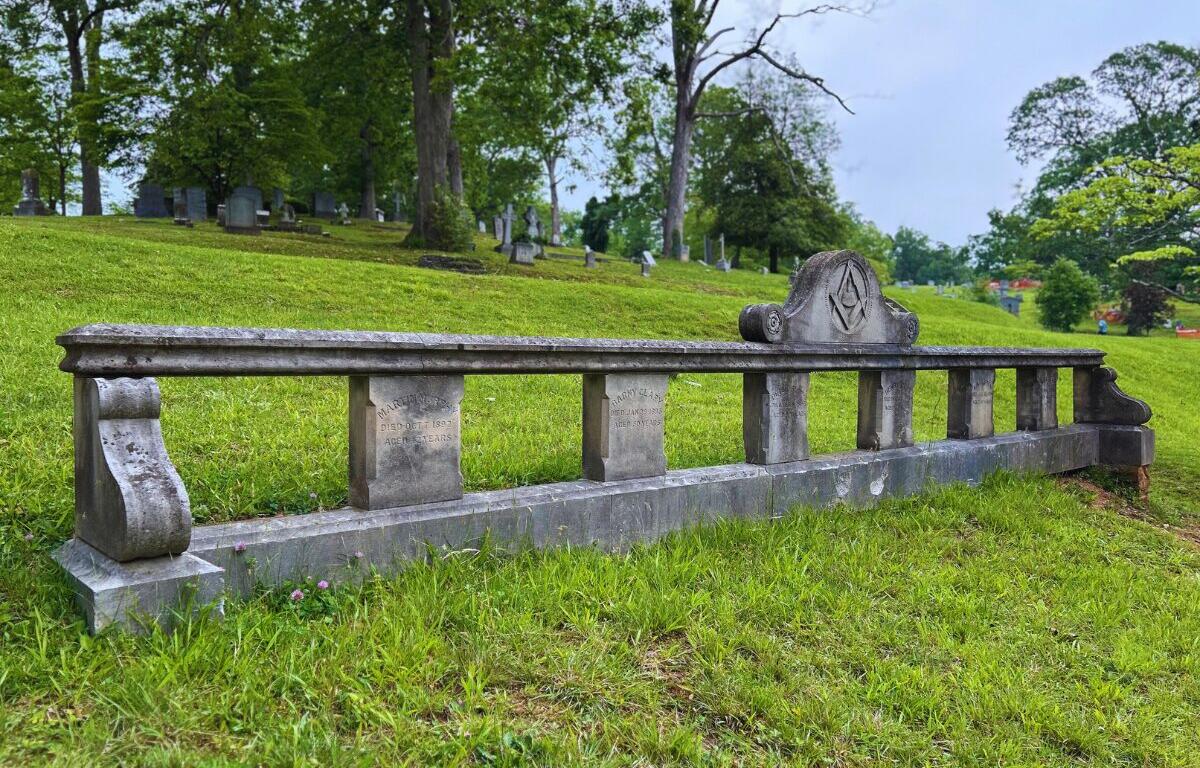
ASHEVILLE, N.C. (828newsNOW.com) – On a hillside in Riverside Cemetery, a 30-foot-long stone memorial stretches along the grass, its meaning often assumed, its story twisted by time.
For years, visitors were told a familiar version of events. The monument was placed by the Biltmore Estate to honor stonecutters killed in tragic construction accidents while building George Vanderbilt’s grand house. It was a compelling and dramatic story.
The truth is more complicated.
The Journeymen Stonecutters Association of North America memorial honors six stonecutters who worked on the Biltmore Estate in the 1890s. They were skilled craftsmen contracted through D.C. Weeks & Son of New York, part of the massive workforce assembled to construct America’s largest private home. The six men, who died between 1892 and 1894, are buried beneath the monument at Riverside. None of them died as the result of construction accidents.
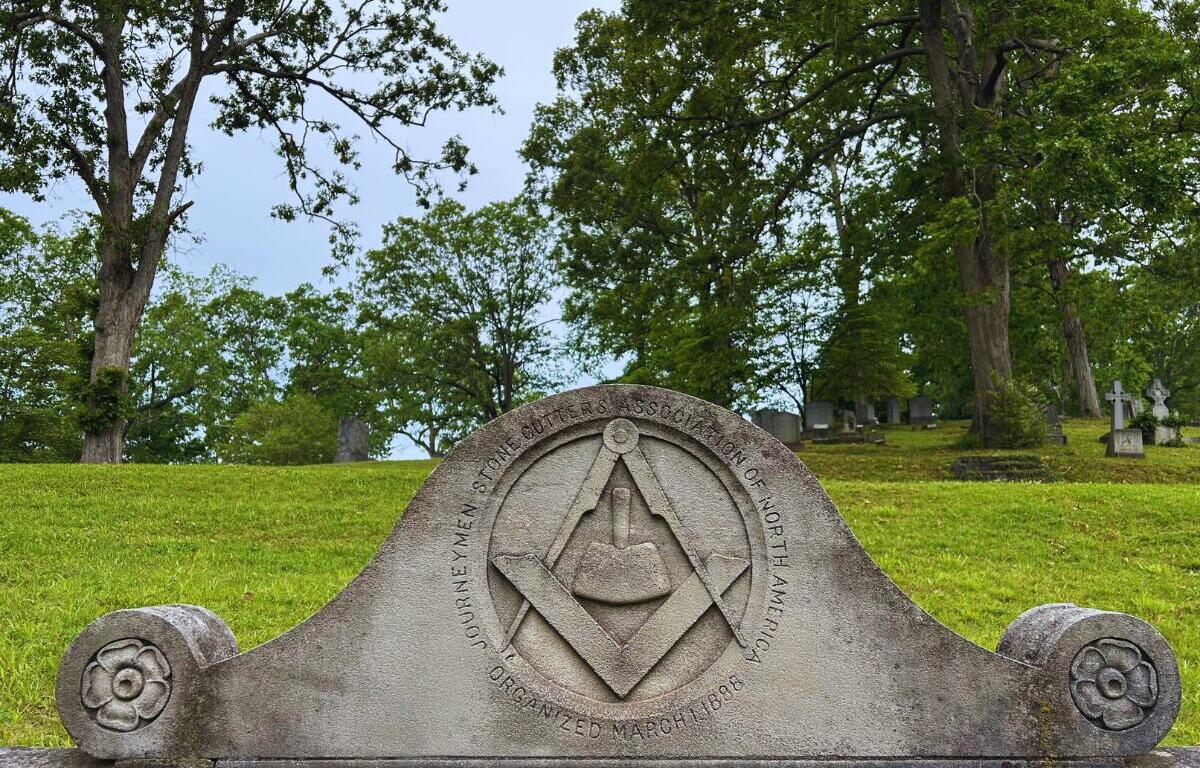
Untangling that story took time. Deep research by Bill Alexander, historian for the Biltmore Estate, and Clay Sorrells, historian for Biltmore Masonic Lodge, helped correct the record and separate long-repeated lore from what the documents actually show.
The memorial was designed and built by Fred Miles, head stone mason for the Biltmore Company and an employer of the men it commemorates. Using limestone quarried from the Biltmore Estate, Miles created the low, 30-foot-long monument as a tribute to the stonecutters and their work.
Only one of the six men died while on Vanderbilt property. Peter Smith’s death was rumored at the time to have been caused by a falling stone, but records show he died from chronic lung problems, a common occupational illness among stone masons in the late 19th century.
Three others, Martin Murphy, Barny Clary and A.H. Clifton, died of natural causes. Their deaths, while significant, did not match the lore associated with the monument.
Henry Clay and Patrick McKenna are tied to a more mysterious chapter in Asheville history.
Clay, a 37-year-old mason from Dillsboro, and McKenna, a 45-year-old Irish immigrant, were close friends. On Christmas Eve of 1894, the men left Asheville together to visit Clay’s family. Days later, their bodies were discovered in the Tuckasegee River.
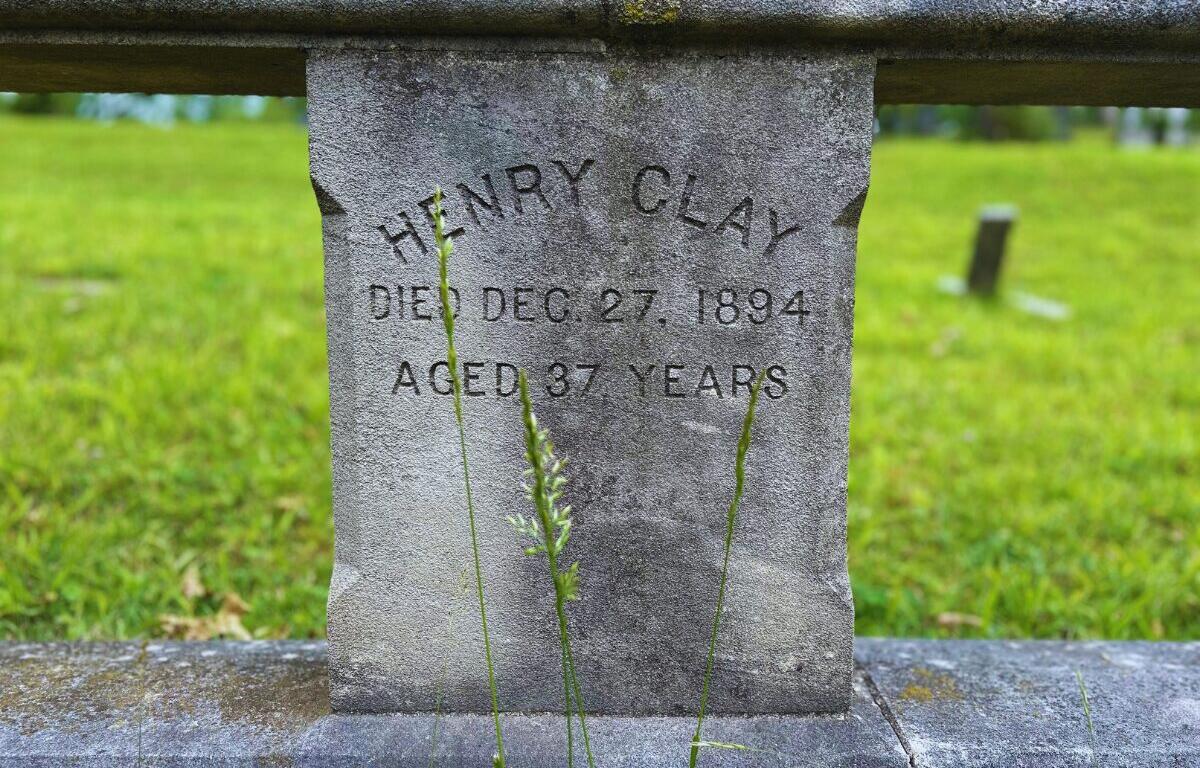
Clay’s body was recovered on Dec. 27, 1894, and his death was ruled a suicide. McKenna’s body was found two days later in nearly the same stretch of river. His death was officially ruled an accidental drowning.
Newspapers at the time simply noted that “no particulars were given.” The gap in the record left room for speculation, but no firm answers.
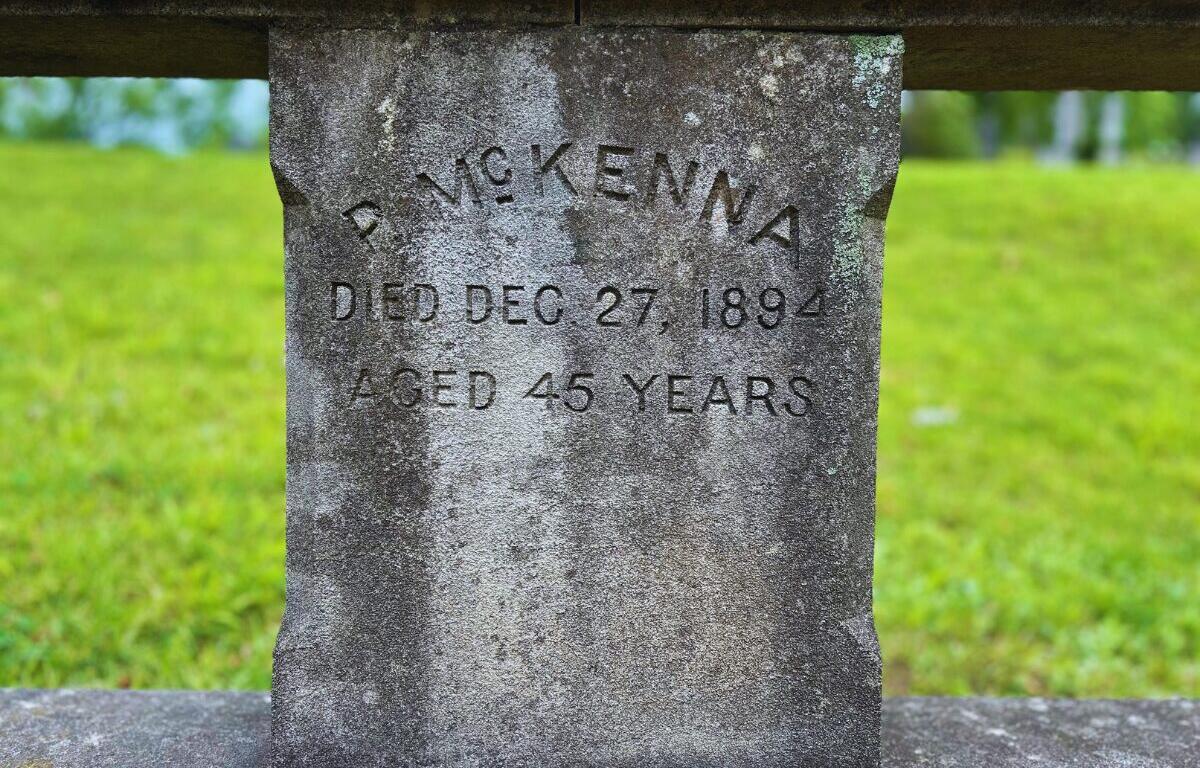
The monument was an important project for Miles, an effort to recognize the men as craftsmen who helped shape one of Western North Carolina’s most famous landmarks.
In an era when laborers were often left out of the written story, the Stone Cutters Memorial gives these six men a permanent place in the story of Biltmore. Thanks to the work of local historians, the myth of the memorial has been replaced with a truer account: a story of hard work, quiet loss and two lives still shadowed by unanswered questions.
Beneath the stone are not just names and dates, but a story that asks us to swap a good tale for an honest one.
-
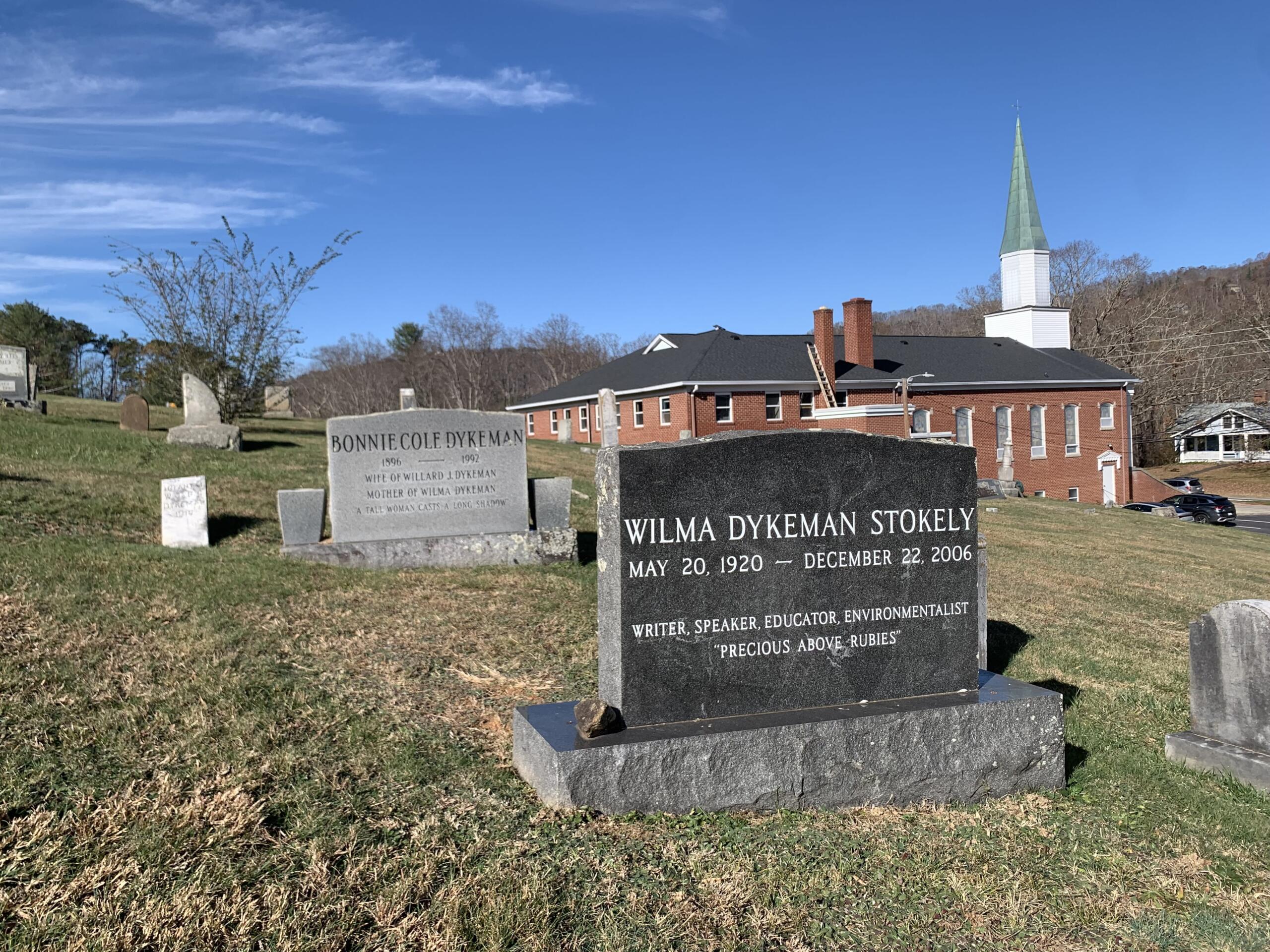
Tombstone Tales: Asheville’s River Champion, Wilma Dykeman Stokely

Wilma Dykeman Stokely, often called the “First Lady of Appalachian Literature,” helped shift public attention toward the French Broad River’s pollution and cleanup.
-
Tombstone Tales: Gig Young’s shocking murder‑suicide and his grave in WNC

Gig Young’s rise, fall and violent final act still echo from Manhattan to the mountains, where he’s buried under his real name.
-
Tombstone Tales: The man who helped light America

A Connecticut-born pioneer of electric lighting and his North Carolina wife rest in Asheville’s Riverside Cemetery, their stories entwined with industry, innovation and philanthropy.
-
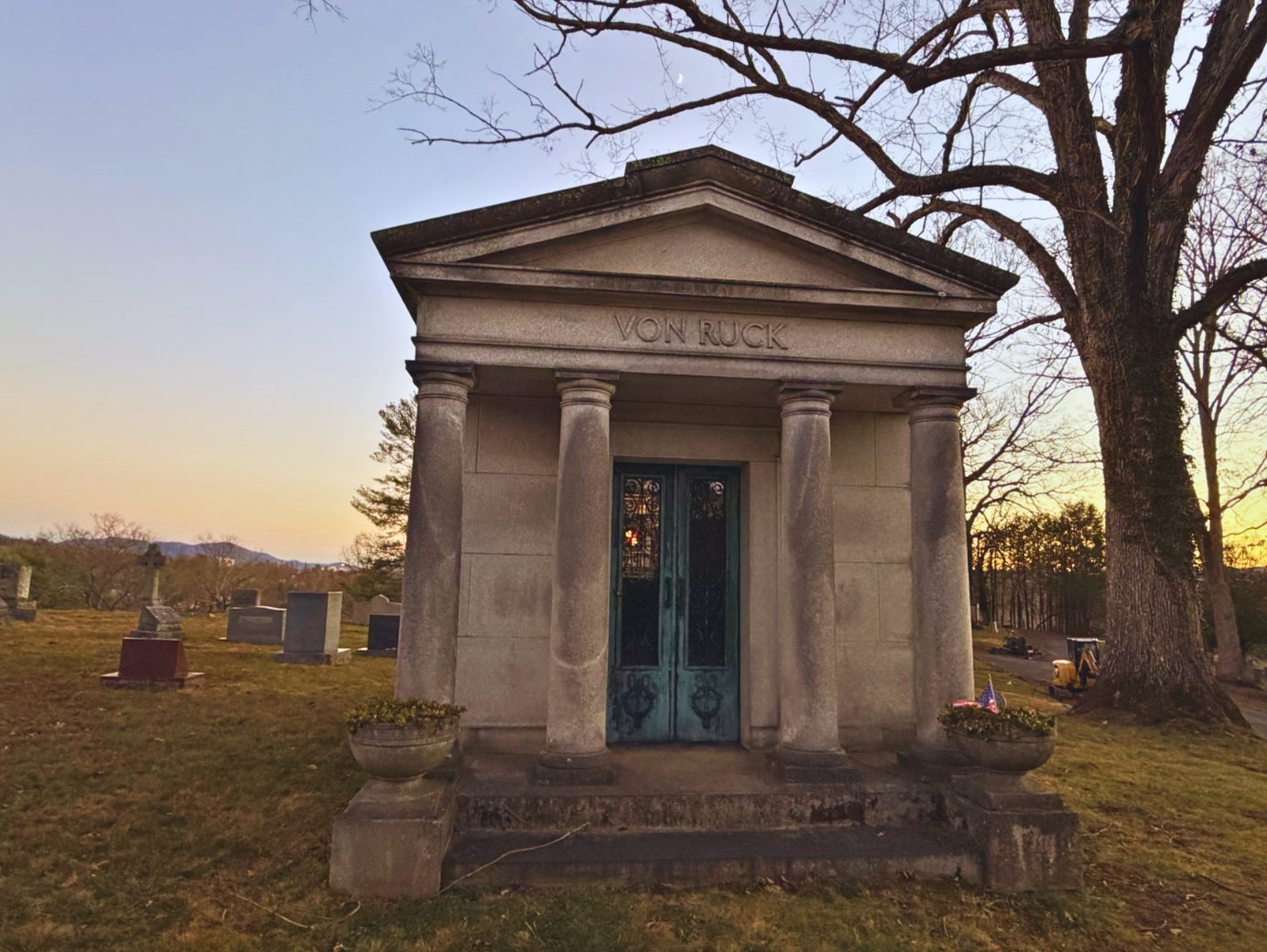
Tombstone Tales: The Von Ruck Mausoleum and Asheville’s literary ties
A story that runs from Asheville’s tuberculosis era to Thomas Wolfe’s fiction and early American horror.
-
Tombstone Tales: A Revolutionary War Soldier at Canton’s Locust Field
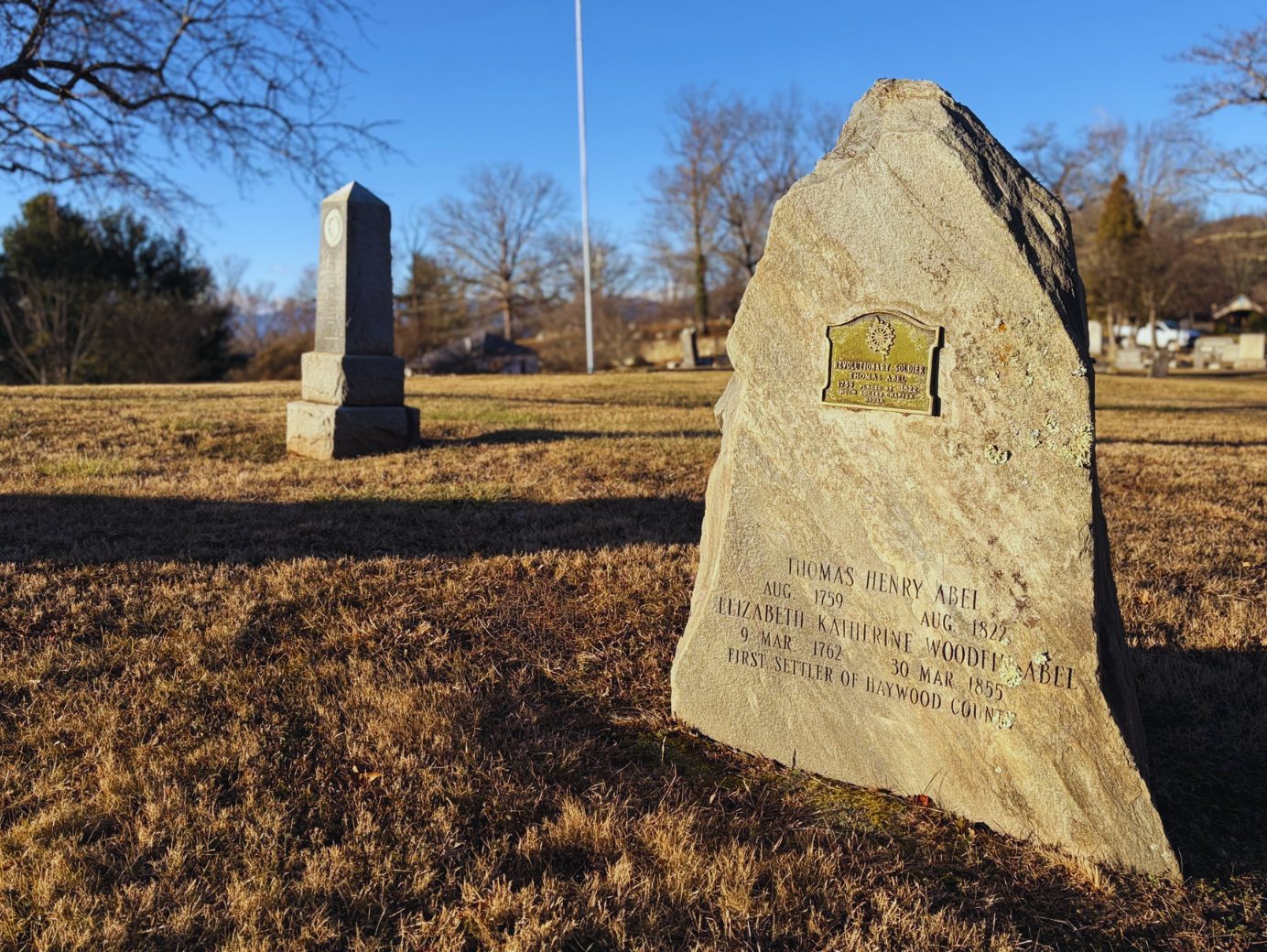
A Revolutionary War pension file and a Canton gravesite connect Thomas Abel’s Virginia enlistment to his final resting place in Haywood County.