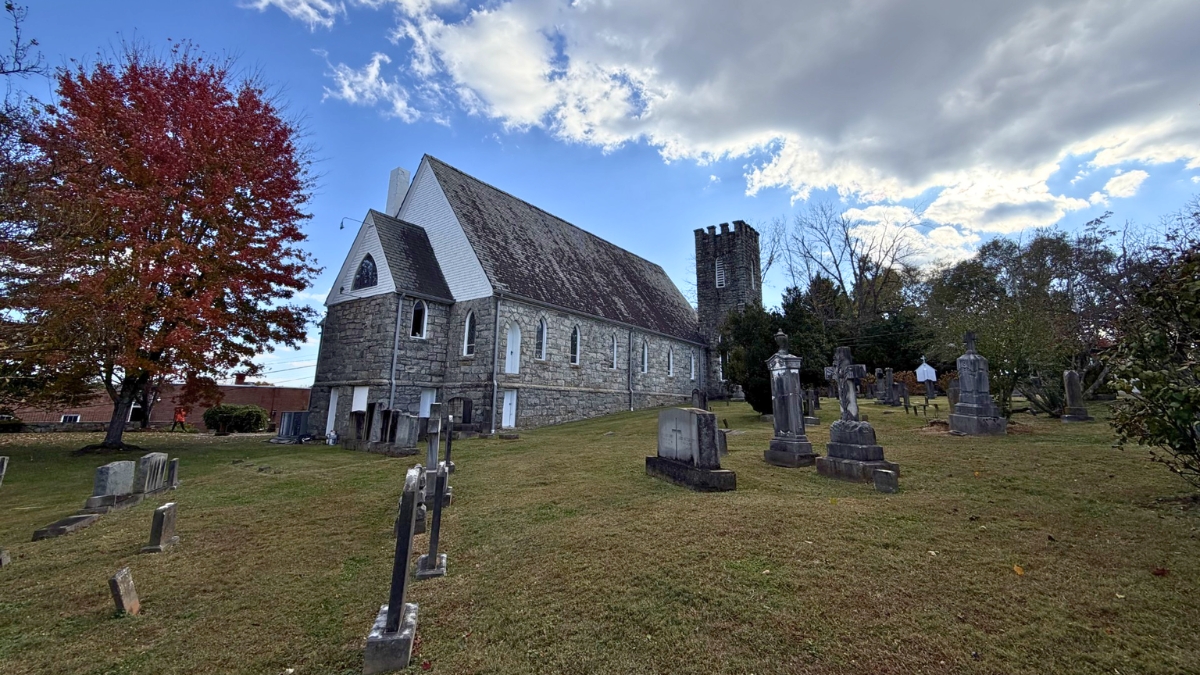

Editor’s Note: Western North Carolina is rich with untold stories—many resting quietly in local cemeteries. In this Tombstone Tales series, we explore the lives of people from our region’s past whose legacies, whether widely known or nearly forgotten, helped shape the place we call home.
MORGANTON, N.C. (828newsNOW) – In a shaded corner of Grace Episcopal Church Cemetery, a stone monument marks the resting place of a man who once stood out in almost every room he entered. Dr. William Caldwell Tate was more than 6 feet tall, broad-shouldered, red-haired and known across Burke County as the physician who rode the countryside answering calls for help.
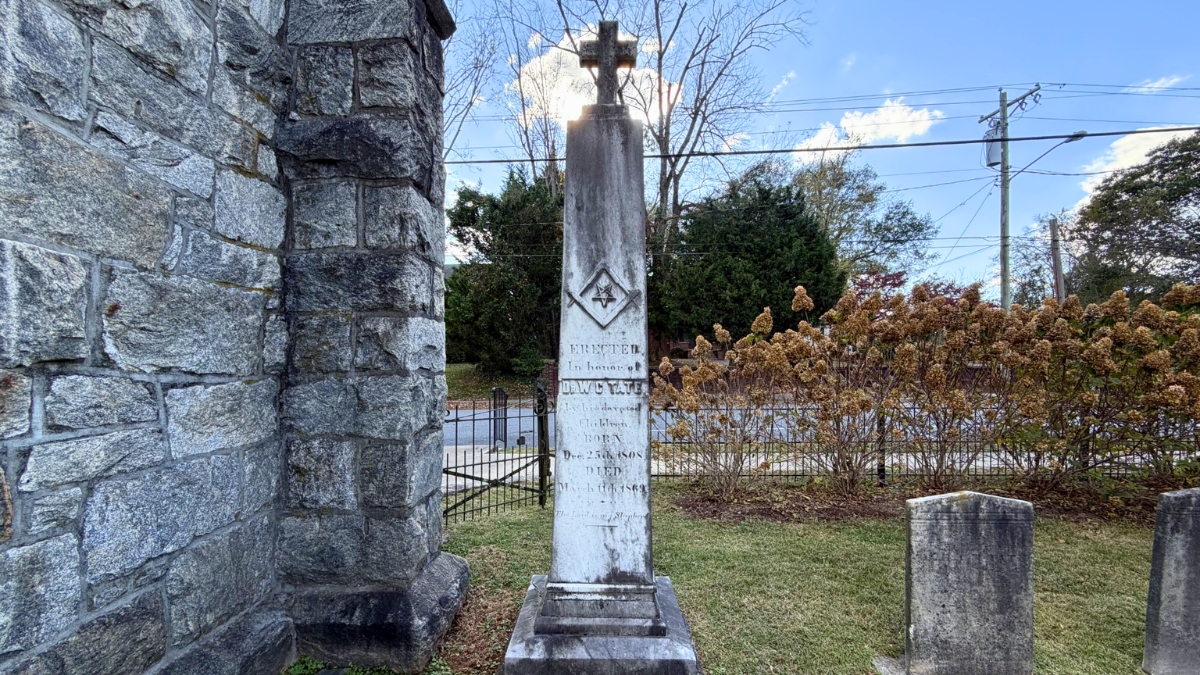
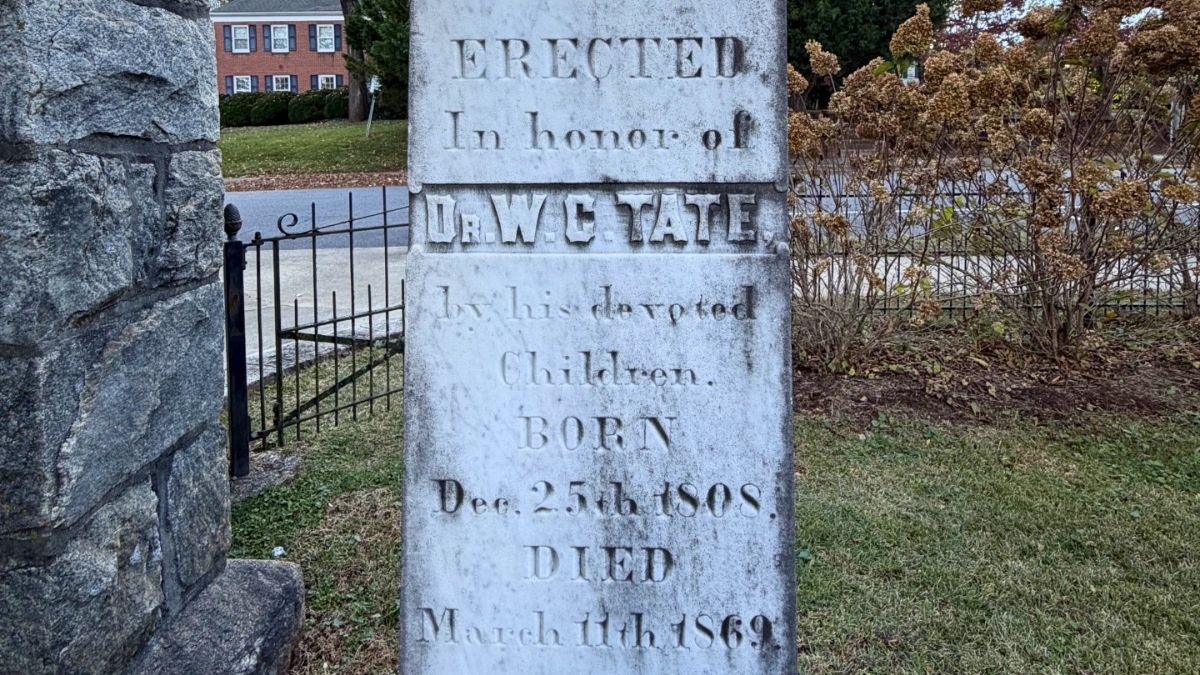
Dr. William Caldwell Tate was born on Christmas Day in 1808 in Burke County, the son of Hugh Tate and Margaret “Peggy” Erwin. He grew up in a community still young by American standards. Morganton had been established only a few decades earlier, and much of western North Carolina remained rural.
Tate cut a memorable figure. Contemporary descriptions say he stood well over 6 feet tall, weighed more than 200 pounds and had striking red hair. In a small community, a man of that stature was difficult to overlook.
Physicians were rare in the region, and those who practiced medicine often served large areas with few resources.
Tate studied at the South Carolina Medical College in Charleston, now the Medical University of South Carolina. After completing his formal education, he returned to Burke County and continued his training through a medical apprenticeship with his brother, Dr. Samuel Tate.
By the 1830s, Tate had established himself as a practicing physician in Morganton. Like many country doctors of his time, his work took him far beyond a single office. Doctors rode horseback or traveled by carriage to treat patients wherever they were needed. Illness, injury and childbirth often unfolded in farmhouses scattered across miles of countryside, and physicians like Tate became familiar figures on Burke County roads.
Medicine was only part of his life.
Tate also managed a farm along the Catawba River, balancing the demands of agriculture with the responsibilities of his medical practice. Records also describe him as active in Morganton’s civic life during a period of steady growth in the town.
During the Civil War, Tate served as surgeon general of the 5th Division of the North Carolina Militia, a role that placed him among the physicians responsible for caring for soldiers and coordinating medical treatment during one of the most turbulent periods in the state’s history.
His family life tied him to another thread of American history.
Tate married Laura Wilson, the widow of Marshall Tate Polk, the youngest brother of President James K. Polk. Laura was a devout Episcopalian, and that faith helped shape where Tate was buried. Although he was a Presbyterian, his connection to Laura and her church led to his burial in the Grace Episcopal churchyard.
Together, William and Laura raised a large blended family. They had eight children together, and two children from Laura’s first marriage also lived in the household.
Dr. William Caldwell Tate died in Morganton on March 11, 1869, after a lifetime spent serving his neighbors as a physician, farmer and community figure.
Today, among the graves at Grace Episcopal Church, his monument marks the life of a doctor whose work reached far beyond the town limits and into the daily life of Burke County.
-
Tombstone Tales: The life and legacy of Dr. William Caldwell Tate in Morganton

His grave in Morganton marks the life of a nineteenth-century physician whose work carried him from country sickbeds to Civil War service.
-
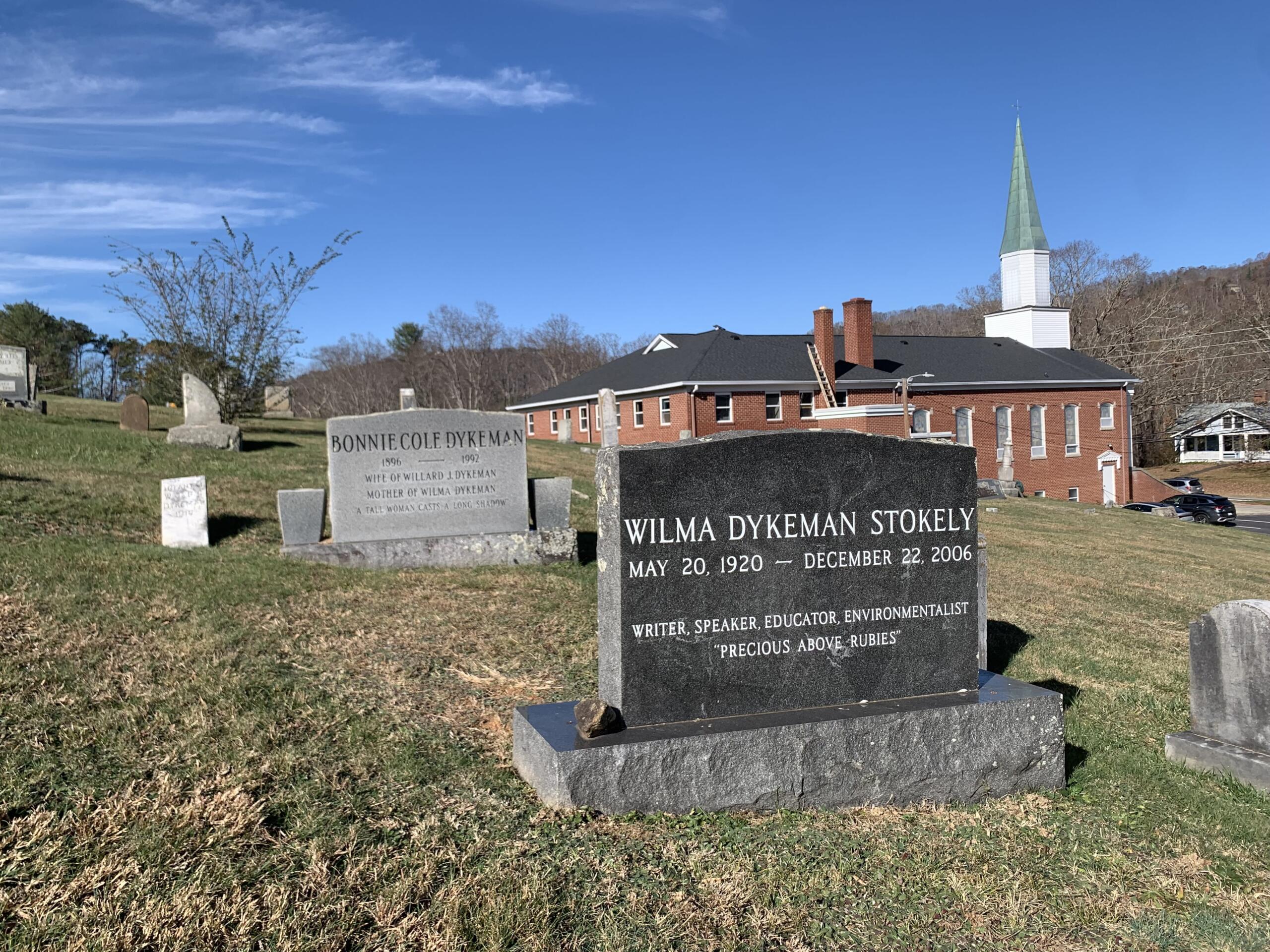
Tombstone Tales: Asheville’s River Champion, Wilma Dykeman Stokely

Wilma Dykeman Stokely, often called the “First Lady of Appalachian Literature,” helped shift public attention toward the French Broad River’s pollution and cleanup.
-
Tombstone Tales: Gig Young’s shocking murder‑suicide and his grave in WNC
Gig Young’s rise, fall and violent final act still echo from Manhattan to the mountains, where he’s buried under his real name.
-
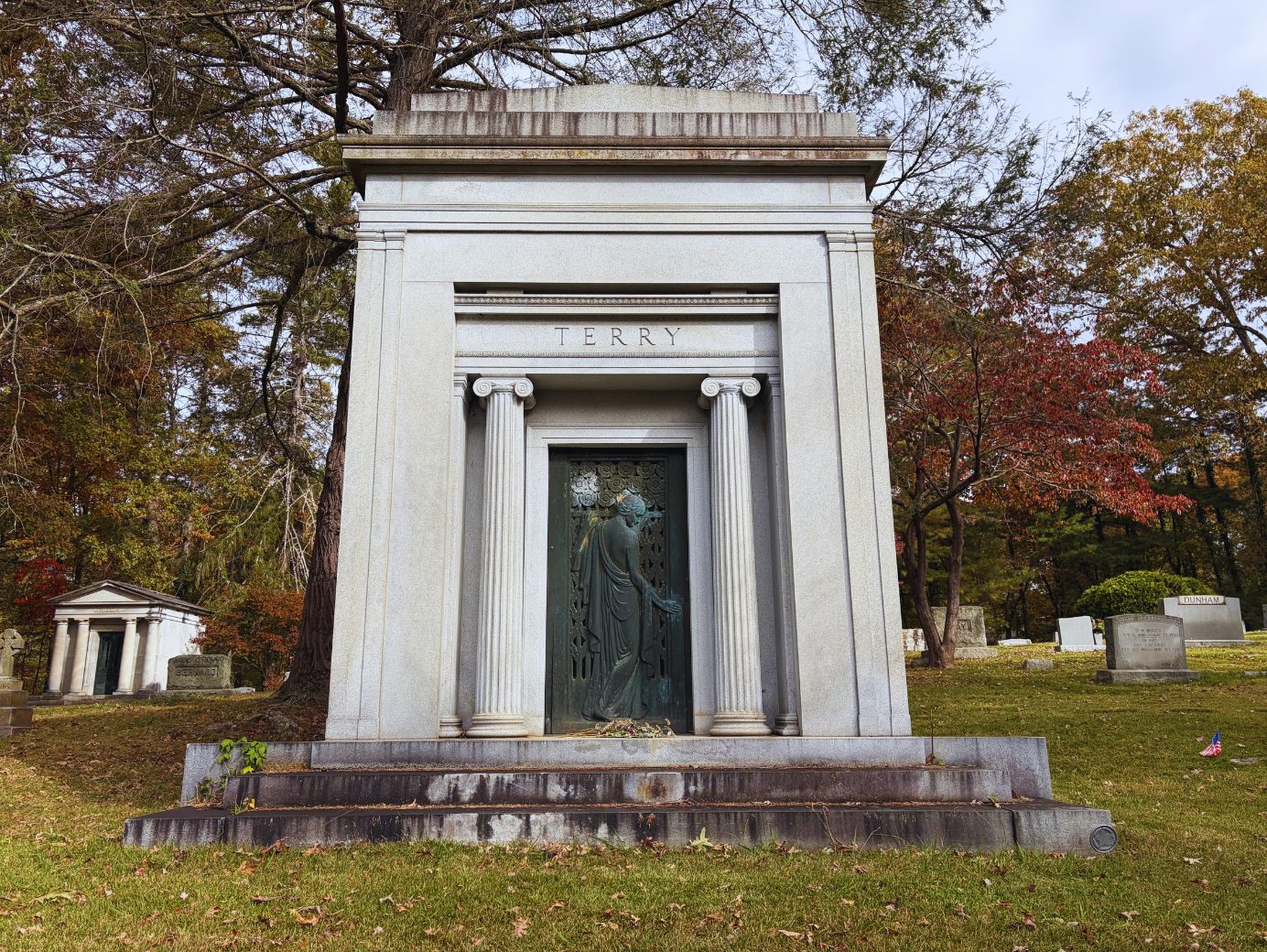
Tombstone Tales: The man who helped light America

A Connecticut-born pioneer of electric lighting and his North Carolina wife rest in Asheville’s Riverside Cemetery, their stories entwined with industry, innovation and philanthropy.
-
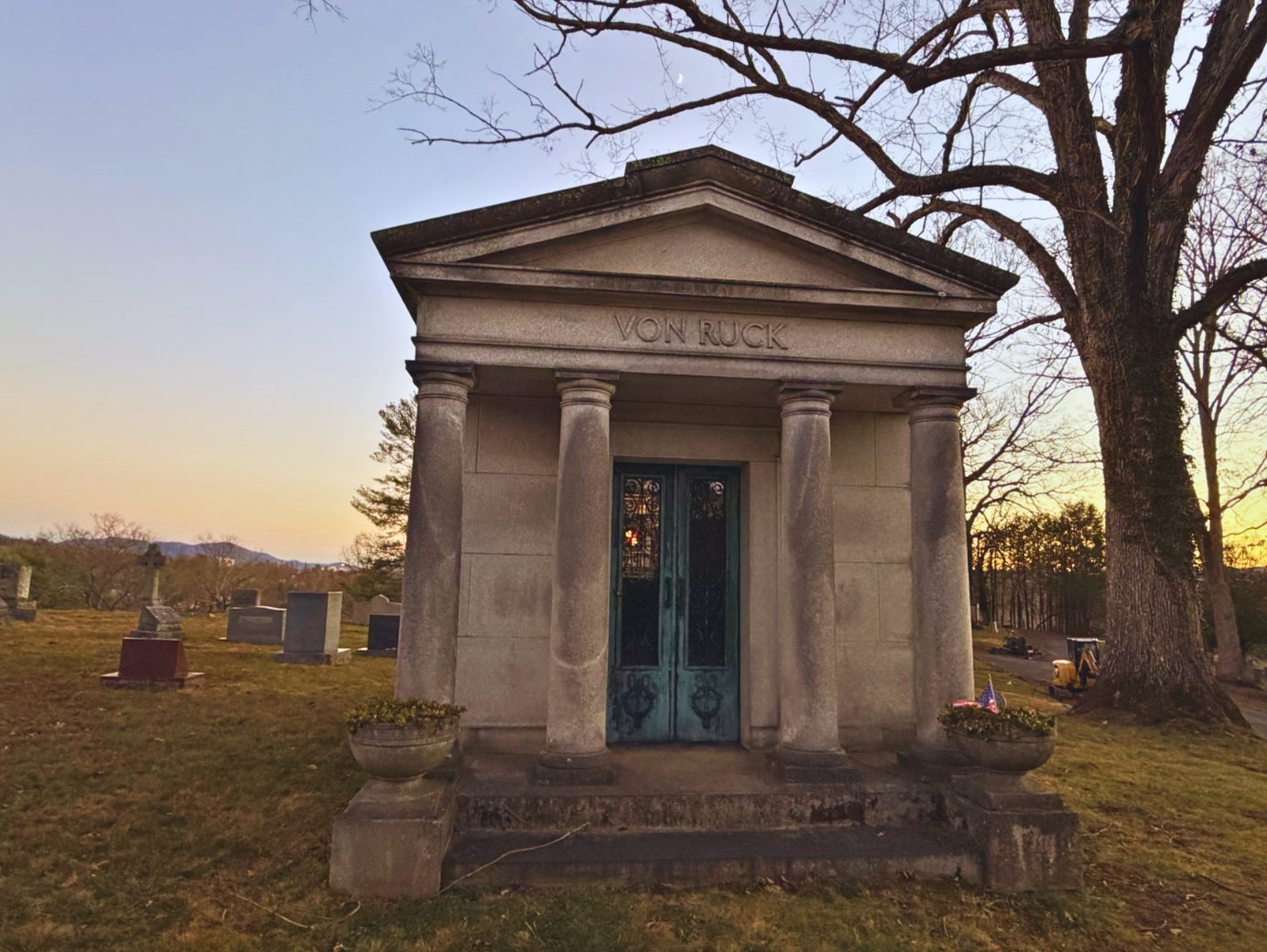
Tombstone Tales: The Von Ruck Mausoleum and Asheville’s literary ties
A story that runs from Asheville’s tuberculosis era to Thomas Wolfe’s fiction and early American horror.