
Editor’s Note: Western North Carolina is rich with untold stories—many resting quietly in local cemeteries. In this Tombstone Tales series, we explore the lives of people from our region’s past whose legacies, whether widely known or nearly forgotten, helped shape the place we call home.
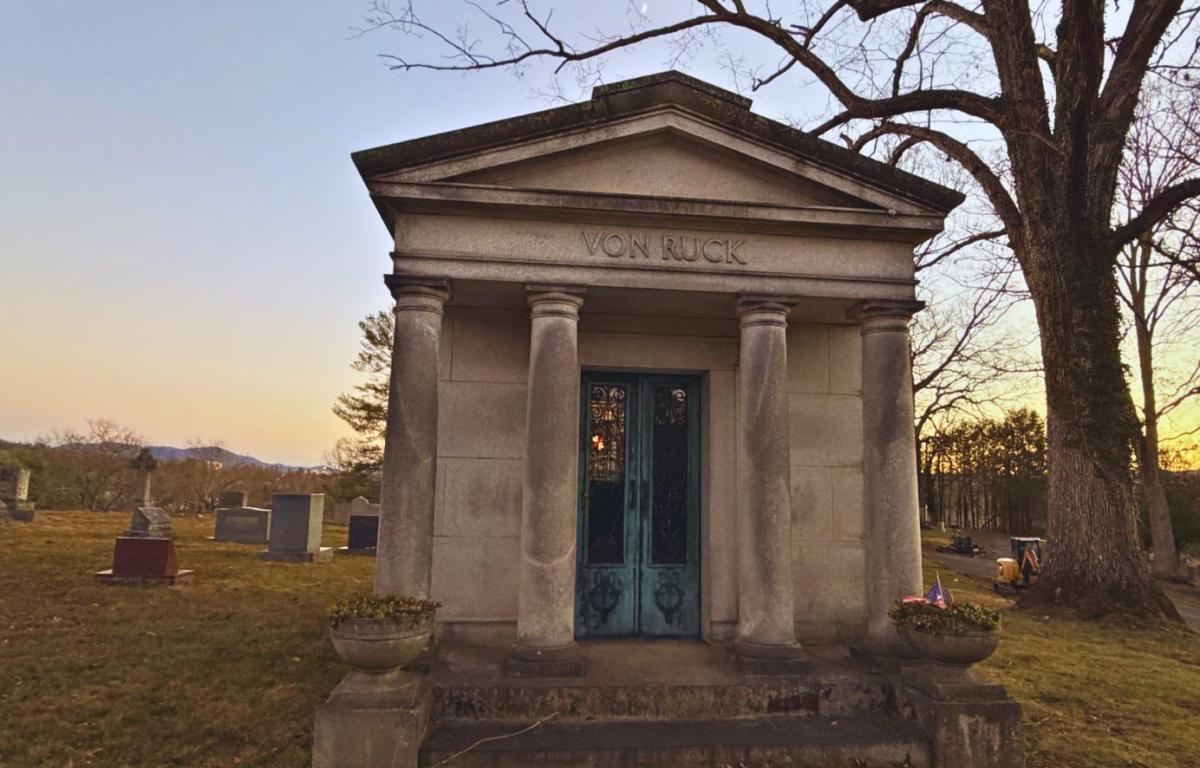
ASHEVILLE, N.C. (828newsNOW.com) — The Von Ruck mausoleum in Riverside Cemetery marks the resting place of a family central to Asheville’s tuberculosis era, with connections that reached into American literature.
Through medical research and cultural connections, the Von Ruck name became woven into the city’s identity at the turn of the 20th century.
At the center of that story is Karl von Ruck, a German-trained physician who arrived in Asheville in 1886. Born in Constantinople, now Istanbul, in 1849, von Ruck was the son of a German diplomat and received his medical education in Europe and the United States. He studied under leading medical figures, including Rudolf Virchow and Robert Koch.
Von Ruck was present in 1882 when Koch announced the discovery of the tuberculosis bacillus, a moment that reshaped medical understanding of the disease. He devoted much of his career to tuberculosis research and treatment, ultimately bringing that expertise to Western North Carolina.
After learning of Asheville’s reputation for treating respiratory illnesses, von Ruck established Winyah Sanitorium on Sunset Mountain in 1888. The Sanitorium was one of the earliest institutions in the United States dedicated exclusively to tuberculosis care.
He later founded the Von Ruck Research Laboratory for Tuberculosis, contributing to national discussions about treatment and prevention during a time when tuberculosis was one of the leading causes of death.
Von Ruck’s work helped draw patients, physicians and investment to Asheville, reinforcing the city’s identity as a medical destination.
Interred alongside Karl von Ruck in the family mausoleum are his wife, Delia Moore von Ruck, and their son, Dr. Silvio Henry von Ruck, who followed his father into medical research and practice. Silvio later became director of Winyah Sanatorium, continuing the family’s involvement in tuberculosis treatment.
The family experienced profound loss during the spring of 1918. Silvio died of pneumonia that April, and his teenage daughter died just days later. Delia von Ruck died in 1921, followed by Karl in 1922.
The mausoleum also holds Silvio’s widow, Hurley von Ruck, whose later life connected the family to an unexpected literary legacy. In 1927, Hurley published a short story titled “The Terrific Experiment” in the pulp magazine Weird Tales. The story links a family best known for medicine to the early world of American horror and fiction.
Another literary connection runs through Asheville native Thomas Wolfe, who drew heavily from the people and institutions he grew up around. In Look Homeward, Angel, Wolfe fictionalized Dr. Karl von Ruck as “Dr. Von Zeck,” weaving him into the portrayal of Asheville’s sanatorium era.
Architecturally, the mausoleum reflects the prominence of the Von Ruck family during their time in Asheville. Built in a classical style with columns and bronze doors, it remains one of Riverside Cemetery’s more recognizable family monuments. The structure’s design was common among prominent families of the period.
Visitors walking Riverside Cemetery today may pass the mausoleum without realizing the breadth of its story. Within its walls rests a legacy tied to Asheville’s growth, its struggle with disease and its lasting connection to American literature.
-
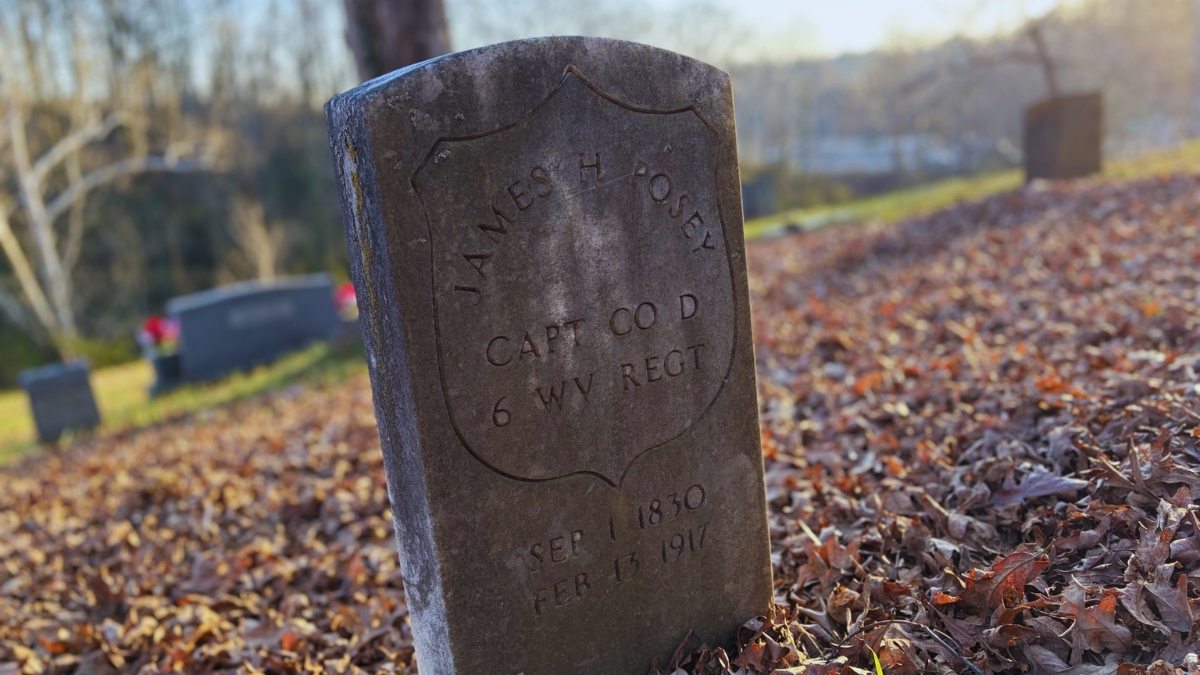
Tombstone Tales: President Lincoln’s bodyguard in Asheville

A Civil War captain known around Asheville for his faith and his stories left behind a life that still resonates.
-
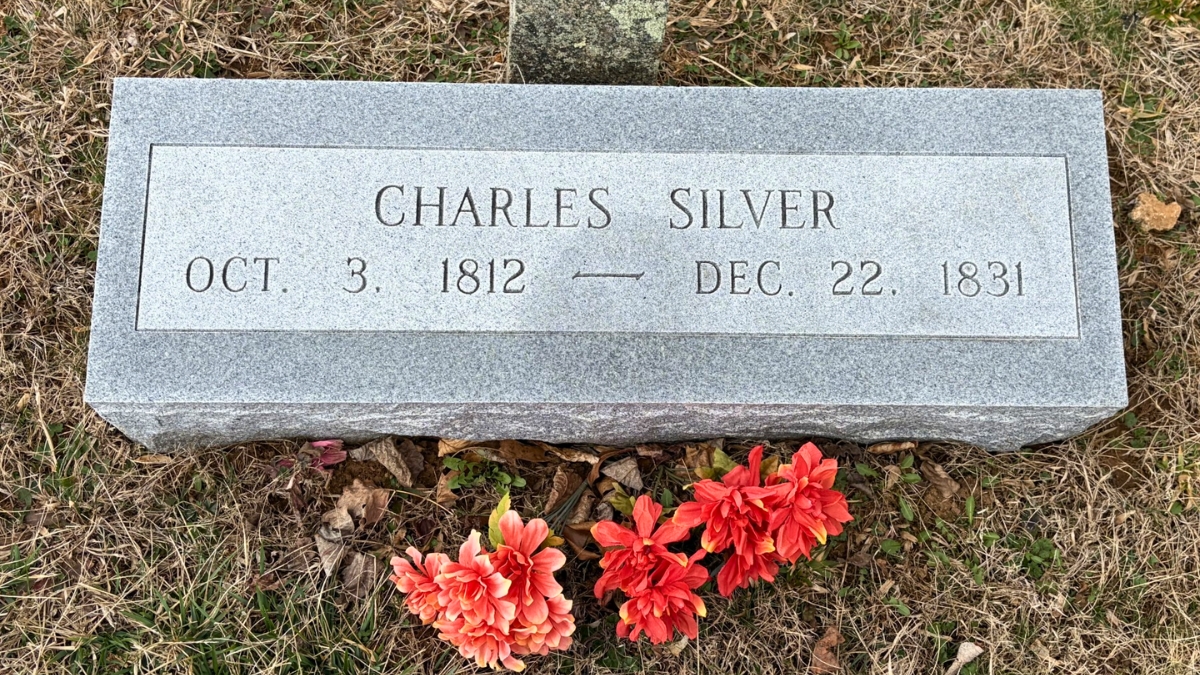
Tombstone Tales: Charlie Silver’s grave and the enduring mystery of Frankie Silver
In the Kona community near Bakersville, a quiet cemetery holds the resting place of the young man at the center of one of North Carolina’s most debated 19th-century tragedies.
-
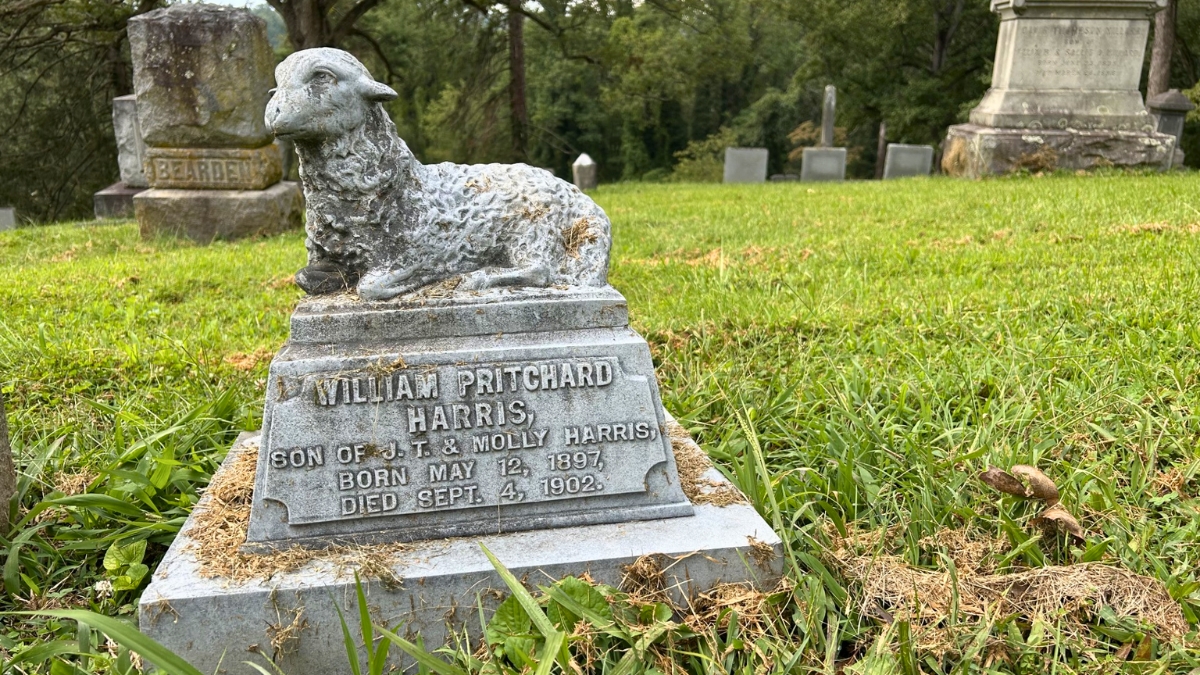
Tombstone Tales: After a dog attack in 1902, Willie Harris’ family raced to save him
After a dog attack in Asheville in 1902, 5-year-old Willie Harris was taken north for rabies treatment at a Pasteur institute, where hope briefly rose before ending in heartbreak.
-
Tombstone Tales: The life and legacy of Dr. William Caldwell Tate in Morganton
His grave in Morganton marks the life of a nineteenth-century physician whose work carried him from country sickbeds to Civil War service.
-
Tombstone Tales: Asheville’s River Champion, Wilma Dykeman Stokely

Wilma Dykeman Stokely, often called the “First Lady of Appalachian Literature,” helped shift public attention toward the French Broad River’s pollution and cleanup.