


Site of deep spiritual and historical significance has been outside tribal control for nearly 200 years
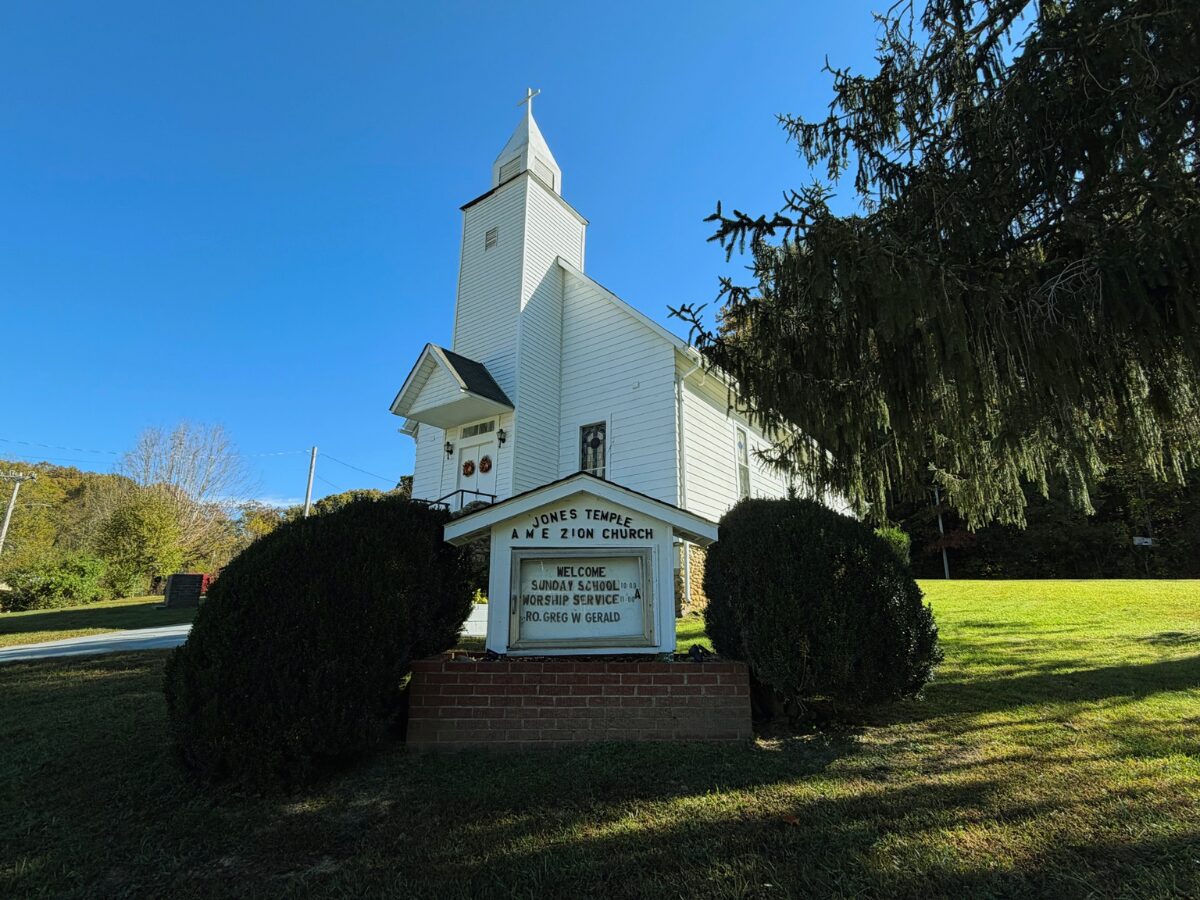
Founded in the late 19th century, Jones Temple AME Zion stands as a link to Waynesville’s historic Black community and one of the oldest church buildings still in use in Haywood County.
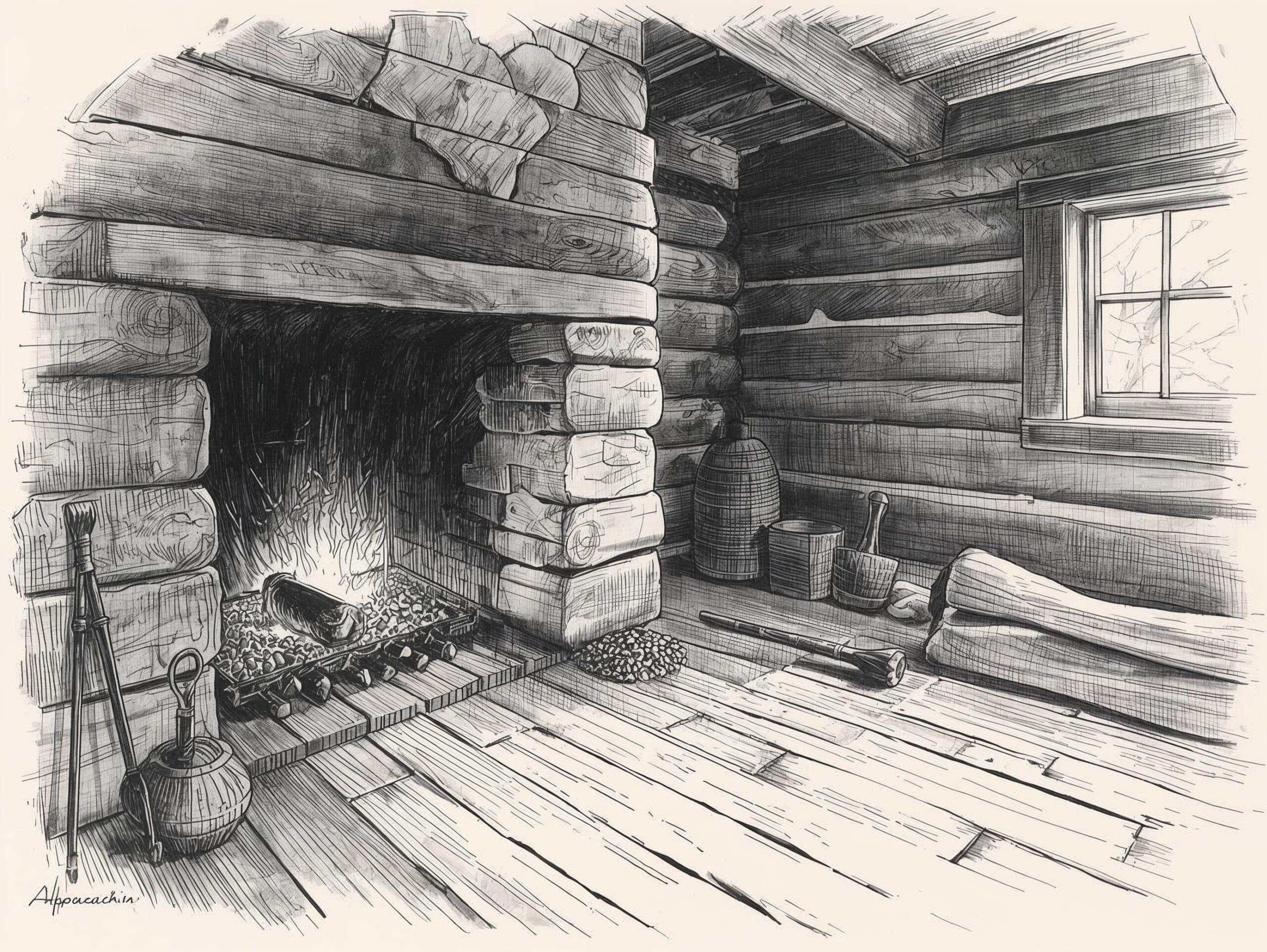
A Saluda man inherited responsibility for a family hearth fire locals say was kept alive from the Revolutionary era until 1944.

At Asheville’s Riverside Cemetery, a Biltmore-linked stonecutters memorial reveals a deeper story of labor, loss and unanswered questions.
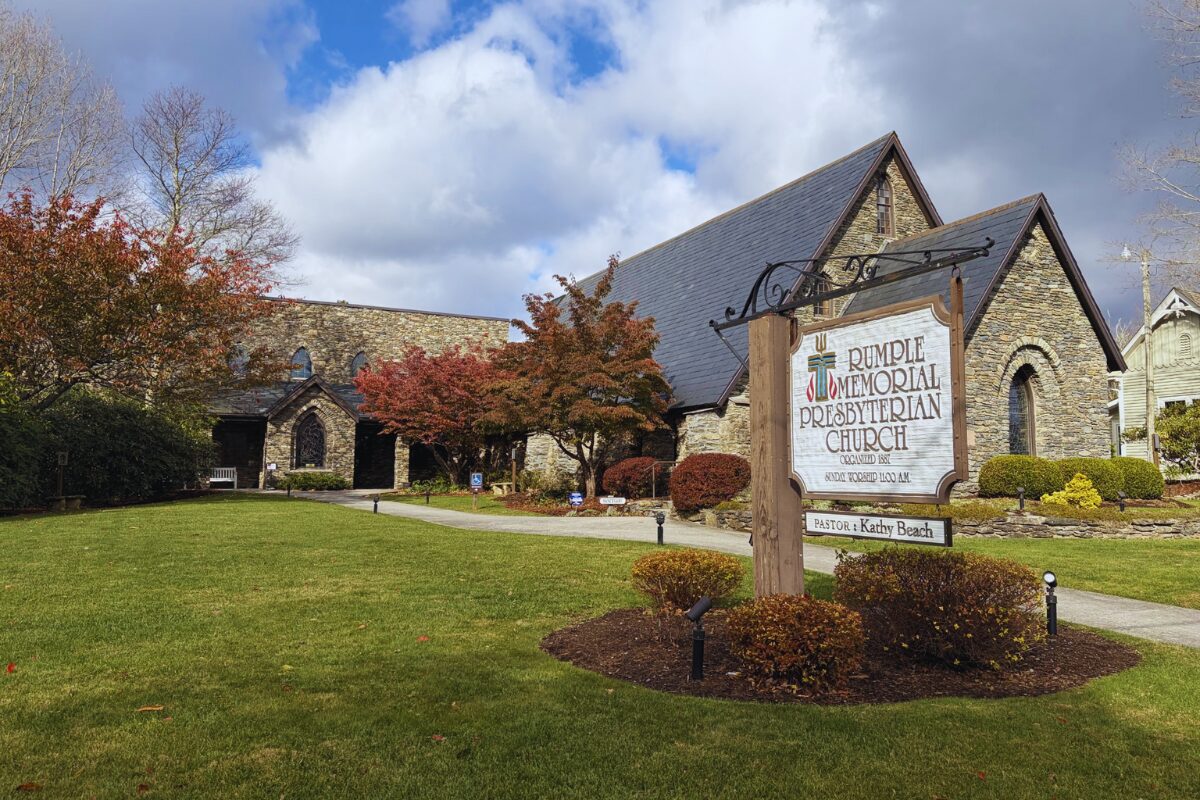
Built from mountain stone and known for its Ben Long frescoes, Rumple Memorial Presbyterian Church stands as one of Blowing Rock’s most enduring historic landmarks.
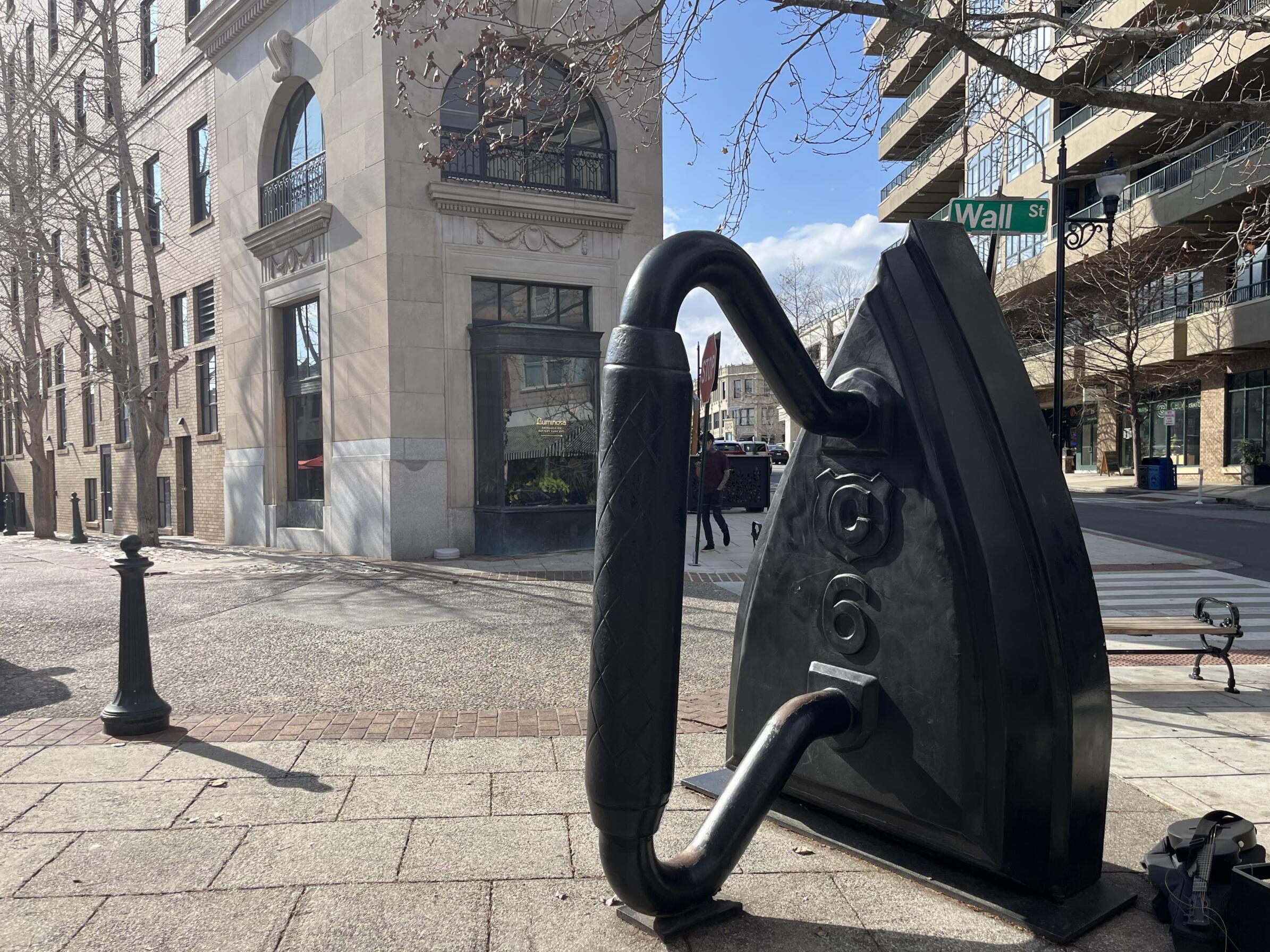
Local artist Reed Tood built a giant metal clothing iron in front of the Flatiron Building nearly 30 years ago. The monument remains a fixture of Asheville to this day.
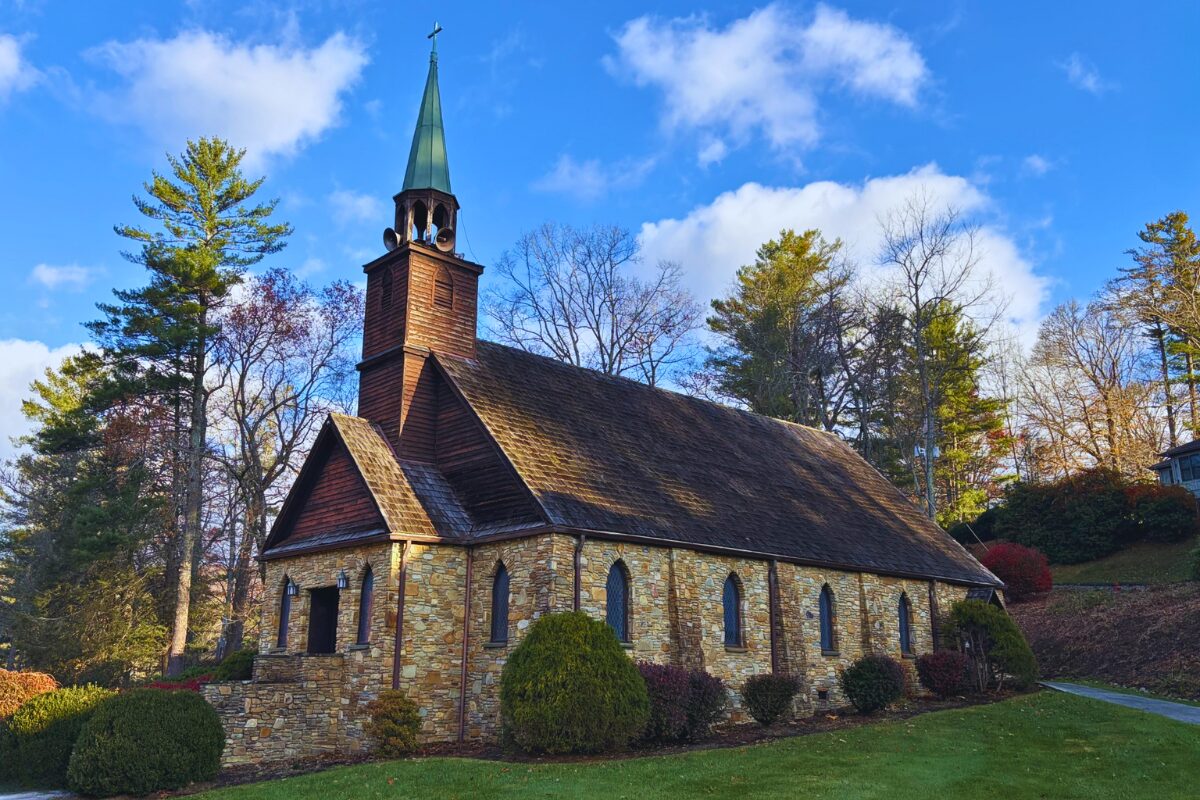
A historic stone chapel at Crossnore Communities for Children holds one of Western North Carolina’s most meaningful frescoes. Its story reflects a century of care, community and mountain history.
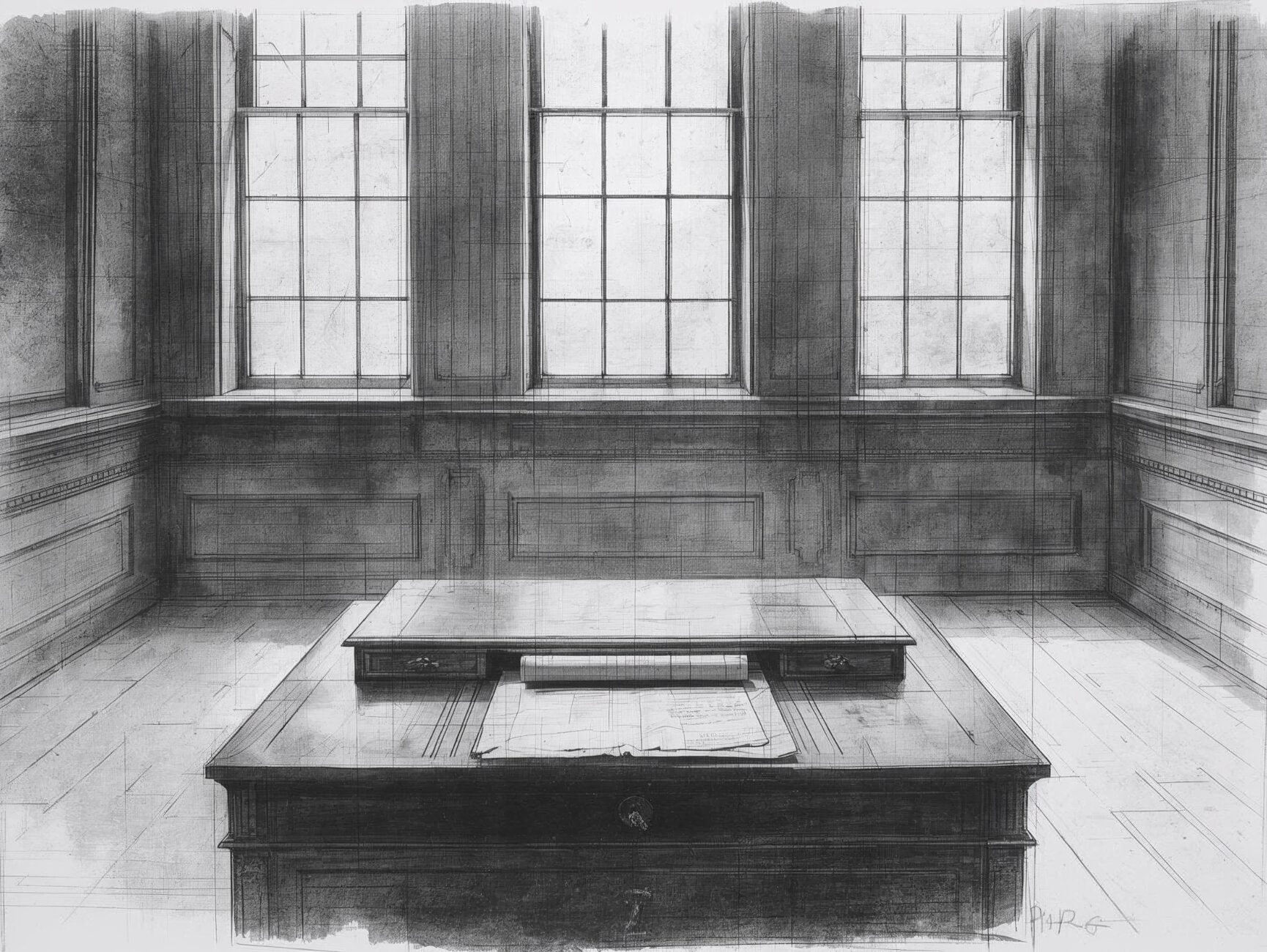
Stolen during the Civil War, North Carolina’s copy of the Bill of Rights vanished for more than a century before its recovery and a statewide tour that included a stop in Asheville.
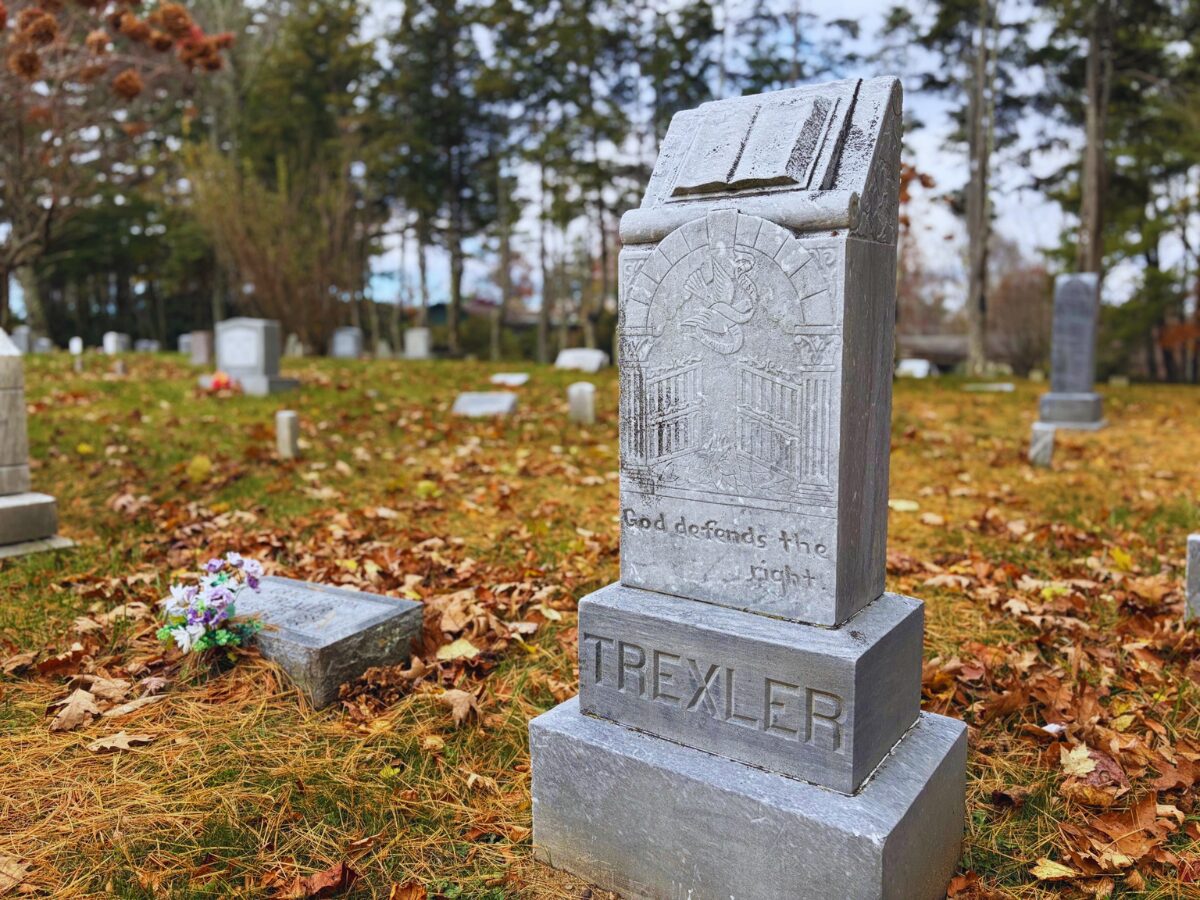
A former Blowing Rock police chief was beaten to death in 1888 over a minor debt. More than a century later, his grave tells a story of injustice, outrage and a life cut short.
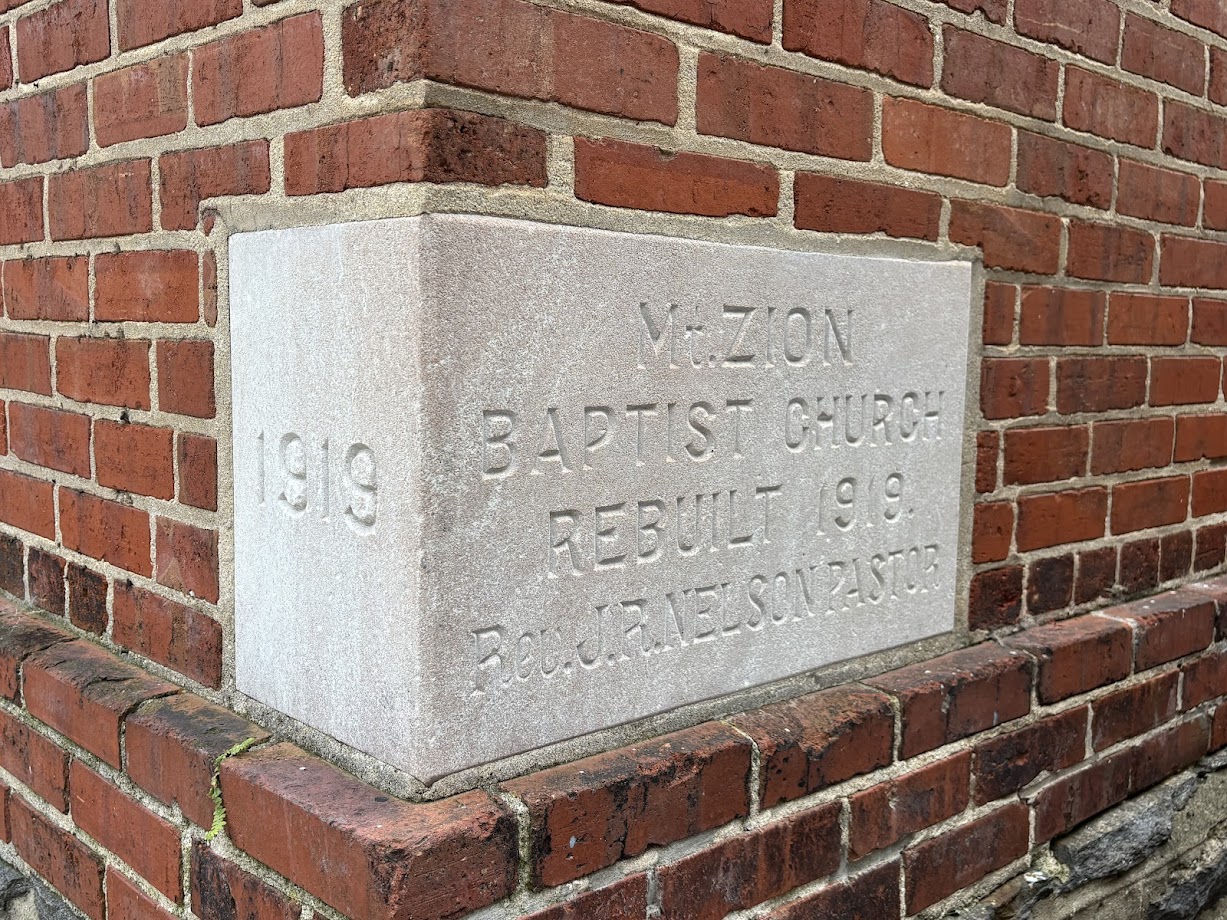
A century-old church on Eagle Street anchors Asheville’s African-American spiritual and cultural heritage.