


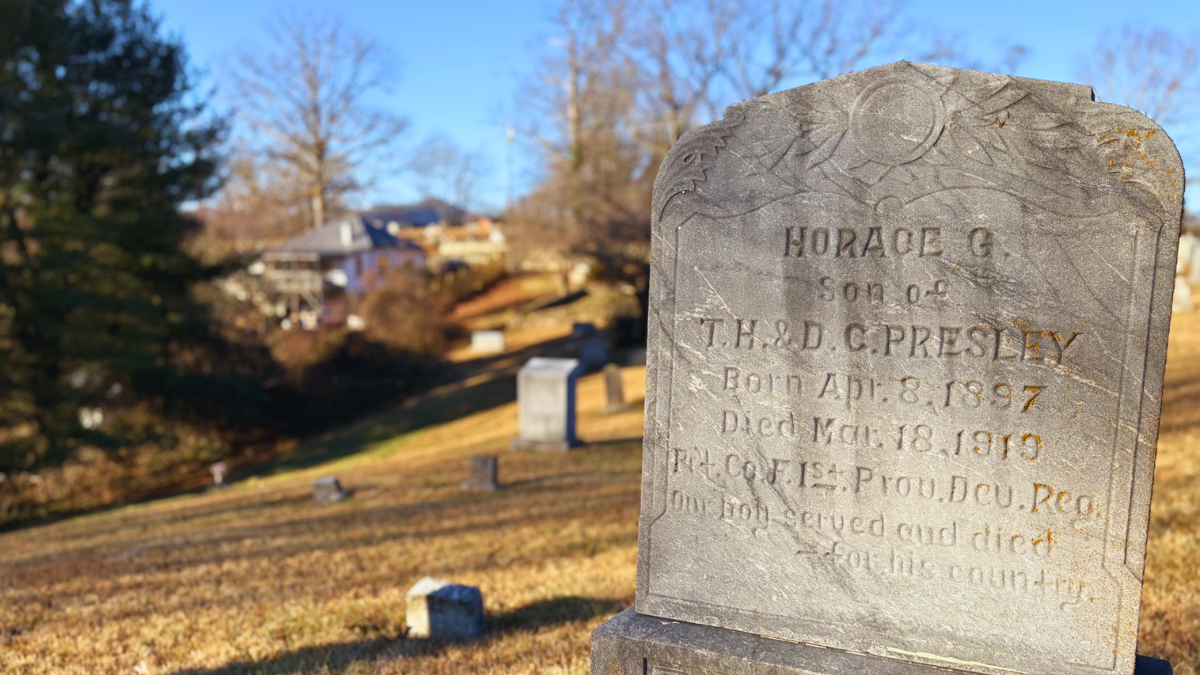
Horace G. Presley never saw a World War I battlefield. His death months after serving at an Army camp devastated by influenza reflects a question Americans faced at the time: What did it mean to die for your country?
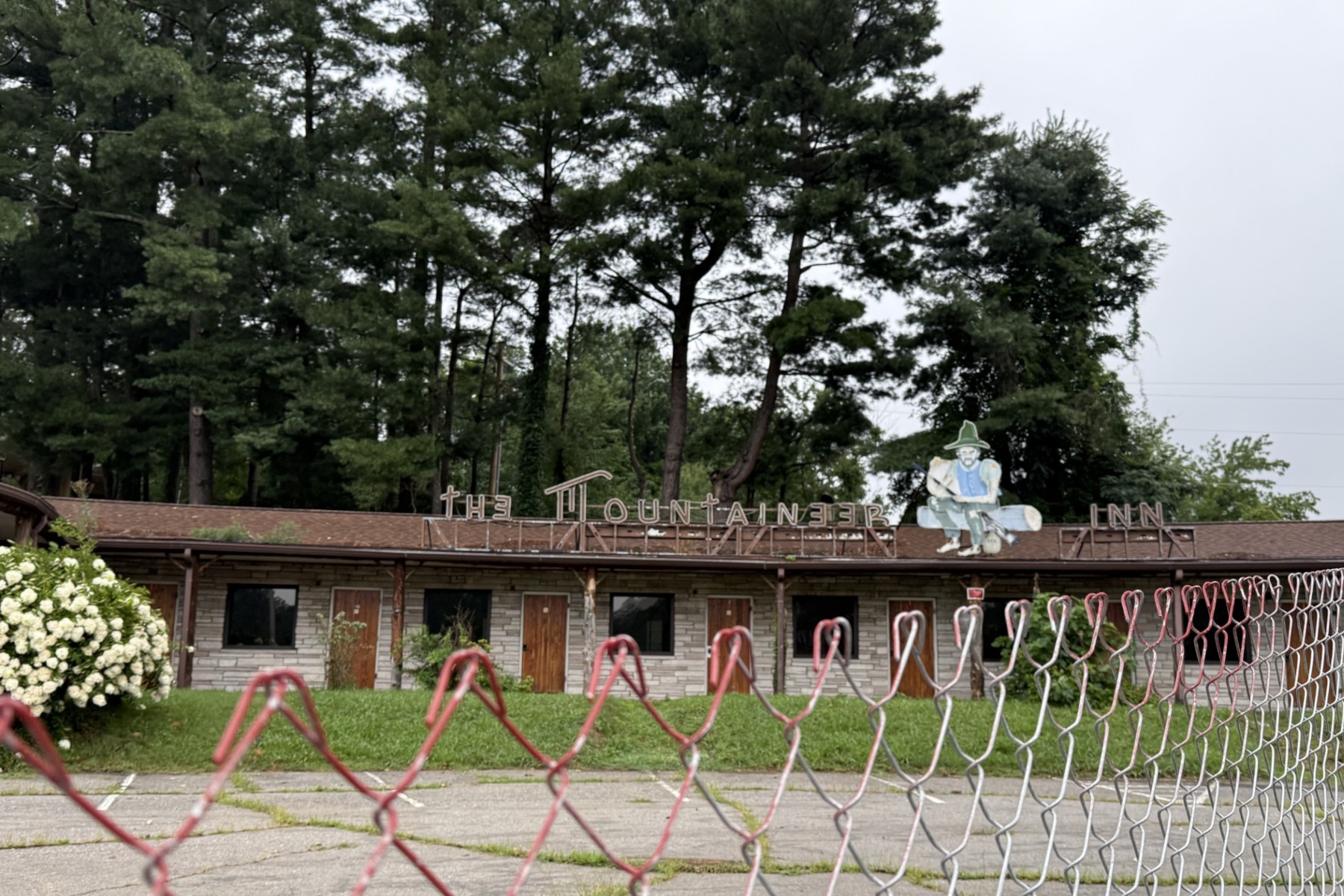
The Preservation Society of Asheville & Buncombe County has mailed in a Study List application for the Mountaineer Inn’s inclusion on the National Register of Historic Places. The application is the first step for properties under consideration for the list.
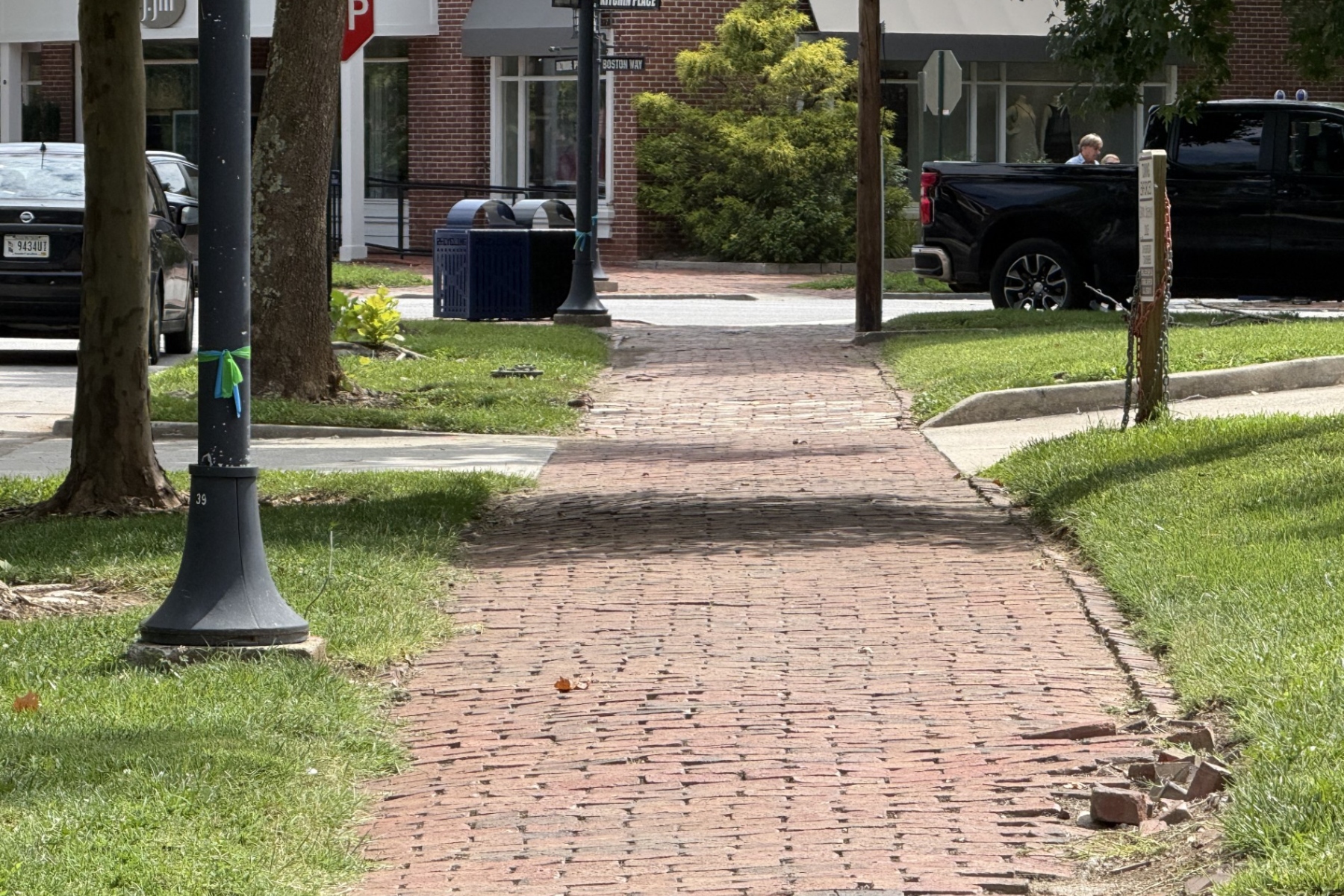
Residents can weigh in on plans to restore sidewalks, curbs, trees and pedestrian ramps damaged by Helen
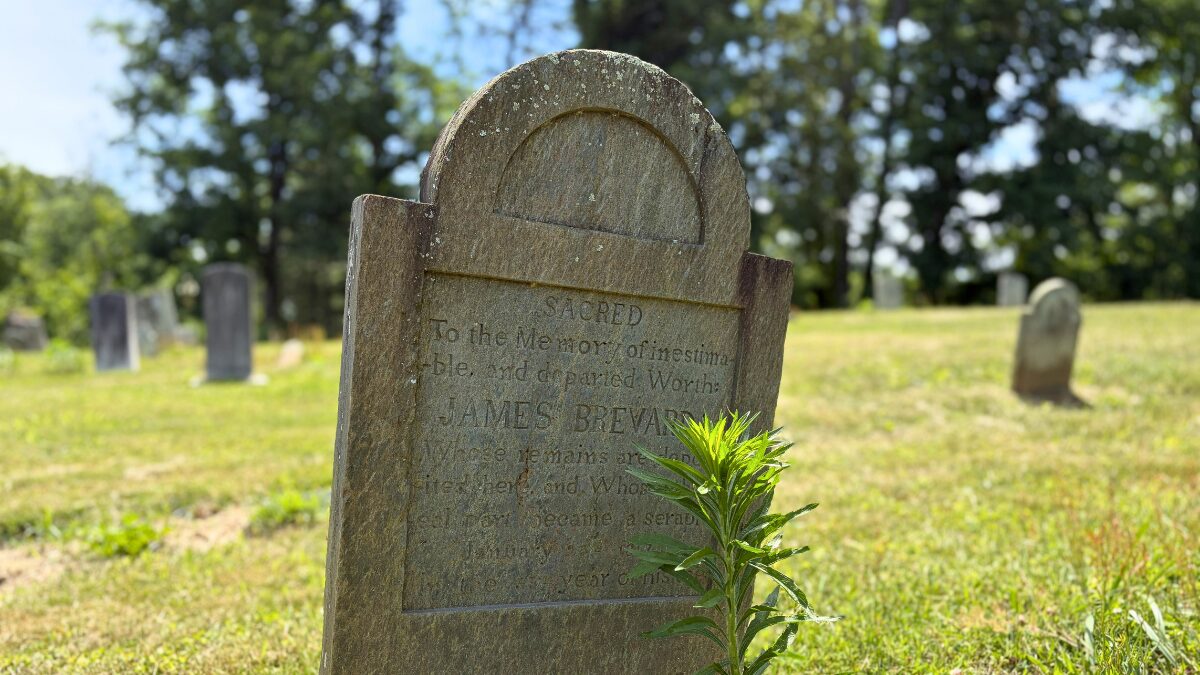
Buried at Cane Creek Cemetery in 1847, the farmer, postmaster and state legislator left a public record that helps explain an extraordinary epitaph.
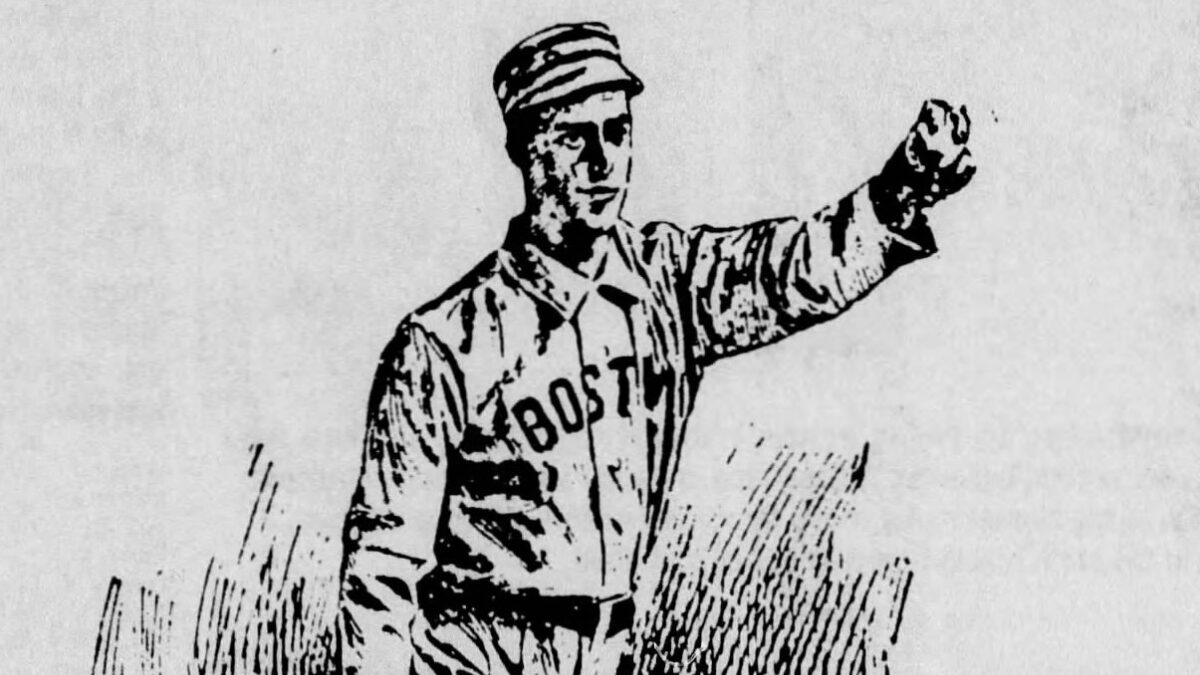
Richard “Rome” Chambers became the first known Western North Carolina native to play Major League Baseball before returning home to Buncombe County, where he died just one day before his 27th birthday.
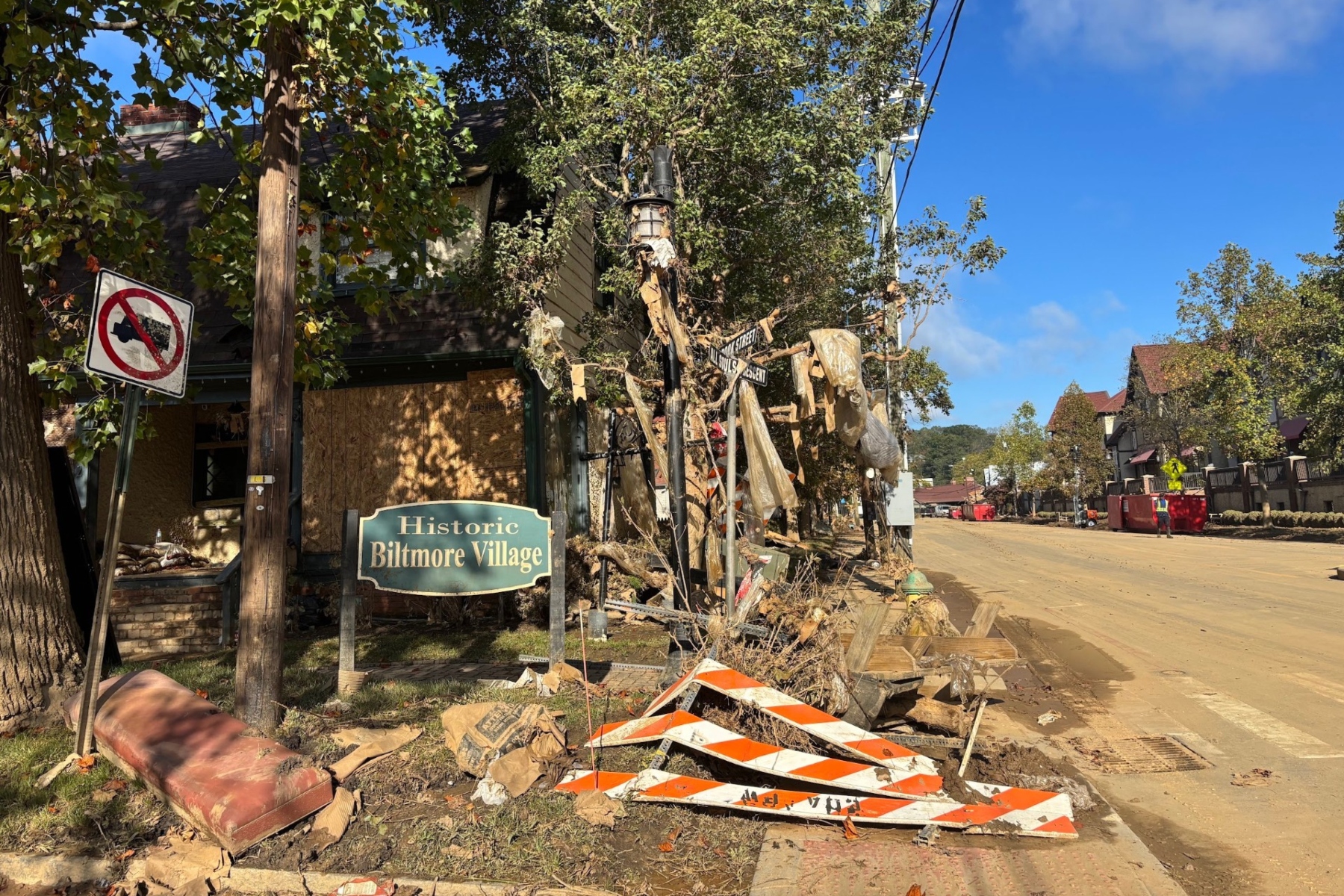
Community meeting July 22 will help shape streetscape improvements focused on sidewalks, accessibility and historic preservation
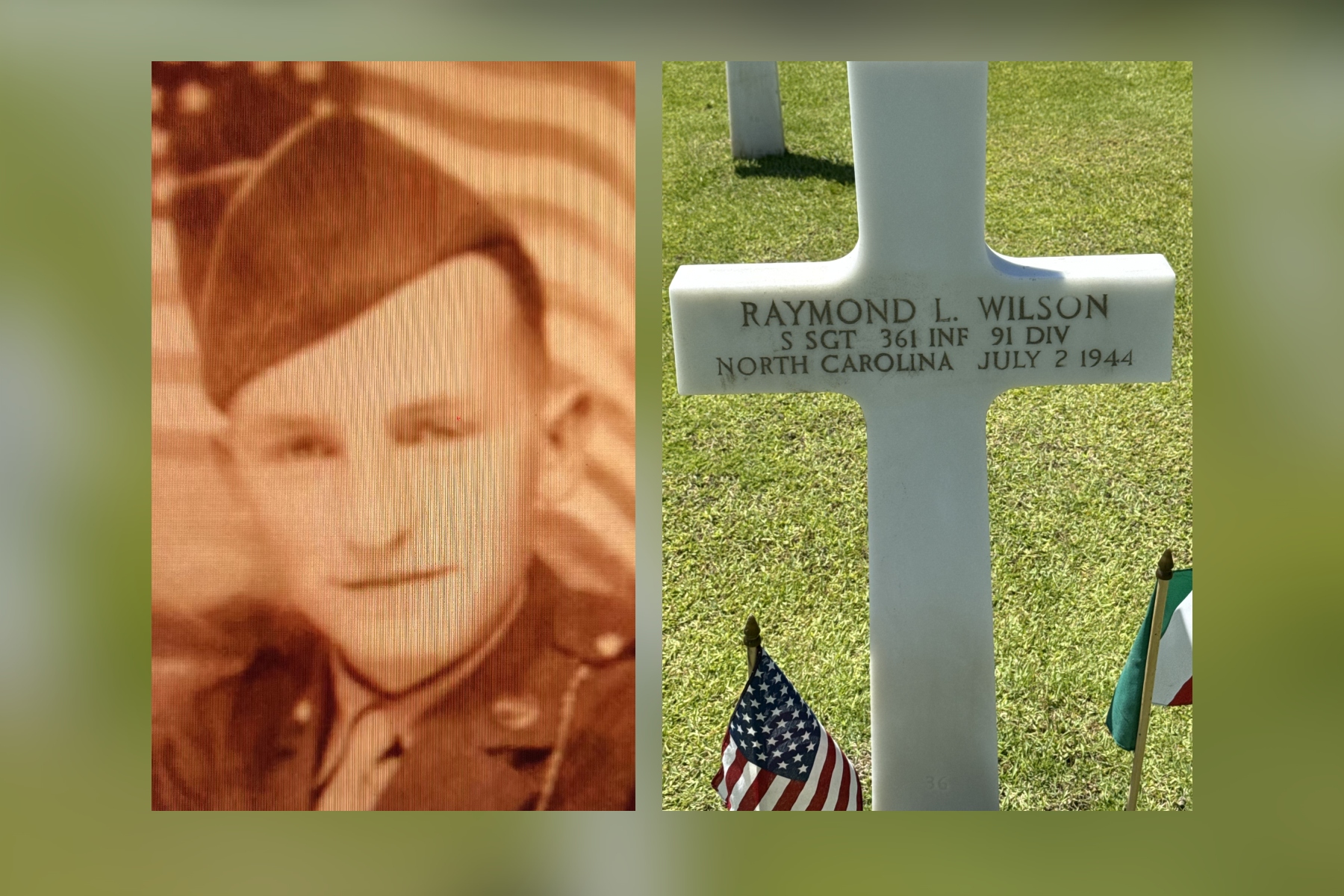
The former Beacon Manufacturing worker was killed in action in Italy in 1944, and a nephew recently fulfilled a decades-long dream by visiting his grave
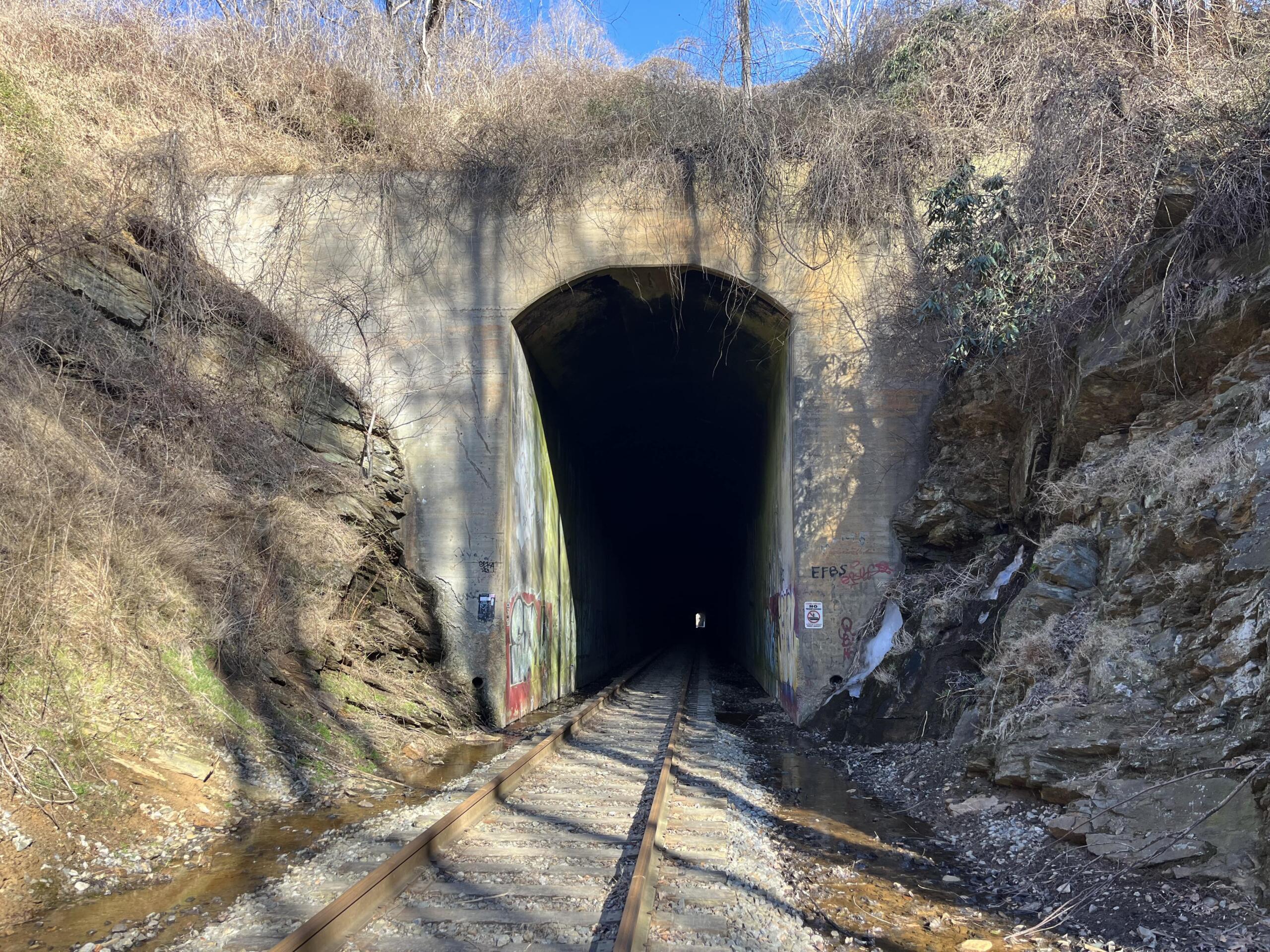
Historic districts, rail corridors and cultural landmarks across Asheville, Swannanoa Valley and Black Mountain offer immersive ways to explore the region’s past
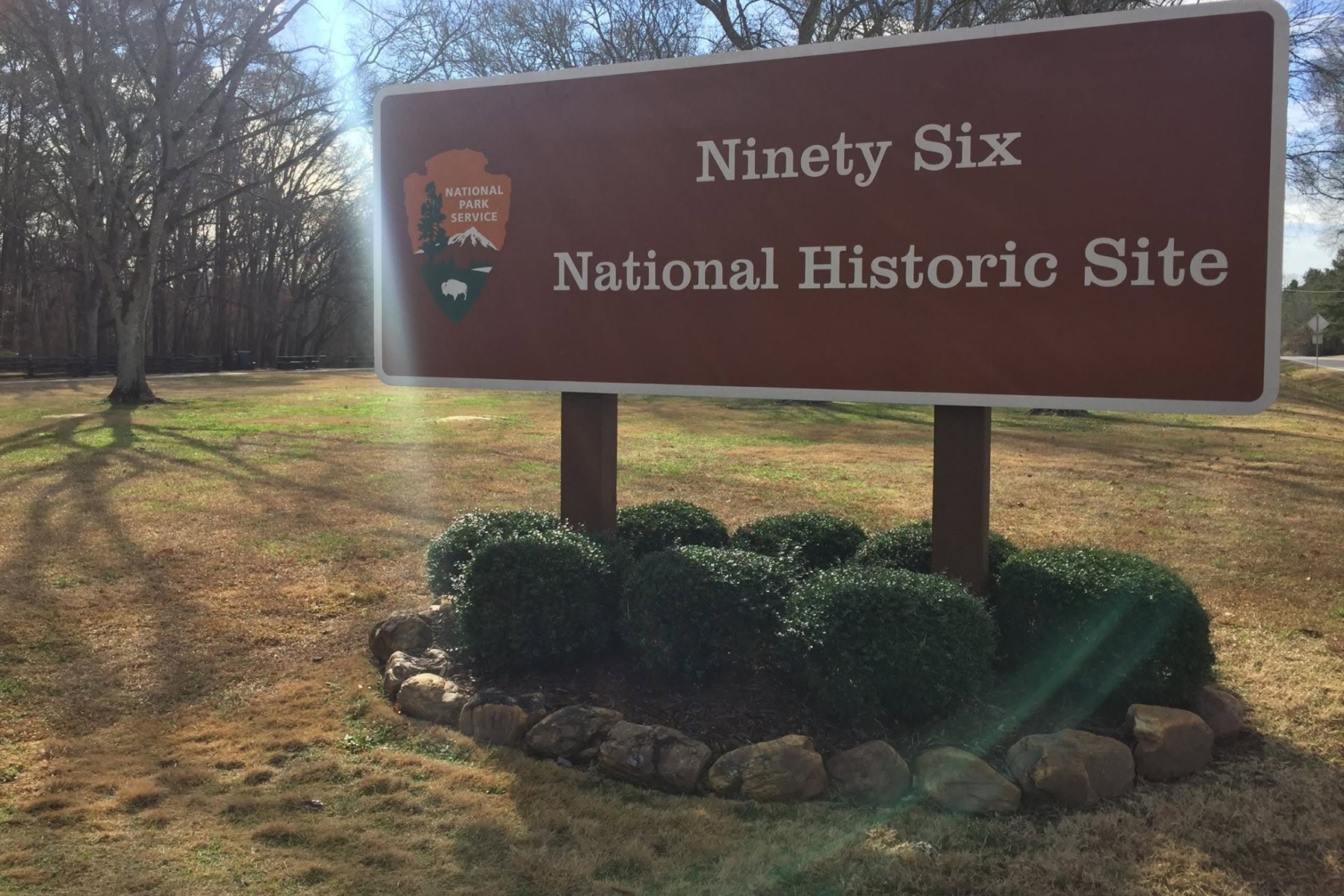
Ruth Davidson’s ride to Ninety Six remains a blend of legend and Revolutionary War history
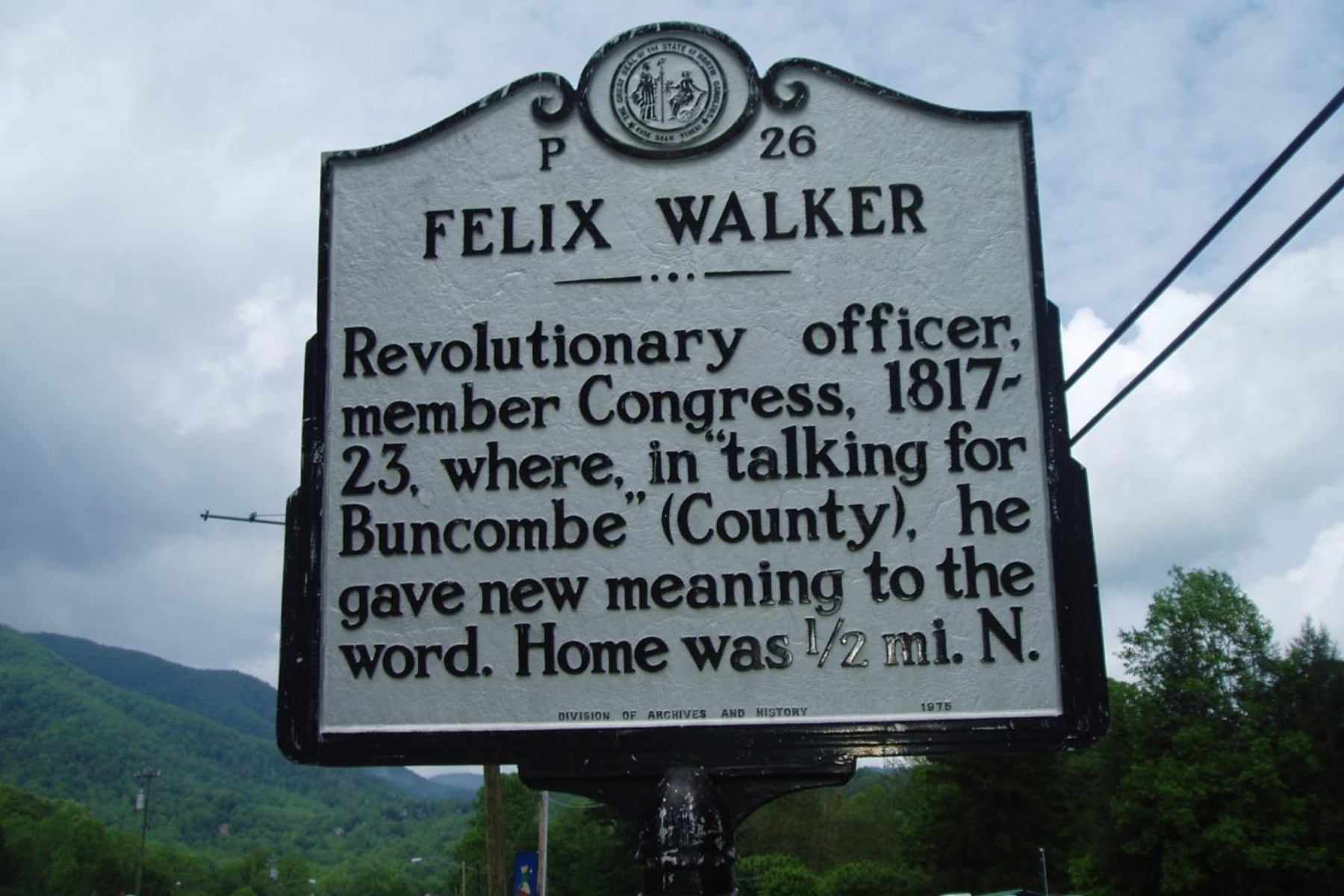
Felix Walker’s Revolutionary War background and early Asheville-area political role helped inspire a phrase still used more than 200 years later