Editor’s Note: Western North Carolina is rich with untold stories—many resting quietly in local cemeteries. In this Tombstone Tales series, we explore the lives of people from our region’s past whose legacies, whether widely known or nearly forgotten, helped shape the place we call home.
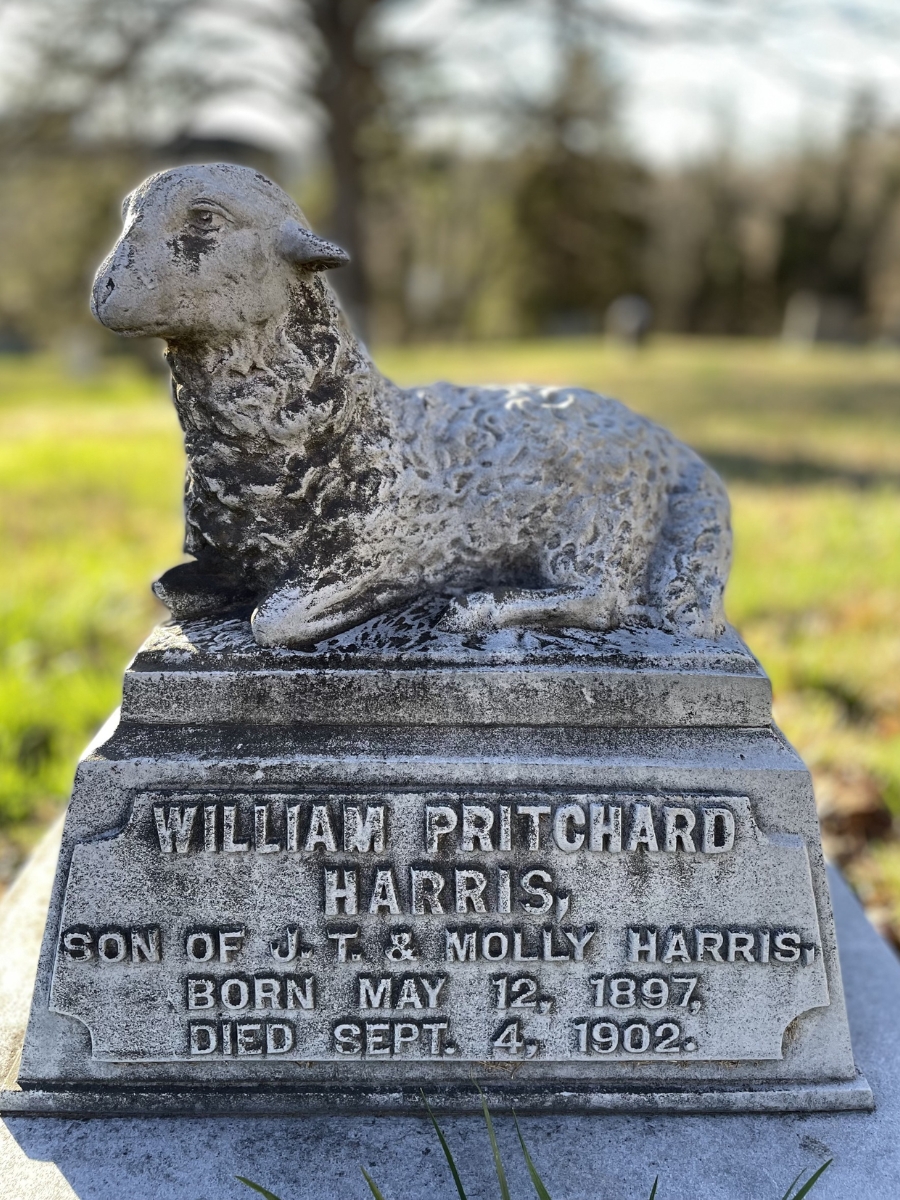
ASHEVILLE, N.C. (828newsNOW) — The lamb curled atop the grave of William Pritchard Harris looks peaceful.
The small stone figure marks the resting place of the child who died at just 5 years old. It is the kind of monument that immediately signals loss. What it does not show is how hard Willie Harris’ family fought to save him.
In August 1902, Willie, the son of Mr. and Mrs. J. T. Harris, was playing in the yard with the family’s pet bulldog when the animal attacked him. According to The Asheville Times, the injuries were severe and there were fears that one eye might have been permanently damaged.
At the time, rabies, then known as hydrophobia, was among the most feared illnesses in the country. Families knew that once symptoms appeared, there was little reason to hope. The work of Louis Pasteur had opened a narrow window of hope. Specialized institutes offered treatment, and for desperate families, that chance was worth any distance.
The Asheville Times reported that Willie’s father left Asheville with his son on the afternoon of August 12, 1902. They traveled to New York where Willie was treated at the Pasteur institute.
The treatment was recommended to Mr. Harris by an Asheville physician who noted that three children bitten by a supposed mad dog weeks earlier had gone to a Pasteur institute in Baltimore and returned pronounced cured.
For a short time, hope appeared justified.
On Aug. 19, The Asheville Times reported that Willie was improving. His right eye had begun to heal, and physicians believed the injury would not be permanent. The paper said the treatment would last 23 days and that doctors expected the boy to be discharged cured.
But the outcome turned tragic.
The newspaper included grim details from the family’s time in New York. When Willie was first taken to the institute, several physicians were called into consultation. They told his father the case was serious, though they still offered hope and promised every effort would be made to save the child.
Mr. Harris had carried the head of the dog to the institute, where authorities took virus from it and inoculated a rabbit. The rabbit died of hydrophobia 14 days later. The attendants did not inform Mr. Harris, apparently not wanting to alarm him.
According to the report, physicians gave Willie medicine and believed it would last until he reached home. But while traveling by train near Salisbury, the boy was seized with convulsions, and a doctor had to be called in.
Willie Harris died at home on September 4, 1902.
The lamb above Willie Harris’ grave still holds the ache of a truth every parent understands: if love could have saved him, Willie would have lived forever.
-
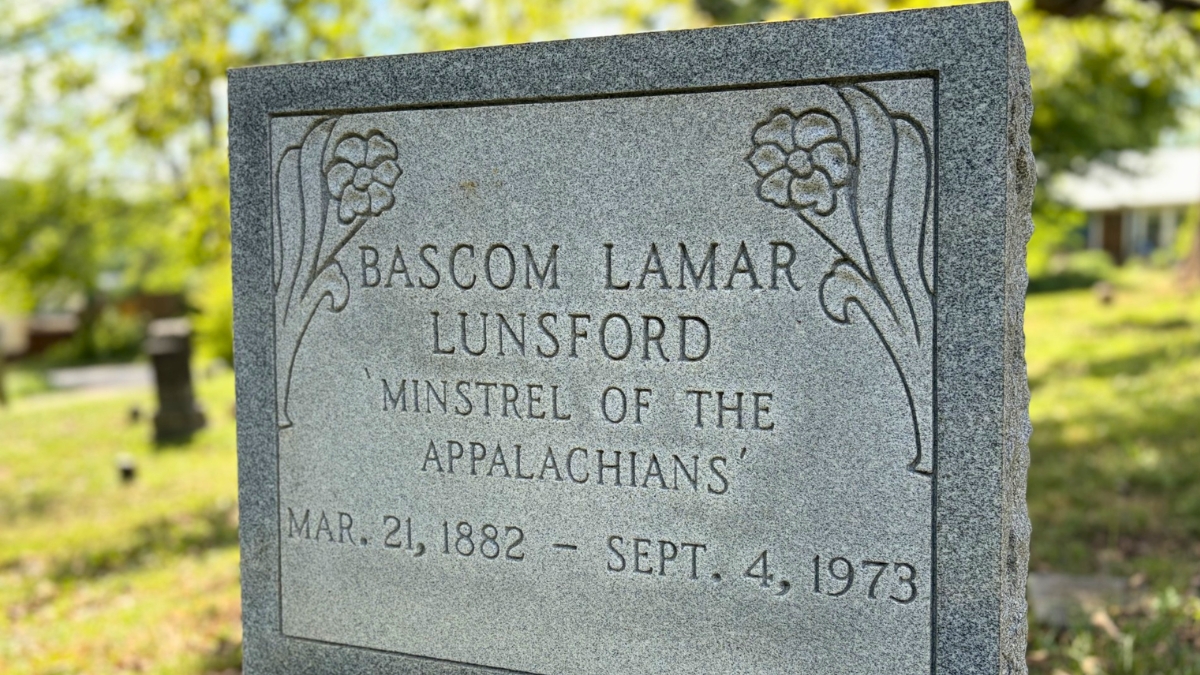
Tombstone Tales: Bascom Lamar Lunsford’s remarkable life

The Asheville lawyer, folklorist and festival organizer spent decades preserving Western North Carolina’s songs, dances and mountain traditions.
-
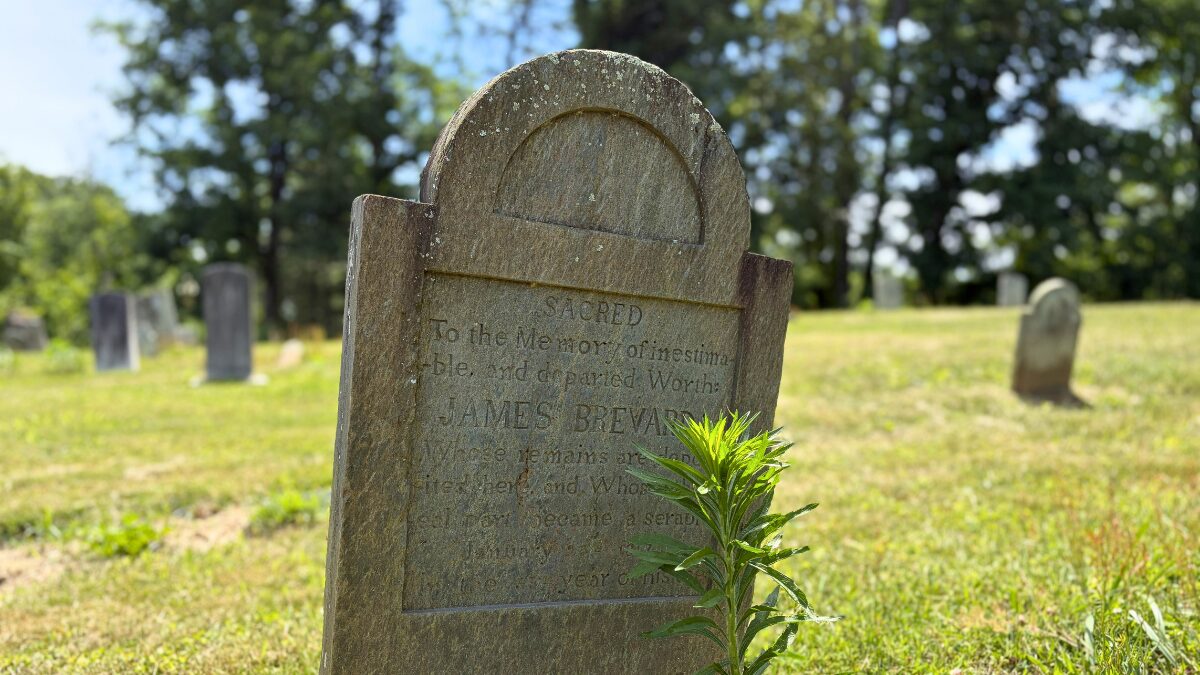
Tombstone Tales: A Fairview grave says James Brevard ‘became a seraph.’ Who was he?
Buried at Cane Creek Cemetery in 1847, the farmer, postmaster and state legislator left a public record that helps explain an extraordinary epitaph.
-
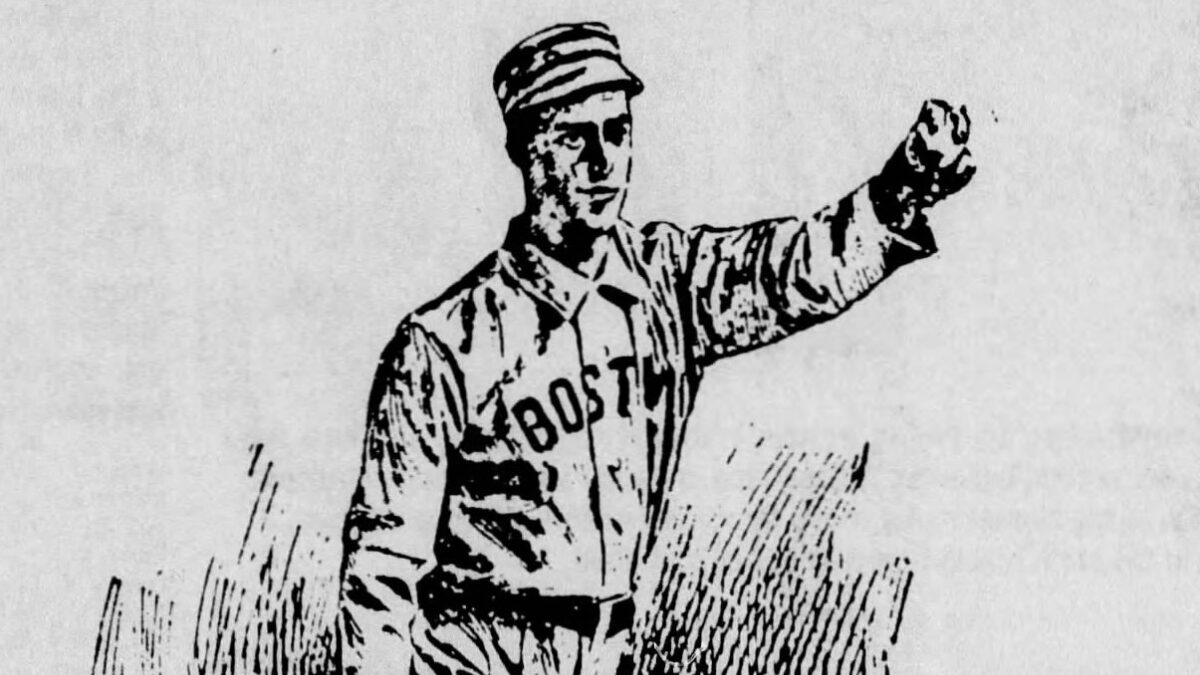
Tombstone Tales: The Reems Creek pitcher who played one game in the Major Leagues
Richard “Rome” Chambers became the first known Western North Carolina native to play Major League Baseball before returning home to Buncombe County, where he died just one day before his 27th birthday.
-
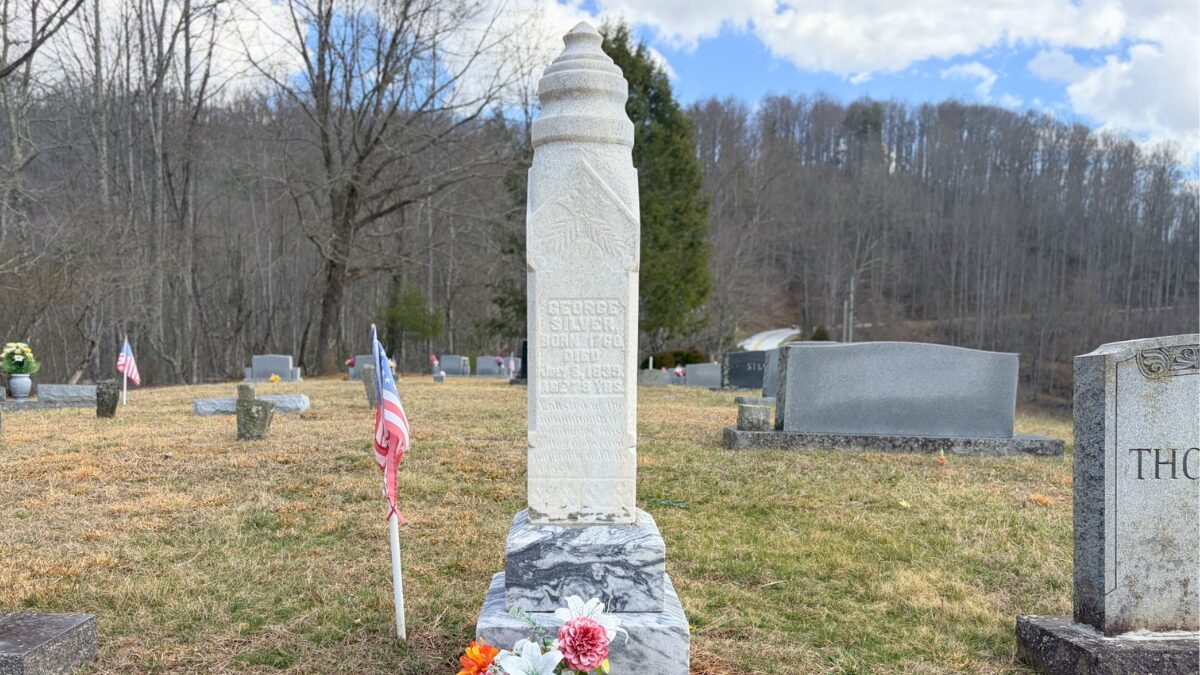
Tombstone Tales: A Revolutionary War veteran’s grave in Mitchell County tells a WNC story for July Fourth
At Kona Baptist Church Cemetery, a memorial to George Silver carries the story of American independence into the Toe River Valley and a family legacy deeply rooted in Western North Carolina.
-
Tombstone Tales: Flat Rock grave links to Declaration of Independence signer
As America marks its 250th anniversary, a grave at St. John in the Wilderness Cemetery connects Flat Rock to one of the signers of the Declaration of Independence and a young man remembered not for his famous name, but for his character.