


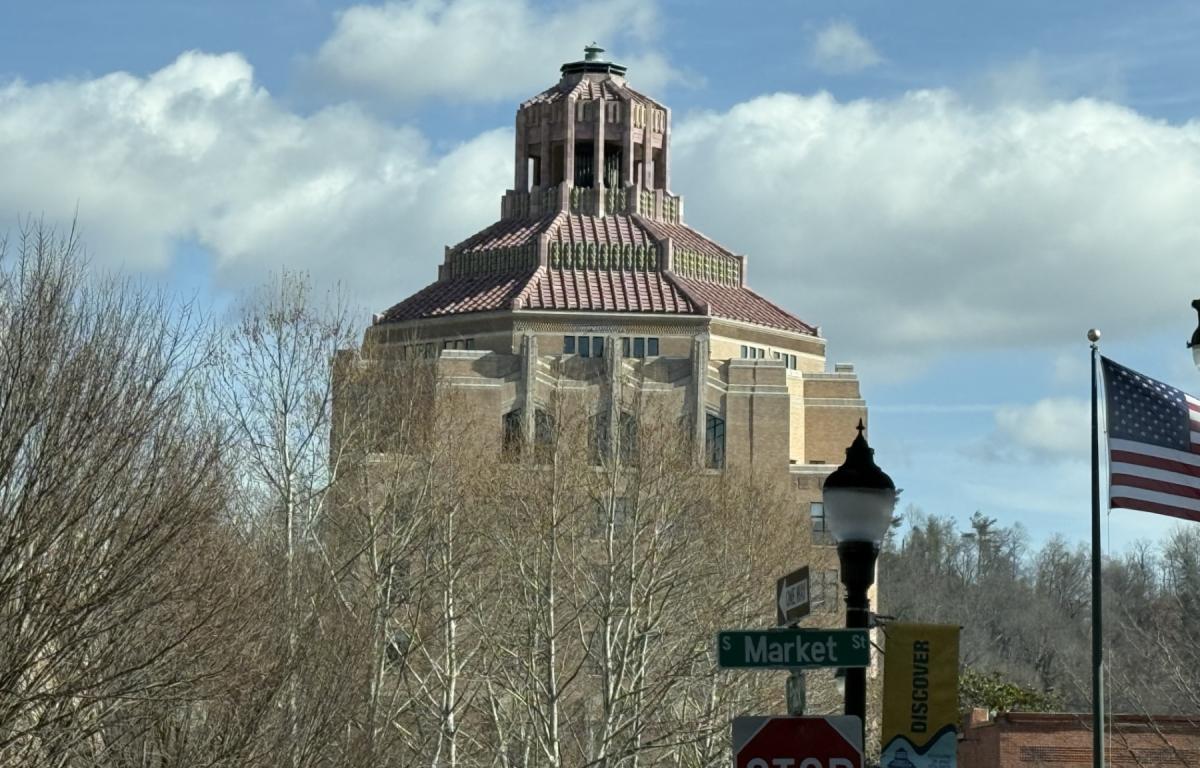

ASHEVILLE, N.C. (828newsNOW) — Asheville City Council on Tuesday approved a series of fee and utility rate increases for the upcoming fiscal year, citing rising service costs, storm recovery needs and a continued effort to balance the city’s budget without deeper cuts.
The changes, adopted as part of the fiscal year 2027 fees and charges ordinance, will affect residential utility bills, sanitation services and several city programs beginning in July.
City officials said the increases are necessary as expenses outpace revenue growth.
“Next year, we’re facing increasing costs just for providing existing services, and revenue isn’t growing at a pace that can cover the new costs,” Finance Director Tony McDowell told council members.
Utility bills set to increase
For a typical household, combined increases to water, stormwater and solid waste fees are expected to add about $11 to a bimonthly bill, or roughly $67 annually, according to city estimates.
The largest drivers include:
- Solid waste: Monthly fees will increase by $2, from $18 to $20, because of higher landfill disposal and tipping costs, along with the loss of a county rebate previously worth about $95,000 annually.
- Stormwater: Rates will rise by about 7.5 percent to address aging infrastructure, deferred maintenance and storm-related damage, including impacts from Tropical Storm Helene.
- Water: The city will implement the third year of a phased rate plan aimed at correcting pricing disparities among customer classes and funding major system upgrades.
Officials said the water system alone faces about $250 million in capital improvement needs over the next five years, including repairs and resiliency projects tied to storm damage.
Budget pressures and cost recovery
The fee increases are part of a broader strategy to close a projected budget gap. Revenue from updated general fund fees is expected to generate about $1.1 million.
While fees make up about 12 percent of the city’s general fund, they account for roughly three-quarters of revenue in enterprise funds such as water and stormwater systems.
City staff said they aim to balance cost recovery with affordability, especially as residents continue to feel financial strain from property revaluations and recent storm impacts.
Additional fee changes
Council also approved smaller increases and restructuring of other charges, including:
- Higher admission fees at the city’s nature center, projected to generate about $200,000 annually.
- A revised fee structure for street closures that scales costs based on complexity and location, intended to reduce disruptions in high-traffic areas like downtown.
No changes to parking fees were included in Tuesday’s vote, though officials said that could be revisited later in the budget process.
Other actions
In separate votes, council members:
- Approved a resolution to apply for state grant funding for improvements at Walton Street Park.
- Reserved a city-owned site known as Parkside for up to two years to study a შესაძლ arts and entertainment development, with additional public input planned.
- Authorized a four-year contract with RATP Dev to operate and maintain the city’s transit system, including new safety measures and performance standards.
City leaders emphasized that while fee increases are unavoidable, efforts are being made to limit the burden on residents.
“We are prioritizing our community’s needs first to ensure our rates remain fair,” McDowell said.