Editor’s Note: Western North Carolina is rich with untold stories—many resting quietly in local cemeteries. In this Tombstone Tales series, we explore the lives of people from our region’s past whose legacies, whether widely known or nearly forgotten, helped shape the place we call home.
ASHEVILLE, N.C. (828newsNOW) – The headstone is easy to miss.
Set back from the more traveled paths in Riverside Cemetery, it is a simple government marker with just a few lines: Capt. James H. Posey. Co. D. 6th West Virginia Regiment. The marker incorrectly notes his year of birth as 1830. Posey was born in Maryland in 1832.
By the time he died in 1917, James H. Posey was one of the most recognizable figures in Asheville.
The 84-year-old widower moved to Asheville for his health around 1907. He was often seen downtown, sometimes seated outside the fire station, watching the day pass. He lived for a time in the library building and was not shy about telling one particular part of his story.
He said he had once served as a personal bodyguard to President Abraham Lincoln.
Posey was known as a deeply religious man. He spent his later years handing out printed cards with Bible verses and a direct message printed across them: “Do Not Swear.”
He believed just as strongly in simple remedies. Olive oil, he said, could cure most ailments. It was a belief he lived by and loved to talk about.
There was something different about him, but people respected him. He was a Civil War veteran, a captain by rank, and he carried a unique story that made it easier for people to ignore his rants about olive oil and not swearing.
Then came the accident.
In February 1917, at the intersection of Patton and Lexington avenues, Posey was struck in the street by a wagon. He died February 13 at Mission Hospital.
There is a certain weight to that ending. A man who survived the Civil War, who claimed to have served the president during the darkest years in American history, was lost not in battle, but on a city street he walked every day.
The Asheville Times described him as one of the city’s best-known characters, a man whose presence had become part of the rhythm of downtown life. He had friends, a familiar routine, and a place in the city.
His obituary did more than mark his passing. It preserved Posey’s story of a connection to President Lincoln.
Whether every detail of that claim can be confirmed in surviving federal records is still an open question. But in Asheville, it was something people heard directly from Posey, and it was part of how he was remembered.
The man who said he once stood watch over Abraham Lincoln.
-
Haunted Asheville and WNC: Ghost stories, eerie legends and mysterious places

From Asheville’s historic landmarks to mountain trails, old cemeteries and Appalachian folklore, explore the ghost stories and mysterious places that have become part of Western North Carolina’s history.
-
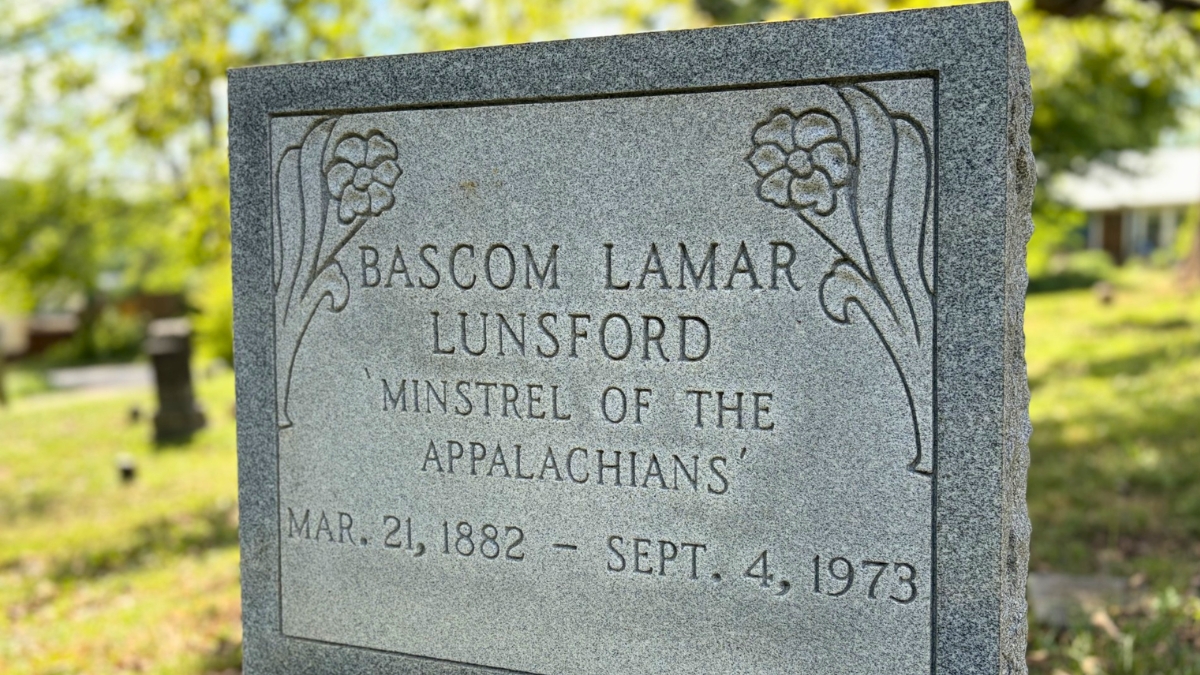
Tombstone Tales: Bascom Lamar Lunsford’s remarkable life

The Asheville lawyer, folklorist and festival organizer spent decades preserving Western North Carolina’s songs, dances and mountain traditions.
-
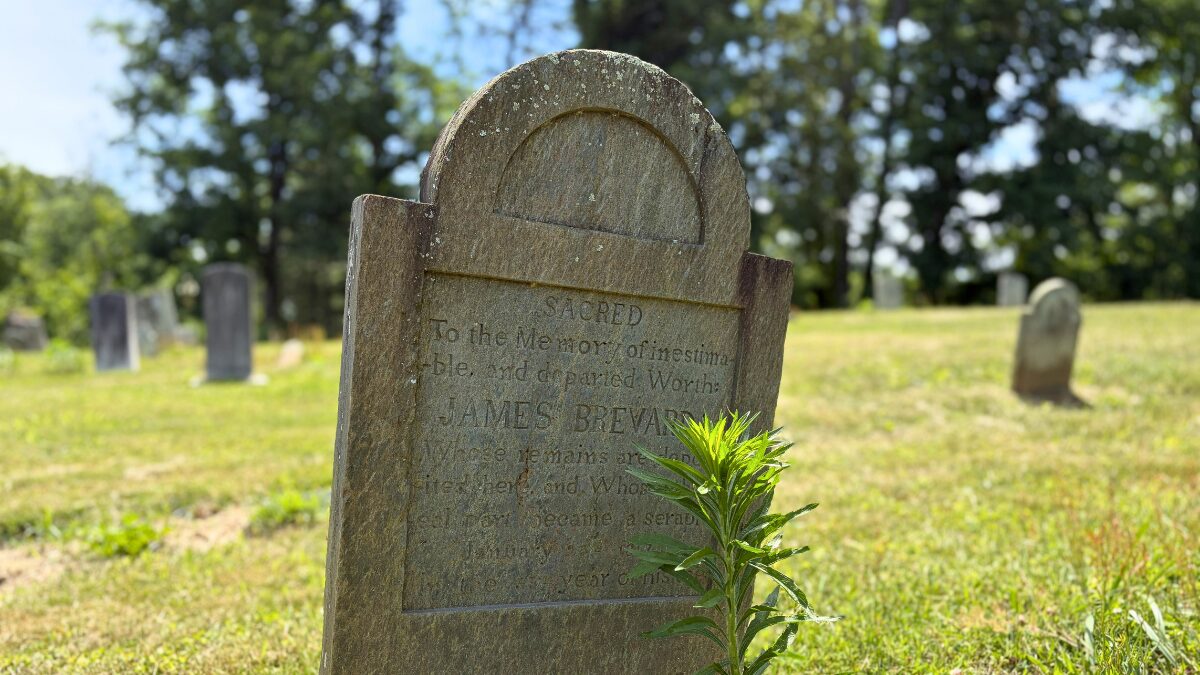
Tombstone Tales: A Fairview grave says James Brevard ‘became a seraph.’ Who was he?
Buried at Cane Creek Cemetery in 1847, the farmer, postmaster and state legislator left a public record that helps explain an extraordinary epitaph.
-
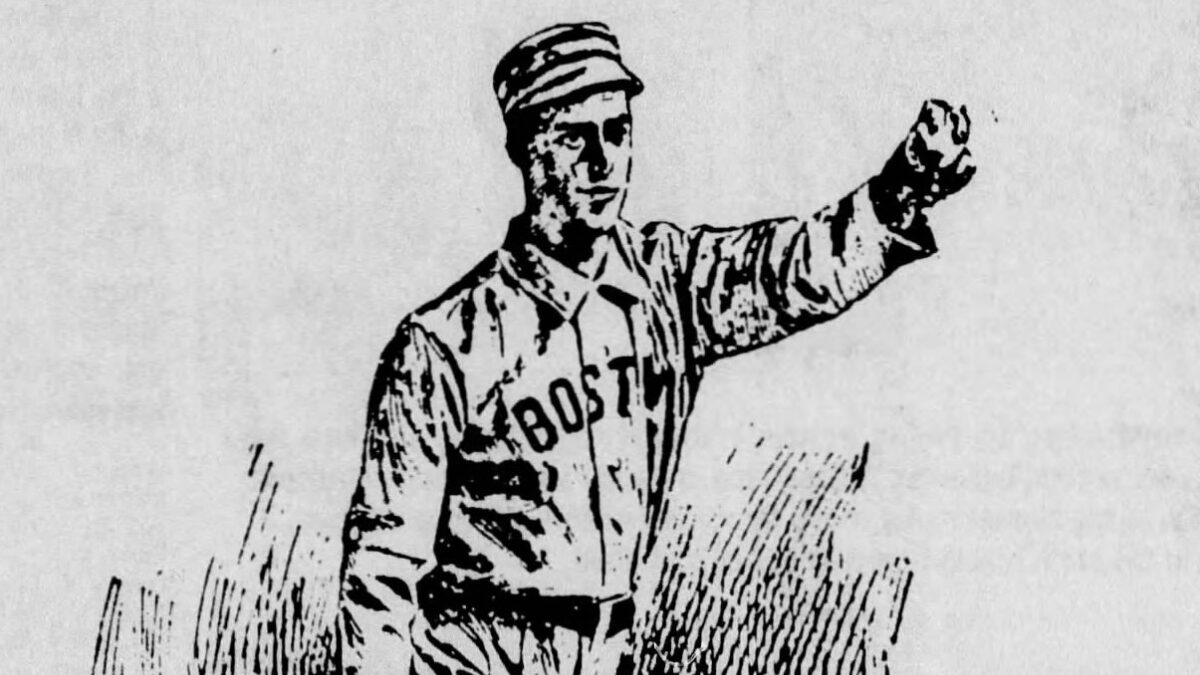
Tombstone Tales: The Reems Creek pitcher who played one game in the Major Leagues
Richard “Rome” Chambers became the first known Western North Carolina native to play Major League Baseball before returning home to Buncombe County, where he died just one day before his 27th birthday.
-
Tombstone Tales: A Revolutionary War veteran’s grave in Mitchell County tells a WNC story for July Fourth
At Kona Baptist Church Cemetery, a memorial to George Silver carries the story of American independence into the Toe River Valley and a family legacy deeply rooted in Western North Carolina.