Editor’s Note: Western North Carolina is rich with untold stories—many resting quietly in local cemeteries. In this Tombstone Tales series, we explore the lives of people from our region’s past whose legacies, whether widely known or nearly forgotten, helped shape the place we call home.
FLAT ROCK, N.C. (828newsNOW) – James Brown’s grave is situated in one of the most prominent places on the grounds of St. John in the Wilderness Episcopal Church.
The placement says something about his standing and his connection to the history of the church.
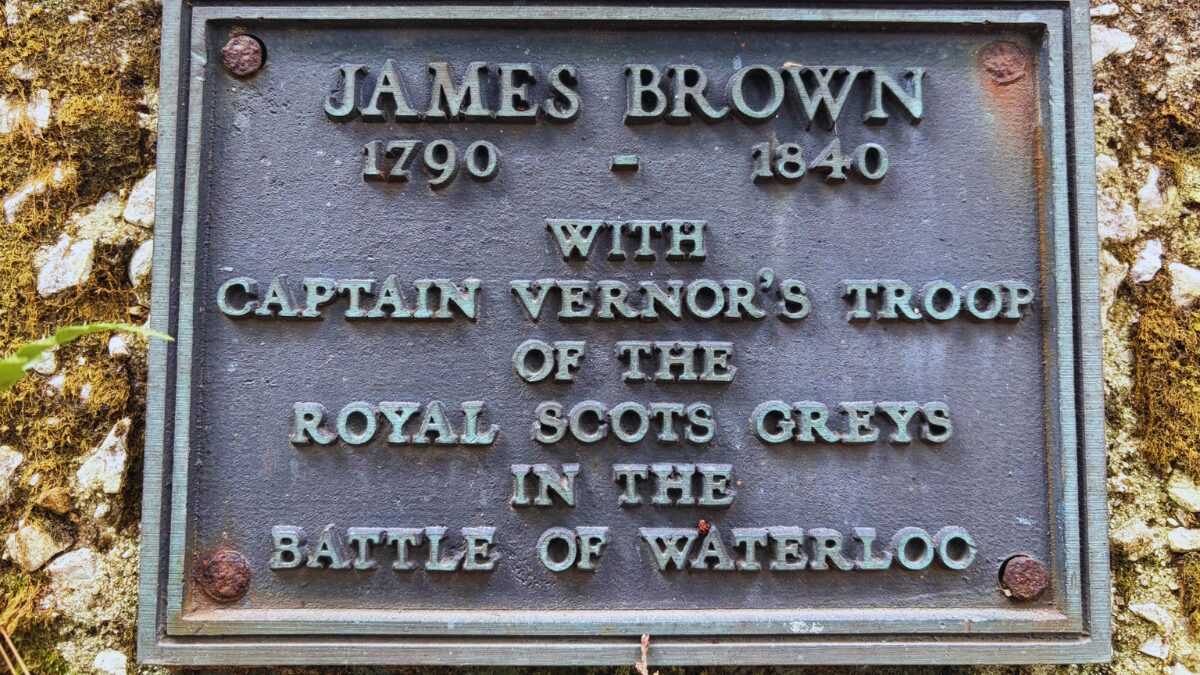
Brown was born Jan. 1, 1790, in Glasgow, Scotland. He served as a bugler in the Royal Scots Greys and rode at the Battle of Waterloo, the clash that ended Napoleon Bonaparte’s final campaign.
Waterloo unfolded in a single day of close, chaotic fighting that left tens of thousands dead or wounded. Brown rode with Captain Vernor’s troop, a cavalry regiment that charged directly into the fighting.
He survived.
In the years that followed, Brown left Scotland and eventually crossed the Atlantic, making his way into the mountains of Western North Carolina. By the 1830s, he was living as part of the Baring household at Mountain Lodge, a community just beginning to take shape in the mountains.
Brown was part of the community that desired a new place of worship.
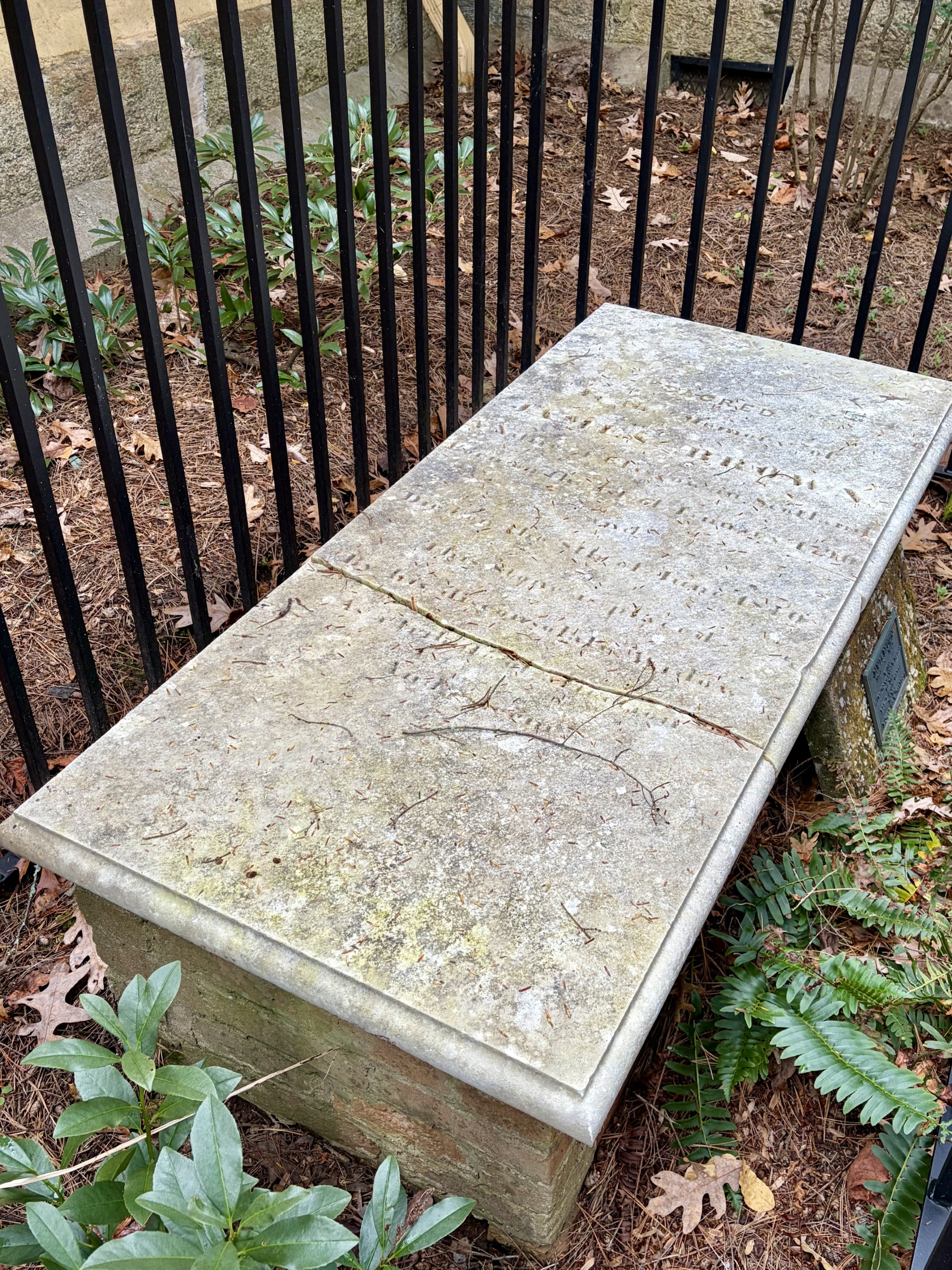
St. John in the Wilderness began as a chapel on the Baring property and grew into a parish in the 1830s. When Brown died in June of 1840, his grave was placed beside the church, close enough to the wall that it feels connected to the building.
He remained there until his remains were returned to Scotland.
His empty grave remains in Flat Rock, where it still holds the memory of a life that stretched from Glasgow to Waterloo to these mountains.
-
Haunted Asheville and WNC: Ghost stories, eerie legends and mysterious places

From Asheville’s historic landmarks to mountain trails, old cemeteries and Appalachian folklore, explore the ghost stories and mysterious places that have become part of Western North Carolina’s history.
-
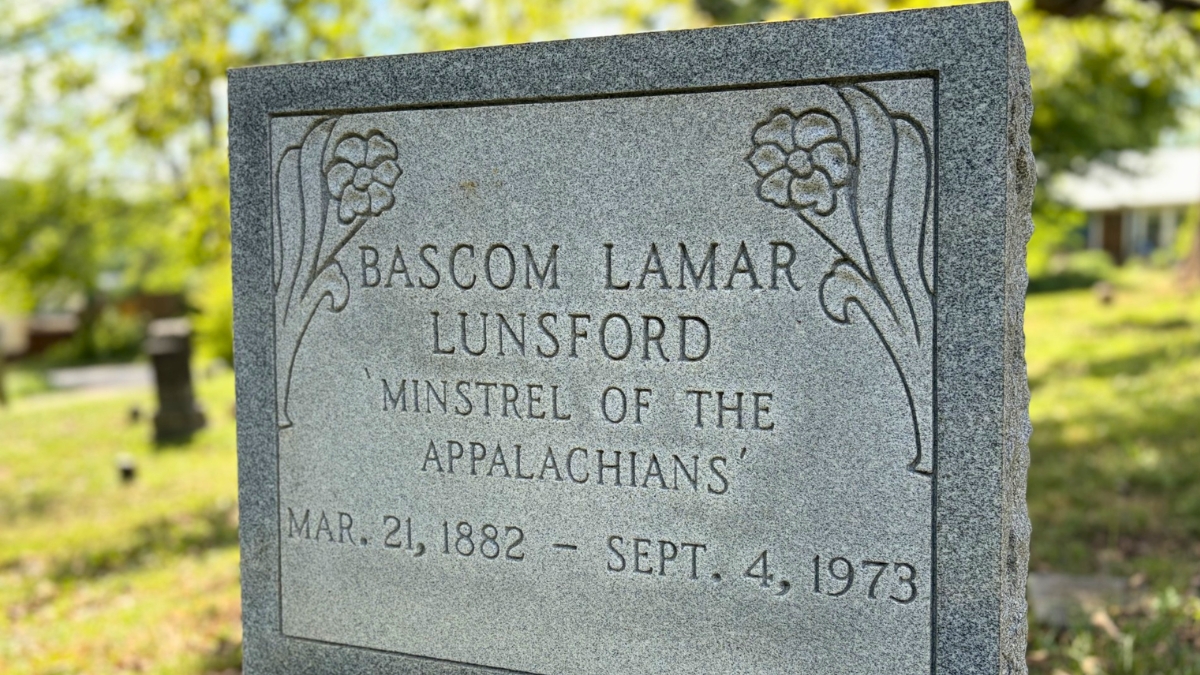
Tombstone Tales: Bascom Lamar Lunsford’s remarkable life

The Asheville lawyer, folklorist and festival organizer spent decades preserving Western North Carolina’s songs, dances and mountain traditions.
-
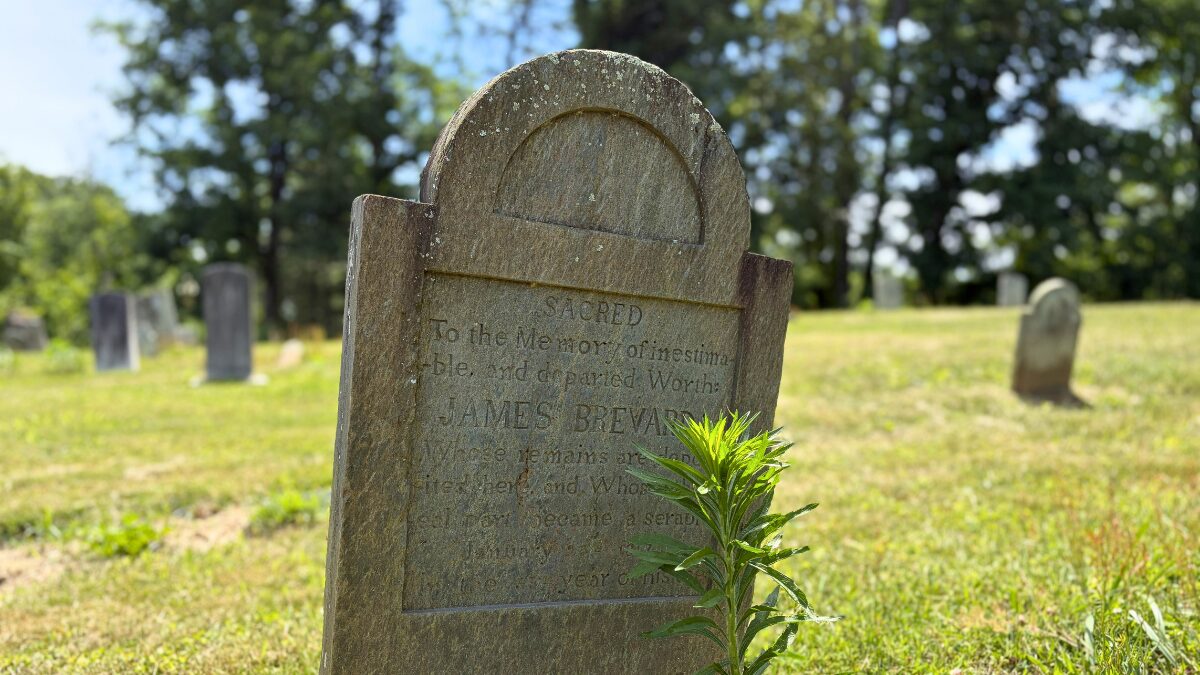
Tombstone Tales: A Fairview grave says James Brevard ‘became a seraph.’ Who was he?
Buried at Cane Creek Cemetery in 1847, the farmer, postmaster and state legislator left a public record that helps explain an extraordinary epitaph.
-
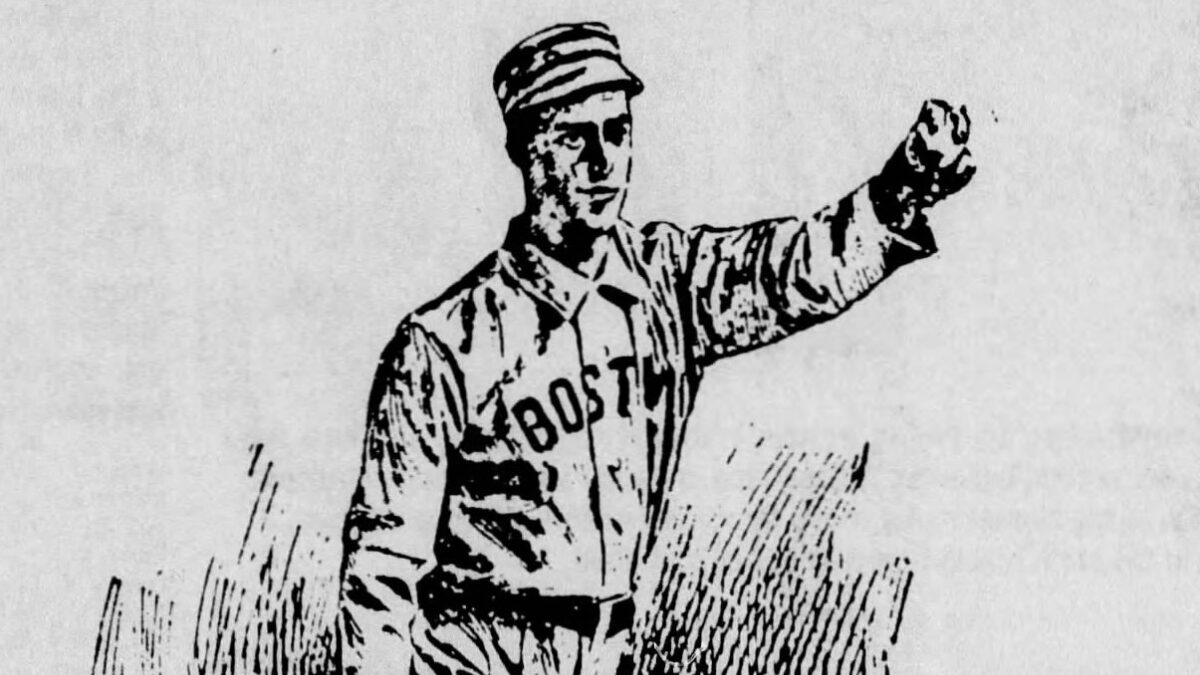
Tombstone Tales: The Reems Creek pitcher who played one game in the Major Leagues
Richard “Rome” Chambers became the first known Western North Carolina native to play Major League Baseball before returning home to Buncombe County, where he died just one day before his 27th birthday.
-
Tombstone Tales: A Revolutionary War veteran’s grave in Mitchell County tells a WNC story for July Fourth
At Kona Baptist Church Cemetery, a memorial to George Silver carries the story of American independence into the Toe River Valley and a family legacy deeply rooted in Western North Carolina.