
Editor’s Note: Western North Carolina is rich with untold stories—many resting quietly in local cemeteries. In this Tombstone Tales series, we explore the lives of people from our region’s past whose legacies, whether widely known or nearly forgotten, helped shape the place we call home.
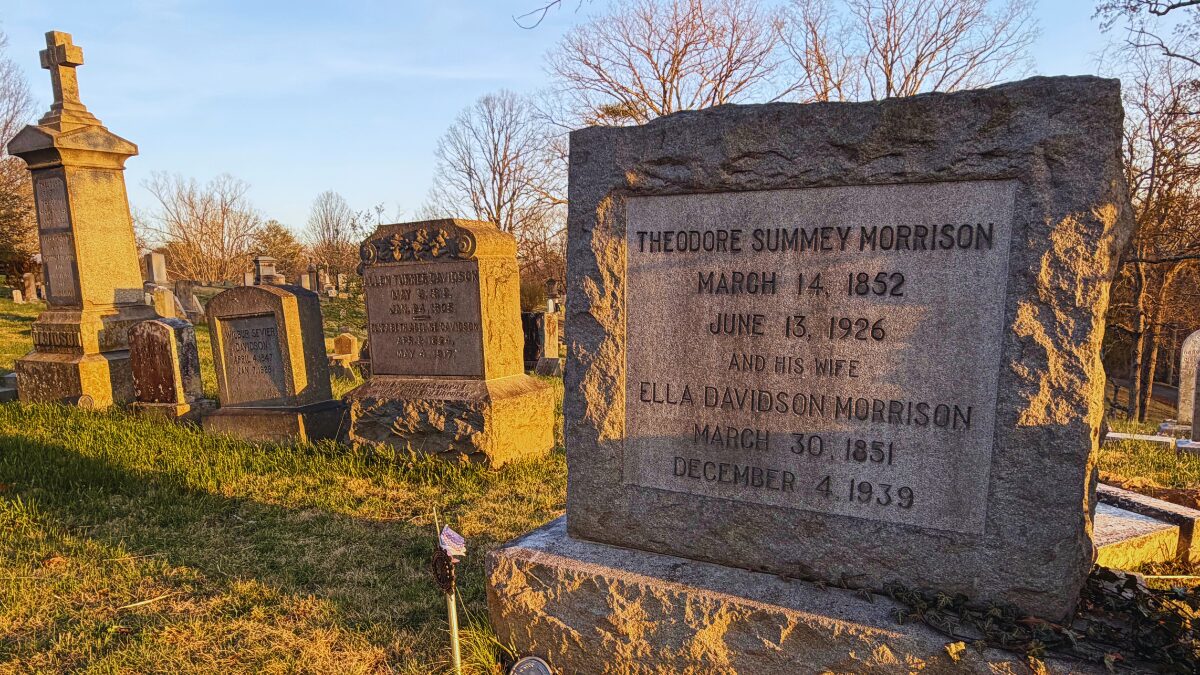
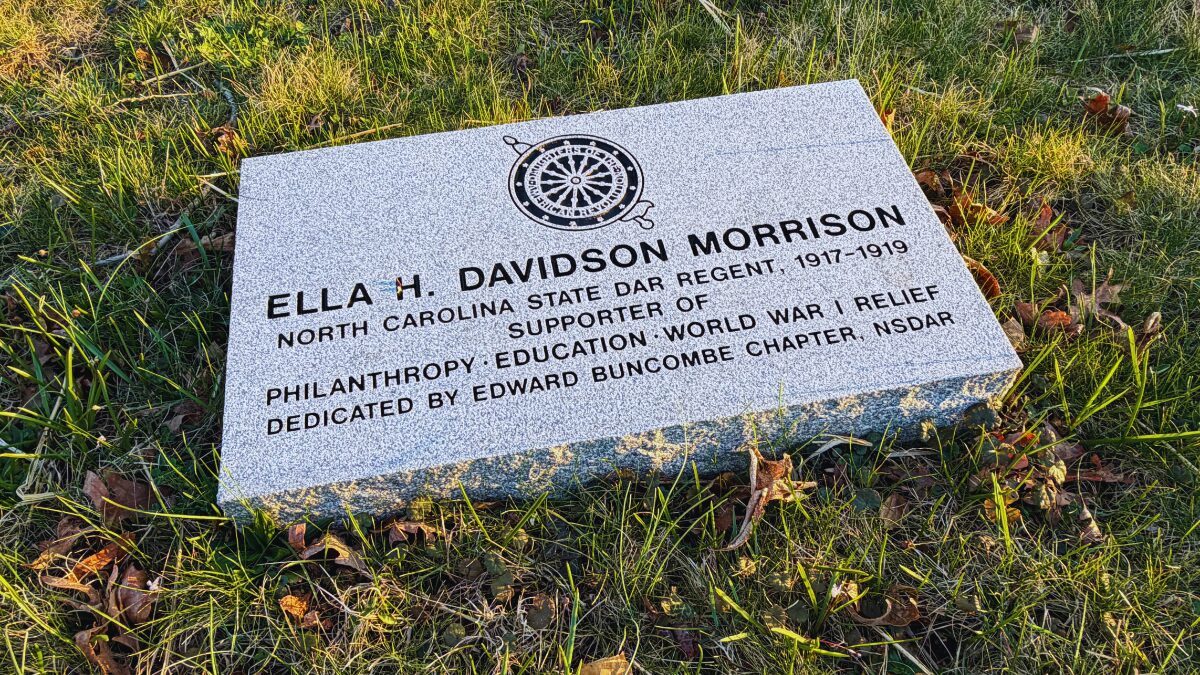
ASHEVILLE, N.C. (828newsNOW) — At Riverside Cemetery, a small granite memorial marker rests near the larger Morrison family stone.
It names Ella H. Davidson Morrison as regent of the North Carolina Daughters of the American Revolution from 1917 to 1919 and honors her support of philanthropy, education and World War I relief.
The marker honoring Morrison is modest, but her life was not.
Who was Ella H. Davidson Morrison?
Born March 30, 1851, in Murphy, Ella Henrietta Davidson was part of prominent Western North Carolina family. She was the daughter of Col. Allen Davidson and Adeline Howell Davidson, names associated with law, politics and business in the mountain region.
Her father was a leading attorney and bank president in Cherokee County before the Civil War. He later served in the Confederate Congress. After the war, the family settled in Asheville.
Morrison was educated at Asheville Female College, one of the area’s early institutions for women. In June 1877, she married Theodore Morrison. The couple spent their first years of marriage at the Alexander Hotel, then one of the city’s best-known landmarks. They later moved to the Pearson Drive home where Morrison would live until the day she died.
How Ella Morrison helped Mission Hospital
As Asheville expanded in the late 19th and early 20th centuries, Morrison’s work expanded with it.
When she died in 1939, the Asheville Citizen described Morrison as one of a group of devoted women who helped establish Mission Hospital. She served for many years on the hospital board of managers and was president for 11 years. During her tenure, a nurse training school was established.
In an era when women were often excluded from elected office, many shaped public life through churches, hospitals, and charitable institutions. Morrison was among them.
Her influence reached beyond Asheville.
DAR leadership during World War I
Morrison served as North Carolina state regent of the Daughters of the American Revolution (DAR) from 1917 to 1919.
She also dedicated her time to preserving the past.
According to her obituary, Morrison personally secured the copyright for John Preston Arthur’s Western North Carolina: A History from 1730 to 1913. The book was published in Raleigh in 1914 by the Buncombe Chapter of the DAR.
The lengthy effort to publish the volume was considered one of Morrison’s proudest achievements. More than a century later, researchers still turn to the book to understand the region she knew firsthand.
A lasting legacy in Asheville
Morrison died Dec. 4, 1939, at her home on Pearson Drive. She was 88.
She was buried beside her husband at Riverside Cemetery.
Visitors today may first notice the smaller DAR stone set in front of the family monument.
But the larger memorial is the Asheville she helped build, and the history she helped make sure was not forgotten.
-
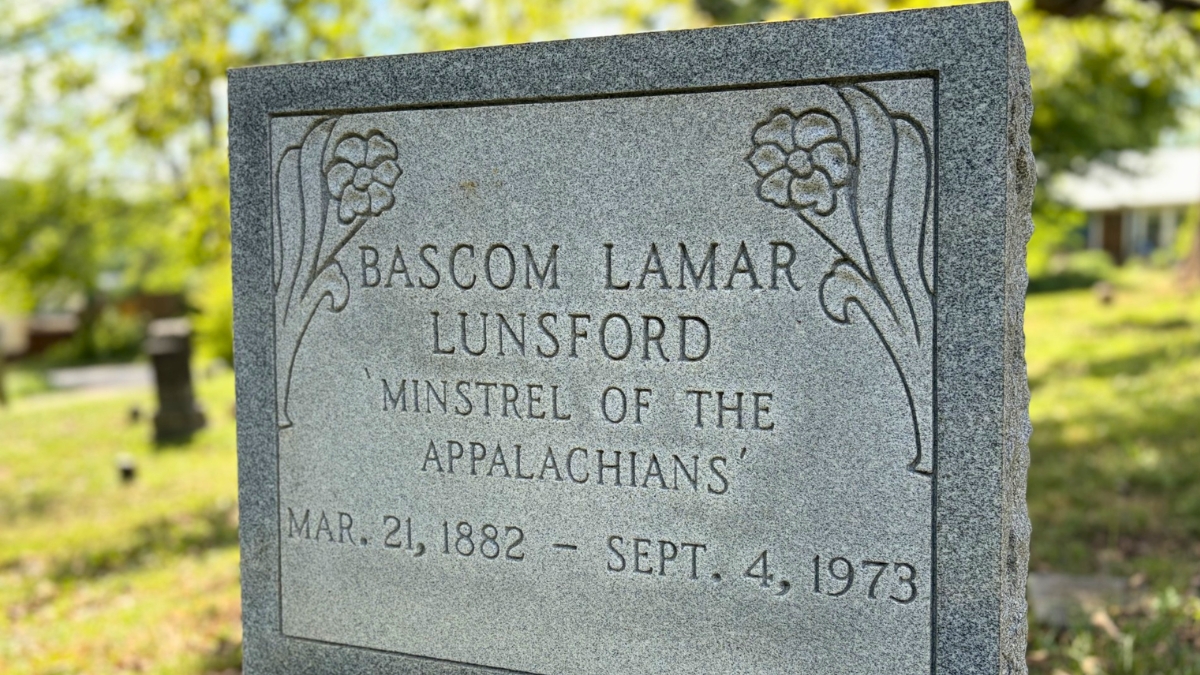
Tombstone Tales: Bascom Lamar Lunsford’s remarkable life

The Asheville lawyer, folklorist and festival organizer spent decades preserving Western North Carolina’s songs, dances and mountain traditions.
-
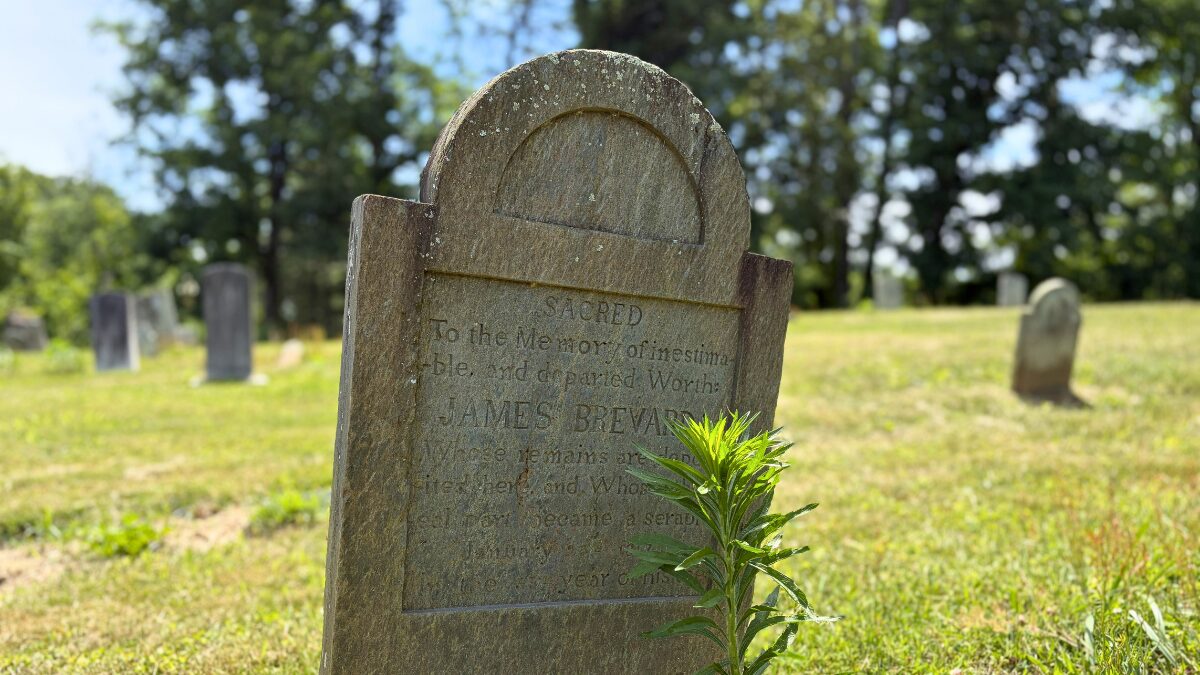
Tombstone Tales: A Fairview grave says James Brevard ‘became a seraph.’ Who was he?
Buried at Cane Creek Cemetery in 1847, the farmer, postmaster and state legislator left a public record that helps explain an extraordinary epitaph.
-
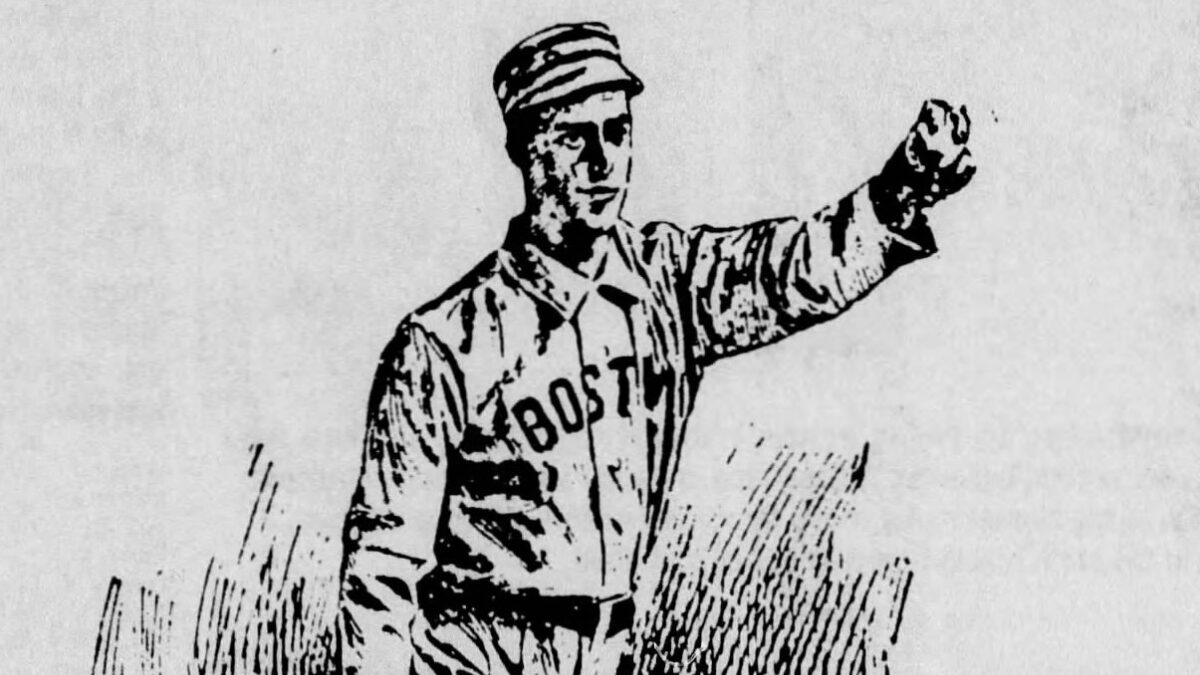
Tombstone Tales: The Reems Creek pitcher who played one game in the Major Leagues
Richard “Rome” Chambers became the first known Western North Carolina native to play Major League Baseball before returning home to Buncombe County, where he died just one day before his 27th birthday.
-
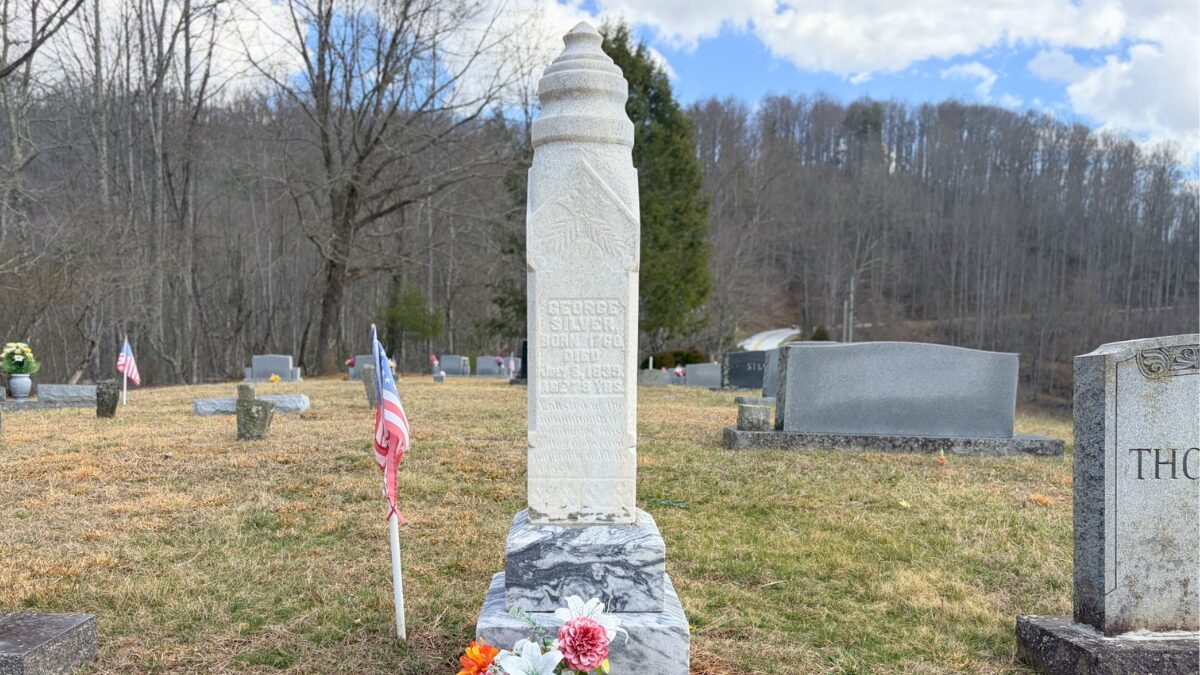
Tombstone Tales: A Revolutionary War veteran’s grave in Mitchell County tells a WNC story for July Fourth
At Kona Baptist Church Cemetery, a memorial to George Silver carries the story of American independence into the Toe River Valley and a family legacy deeply rooted in Western North Carolina.
-
Tombstone Tales: Flat Rock grave links to Declaration of Independence signer
As America marks its 250th anniversary, a grave at St. John in the Wilderness Cemetery connects Flat Rock to one of the signers of the Declaration of Independence and a young man remembered not for his famous name, but for his character.