
EDITOR’S NOTE: Strangeville explores the curious and unexplained stories that have long defined Asheville and Western North Carolina. The region is full of unanswered questions, from old folklore and local legends to eerie encounters, unsolved moments in history, and the true-crime mysteries that still leave people wondering. Each week, we look back with an open mind and a sense of curiosity, trying to understand why some stories take hold and why some can never be explained.
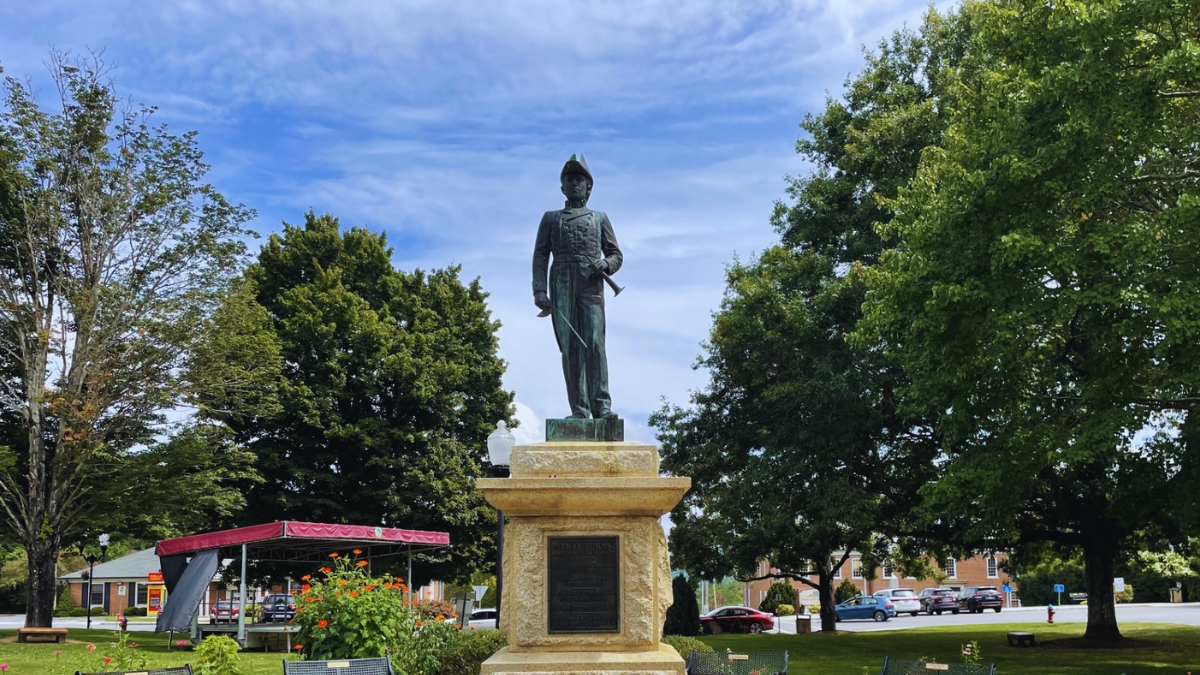
BURNSVILLE, N.C. (828newsNOW) — In the middle of Burnsville’s town square, stands a statue of Otway Burns. The town was named for the sailor and war hero who made his name battling British ships off the North Carolina coast. There is just one unusual detail to the story. Otway Burns appears to have never visited Burnsville.
A sailor’s name in a mountain town
Burnsville sits in Yancey County, surrounded by ridgelines, winding roads and farms that are far removed from saltwater harbors and Atlantic storms. Yet its name traces back to a famous coastal captain.
Burns was born in coastal North Carolina in the 1770s and became one of the state’s most celebrated figures during the War of 1812. As commander of the privateer schooner Snap Dragon, he attacked British merchant vessels and became a symbol of resistance and daring. Historians later called him one of North Carolina’s first naval heroes.
After the war, Burns entered politics and served in the state legislature. That is where the mountains became a part of his story.
Why Burnsville bears his name
In the early 1800s, mountain communities believed they had little influence in Raleigh. Western counties wanted fairer representation and greater ability to form new counties. Though he represented Carteret County on the coast, Burns supported Western North Carolina efforts.
According to Burnsville’s official town history, Burns cast the tie-breaking vote that allowed new western counties to be created, including Yancey County. The decision reportedly cost him support at home, but it was remembered in the mountains.
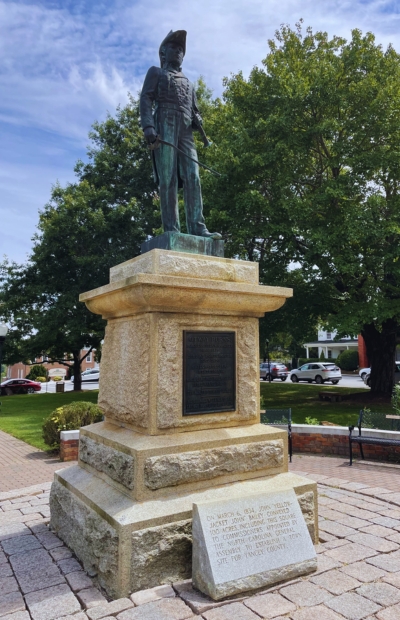
When the new county seat was established, John “Yellow Jacket” Bailey donated the land for the town and requested that it be named for Burns.
In 1834 the town was named Burnsville in gratitude for a political act local leaders believed helped make the county itself possible.
The man who never visited the mountains
That is what gives the story its lasting bit of irony. Despite the honor, there is no evidence Burns ever visited the mountain town that carried his name. Travel across North Carolina in the 1830s was rough and difficult. A journey from the coast to the mountains could take days over rugged terrain.
Burns remained tied to the coast, where his businesses and later government service kept him rooted near the water he loved. Burnsville honored a man who likely never saw the mountains of Western North Carolina.
From war hero to lighthouse keeper
Burns’ final years were quieter than his early legend. President Andrew Jackson appointed him keeper of Brant Island Shoal Lighthouse on Pamlico Sound in 1835. It was respectable work but far removed from the glory of war. He died in 1850 with little of the fame or fortune once attached to his name. Meanwhile, the mountain town named in his honor kept growing.
Why the story endures
In 1909, Burnsville received a statue of Otway Burns for the public square. The inscription on the town’s most recognizable landmark reads: “He guarded well our seas, let our mountains honor him.”
Over time, the irony became part of the story itself. A mountain town named for a sailor, and a statue honoring a man who never stood there. It remains one of western North Carolina’s most charming and curious historical twists.
-
Haunted Asheville and WNC: Ghost stories, eerie legends and mysterious places

From Asheville’s historic landmarks to mountain trails, old cemeteries and Appalachian folklore, explore the ghost stories and mysterious places that have become part of Western North Carolina’s history.
-
Strangeville: Elvis, Asheville and a tiny Cherokee museum

Just off of Highway 19 on the way down to Cherokee, N.C., eagle-eyed drivers might spot the silhouette of Elvis Presley on the side of a small brown building. Inside, visitors will find the Elvis Museum, owned and curated by Dorothy “Dee” Smith.
-
Strangeville: Revolutionary War Ghosts of the Carolina Backcountry

Ahead of America 250, Revolutionary War folklore links Western North Carolina’s Overmountain Men to ghostly legends from the Battle of Kings Mountain.
-
Strangeville: Harry Gardiner, the ‘Human Fly’ Who Climbed Asheville’s Flat Iron Building
A century before viral stunts, Harry Gardiner drew crowds to downtown Asheville by scaling the Flat Iron Building without ropes — part spectacle, part fundraiser and part civic promotion.
-
Strangeville: Devil’s Den and the outlaw legends of Iron Mountain

On the North Carolina-Tennessee line, Devil’s Den became part of a darker mountain history shaped by moonshiners and outlaws.