


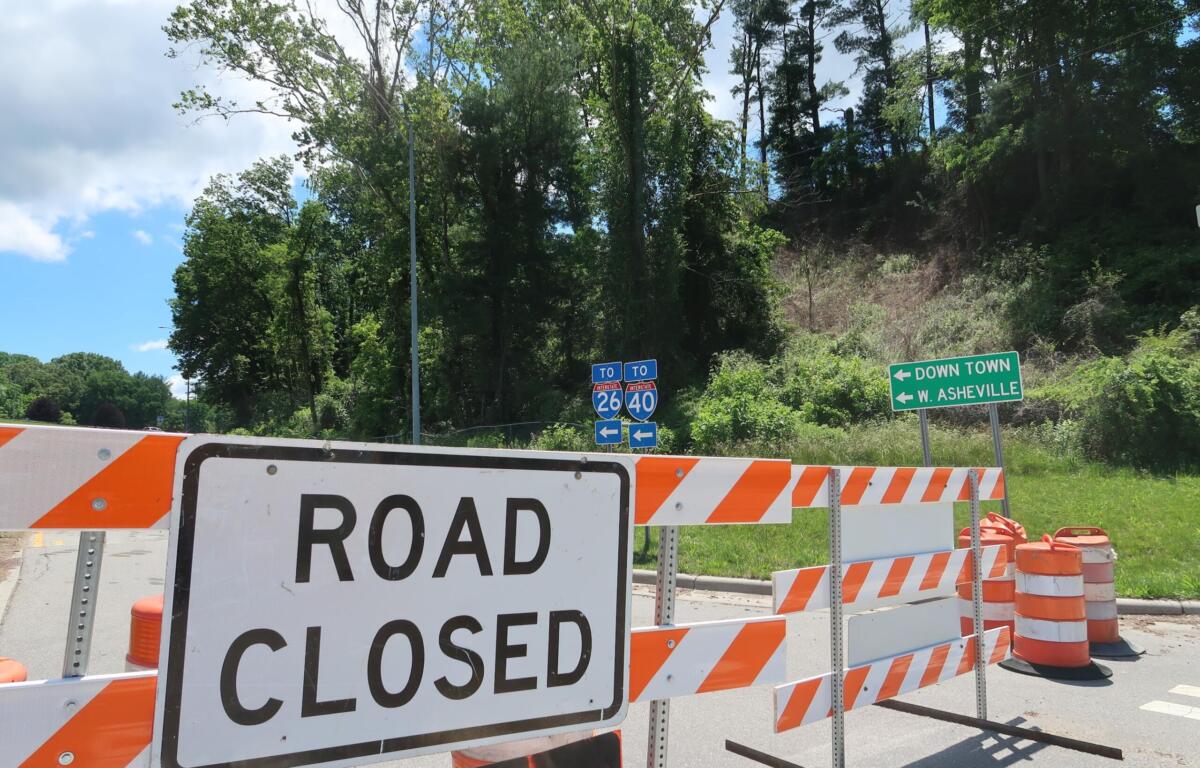

ASHEVILLE, N.C. (828newsNOW) — After decades of preparation, the I-26 Connector project officially broke ground in April 2026, marking a major step for the revamped Asheville interstate. The progression of the project has prompted questions about the impact the ambitious undertaking will have on local people and roadways.
828newsNOW reached out to the North Carolina Department of Transportation for answers.
What parts of Asheville are under construction for the I-26 Connector project?
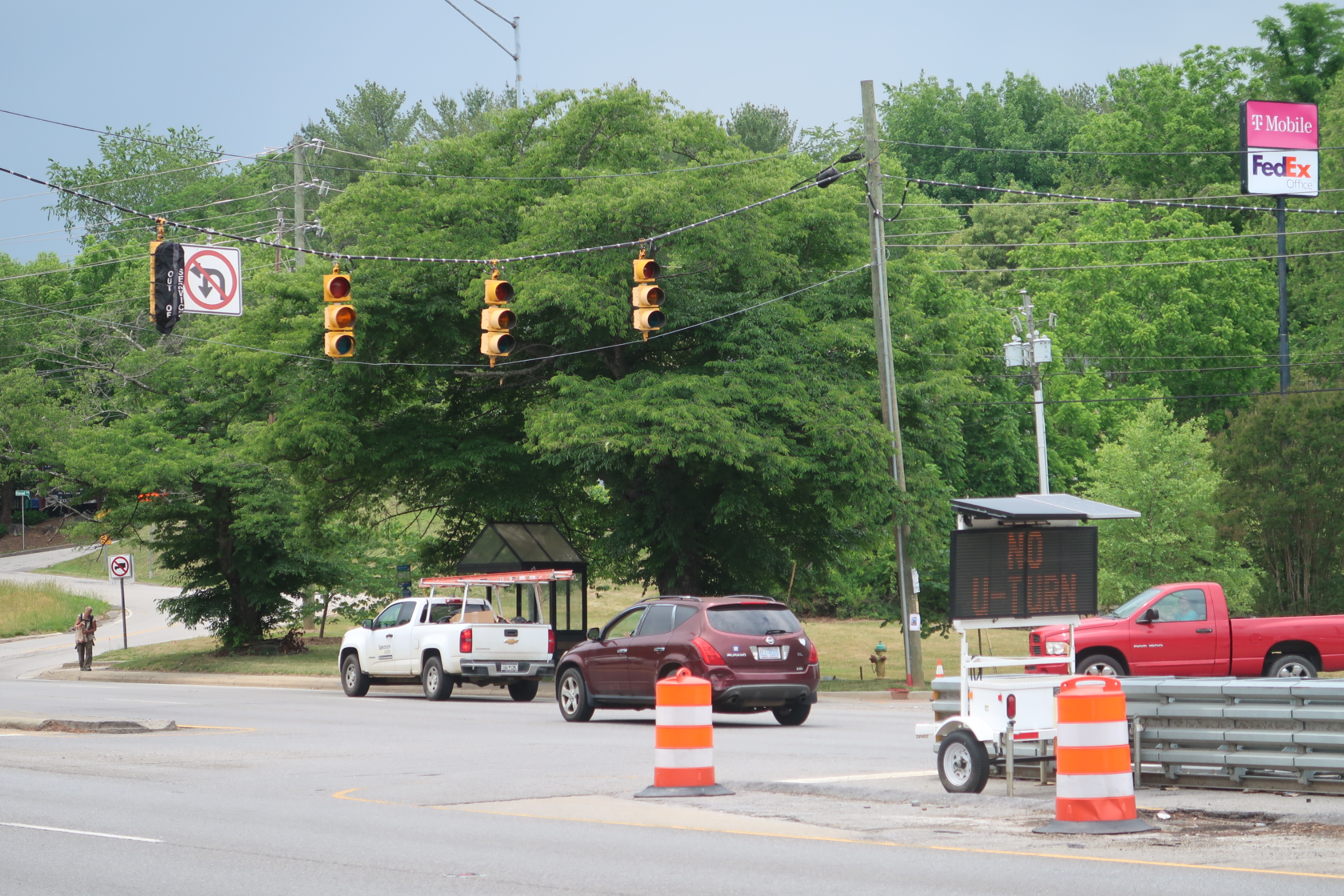
Construction for the I-26 Connector project is already underway. Asheville residents may have noticed traffic pattern changes across town, including at the intersection of Patton Avenue and Regent Park Boulevard.
“Those traffic pattern changes, including the installation of concrete barriers and removal of the U-turn movement, are part of the I-26 Connector project,” explained Stephanie Johnson, an NCDOT Communications officer. “The barriers were installed in preparation for upcoming traffic shifts referenced previously. The planned traffic shifts will allow the contractor to begin work on the new bridge in this area that will carry I-26/240 traffic.”
Read our previous reporting about the U-turn change:
- Crashes spike at Patton Avenue intersection after U-turn removal
- Citations surpass 15 at former Patton Avenue U-turn
Other shifts include the closure of an I-26 on-ramp near Hill Street outside of downtown Asheville.
According to Johnson, current construction work will be focused on the I-26/I-240 corridor between Haywood Road and Broadway Street.
“These initial activities are preparing the corridor for upcoming traffic shifts that will allow construction of the new I-26 bridge over the French Broad River to advance,” Johnson said. “While there is not a single timeline that outlines all project impacts by area, bridge construction will remain a primary focus over the next several years. Utility relocations and demolition of impacted structures will continue throughout the year across the project corridor.”


Who will be impacted by the I-26 Connector project?
The I-26 Connector project has far-reaching property needs, necessitating the relocation of several local businesses and residences. While negotiations with property owners are underway, NCDOT can not comment on their progress.
“NCDOT does not discuss the details of active right-of-way negotiations,” Johnson said.
However, a list of over 900 property parcels identified by the NCDOT for the I-26 Connector project is available. Property owners include large entities like Duke Energy Progress LLC and the Asheville City Board of Education, as well as individual holders. Read the full list here.
Some local business owners have shared uncertainty about the future of their buildings, especially along Haywood Road in West Asheville.
Read our previous reporting here:
While the I-26 Connector project has just begun, other property owners are still in the process of cleaning up from Tropical Storm Helene. For instance, next to construction equipment on Riverside Drive is the former site of the Salvage Station concert venue, where clean-up is underway.


Will impacted property owners or businesses receive assistance with relocating?
According to the NCDOT, yes, potentially.
“Residential property owners are eligible for relocation benefits as required under the Uniform Relocation Assistance and Real Property Acquisition Policies Act (Uniform Relocation Act),” Johnson said. “Relocation assistance is determined on a case-by-case basis based on individual circumstances and eligibility.”
Johnson shared a brochure provided to homeowners that outlines “available benefits and assistance”: Residential Relocation Brochure
A similar pamphlet was also distributed to business owners: Non-Residential Relocation Brochure
As construction continues on the I-26 Connector project, 828newsNOW reporting remains ongoing.
Read more. . .
-
Blue Ridge Parkway reopens more sections after Helene
458 of 469 miles are accessible as fall travel picks up in Western North Carolina
-
Pedestrian seriously injured in Patton Avenue crash
Asheville police say pedestrian was in crosswalk with right of way; driver cited
-
Western North Carolina shoppers can get 1TB of Koofr cloud storage for life for $129.99
Asheville and Western North Carolina shoppers can get lifetime access to 1TB of Koofr cloud storage for $129.99 with code KOOFR through October 11 during Deal Days.
-
Buncombe County 2026 election: Key voting dates
Registration ends Oct. 9, early voting begins Oct. 15 and Election Day is Nov. 3
-
Dam Slam brings French Broad dam debate to Asheville
Artists and environmental advocates will use fish, puppets and a parade to highlight river barriers Oct. 17