
EDITOR’S NOTE: Strangeville explores the curious and unexplained stories that have long defined Asheville and Western North Carolina. The region is full of unanswered questions, from old folklore and local legends to eerie encounters, unsolved moments in history, and the true-crime mysteries that still leave people wondering. Each week, we look back with an open mind and a sense of curiosity, trying to understand why some stories take hold and why some can never be explained.
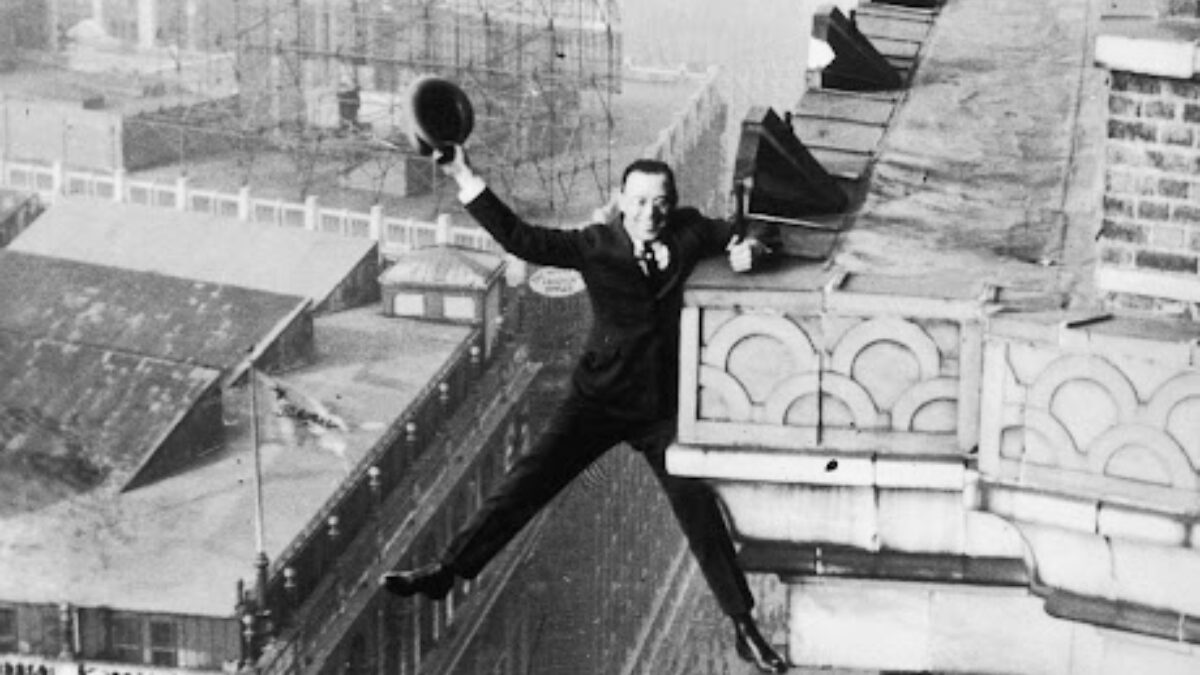
ASHEVILLE, N.C. (828newsNOW) — Over one hundred years ago, Asheville residents packed downtown streets and looked skyward as daredevil Harry Gardiner, known as the “Human Fly,” climbed the newly opened Flat Iron Building. Gardiner climbed the building without ropes or safety equipment to raise money for disabled World War I veterans.
Long before social media influencers and televised stunt performers, Gardiner was one of America’s most recognizable thrill-seekers. His specialty was climbing skyscrapers, hotels and landmarks with nothing but his hands, feet and nerves. Wherever he appeared, crowds followed. In May 1926, he brought that spectacle to Asheville.
A daredevil arrives in Asheville
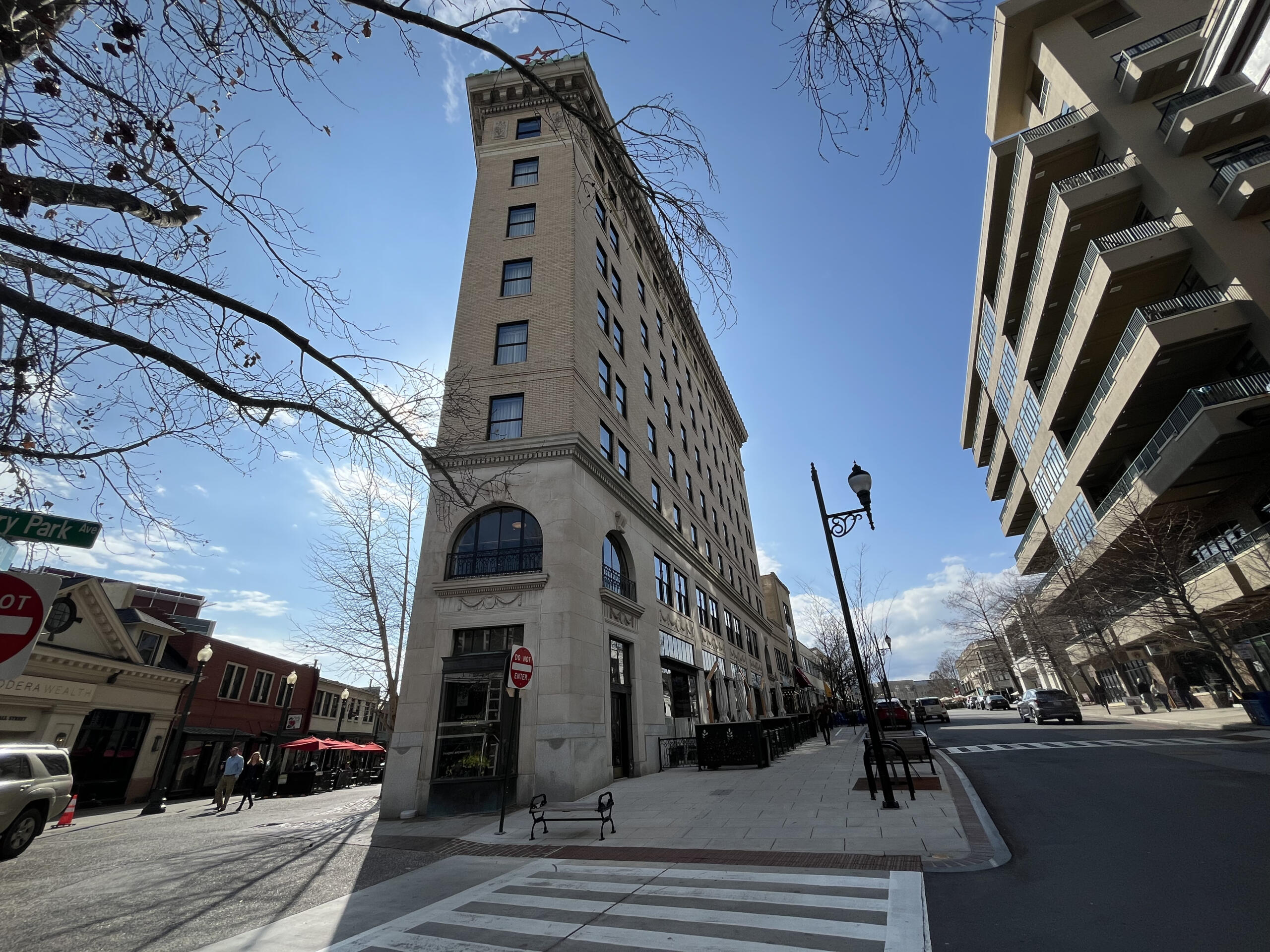
Gardiner arrived in Asheville as the city was in the middle of a building boom, and new buildings were changing the downtown skyline. One of the newest additions was the Flat Iron Building, which had opened only months earlier. For 57-year-old Gardiner, the building became the centerpiece of a public fundraising campaign that combined spectacle, civic pride and support for disabled World War I veterans.
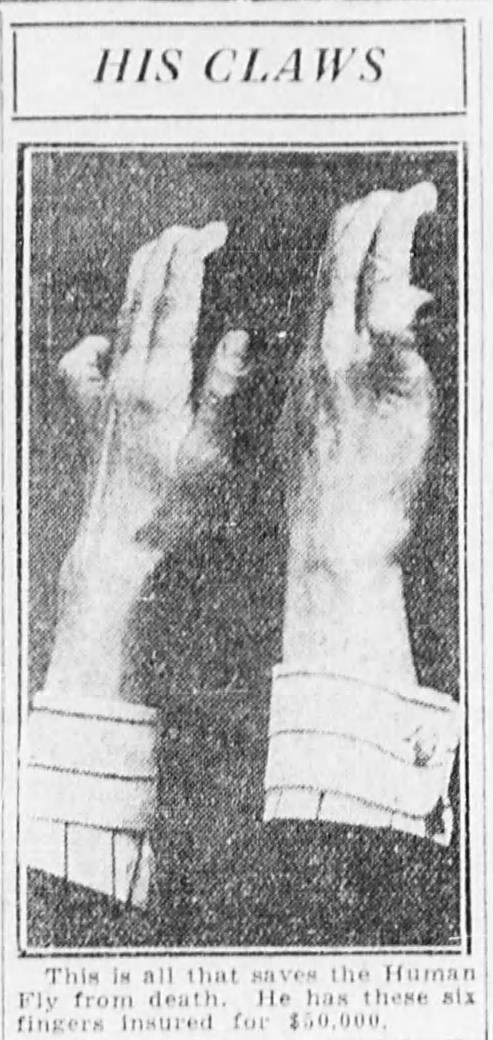
Asheville newspapers promoted the event for days through advertisements and feature stories. Gardiner was described as a veteran climber who had scaled more than 2,000 buildings across the United States. Reporters marveled at the fingers that carried him up walls and noted that they were reportedly insured for $50,000, an enormous sum in 1926.
Gardiner insisted his work depended less on strength than concentration. He repeatedly told reporters that climbing was largely a mental exercise requiring discipline, precision and control. “Twenty per cent of my risk is physical. Eighty per cent of it is mental.”
A climb for disabled World War I veterans
The purpose of Gardiner’s Asheville appearance was serious. The Flat Iron Building climb was organized as a benefit for disabled veterans receiving treatment at Oteen Hospital. The fundraising effort involved the American Legion, Veterans of Foreign Wars and local civic leaders.
Plans called for veterans from Oteen to attend the event. A band concert was scheduled before the climb, and donations were collected to support relief efforts for former soldiers. Gardiner’s climb was originally scheduled for May 11, 1926.
Hundreds of spectators gathered downtown despite threatening weather. But rain forced organizers to postpone the event. Physicians at Oteen determined conditions were unsuitable for transporting veterans from the hospital, and the climb was delayed. Two nights later, Asheville got the show it had been waiting for.
The night Asheville looked up
On May 13, 1926, Gardiner successfully scaled the sandstone exterior of the Flat Iron Building before a large crowd gathered around Battery Park Avenue and Haywood Street. Newspaper coverage described spectators standing silently during the most dangerous moments as Gardiner worked his way upward. After reaching the roof, he performed additional stunts high above the city before descending.
Gardiner’s climb turned a new piece of Asheville’s skyline into a public spectacle, but the Flat Iron Building climb was only part of Gardiner’s Western North Carolina tour. Gardiner remained in Asheville after the benefit and soon climbed the George Vanderbilt Hotel before another large audience. One report estimated that approximately 5,000 people watched as he ascended the downtown hotel and performed stunts from the roof.
By then, Gardiner’s visit had become more than a single event. Asheville newspapers followed his movements, and crowds continued to gather for each new appearance.
Taking the spectacle to Chimney Rock
After climbing Asheville’s downtown landmarks, Gardiner turned his attention to one of Western North Carolina’s most famous natural attractions. In May 1926, he traveled to Chimney Rock for a highly publicized climbing exhibition intended to generate national attention for the region. Asheville newspapers reported that local promoter Dudley Reed believed Western North Carolina’s mountains deserved broader publicity and arranged the event as part of that effort.
Before the climb, nationally known opera star Marion Talley posed for photographs with Gardiner and wished him good luck. The stunt reflected the growing ambitions of the region. Asheville was promoting itself as a destination city, and Chimney Rock was emerging as one of North Carolina’s premier attractions. Gardiner’s appearance connected both to a national audience.
Why the 1926 stunt still matters
Today, Harry Gardiner is largely forgotten outside histories of daredevils and skyscraper climbers. Yet for several weeks in May 1926, he was among the biggest attractions in Asheville. Crowds packed downtown streets to watch him scale newly built landmarks. Veterans’ organizations used his celebrity to raise money for disabled soldiers. Tourism promoters enlisted him to showcase the mountains.
A century later, the Flat Iron Building still stands above downtown Asheville. Most passersby know it as part of the city’s familiar skyline. Few know that on May 13, 1926, it became the stage for one of Asheville’s most dramatic public spectacles — a climb that joined charity, celebrity and the city’s ambitions for the future. For a brief moment, Harry Gardiner made Asheville stop, look up and believe that almost anything was possible.
-
Strangeville: Elvis, Asheville and a tiny Cherokee museum

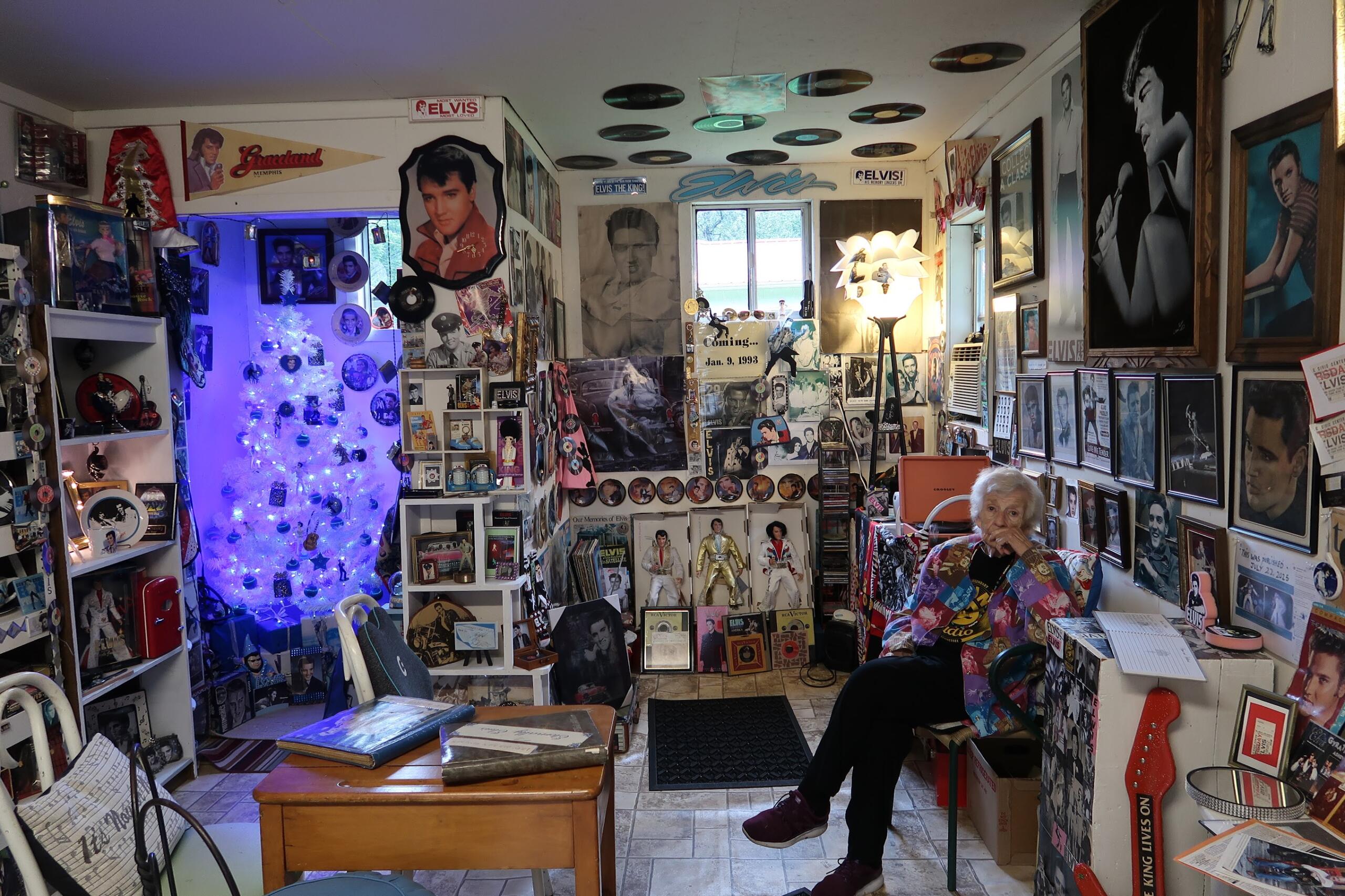
Just off of Highway 19 on the way down to Cherokee, N.C., eagle-eyed drivers might spot the silhouette of Elvis Presley on the side of a small brown building. Inside, visitors will find the Elvis Museum, owned and curated by Dorothy “Dee” Smith.
-
Strangeville: Revolutionary War Ghosts of the Carolina Backcountry

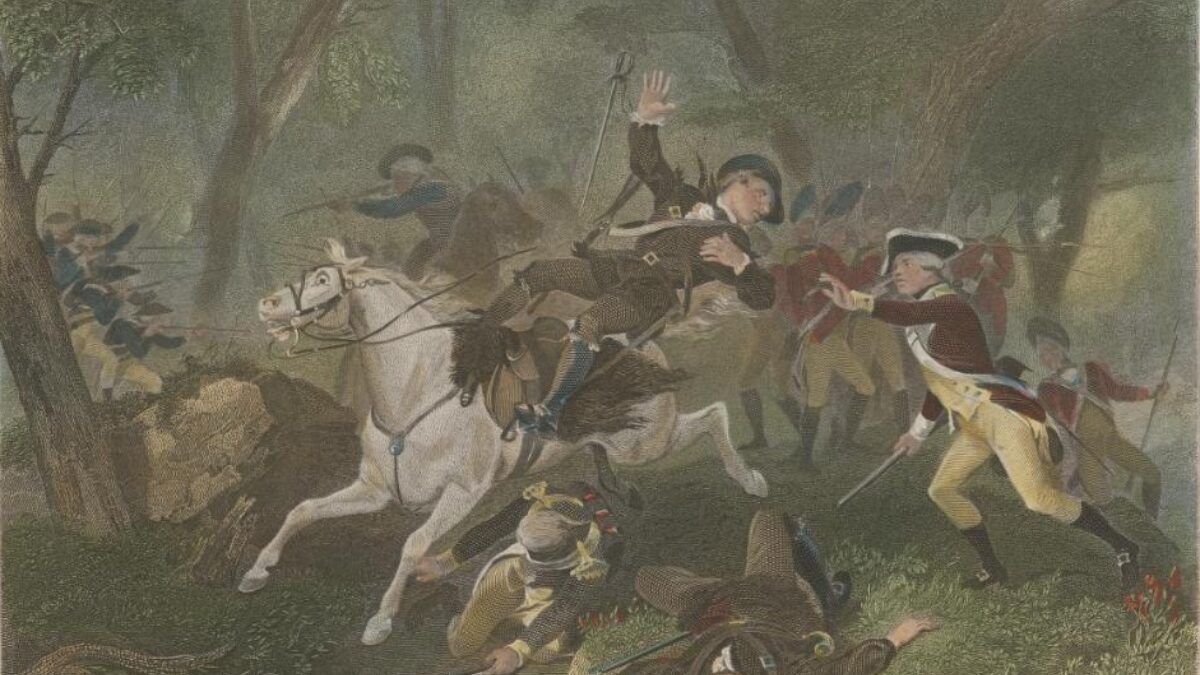
Ahead of America 250, Revolutionary War folklore links Western North Carolina’s Overmountain Men to ghostly legends from the Battle of Kings Mountain.
-
Strangeville: Harry Gardiner, the ‘Human Fly’ Who Climbed Asheville’s Flat Iron Building
A century before viral stunts, Harry Gardiner drew crowds to downtown Asheville by scaling the Flat Iron Building without ropes — part spectacle, part fundraiser and part civic promotion.
-
Strangeville: Devil’s Den and the outlaw legends of Iron Mountain

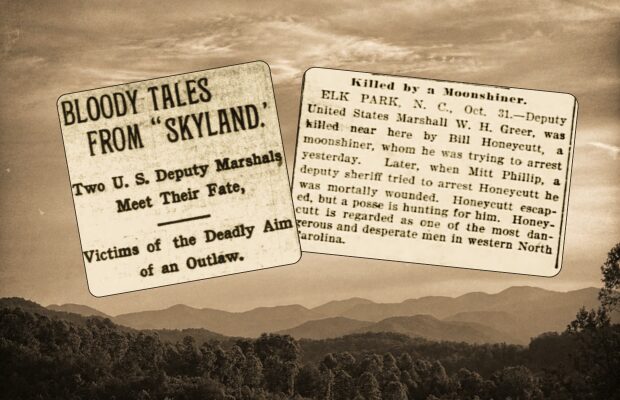
On the North Carolina-Tennessee line, Devil’s Den became part of a darker mountain history shaped by moonshiners and outlaws.
-
Strangeville: Why Thomas Wolfe testified in a Yancey County murder trial
The Asheville author testified in a Yancey County murder trial after witnessing a Burnsville confrontation one week before a deadly shooting.