
EDITOR’S NOTE: Strangeville explores the curious and unexplained stories that have long defined Asheville and Western North Carolina. The region is full of unanswered questions, from old folklore and local legends to eerie encounters, unsolved moments in history, and the true-crime mysteries that still leave people wondering. Each week, we look back with an open mind and a sense of curiosity, trying to understand why some stories take hold and why some can never be explained.
WESTERN NORTH CAROLINA (828newsNOW) — As America prepares to mark the 250th anniversary of American independence, the Revolutionary War can feel surprisingly close in the mountains of Western North Carolina.
Across the Blue Ridge, old family cemeteries hold the graves of Patriot soldiers. Historic markers trace the path of the Overmountain Men. And while the mountains are rich with ghost stories, few legends reach back as far as the fight that helped shape the United States.
In the folklore of the Carolina backcountry, some believe the echoes of the Revolutionary War never completely faded.
The Battle That Changed the South
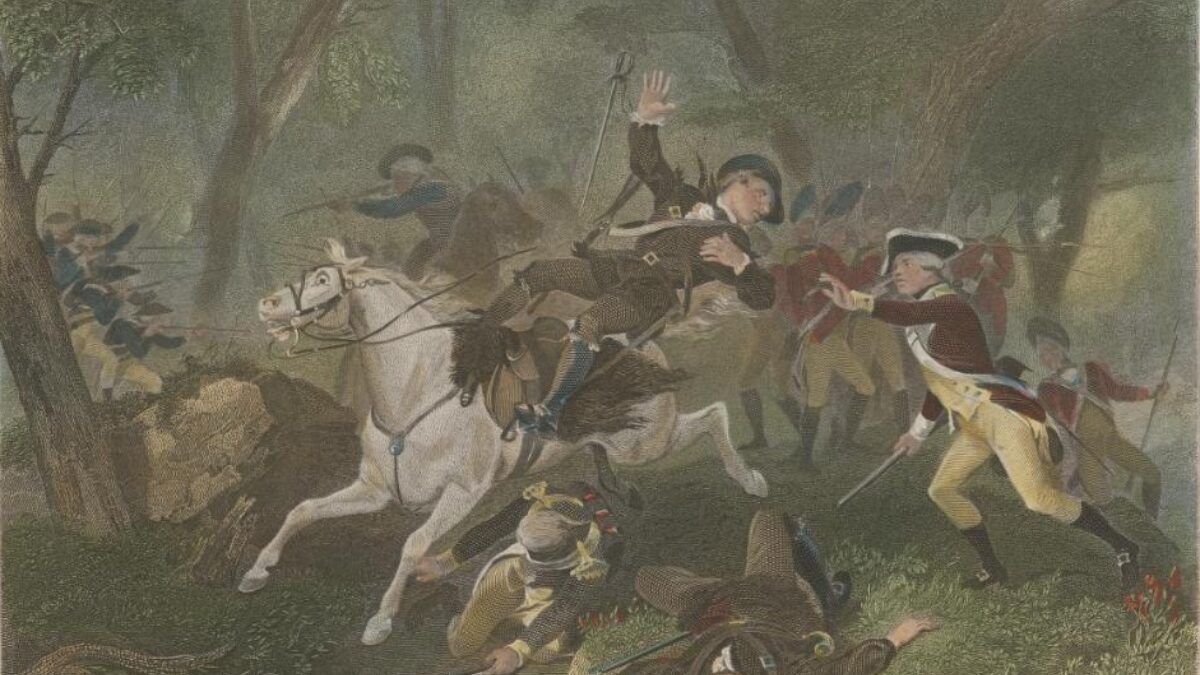
On Oct. 7, 1780, Patriot militia forces known as the Overmountain Men confronted a Loyalist army commanded by British Maj. Patrick Ferguson at the Battle of Kings Mountain.
The Patriot victory became one of the most important turning points of the Revolutionary War in the South. Historians have long credited the battle with helping reverse British momentum during the Southern campaign.
Many of the Patriot fighters came from mountain settlements in what is now Western North Carolina and eastern Tennessee. They crossed the Blue Ridge and marched south to confront Ferguson’s forces, creating one of the defining stories of Appalachian history.
But victory came at a cost.
The battle lasted little more than an hour. Hundreds of men were killed, wounded or captured on the rocky ridge. Ferguson himself died on the battlefield.
It is little wonder that ghost stories followed.
The Sounds in the Woods
For generations, visitors have reported strange experiences around Kings Mountain.
The most common stories involve sounds.
According to local folklore, people walking near the battlefield after dark have claimed to hear distant musket fire, muffled commands, drums or the sound of marching feet moving through the trees. Some describe hearing what sounds like a battle unfolding somewhere beyond the woods, only for the forest to fall silent moments later.
The stories have endured for decades, passed from one generation to the next as part of the region’s larger tradition of Appalachian ghost stories and Revolutionary War folklore.
The Ghost of Patrick Ferguson
Another legend centers on Maj. Patrick Ferguson.
During the battle, Ferguson attempted to break through Patriot lines before being shot and killed. His body was buried near the battlefield beneath a cairn of stones.
Local lore claims his spirit never left.
Some stories describe a mounted figure moving through the woods near the battlefield, sometimes appearing only as a shadow. In other versions, visitors report feeling watched near Ferguson’s burial site.
The details change with each retelling, but one element remains constant: the man who died violently while leading his troops may still be riding the ridges where he fell.
Along the Overmountain Trail
The route traveled by the Overmountain Men stretches across the Blue Ridge and through communities in present-day North Carolina and Tennessee. Today, much of that path is preserved as the Overmountain Victory National Historic Trail.
Along the route, stories occasionally surface of ghostly campsites, phantom campfires and unexplained voices in remote mountain locations associated with the Patriot march.
These tales are more than simple ghost stories. They reflect how deeply the Revolutionary War shaped the mountain South. In places where history left a strong emotional imprint, folklore often follows.
As the nation approaches America 250 and the Fourth of July holiday, the ghost stories of the Carolina backcountry feel especially timely. They are among the oldest legends in the mountains — reminders that the fight for independence was not only fought in famous cities and distant battlefields, but also across the ridges, trails and settlements of the Southern backcountry.
And on a quiet evening near Kings Mountain, some visitors still find themselves listening for distant gunfire that should have faded away long ago.
-
Strangeville: Elvis, Asheville and a tiny Cherokee museum

Just off of Highway 19 on the way down to Cherokee, N.C., eagle-eyed drivers might spot the silhouette of Elvis Presley on the side of a small brown building. Inside, visitors will find the Elvis Museum, owned and curated by Dorothy “Dee” Smith.
-
Strangeville: Revolutionary War Ghosts of the Carolina Backcountry

Ahead of America 250, Revolutionary War folklore links Western North Carolina’s Overmountain Men to ghostly legends from the Battle of Kings Mountain.
-
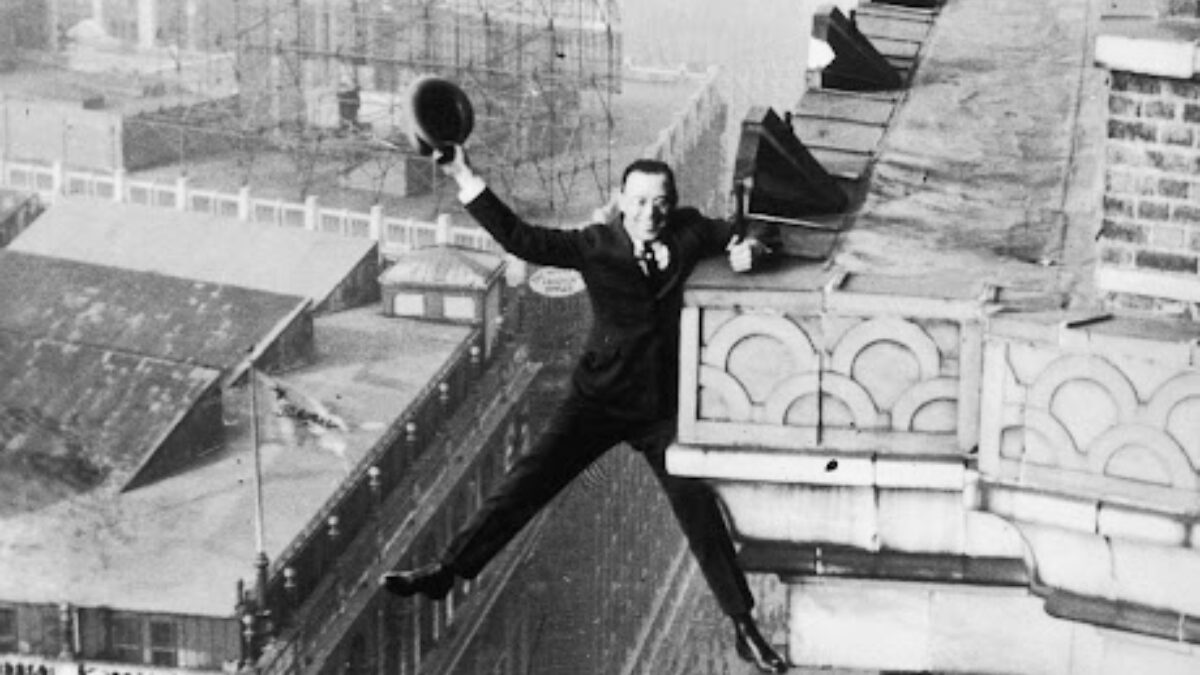
Strangeville: Harry Gardiner, the ‘Human Fly’ Who Climbed Asheville’s Flat Iron Building
A century before viral stunts, Harry Gardiner drew crowds to downtown Asheville by scaling the Flat Iron Building without ropes — part spectacle, part fundraiser and part civic promotion.
-
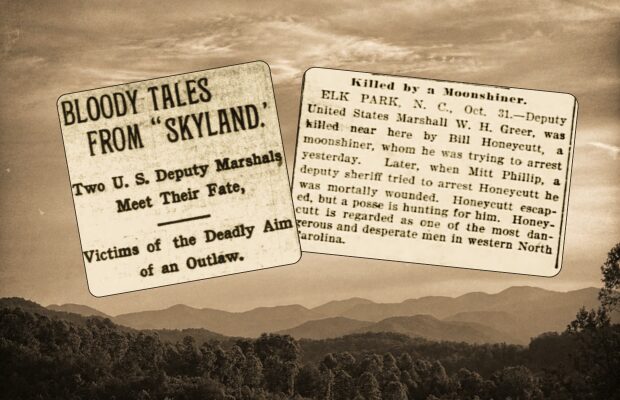
Strangeville: Devil’s Den and the outlaw legends of Iron Mountain

On the North Carolina-Tennessee line, Devil’s Den became part of a darker mountain history shaped by moonshiners and outlaws.
-
Strangeville: Why Thomas Wolfe testified in a Yancey County murder trial
The Asheville author testified in a Yancey County murder trial after witnessing a Burnsville confrontation one week before a deadly shooting.