


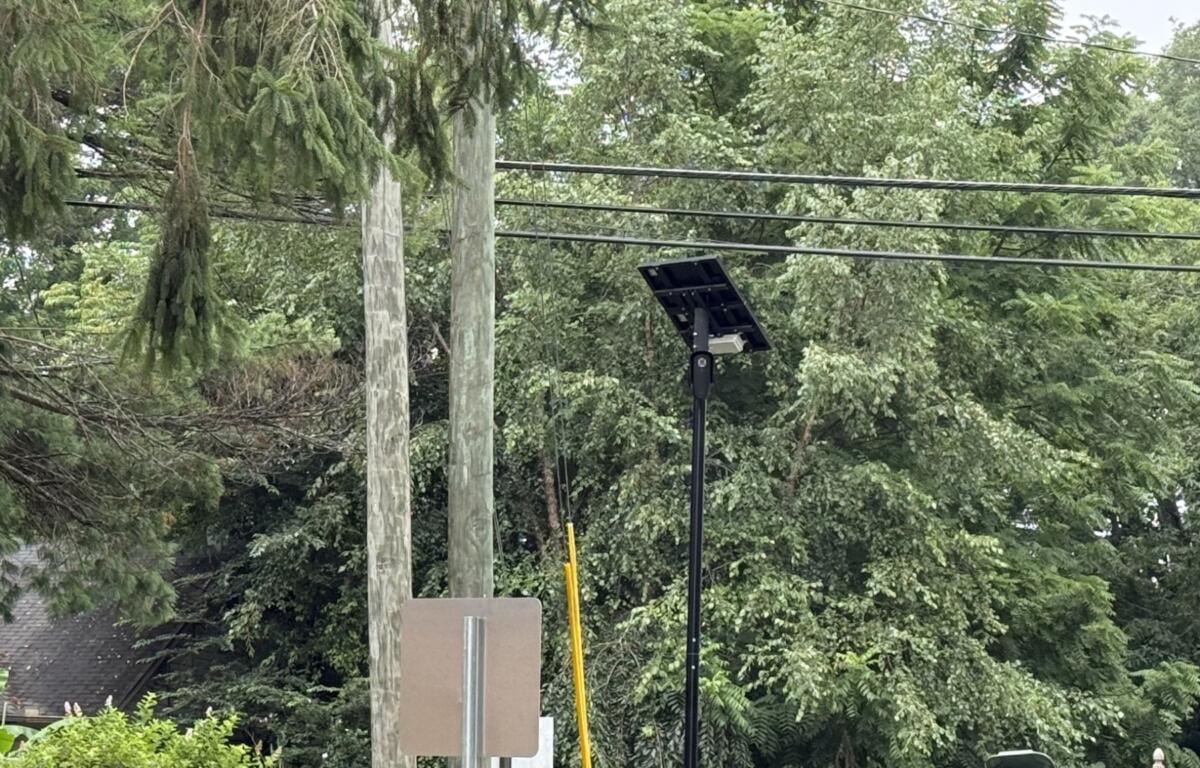

ASHEVILLE, N.C. (828newsNOW) — A provision included in North Carolina’s new state budget expands where law enforcement agencies can install automated license plate readers, allowing the cameras to be placed on state-maintained roads statewide for the first time.
For drivers in Asheville and Western North Carolina, the change means the technology could eventually appear along major corridors such as Interstate 26, Interstate 40, U.S. 74 and other state-maintained highways if local law enforcement agencies choose to participate.
The change was included in Senate Bill 257, the state’s $34.4 billion budget, which Gov. Josh Stein signed into law July 7. Because North Carolina governors do not have line-item veto authority, Stein could either sign or veto the entire budget, but could not reject individual provisions. While signing the measure, Stein called the budget one with “real flaws.”
The budget makes permanent a pilot program established in 2023 and authorizes the North Carolina Department of Transportation to enter into agreements with the State Bureau of Investigation for the placement of automated license plate readers, or ALPRs, on state-owned rights-of-way. Previously, the technology could be installed on state-maintained roads only through the pilot program.
The law allows any law enforcement agency in North Carolina to participate, subject to the requirements established in state law.
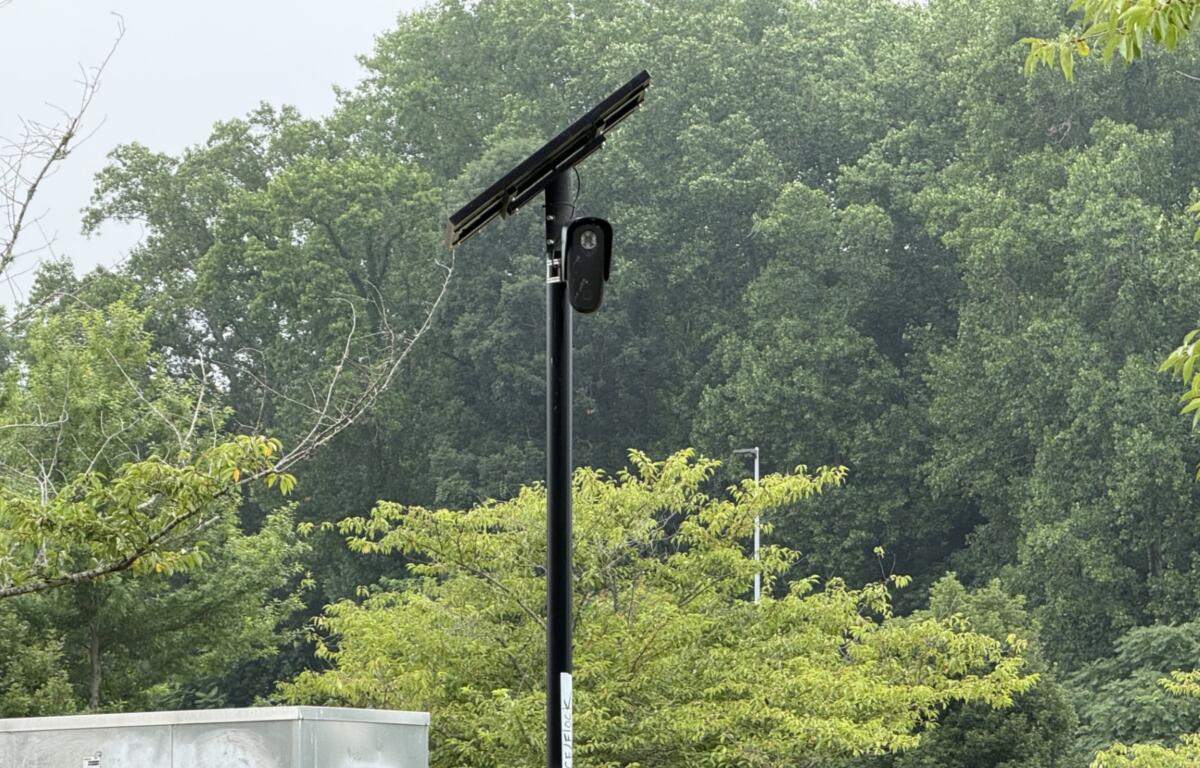
Automated license plate readers are already used by some law enforcement agencies in Buncombe County and elsewhere in North Carolina. The new law does not require additional cameras to be installed but expands where participating agencies may place them by allowing their use on eligible state-maintained rights-of-way.
The cameras photograph passing vehicles and record license plate numbers along with a vehicle’s make, model, color, date, time and location. That information is compared with law enforcement databases to alert officers to vehicles associated with felony warrants, stolen vehicles, missing persons and Amber or Silver Alerts.
Supporters, including Republican legislative leaders and many law enforcement agencies, say the technology has helped recover stolen vehicles, locate missing people and generate investigative leads.
House Speaker Destin Hall has said the cameras are a modern extension of what officers can already observe on public roads, while Senate President Pro Tempore Phil Berger has argued drivers have little expectation of privacy when traveling on public highways.
Critics, including the American Civil Liberties Union of North Carolina, say the systems collect information on millions of drivers who are not suspected of crimes and argue state law does not include sufficient safeguards governing how the data may be used.
Under state law, license plate reader data generally may be retained for up to 90 days unless otherwise authorized, such as for a criminal investigation or court order. The law also makes unauthorized use of the system a Class 1 misdemeanor and requires participating agencies to adopt written policies governing the technology.
The law applies statewide, including Western North Carolina, where state-maintained roads include Interstates 26 and 40 and numerous U.S. and N.C. highways connecting Asheville with surrounding counties. While the law authorizes placement of cameras on eligible state rights-of-way, it does not require law enforcement agencies to install them.
The SBI has reported that the pilot program grew to more than 140 cameras statewide and recorded more than 150 million license plate scans. The agency has credited the technology with helping recover stolen vehicles, locate missing people and generate investigative leads.
Whether additional cameras are installed in Buncombe County or elsewhere in Western North Carolina will depend on decisions by local law enforcement agencies and agreements between the SBI and NCDOT.