



ASHEVILLE, N.C. (828newsNOW) — If you’ve been waiting for a good excuse to step outside and look up, August has plenty.
The month brings a partial solar eclipse, the peak of the Perseid meteor shower, Venus shining brightly in the evening sky and a partial lunar eclipse to close out the month.
For skywatchers across Western North Carolina, some of the best opportunities will come Aug. 12 and again late in the month.
A solar eclipse and meteor shower in one night
Aug. 12 will be the month’s biggest day for skywatching.
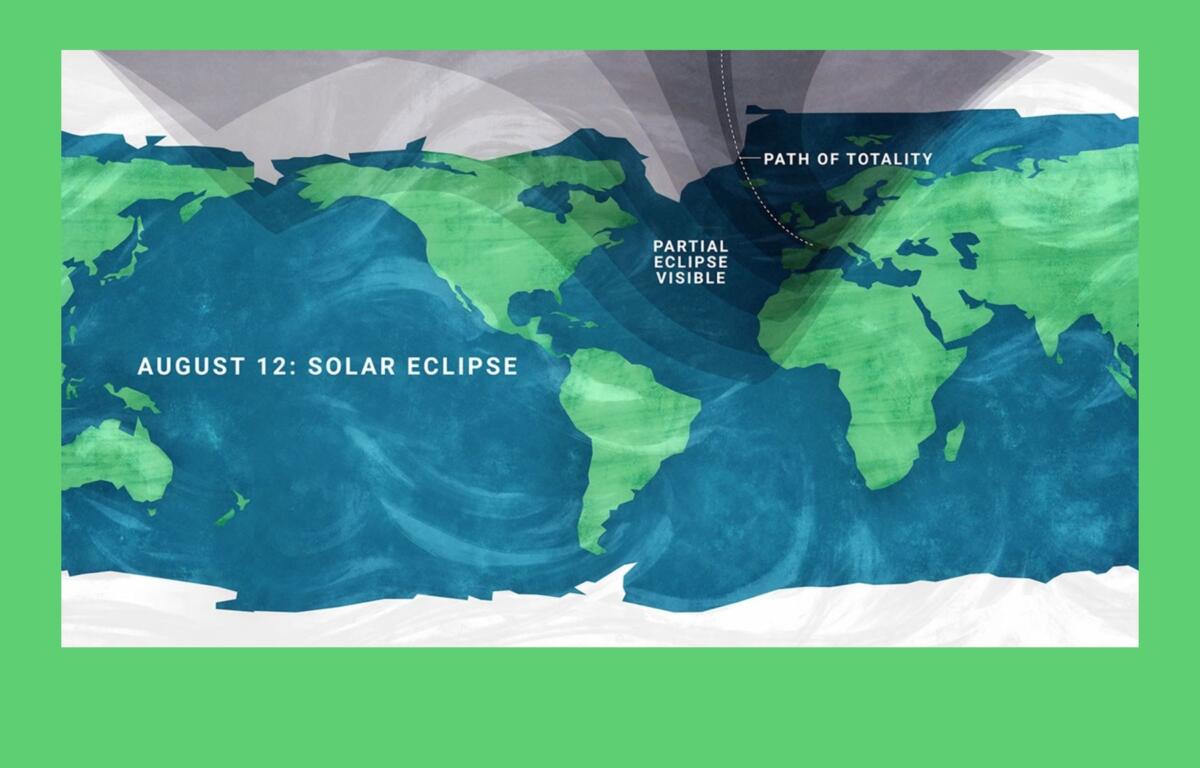
A total solar eclipse will sweep across parts of the Northern Hemisphere, including northern Russia, Greenland, Iceland and northern Spain. A small portion of Portugal also falls within the path of totality.
North Carolina will be among the areas where the eclipse can be seen partially. Instead of the moon completely covering the sun, viewers will see the moon take a smaller “bite” out of the solar disk, with the amount of coverage varying by location.
Anyone viewing a solar eclipse should use ISO-certified eclipse glasses or another proper solar viewing filter. Regular sunglasses are not sufficient protection.
But the celestial show won’t end when the sun goes down.
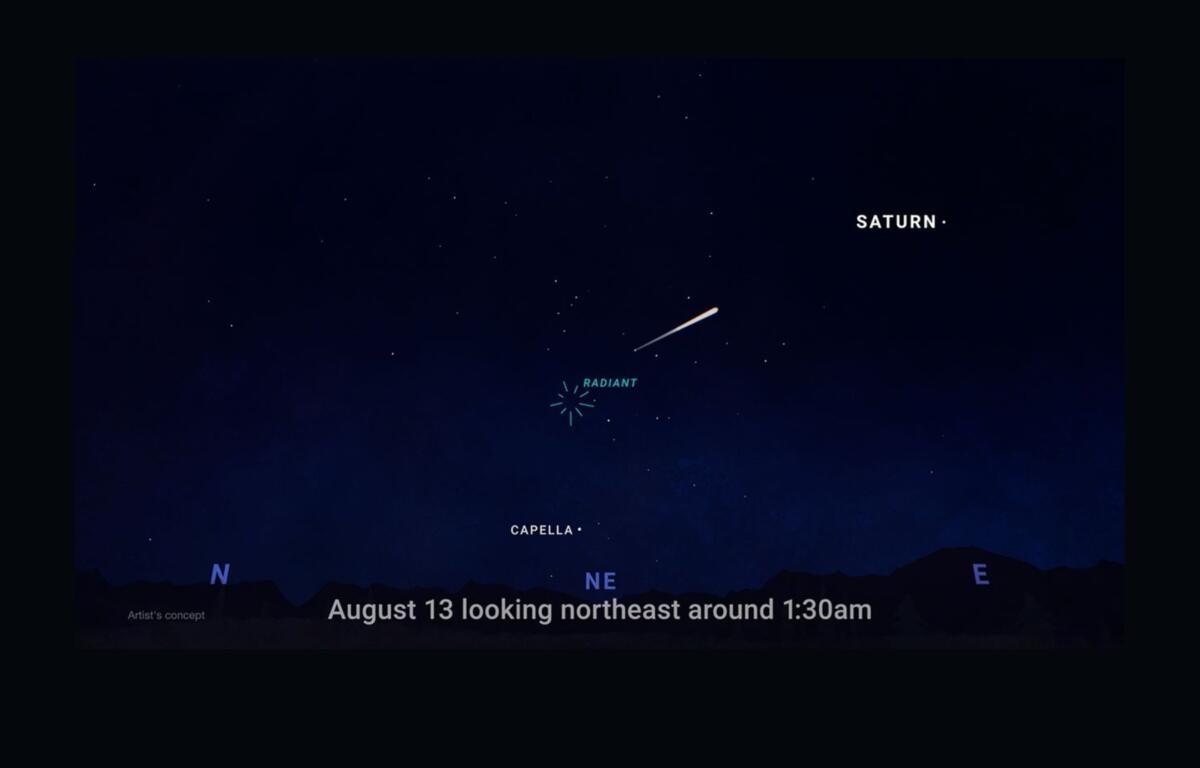
The Perseid meteor shower reaches its peak the night of Aug. 12 into the early morning hours of Aug. 13. The timing is especially favorable this year because a new moon arrives Aug. 12, leaving the sky dark and making the fainter meteors easier to spot.
The Perseids occur each year as Earth travels through debris left behind by Comet Swift-Tuttle. Tiny particles from the comet slam into Earth’s atmosphere at high speeds, heating up and producing the bright streaks commonly called shooting stars.
For the best chance of seeing them, head somewhere dark and open after nightfall and look toward the northeast. The meteors appear to originate near the constellation Perseus, but they can streak across almost any part of the sky.
Don’t give up after a few minutes. Allow your eyes about 30 minutes to adjust to the darkness, and stay out later as the stars and Perseus climb higher.
Venus takes center stage
The evening sky gets another bright attraction Aug. 14-16, when Venus reaches its greatest eastern elongation.
That’s the point when Venus appears at its widest separation from the sun during its evening appearance.
Look low in the western sky shortly after sunset for an object bright enough to outshine every star around it.
For those with a telescope, Venus will appear close to half lit, resembling a tiny version of a lunar phase.
The month ends with an eclipsed moon
Then, as August draws to a close, the moon gets its turn.
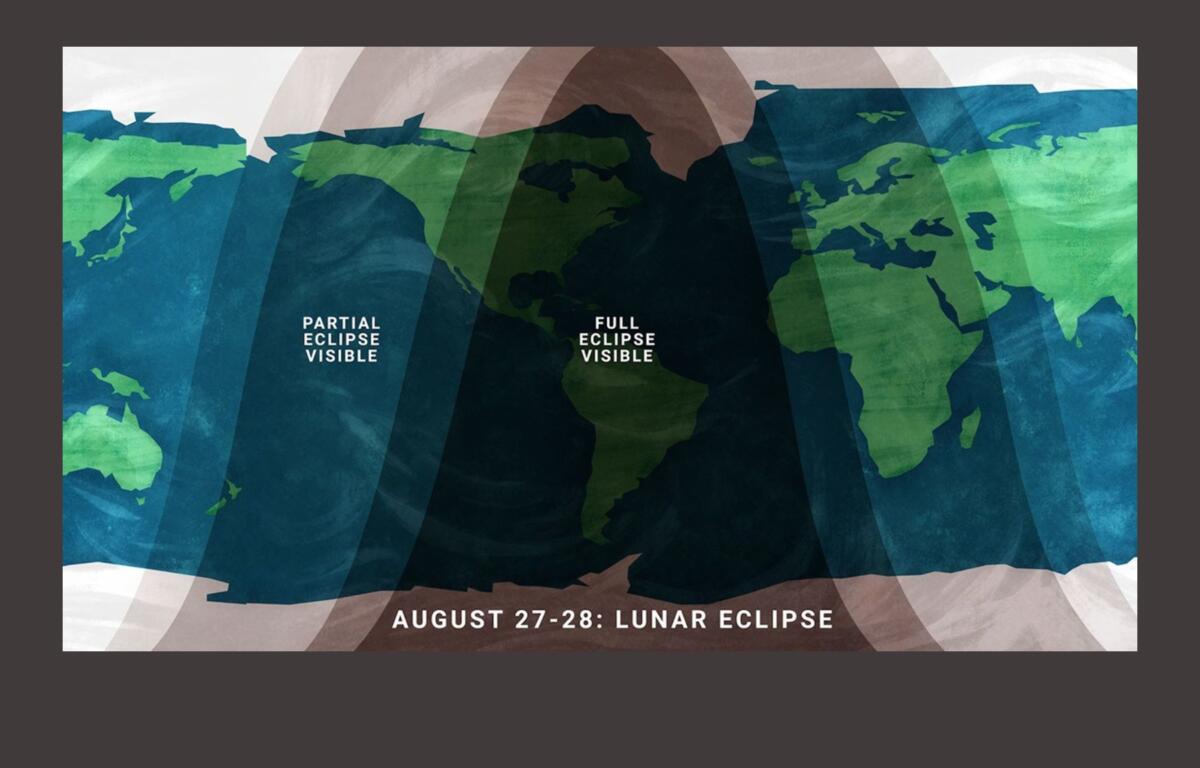
On the night of Aug. 27 and into Aug. 28 in some time zones, the full moon will pass through Earth’s shadow, creating a partial lunar eclipse visible across much of North and South America, as well as parts of Europe and Africa.
At the eclipse’s maximum, about 93 percent of the moon’s diameter will be inside Earth’s darkest central shadow, known as the umbra.
Because it is a partial eclipse, the moon won’t disappear completely. Instead, the portion inside Earth’s shadow can become dramatically darkened, with a rusty or coppery tint along the covered edge.
And unlike a solar eclipse, there is no special eye protection needed to watch a lunar eclipse.
Binoculars or a small telescope can provide an even closer look at Earth’s curved shadow as it moves across the lunar surface.
Mark the August skywatching calendar
For those who want to plan ahead, the month’s major events include:
- Aug. 5: Last quarter moon.
- Aug. 12: New moon and total solar eclipse along the path of totality; partial eclipse visible in parts of the United States.
- Aug. 12-13: Perseid meteor shower reaches its peak.
- Aug. 14-16: Venus reaches its greatest eastern elongation and shines brightly in the western evening sky.
- Aug. 19: First quarter moon.
- Aug. 27-28: Partial lunar eclipse.
- Aug. 28: Full Sturgeon Moon.
Whether you’re watching the moon cross the sun, waiting for a Perseid to streak overhead or simply catching Venus above the western horizon, August offers plenty of reasons to step outside.
The best equipment may be surprisingly simple: a dark spot, a clear sky and a little patience.