


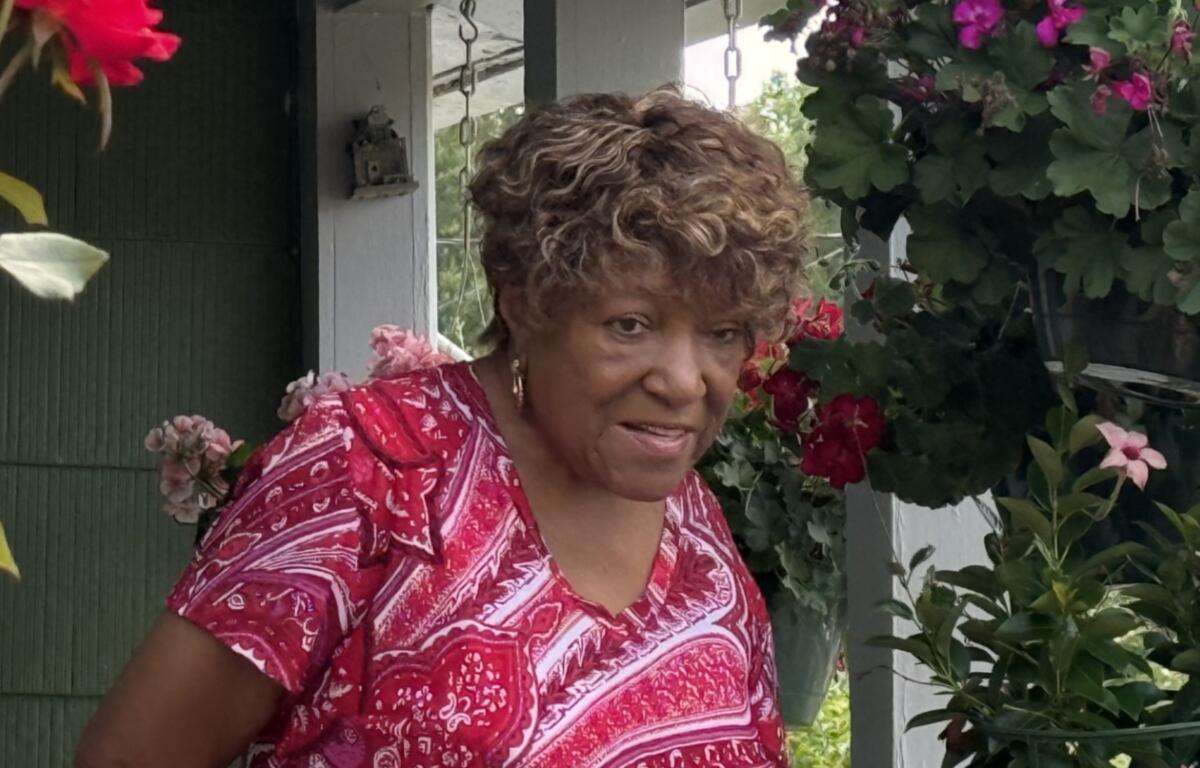

ASHEVILLE, N.C. (828newsNOW) — For Barbara Payne, Shiloh is more than a neighborhood.
It is the place her ancestors worked to build, the place where families once owned modest homes on larger pieces of land and the place she hopes will still feel like home years from now.
But as Asheville grows, Payne worries Shiloh could change so much that longtime residents no longer recognize it.
“Shiloh will be no more,” Payne said, describing her concern that continued development and an influx of new residents could eventually erase the community she and others have worked to preserve.
Payne was one of three Shiloh residents who spoke Wednesday during a neighborhood walk organized by AARP North Carolina and WRES-FM ahead of a candidate forum focused on housing, aging in place and the future of the neighborhood.
The concerns they raised were familiar ones — housing, development, infrastructure and disaster recovery — but their stories were personal.
They talked about land passed down through generations, homes packed more tightly onto existing lots, older residents struggling to maintain their houses and a younger generation that isn’t sure it will be able to own property in the neighborhood.
At the center of it all was a question: How can Shiloh grow without losing what makes it Shiloh?
‘You have to work together’
Payne, a longtime Shiloh resident, remembers a neighborhood where families worked together and property was passed from one generation to another.
She said her ancestors and other residents worked hard to acquire and maintain their land. Today, she worries that developers are buying those properties and putting multiple homes on lots that once held a single house.
Payne said she welcomes people moving into Shiloh but believes new development needs limits.
She also described frustration with newcomers who move into the historically Black neighborhood and then expect the community to conform to their preferences.
Her concern isn’t simply about buildings, she said. It’s about whether longtime residents will continue to have a voice in the community they helped create.
“You got to work together,” Payne said.
That theme came up repeatedly during the walk.
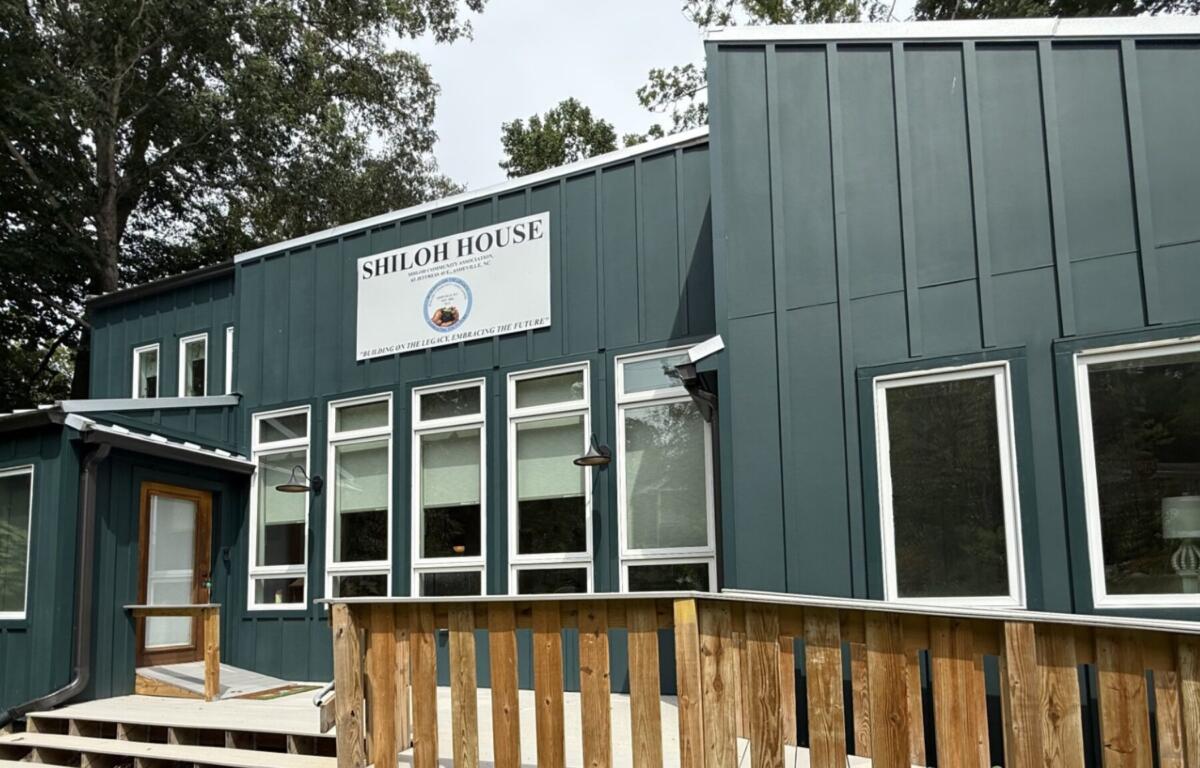
The Shiloh Community Association has pursued its own efforts to preserve the neighborhood, including acquiring a house after Tropical Storm Helene, which has since become a community resource center. The property sits near a community garden and Legacy Art Trail and now provides space for association meetings, one-on-one meetings and small community events.
The association’s vision is to preserve the community’s history while finding ways to sustain the property and continue serving residents.
Development, but at what scale?
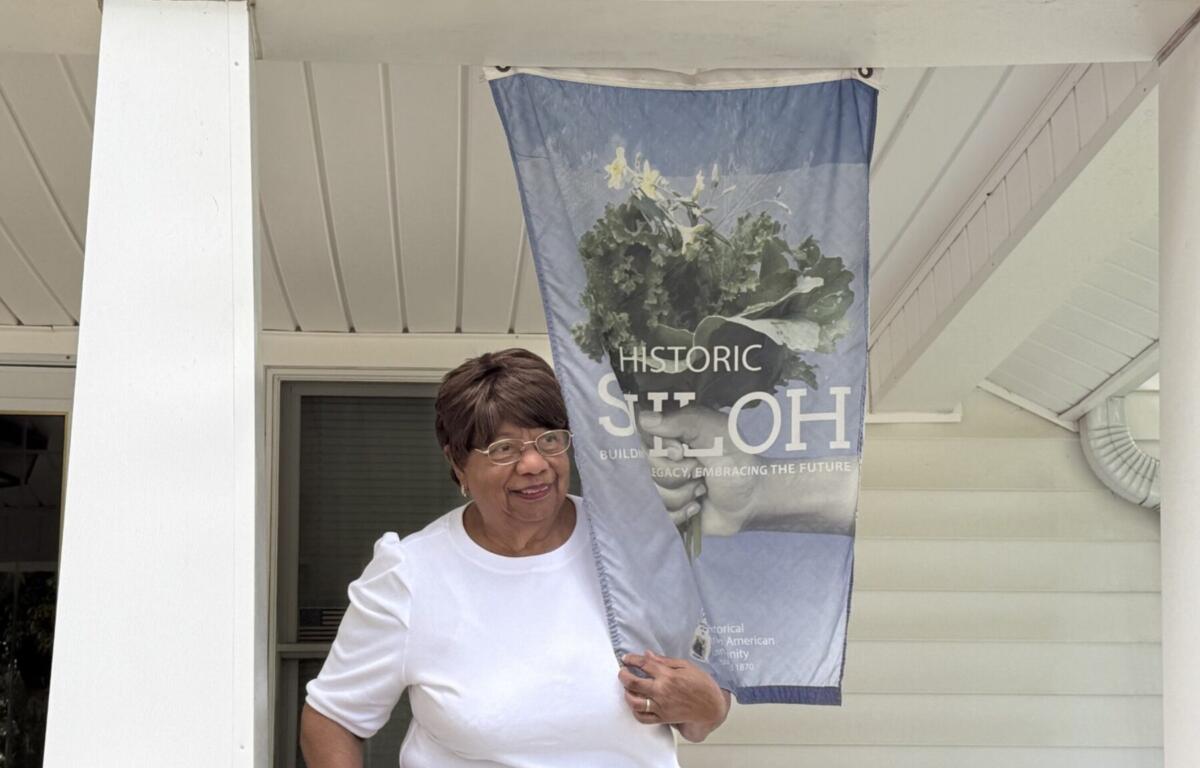
Norma Baines, another longtime Shiloh resident, said she understands that neighborhoods change.
“We have to have progress,” Baines said.
But she said residents also want to preserve the character of a neighborhood dominated by single-family homes.
Baines is concerned about proposals for large-scale development and apartment buildings, particularly when the surrounding infrastructure hasn’t kept pace.
Shiloh lacks sidewalks in some areas, she said, creating concerns for children, pedestrians and people walking dogs. She also pointed to potholes and streets that need work.
Newer homes packed closely together are another concern.
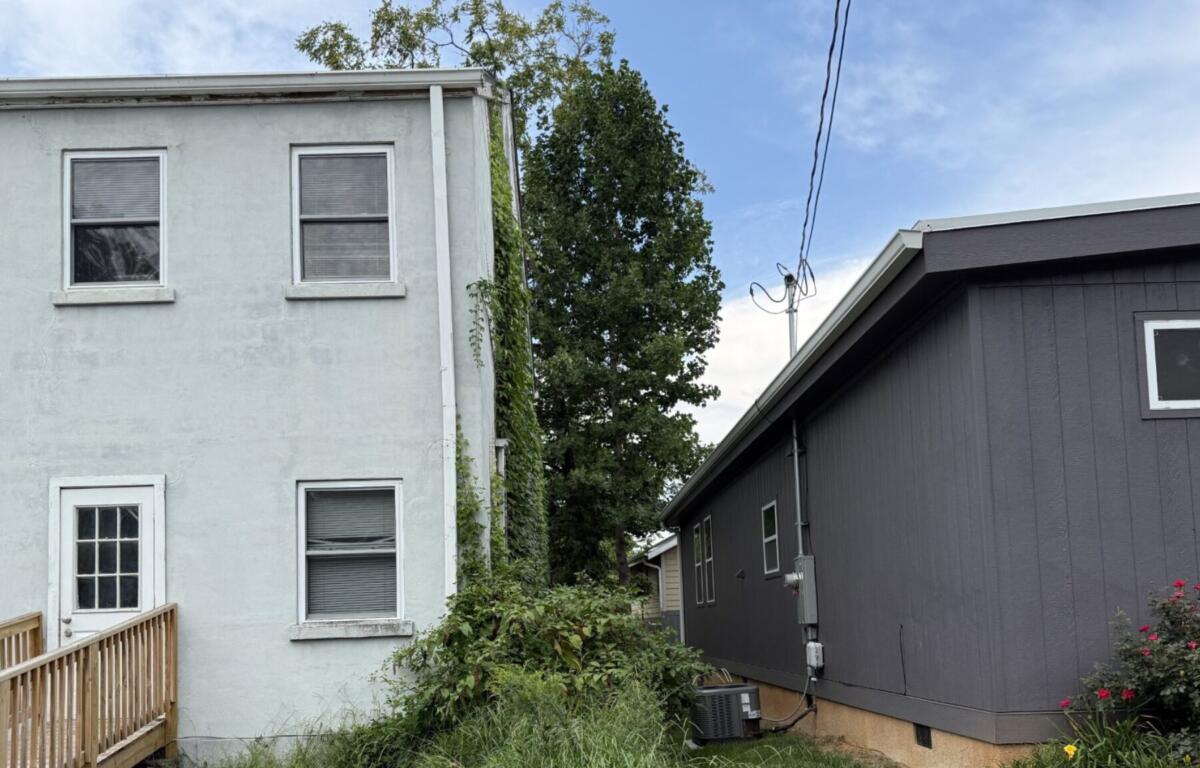
Baines pointed to development near Rock Hill Missionary Baptist Church and said the placement and scale of some homes don’t fit the neighborhood she knows.
She wants the city to work more closely with the community and neighborhood associations when shaping development policies.
Her concerns aren’t limited to what Shiloh will look like.
They also involve whether residents can safely remain there as they age.
Baines was born and raised in Shiloh, left for the Washington, D.C., and Maryland area for about 40 years, then returned to find some of the same neighbors still living nearby.
Now, she said, aging in place is deeply important to her.
Her children don’t live in Shiloh, and she said recovering from Helene was difficult. Insurance didn’t cover everything, and she had to seek help to replace her roof and make other repairs.
Even everyday tasks can become harder, she said.
Sometimes, she needs help carrying groceries into her house.
“Please pay attention to us, our seniors, because we do need help,” Baines said.
Keeping a place for the next generation
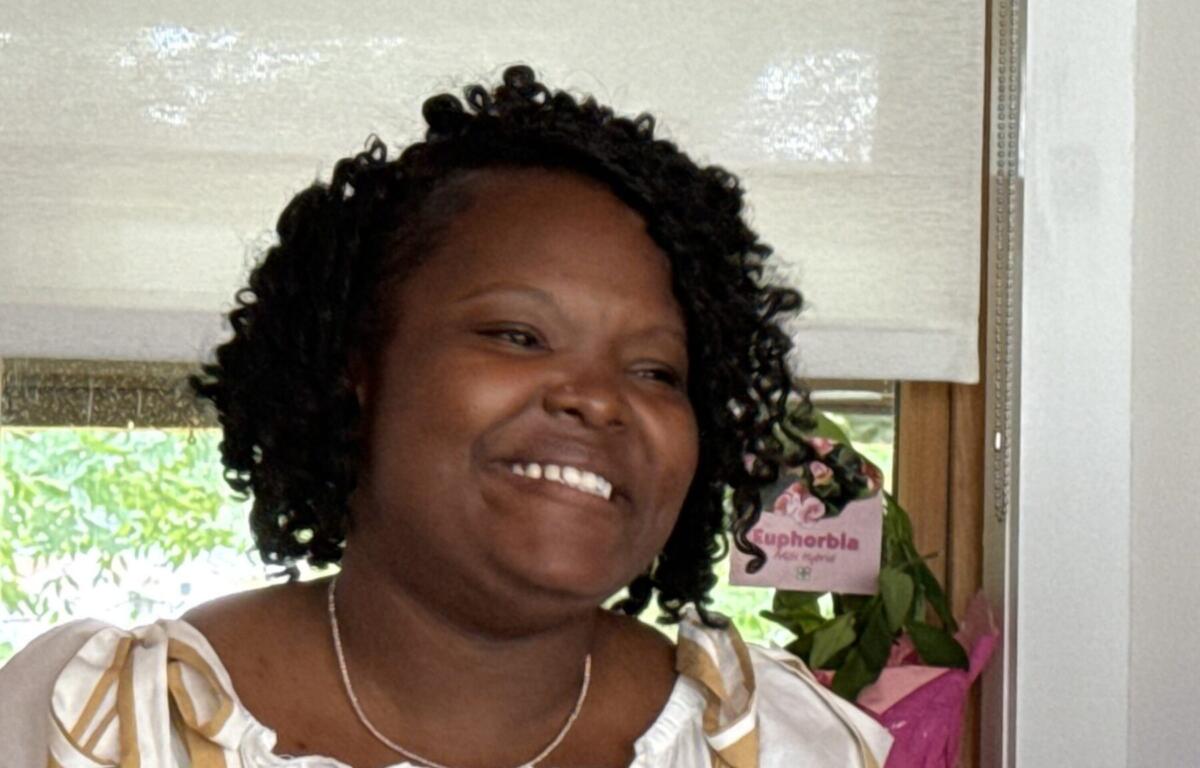
For Shaniqua Simuel, the future of Shiloh comes with a different concern.
She grew up in the neighborhood and now works with the Shiloh Community Association as a neighborhood navigator. She said she doesn’t see many people her age owning homes or land in Shiloh.
Many of the people who own property have held it for 30, 40 or 50 years, Simuel said. Meanwhile, she sees new homes being squeezed onto lots where families once had larger yards.
That raises a question that goes beyond preserving existing homeowners: Will the next generation be able to become homeowners in Shiloh at all?
Simuel said she also sees a generational disconnect within the neighborhood association. She works closely with Baines, but there’s roughly a 50-year age gap between them, she said, and younger residents can have different ideas and priorities.
She’d like to see more people her age involved in conversations about Shiloh’s future.
For Simuel, that future is deeply personal.
Her grandparents had two homes in Shiloh, and one — at 179 Shiloh Road — is the house she remembers most from childhood. She said she has talked with the people living there about eventually getting the home back and hopes they will follow through on an agreement to leave after five years.
The house isn’t just real estate to Simuel.
Her grandfather helped establish the community garden and planted some of the pear trees there. She remembers coming down Shiloh Road as a child and spending time with her grandparents.
“Coming into Shiloh,” she said, “this is home.”
And that’s what she hopes doesn’t disappear.
“I hope that it won’t change so much that it doesn’t feel like home one day,” Simuel said.
Helping residents stay
Simuel’s work with older residents has given her a long list of smaller needs that can determine whether someone can remain in their home.
Some seniors need help with yard work, taking trash cans to the curb, sorting paperwork or simply keeping up with household chores, she said.
Others need help with home repairs or accessibility improvements.
Simuel said Habitat for Humanity has helped repair roofs and siding and make homes more accessible, while she helps residents apply for home-repair assistance. She’d like to see more funding for those efforts.
She also wants to see more help for residents who fall into a gap in existing programs — people who make too much to qualify for assistance but not enough to comfortably afford needed work on their own.
Other ideas include senior property-tax breaks, more assistance with estate planning and wills, and programs that could employ young people in Shiloh to help older residents with everyday tasks.
Simuel also teaches digital literacy classes to seniors, helping residents learn basic computer and smartphone skills.
Some still use flip phones, she said.
For a community trying to help older residents age in place, those seemingly small barriers can matter.
Preserving more than houses
The concerns raised during the walk aren’t limited to houses and zoning.
Residents also talked about preserving community connections, the garden, local history and the ability of neighbors to help one another.
The Shiloh Community Association has built partnerships with local organizations and colleges and uses its community space for workshops and other programs. Simuel said the neighborhood’s garden also helps connect residents with fresh food, while partnerships provide food distribution, health programs and other services.
The association wants to continue expanding those efforts and eventually create a resource center.
For Payne, the path forward is rooted in the same principle that helped build Shiloh in the first place: residents have to stick together.
For Baines, it means getting city officials to listen more closely to longtime residents before decisions are made about development and infrastructure.
For Simuel, it means making sure there is still a place for younger residents to buy homes, inherit land and build their own memories.
Those ideas aren’t necessarily in conflict.
But they raise difficult questions for the candidates who came to Shiloh Wednesday to hear from residents: How much should the neighborhood change? How can Asheville add housing without displacing or overwhelming longtime residents? And what can local government do to help people stay in the homes and community they already call their own?
For Shiloh’s residents, the answer isn’t to stop the future.
It’s to make sure the future still has room for the people who built the past.