



ASHEVILLE, N.C. (828newsNOW) — There’s a particular kind of optimism that shows up in Asheville when somebody starts talking about snow.
It usually starts with a forecast that’s still several days away. Then somebody mentions the mountains. Someone else checks an app. Before long, people are debating whether it will actually snow in town or whether they’ll just get cold rain while the higher elevations get the good stuff.
Now, with summer winding down, the first long-range winter predictions are here.
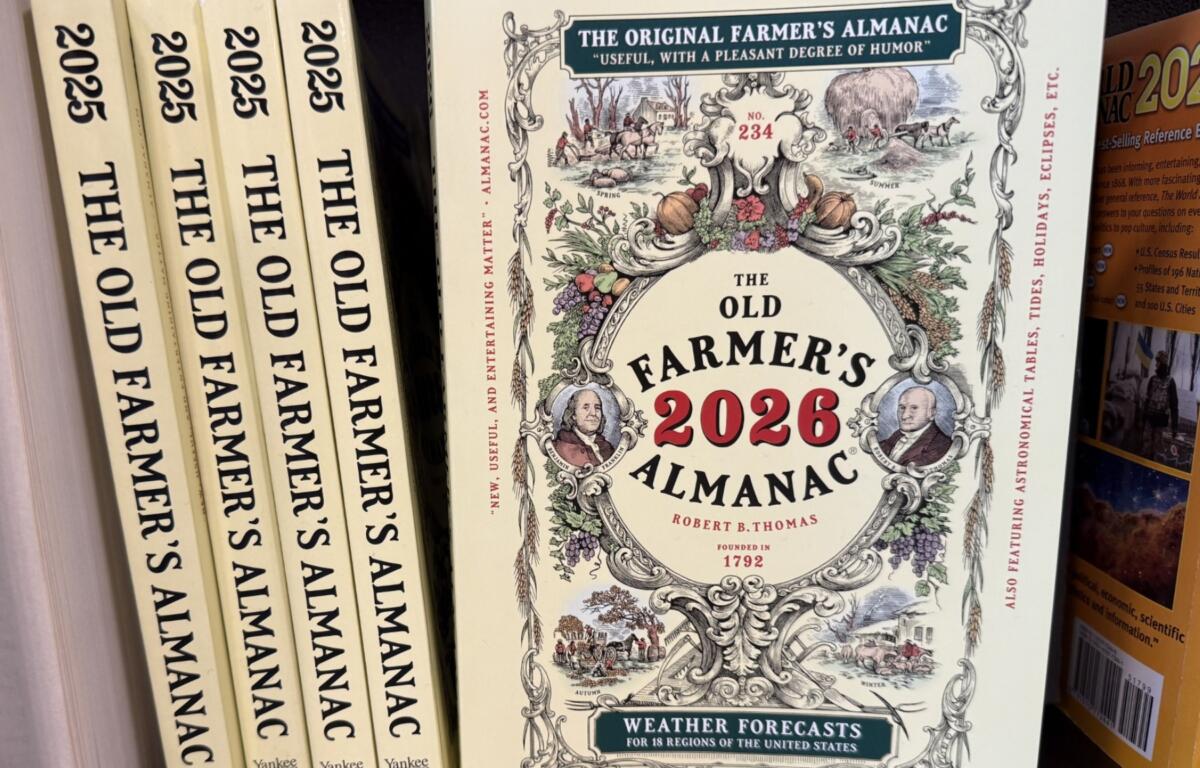
And if the Farmers’ Almanac and The Old Farmer’s Almanac are right, Western North Carolina could have a winter worth watching.
The two publications don’t completely agree on what is coming, but both leave the door open for interesting winter weather in the Southern Appalachians.
The Farmers’ Almanac is forecasting a wet and stormy pattern across much of the South, with an active storm track extending into the Southeast. Depending on temperatures when those storms arrive, the weather could include rain, sleet, freezing rain or snow.
The Old Farmer’s Almanac takes a different approach for the Appalachians. It is forecasting below-normal temperatures, below-normal precipitation and above-normal snowfall, particularly farther north in the Appalachian region.
It identifies mid-January and early and late February as periods to watch for snow.
For Asheville, that’s an intriguing combination.
But there’s a catch.
Asheville weather doesn’t always play along
Snow in Asheville has never been as simple as looking at a seasonal forecast and marking a few dates on the calendar.
Elevation makes a difference. So does the direction a storm is moving, how much cold air is in place and whether temperatures are just above or below freezing when precipitation arrives.
That can leave Asheville with rain while the higher elevations are turning white.
And sometimes the bigger concern isn’t snow at all.
A storm that brings temperatures hovering around freezing can mean slick roads, freezing rain and ice — the kind of winter weather that can cause plenty of trouble without producing a postcard-worthy snowfall.
That’s why neither almanac should be read as a promise that Asheville is going to have a snowy winter.
These are broad seasonal outlooks, not forecasts for individual storms.
The National Weather Service will have a much better idea of whether a particular storm will bring snow, sleet, freezing rain or rain when that storm is actually approaching.
Still, the almanacs have been making winter predictions for generations, and plenty of people enjoy checking them out — particularly in a place where a few inches of snow can turn into a communitywide event.
When might the snow come?
The Old Farmer’s Almanac identifies mid-January and early and late February as periods to watch for snowfall in the Appalachians.
Its forecast calls for colder-than-normal temperatures and above-normal snowfall in the region, although it also expects overall precipitation to be below normal. And its snowfall outlook is more favorable farther north in the Appalachians than it is specifically for Asheville.
The Farmers’ Almanac doesn’t offer the same specific snowfall outlook for Asheville. Instead, it emphasizes a wetter, stormier pattern across the South and the potential for different types of precipitation depending on temperatures.
Put the two forecasts together, and the message for Western North Carolina isn’t necessarily that a major snow season is coming.
It’s that winter weather could be worth watching.
The forecasts suggest there could be opportunities for wintry weather in the mountains, particularly during the periods the Old Farmer’s Almanac identifies in January and February.
Whether Asheville gets the snow — or just the cold rain — remains to be seen.
And then there’s El Niño
Both forecasts are being made against the backdrop of El Niño, a natural climate pattern that can influence winter weather in the United States.
The Farmers’ Almanac expects El Niño to remain an important influence through the heart of winter, while The Old Farmer’s Almanac also considers the pattern in its winter outlook.
But El Niño doesn’t come with a simple “snow” or “no snow” switch for Asheville.
Local weather is shaped by a lot more than one climate pattern, particularly in the Southern Appalachians.
So for now, there’s no reason to start planning around a particular snowstorm.
But there may be reason to keep an eye on the forecast once winter arrives.
After all, this is Asheville.
Winter can go weeks without producing much more than cold rain.
Or one storm can shut everything down for a day, turn the Blue Ridge white and send everybody outside with a camera.
We’ll have to wait and see which kind of winter shows up this year.