


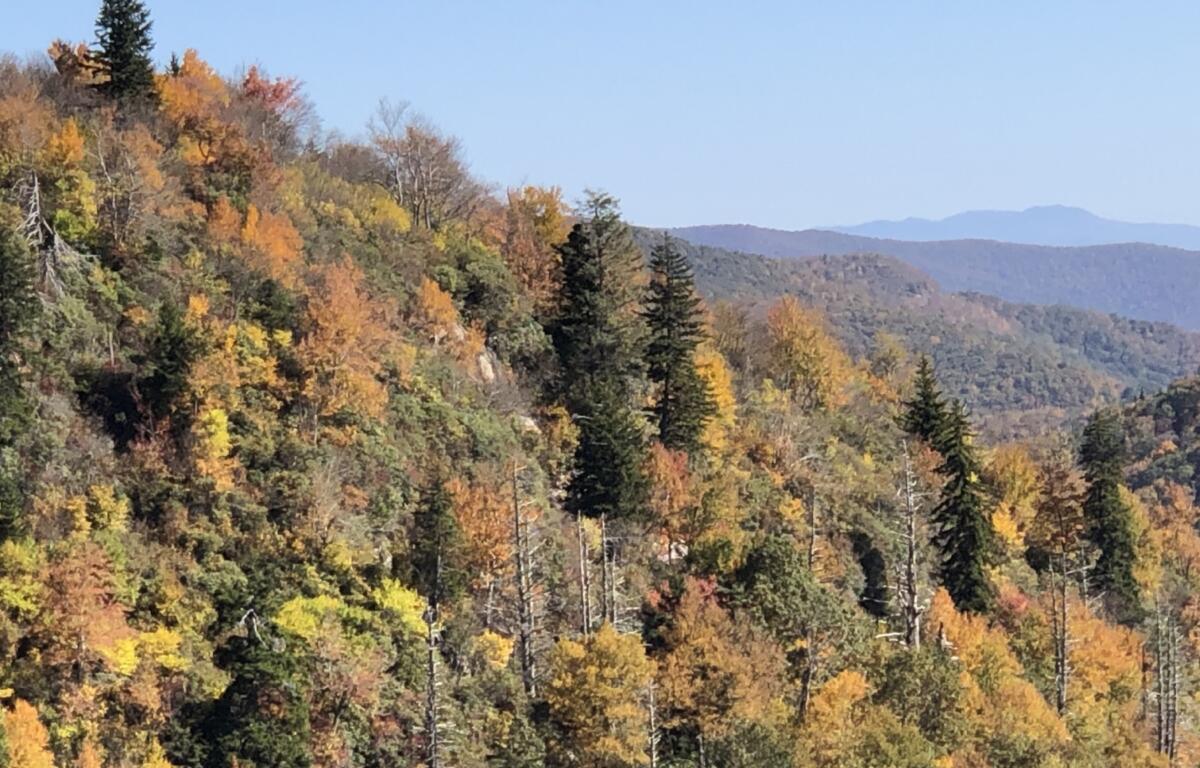

ASHEVILLE, N.C. (828newsNOW) — Fall color is coming to the mountains, and with it comes one of Western North Carolina’s most predictable autumn traditions: traffic on the Blue Ridge Parkway.
The parkway remains one of the region’s best places to see the leaves, but it isn’t the only option.
For those willing to take a different road, hike a little farther or explore beyond the usual overlooks, WNC offers plenty of ways to see the changing colors without making the parkway the centerpiece of the trip.
And there is no need to hit every destination on the same weekend.
The Fall Color Guy, Appalachian State University biology professor Howard Neufeld, says the timing of peak color depends heavily on weather, particularly conditions in late September and early October. In a typical year, color peaks around mid-October at elevations between 2,500 and 4,000 feet, with higher elevations changing first and lower elevations following later.
For 2026, current guidance from Explore Asheville and Neufeld has the first color appearing at the highest elevations in late September, moving into Asheville and surrounding areas by mid-to-late October and reaching lower elevations by early November. Those dates can shift with the weather.
So instead of relying on one destination or one weekend, consider following the color as it moves down the mountains.
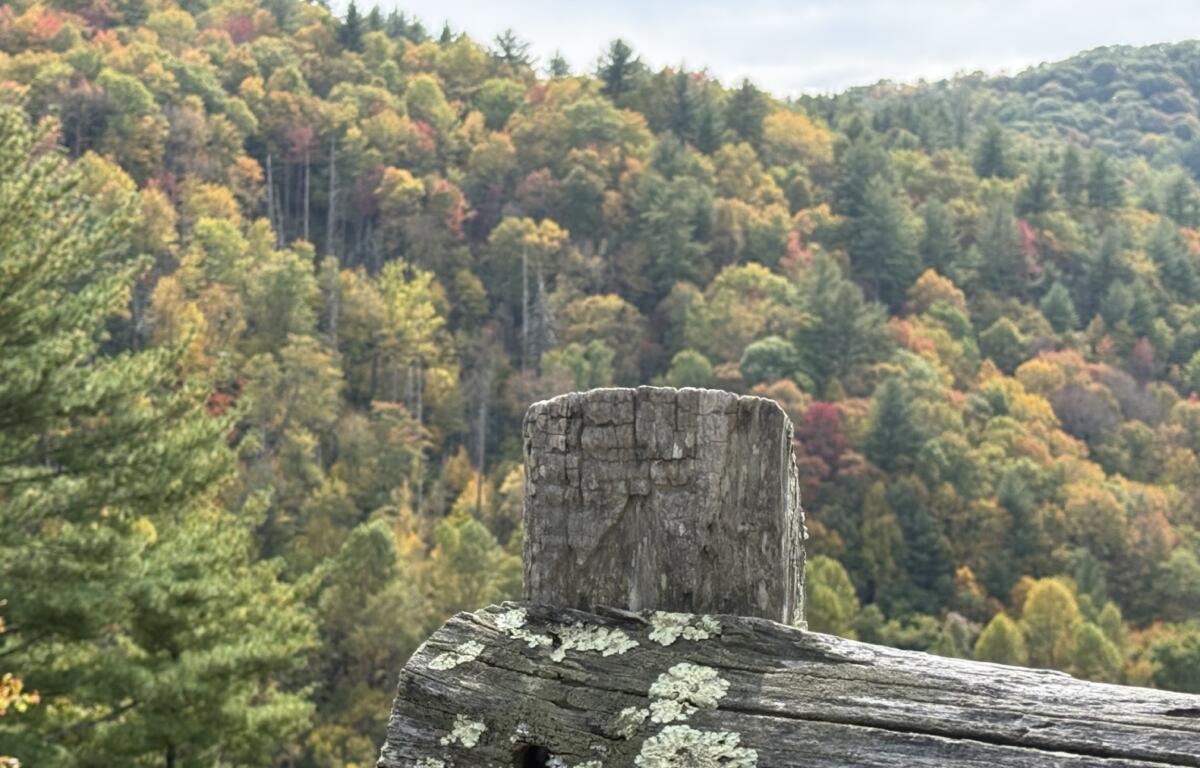
Cataloochee Valley
Tucked away in Great Smoky Mountains National Park, Cataloochee Valley offers a different kind of fall experience.
The valley combines mountain scenery, forests, historic buildings and the chance to see elk. It also offers an alternative to some of the park’s more heavily visited destinations during the busy fall season.
Because color moves from higher elevations toward the valleys as the season progresses, Cataloochee can be worth considering later in the season.
The National Park Service recommends exploring less-visited areas of the Smokies during the fall to help avoid the heaviest crowds.
DuPont State Recreational Forest
If waterfalls are as important as leaves, DuPont State Recreational Forest is hard to beat.
The forest’s network of trails provides access to waterfalls, lakes and mountain scenery, giving visitors plenty of ways to build a fall day around more than simply looking out from a roadside overlook.
DuPont isn’t exactly a secret, and it can be busy during peak foliage. But its extensive trail system gives visitors more ways to explore than a single roadside stop.
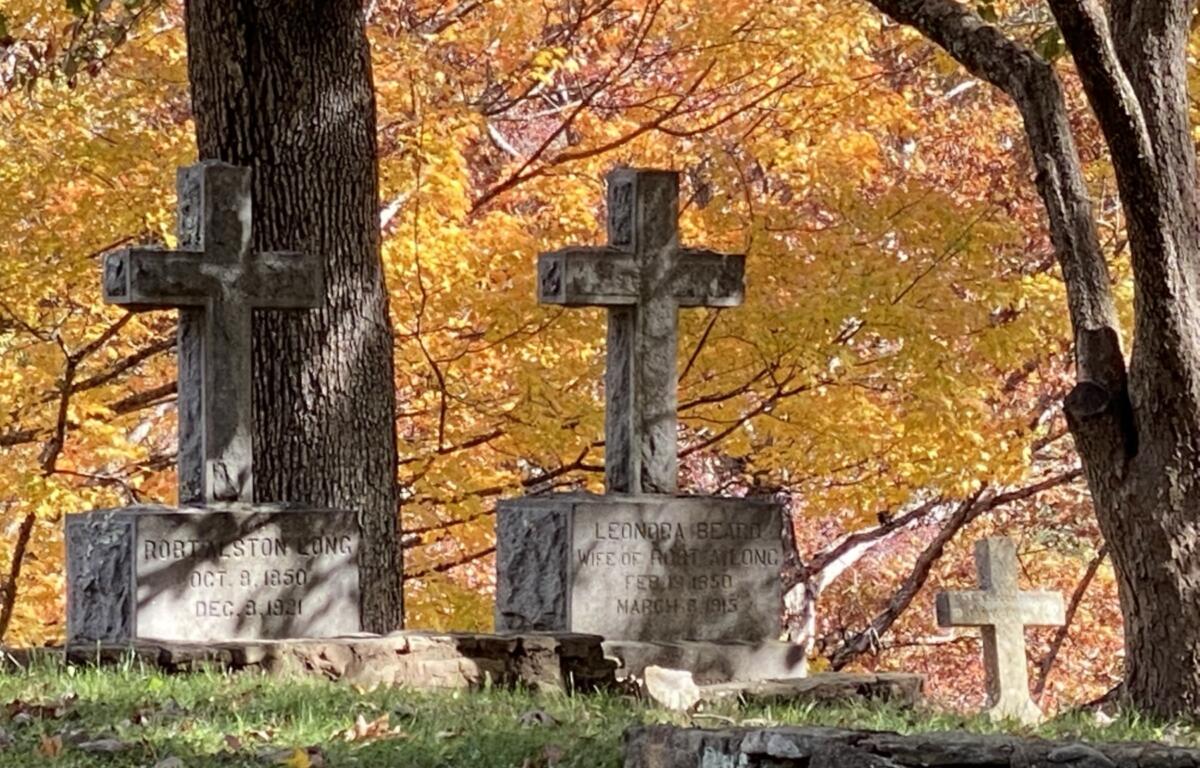
Bent Creek and the North Carolina Arboretum
You don’t have to drive hours from Asheville to find fall color.
The trails around Bent Creek Experimental Forest and the North Carolina Arboretum offer an option for people who want to get into the woods without making a full-day mountain trip.
The area can also be a good choice as color moves from the highest elevations toward Asheville.
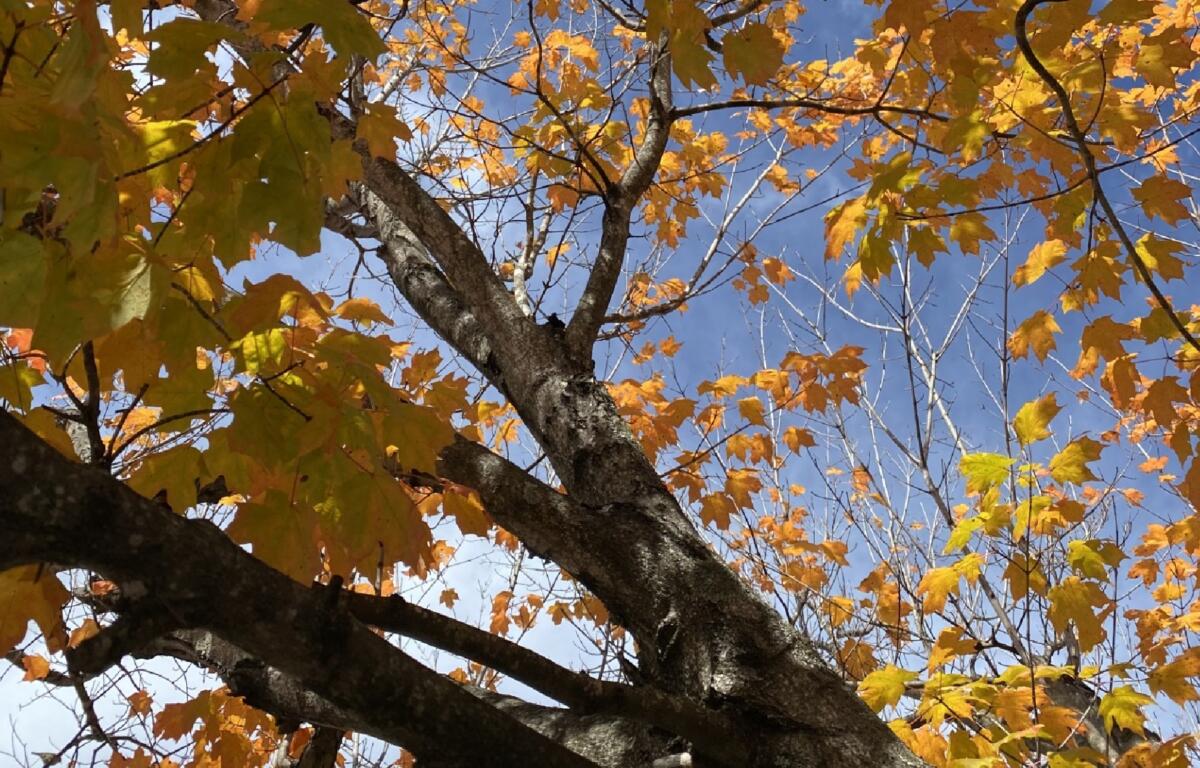
Gorges State Park
For a later-season leaf-peeping trip, head south.
Gorges State Park, near the South Carolina border, sits at lower elevations than many of the region’s most popular high-country destinations. That can make it a good option when the leaves at places such as Mount Mitchell and Craggy Gardens have already begun to fade.
Explore Asheville’s 2026 fall-color guidance identifies Gorges State Park and Chimney Rock State Park as potential late-season destinations, with lower elevations expected to hold color into early November.
Wildcat Rock and Hickory Nut Gorge
For those who want to trade the car for a trail, the Hickory Nut Gorge area provides another option.
The Wildcat Rock Trail offers mountain scenery, a 100-foot waterfall and views from a rock outcrop overlooking the Upper Hickory Nut Gorge.
Hikers can choose how far they want to go. Little Bearwallow Falls is about 1 mile from the trailhead, while Wildcat Rock is about 2 miles in. The trail continues to a ridgeline meadow and eventually connects with Bearwallow Mountain.
The trail is rated moderate to very strenuous, with the section beyond Little Bearwallow Falls becoming more rugged and steep.
There is an important access issue for anyone planning a fall hike: Conserving Carolina currently lists the Wildcat Rock trailhead as closed because of road restrictions following Tropical Storm Helene. The organization says the upper portion can be reached from Bearwallow Mountain, but Bearwallow Mountain Road through Gerton also remains restricted. Hikers should check current access conditions before making plans.
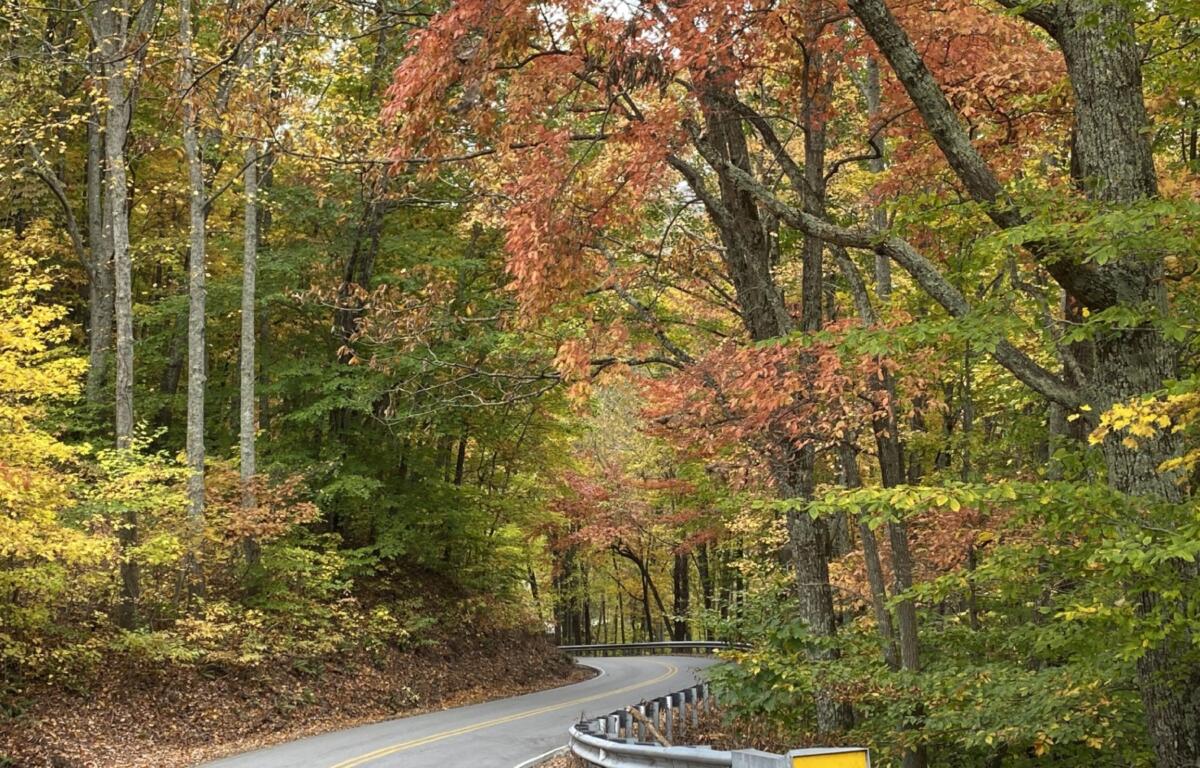
Take the back roads
Some of the best fall-color trips aren’t destinations at all. They’re drives.
U.S. 441 through Great Smoky Mountains National Park provides dramatic changes in elevation between Cherokee and Newfound Gap. The route can offer different stages of fall color along the drive as the season progresses.
N.C. 276 through Pisgah National Forest offers another scenic route, with waterfalls and forest scenery along the way.
And U.S. 74A through Bat Cave, Chimney Rock and Lake Lure provides a shorter alternative for Asheville-area residents who want mountain views without committing to a full day on the parkway.
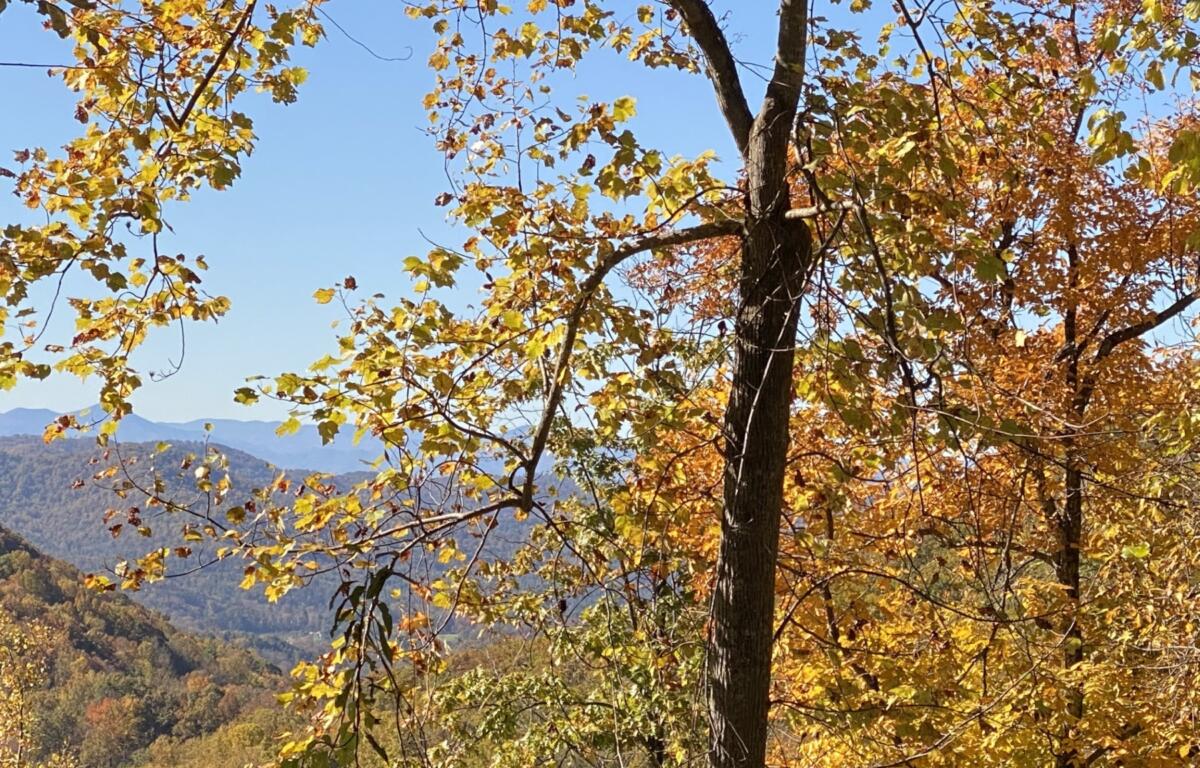
The trick is to follow the color
The biggest advantage Western North Carolina has during leaf season is its elevation.
Fall doesn’t arrive everywhere at once.
According to Neufeld, higher elevations generally change first, followed by middle elevations and then the valleys. That means when the leaves are past their peak on one mountain, another area may just be getting started.
For 2026, Explore Asheville’s current guidance puts the highest elevations into the first part of the season, with color moving toward Asheville later in October and lower elevations such as Chimney Rock and Gorges State Park holding color into early November.
That also means there isn’t one magic fall-color weekend.
A weekday trip can help visitors avoid some of the heaviest traffic, while checking weekly color reports can help determine where the leaves are actually changing rather than relying on a calendar date.
The Fall Color Guy begins scouting the mountains well before peak season and posts weekly observations as the season develops.
So, yes, the Blue Ridge Parkway will be busy.
But there’s no rule saying you have to follow the traffic.
Sometimes the best fall-color adventure is the road that takes you somewhere else.