



ASHEVILLE, N.C. (828newsNOW) — Asheville is moving forward with plans for 135 affordable homes and a $6 million program to help families avoid homelessness. But for residents struggling to pay rent or buy a house, much of that help is still months or years away.
City Council took several steps Tuesday, Oct. 13, to address the city’s housing challenges, authorizing financing for a 112-unit apartment development, approving rezoning for 23 Habitat for Humanity homes and accepting funding for a three-year homelessness prevention program.
The two developments would add affordable housing, while the $6 million program would help residents avoid losing the homes they already have.
The council also approved changes to a separate $4.7 million federal housing assistance program intended to help people experiencing homelessness or at risk of losing their homes.
The decisions come as housing costs continue to strain Asheville residents, including working families who earn too much to qualify for some assistance but not enough to comfortably afford a place to live.
135 affordable homes planned in Asheville
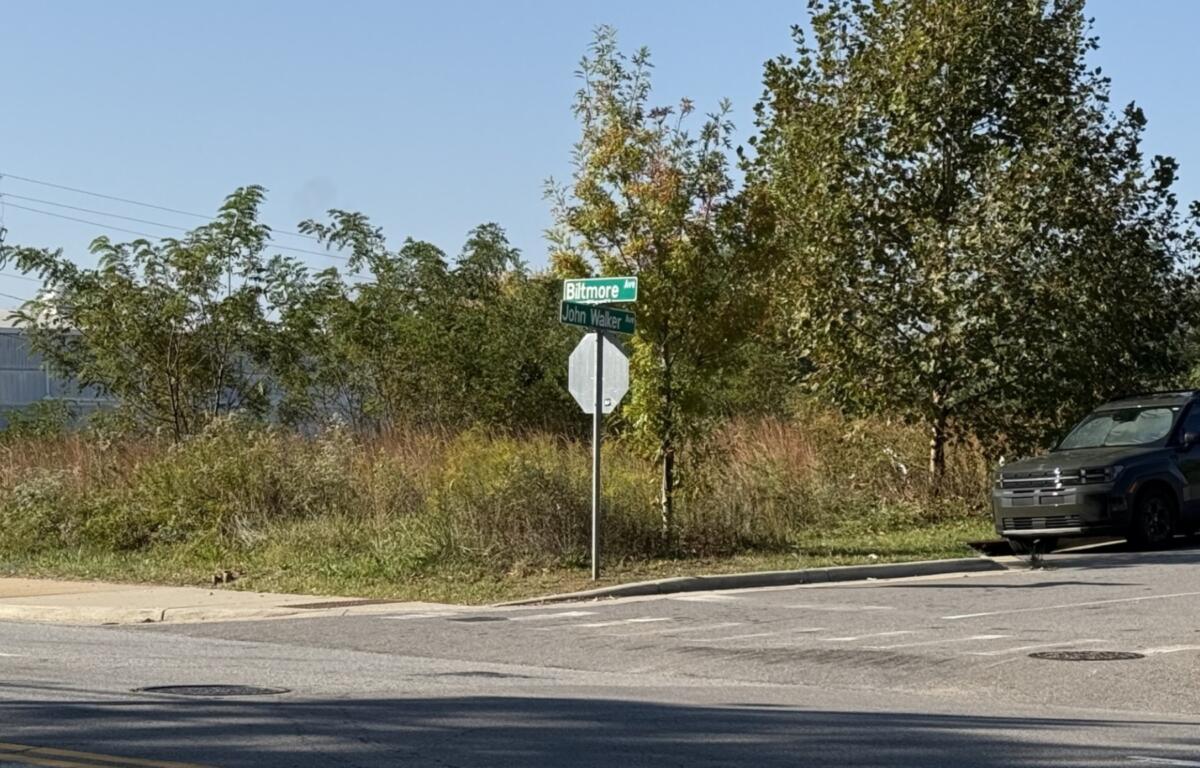
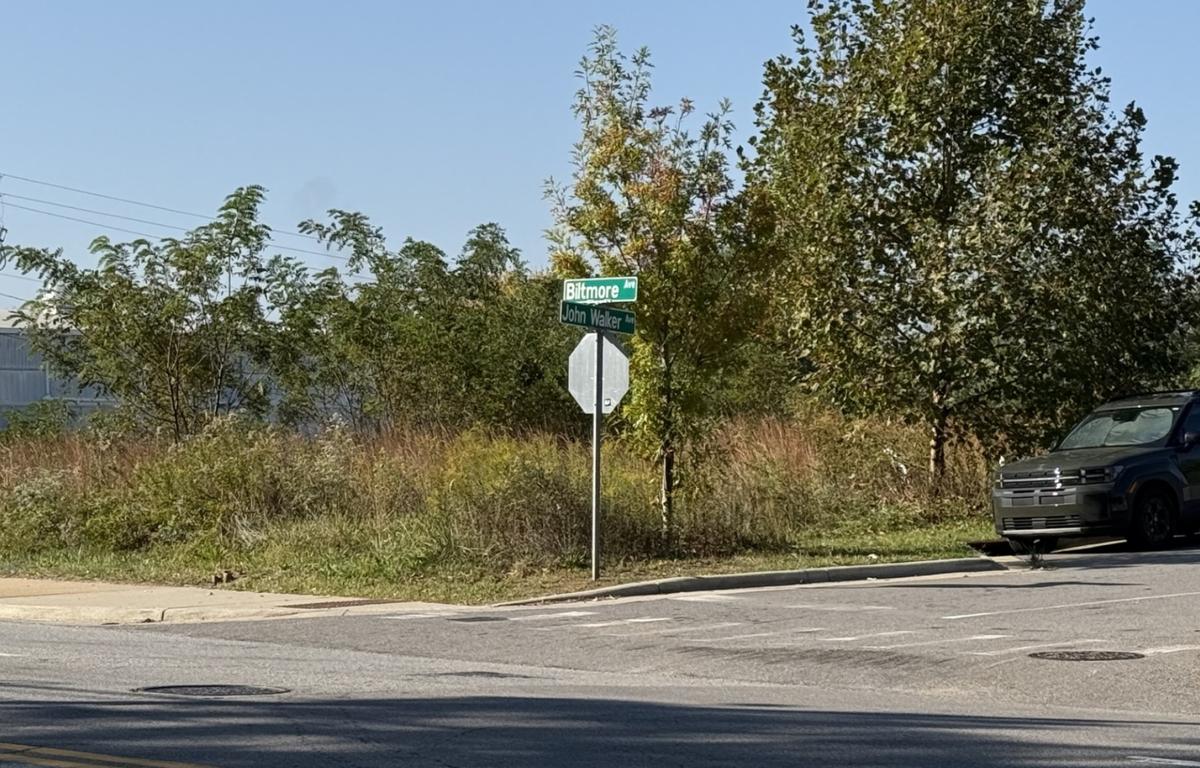
The larger of the two housing developments is 319 Biltmore B, a proposed 112-unit apartment complex at 4 John Walker Ave., near Biltmore Avenue.
Council authorized the Housing Authority of the City of Asheville to issue up to $9.75 million in bonds or notes to help finance the project. The financing would not make the city responsible for repaying the developer’s debt.
Developer Laurel Street plans a mix of studio, one-, two- and three-bedroom apartments.
All 112 apartments would be reserved for households earning no more than 80% of area median income. Of those, 41 would be designated for households earning no more than 60%, and 31 would serve households earning no more than 30%.
The apartments would remain income-restricted for 40 years.
Construction is scheduled to begin in December, with completion expected in June 2028.
Across town, Asheville Area Habitat for Humanity plans to build 23 homes in the Shiloh neighborhood, including 18 townhomes and five detached houses.
Council approved conditional rezoning for the development, planned along Tried Street and West Chapel Road.
The homes would be available to qualifying households earning no more than 80% of area median income, with affordability requirements lasting at least 20 years.
Unlike the apartments, the Habitat development would offer opportunities for homeownership.
But prospective residents still need some important information. The council materials reviewed for this story did not establish what tenants would pay to rent the Biltmore Avenue apartments or what buyers would pay for the Habitat homes.
A construction timeline for the Shiloh development also has not been announced.
$6 million to help families stay housed
While the two developments would take time to build, another council action could help residents sooner.
Council accepted a $6 million grant from Destination: Home, a California-based public-private partnership, for a homelessness prevention initiative called Right at Home.
The three-year program aims to help at least 1,000 households in Asheville and Buncombe County avoid homelessness.
Assistance could include help with overdue rent, utilities, car repairs or other unexpected expenses that put a household at risk of losing its housing.
The idea is to intervene before a financial emergency becomes a housing crisis.
The Asheville-Buncombe Continuum of Care has recommended Asheville Buncombe Community Christian Ministry, Homeward Bound and Operation Gateway to provide assistance. Pisgah Legal Services would offer legal support to eligible participants.
The program aims to help 250 households during its first year, with services expected to begin in January 2027.
Council is scheduled to consider agreements with the service providers Oct. 27.
The grant is part of a national pilot involving 10 communities. Its purpose is to test whether flexible financial assistance and other support can help families remain housed.
The program would not create new housing, and not every participating household would necessarily receive the same type or amount of assistance.
Details about how residents can apply and what they must do to qualify are still being developed.
Changes to $4.7 million federal housing program
Council also approved an amendment to the Asheville Regional Housing Consortium’s plan for nearly $4.7 million in federal HOME-American Rescue Plan funding.
The consortium includes Buncombe, Henderson, Madison and Transylvania counties.
The existing funding plan sets aside about $3 million for affordable rental housing development, $1 million for supportive services and approximately $705,000 for administration and planning.
The amendment would change how eligible households are prioritized and referred for assistance, including giving preference to people experiencing homelessness and those who became homeless for the first time after Tropical Storm Helene.
It also addresses access to short-term rental assistance and other supportive services.
During a Sept. 22 public hearing, council members questioned how much of the $1 million for supportive services would pay for staffing and case management rather than direct assistance. City staff said organizations seeking funding would have to explain how the money would be spent.
The amendment does not bring another $4.7 million to Asheville. It changes how an existing federal award would be administered and still requires approval from the U.S. Department of Housing and Urban Development.
Affordable housing, but for whom?
The latest housing plans come as Asheville continues to struggle with the gap between what homes cost and what many local workers earn.
In July, 828newsNOW examined whether people could afford to live alone in Asheville without roommates or financial help from family.
Readers described living with parents despite working full time, sharing housing to cover expenses and moving away because they couldn’t afford to buy a home.
The 2025 Asheville Area Housing Needs Assessment also pointed to a shortage of housing for lower-income households, even as thousands of units were planned or under development.
That makes the income restrictions at 319 Biltmore B important. Thirty-one apartments would be reserved for households earning no more than 30% of area median income, a group that often has the fewest housing options.
But a designation of affordable housing doesn’t necessarily tell a family whether it can afford the monthly payment.
Federal housing programs generally determine eligibility using income limits tied to area median income. Actual affordability also depends on rent or mortgage payments, utilities and other household expenses.
Without projected rents for the apartments or sales prices for the Habitat homes, it’s difficult to say exactly which Asheville residents would be able to afford them.
The developments also would add 135 homes to a market where the need extends well beyond those projects.
When will residents see results?
The council actions offer different kinds of help on different timelines.
Right at Home could begin assisting households in January, once agreements are finalized and the program is operating.
The 112 apartments near Biltmore Avenue aren’t expected to be finished until June 2028. The Habitat homes still must move through the development process, and a construction schedule hasn’t been announced.
Changes to the federal HOME-ARP program also depend on HUD approval.
For Asheville residents struggling with housing costs today, those timelines matter. The city’s latest efforts could help families stay housed and create more affordable places to live, but much of that assistance has yet to reach the people it is intended to serve.