


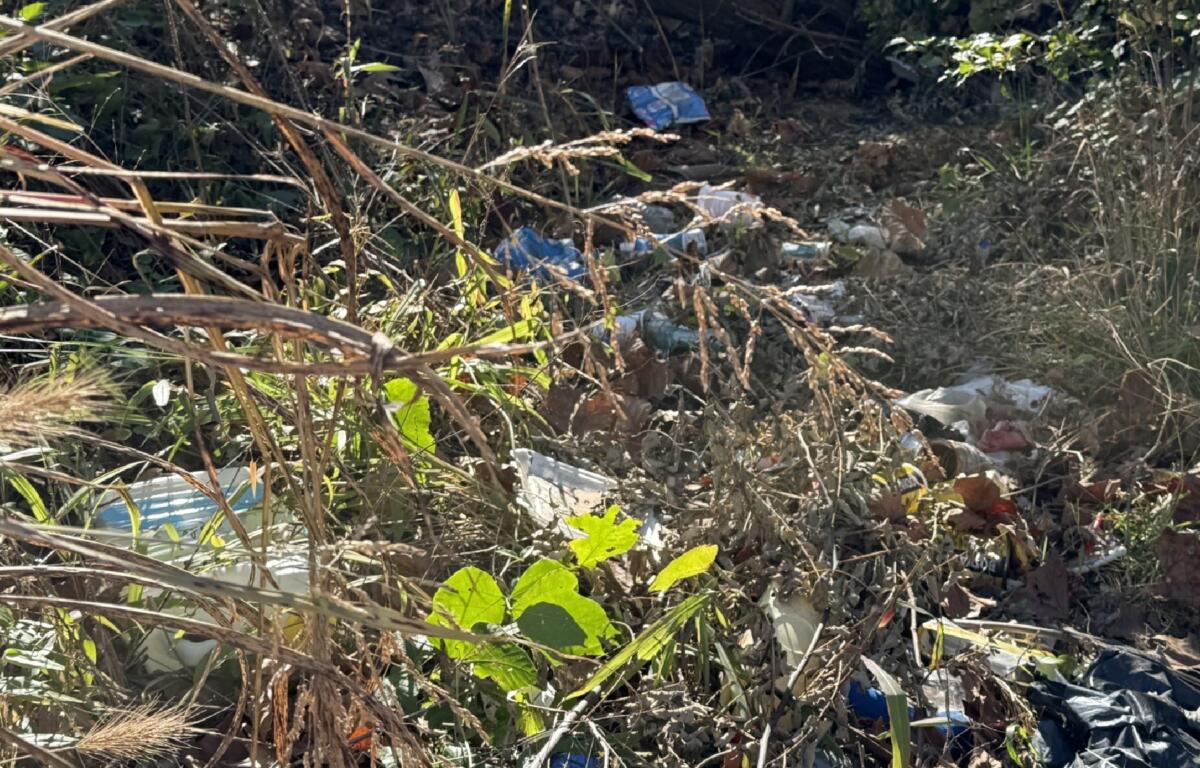

ASHEVILLE, N.C. (828newsNOW) — West Asheville residents say they’ve repeatedly complained about occupied vehicles, encampments and troubling encounters along neighborhood streets. City officials say they’re responding, but questions remain about whether those efforts are resolving the problems.
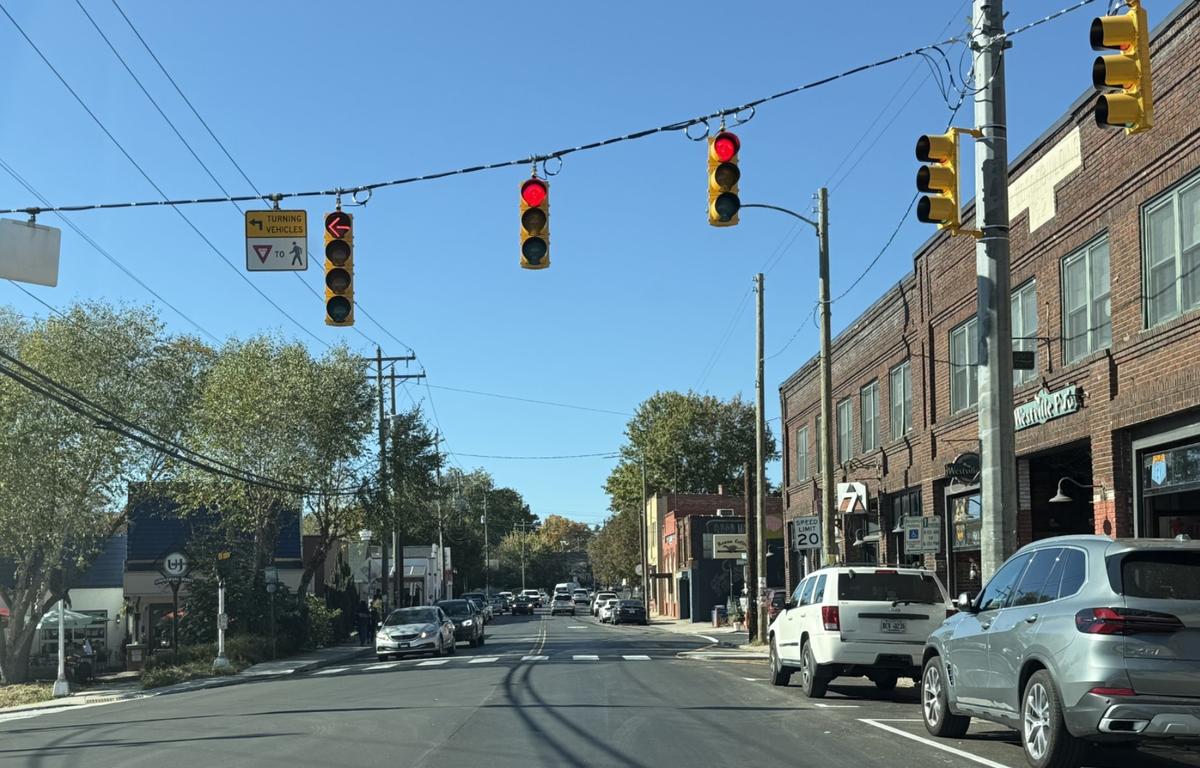
The concerns have surfaced along Haywood Road, Ralph Street and Emma Road, where residents have asked the city to do more about safety, trash and vehicles being used as shelter.
Residents have also taken their concerns to Asheville City Council, prompting further discussion by the council’s Public Safety Committee.
At the Sept. 8 council meeting, Stacy Loud, who said she had lived in West Asheville for more than 20 years, described several troubling encounters along Haywood Road.
Loud told council members that someone had taken a swing at her husband. She also described an incident outside The Hop that prompted a 911 call.
She raised concerns about the safety of teenagers and others using the corridor and urged the city to expand its community paramedic response.
Loud’s account raised broader public safety concerns, but did not establish that the people involved in those encounters were experiencing homelessness.
Council member Bo Hess asked that West Asheville homelessness concerns be discussed by the city’s Public Safety Committee, with representatives from Safe Shelter included in the conversation.
Council member Sage Turner also acknowledged problems along Haywood Road and requested an update on conditions in the corridor.
Complaints about vehicles and trash
Adam Francis, another West Asheville resident, has questioned the city’s response to occupied vehicles along Ralph Street and Emma Road.
Francis said an RV occupied by at least two people had been parked on Ralph Street for more than two years, despite numerous complaints he submitted through the Asheville App.
He also reported three vehicles being used as shelter in a parking lot along Emma Road.
Francis acknowledged that Asheville police and the city’s Response, Engagement, Support and Treatment team, known as REST, had responded to complaints. But he questioned why officials weren’t checking those areas more regularly instead of waiting for residents to report problems.
In written responses to questions from 828newsNOW, city officials said Asheville police had contacted people in some of the vehicles parked along Ralph Street.
The city’s Sanitation Division also removed bulky trash from Ralph Street after RVs moved from the area.
Officials said crews had made at least five cleanup visits to the Murray Hill area near Bartlett and Ralph streets. A contractor funded through the American Rescue Plan Act also cleaned a parking lot near Emma and Craven roads multiple times.
The city said it was still determining how best to address conditions along Emma Road.
Officials detailed what crews and officers had done, but did not say whether the problems Francis described had been resolved.
Outreach workers face limited options
The concerns raised at City Council received further attention at the Sept. 24 Public Safety Committee meeting.
Emily Ball, manager of Asheville’s Homeless Strategy Division, and Christian Chambers, executive director of Safe Shelter, discussed conditions in West Asheville and efforts to connect people living outside with services.
Chambers described increased concerns about homelessness in the area and discussed Safe Shelter’s West Asheville Street Engagement program, which works directly with people experiencing homelessness.
The organization helps connect people with housing assistance, shelter and other resources. It also participates in regular Tuesday neighborhood cleanups.
City officials say REST workers contact people living outside, assess their needs and offer assistance.
But outreach doesn’t always lead to an immediate solution. Some people need repeated contact before accepting help, and finding an appropriate shelter or housing placement can be difficult.
Asheville police also respond to complaints involving possible violations of laws or city ordinances. Sanitation crews address trash and debris, while outreach workers continue trying to connect people with services.
The city has added trash and recycling receptacles in the River Arts District as part of its response to conditions there.
What officials haven’t provided is a neighborhood-by-neighborhood breakdown showing whether complaints are increasing or declining, or how many people have moved into shelter or housing following outreach.
Is I-26 construction contributing to the problem?
Another question is whether construction on the Interstate 26 Connector is affecting where people experiencing homelessness are staying.
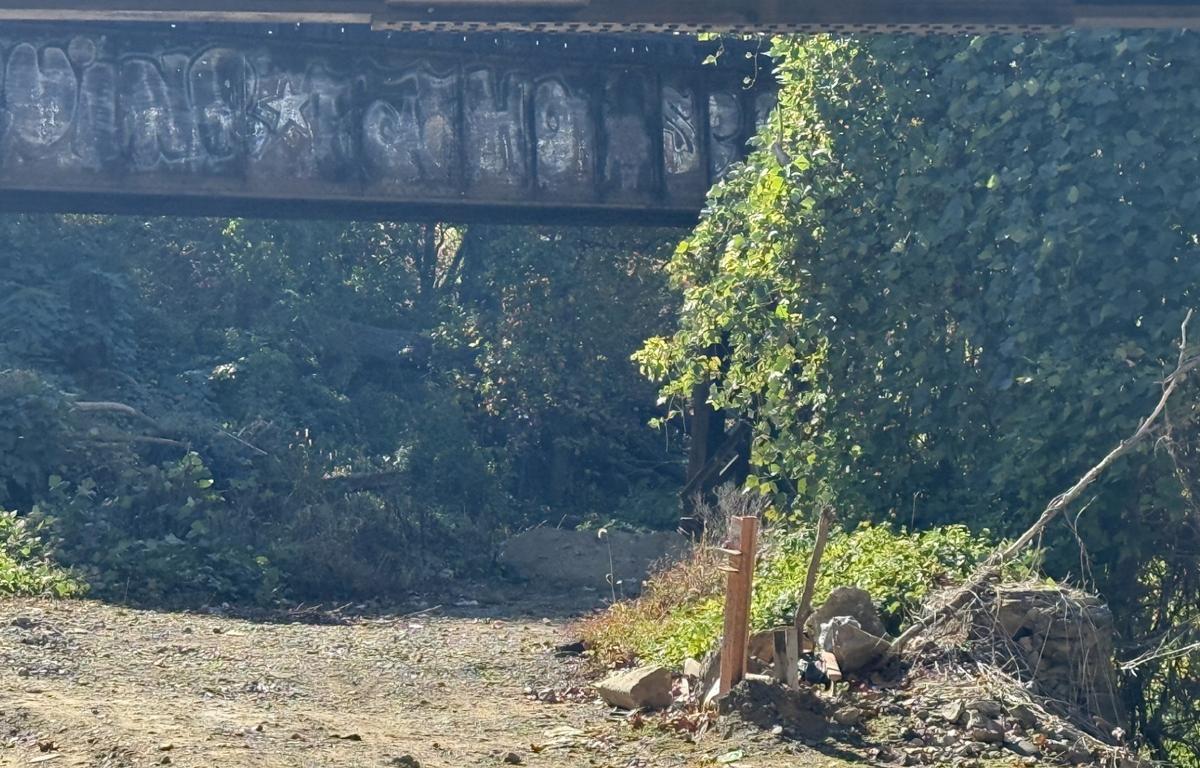
The highway project is changing areas near the French Broad River and other locations where people have camped.
City officials confirmed that the North Carolina Department of Transportation notifies REST before construction begins in new areas so outreach workers can contact people who may be affected.
Chambers has also discussed how construction, the clearing of wooded areas near highways and changes in access to downtown services may affect where people living outside go.
But the city has not provided figures showing how many people have been displaced by construction or where they have relocated.
For now, there’s no way to tell how much, if at all, the highway project is contributing to the conditions residents are reporting in West Asheville and the River Arts District.
More people living outside since Helene
The neighborhood concerns come as Asheville and Buncombe County continue struggling with homelessness more than two years after Tropical Storm Helene.
The 2026 Point-in-Time Count identified 824 people experiencing homelessness in Buncombe County, including 334 who were unsheltered.
That compares with 755 people experiencing homelessness in 2025, including 328 unsheltered, and 739 in 2024, including 219 unsheltered.
The count also found that 87 unsheltered respondents reported losing their housing because of Helene.
The numbers show that more people are living outside across Buncombe County than before the storm. They don’t show whether that increase is occurring in West Asheville or any other particular neighborhood.
At an Oct. 21 meeting of Asheville’s Helene Housing Recovery Board, Ball described the continuing strain on the local shelter system.
She said Helene disrupted housing arrangements that weren’t always reflected in traditional housing records, including situations where people had been staying with others or living in vehicles.
The storm also destroyed Asheville Buncombe Community Christian Ministry’s Veterans Restoration Quarters, which had provided more than 200 shelter beds.
“Our capacity has decreased since Helene and the need has increased since Helene,” Ball told the board. “And our funding is unbelievably limited.”
That leaves outreach workers with fewer options when they encounter people who need somewhere to stay.
Questions remain about results
For residents reporting safety concerns, occupied vehicles and trash near their homes or businesses, the immediate problems remain.
For outreach organizations, the challenge is helping people move from living outside into stable housing when shelter space, affordable housing and support services are limited.
That leaves city officials trying to address residents’ complaints while outreach workers struggle to find places for people to go.
Officials encourage residents to report nonemergency concerns through the Asheville App so REST and other departments can evaluate the situation. Emergencies should be reported to 911.
828newsNOW also contacted BeLoved Asheville, which works directly with people experiencing homelessness, for its perspective on encampments and possible displacement, but had not received a response by publication time.
City officials say they’ve made repeated visits to problem areas, contacted people living in vehicles and cleaned up trash. But they haven’t provided figures showing whether complaints are declining or how many people have found shelter or permanent housing through those efforts.
For residents like Francis, that leaves a question: When will the problems they’ve repeatedly reported be resolved?