



ASHEVILLE, N.C. (828newsNOW) — Millions of dollars are still available to help Western North Carolina recover from Tropical Storm Helene, but organizations hoping to get some of that funding need to act soon.
Local governments, volunteer fire departments, colleges and nonprofit organizations face deadlines in November and December to apply for grants covering everything from damaged infrastructure to new child care centers.
Meanwhile, a federal program providing temporary jobs and employment assistance to people affected by the disaster has been extended into October 2027.
$65 million available for infrastructure repairs
Local governments, federally recognized tribes and volunteer fire departments have until Nov. 23 to apply for a share of $65 million in state funding to repair infrastructure damaged by Helene.
The Helene Local Government Capital Grant Program helps pay to repair or replace storm-damaged public facilities and infrastructure that are not eligible for reimbursement through FEMA’s Public Assistance program.
Eligible recipients can receive up to $5,737,500, although previous awards may reduce the amount available to them.
The latest application round opened Sept. 25 and expanded eligibility to include volunteer fire departments.
The program has already helped fund several projects in Buncombe County.
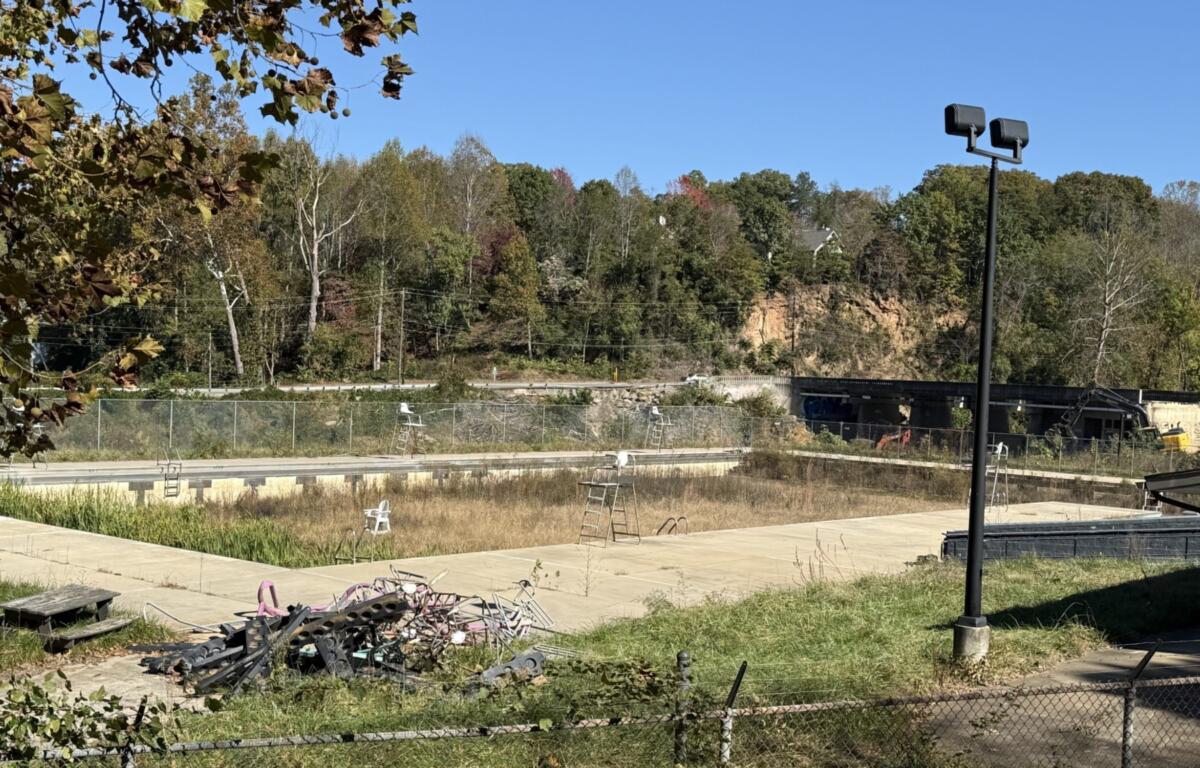
Asheville received nearly $2.5 million for Recreation Park reconstruction, while Black Mountain was awarded more than $1 million for its Public Safety Building and another $1 million for its Golf Maintenance Building.
Woodfin received about $202,600 for repairs at Riverside Park, and Weaverville was awarded nearly $136,000 for its raw water pump station.
Those awards came during an earlier funding round.
The state is offering virtual office hours at 1 p.m. Thursday, Oct. 29, to help potential applicants with the process.
Application details are available through the N.C. Office of State Budget and Management.
$20 million available for campus child care centers
North Carolina community colleges and University of North Carolina System campuses serving areas affected by Helene and Tropical Storm Debby have until 5 p.m. Nov. 2 to apply for a share of $20 million in child care funding.
Colleges can use the money to build child care centers or improve existing ones, making it easier for students, employees and nearby families to find child care.
The funding is part of a broader $75 million federal child care disaster assistance package awarded to North Carolina following the 2024 storms.
According to state officials, more than 230 child care facilities were affected by Helene, disrupting services that many working families depend on.
The broader federal funding package also includes assistance for damaged child care providers, efforts to recruit and retain child care workers, and disaster preparedness programs.
North Carolina has until September 2030 to use the federal funding.
The Nov. 2 deadline applies specifically to the campus child care grants, not the entire federal funding package.
Program requirements and application information are available through the N.C. Division of Child Development and Early Education.
Nearly $6 million available for disaster preparedness
Nonprofits and other eligible organizations working to make Western North Carolina communities better prepared for future disasters have until noon Dec. 14 to apply for another grant program.
The North Carolina Community Foundation’s WNC Prepared and Resilient Communities Grant Program has approximately $6 million available, with individual awards generally not expected to exceed $100,000.
The grants are aimed at helping communities better handle the next major storm or other disaster.
Eligible applicants include nonprofits, qualifying faith-based organizations, local governments and public schools.
Buncombe County is among 16 counties receiving priority consideration because of the damage caused by Helene.
The foundation says projects focused solely on recovery from past disasters are not eligible. The emphasis is on helping communities better withstand future emergencies.
Grant decisions are expected in March 2027.
More information is available through the North Carolina Community Foundation.
Federal jobs program extended through October 2027
People looking for work may also be able to get help through a federal disaster recovery program that has been extended through Oct. 10, 2027.
The Hurricane Helene Disaster Recovery National Dislocated Worker Grant, administered by the North Carolina Department of Commerce through NCWorks, provides temporary employment in disaster recovery, cleanup and humanitarian work, along with job training and other employment services.
People who have been laid off, terminated or unemployed for at least 13 consecutive weeks may qualify.
According to the N.C. Department of Commerce, more than 425 people have received temporary employment or training through the program, and more than half have since found permanent jobs.
The program pays wages for eligible workers performing approved recovery-related work. Public and private employers involved in those activities can also participate as work sites.
Residents interested in applying should contact their local NCWorks Career Center. Employers can contact their local Workforce Development Board.
Recovery work continues across Western North Carolina
The approaching deadlines come as communities continue repairing roads, public facilities, water systems and housing damaged by Helene in September 2024.
In a recent recovery update, Western North Carolina Recovery Director Matt Calabria pointed to nearly $23 million in interest-free cash flow loans provided to eight hard-hit local governments, along with $5 million in Small Business Infrastructure Grants for projects involving sidewalks, stormwater systems and water lines.
But Calabria acknowledged that significant work remains, including finding permanent housing for displaced families and repairing damaged infrastructure.
The approaching grant deadlines are mainly for governments, colleges and nonprofit organizations, not individual homeowners or renters.
But people still struggling with Helene’s aftermath can find information about housing assistance, business recovery and other programs through the state’s Western North Carolina Recovery Resource Hub.