



ASHEVILLE, N.C. (828newsNOW) — A proposed apartment building near Biltmore Village is getting bigger, but Asheville City Council’s decision to allow the expansion came with some tough questions about building in flood-prone areas after Tropical Storm Helene.
Council voted 4-3 on Tuesday, Oct. 27, to approve changes to a development at 21 London Road, allowing the project to grow from 208 to 252 apartments and from six stories to seven.
Much of Tuesday’s discussion focused on what might happen if another storm like Helene struck and whether Asheville’s flood protection standards are strong enough.
The project originally received zoning approval in May 2024, four months before Helene devastated parts of Western North Carolina.
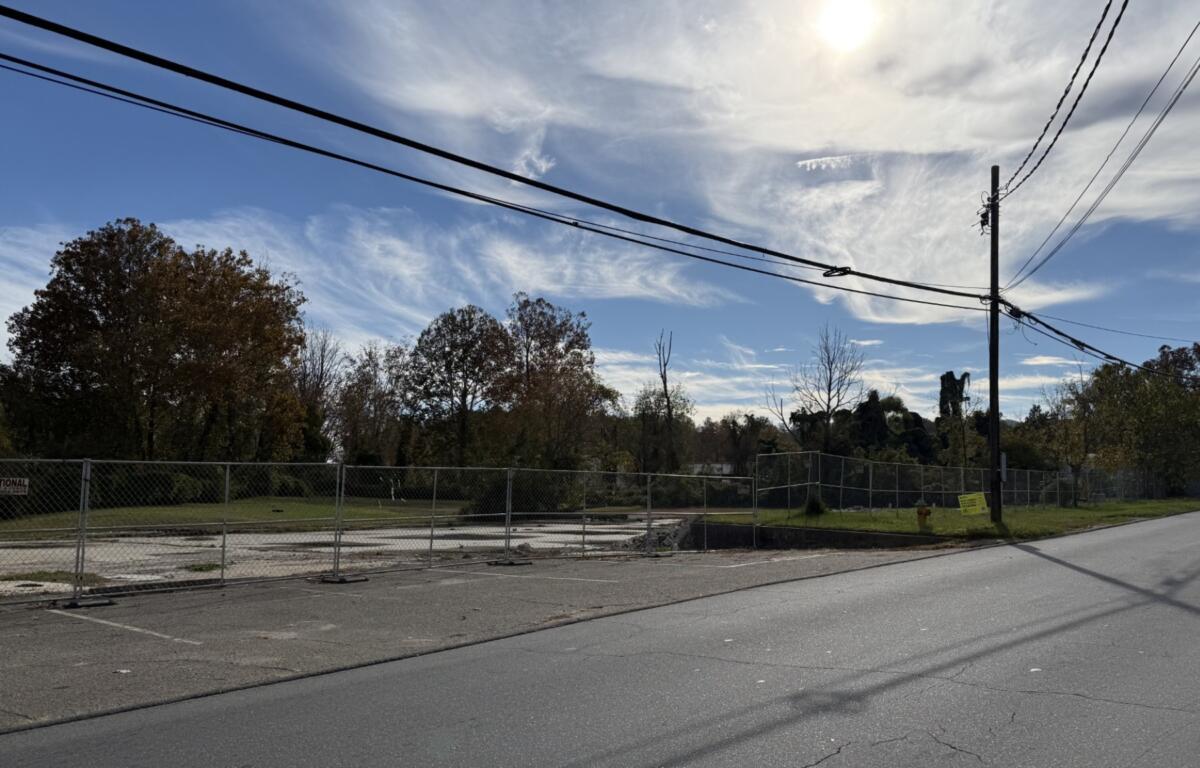
The development is planned for a vacant 2.63-acre property near the intersection of London and Sweeten Creek roads.
The revised plans add 44 apartments, bringing the total to 252. The building would increase from 75 to 81 feet tall, with five floors of apartments above two levels of structured parking. Parking would increase from 240 to 271 spaces.
The project also includes courtyards, improved sidewalks along London Road and the relocation of a nearby Asheville Rides Transit bus stop, which would be upgraded with a shelter.
The overall building footprint, landscaping and much of the original site design would remain largely unchanged.
The development requires several modifications to the city’s zoning standards, including allowing 97 apartments per acre instead of the district’s standard maximum of 20. The plans also call for reduced building setbacks and narrower sidewalks within the property.
City planning staff recommended approval, and the Planning and Zoning Commission unanimously supported the changes earlier this month.
Flooding raises questions
City officials said flooding during Helene reached approximately the same area as the property’s existing 100-year floodplain boundary.
If the proposed building had been standing during the storm, approximately a foot of floodwater could have entered part of its ground-floor lobby, according to information presented during the meeting.
The apartments would have been well above the water.
Developer representatives said the lowest residential units would be about 26 feet above the level reached by Helene’s floodwaters.
A civil engineer representing the developer described several exits at different elevations, including access points on higher ground that residents could use during flooding.
Still, council members had questions.
They wanted to know how residents who couldn’t use stairs would get out, whether mechanical equipment and potentially hazardous materials would be protected from floodwaters and whether damage to lower portions of the building could force people out of apartments that never flooded.
Council members noted that some apartment buildings damaged during Helene had to be evacuated even though floodwaters never reached the upper-floor apartments.
The developer’s representatives did not provide a definitive answer about whether residents could remain in their apartments after such an event.
One council member made clear that the proposed protections weren’t enough to win their support.
“I’m not ready to approve something that we know to be newly constructed in the flood plain that we know would flood in a Helene,” the council member said during the discussion.
The questions weren’t limited to London Road.
City planning staff said Asheville’s current floodplain development regulations generally require applicable buildings to be elevated two feet above the base flood elevation. State best practices recommend four feet.
The developer requested flexibility to increase the building’s maximum height from 81 to 85 feet if additional elevation is needed to address flood safety concerns during later reviews.
But council members pointed out that allowing another four feet of building height is not the same as requiring the building to be raised four feet.
City staff acknowledged that the proposed condition would allow additional height without specifying exactly what flood-resilience improvements must be made.
Several council members said they wanted clearer flood protections before approving the changes.
Asheville is preparing to rewrite its Unified Development Ordinance, which governs how property can be developed. But that process could take years, and updated flood maps are not yet available.
Mayor Esther Manheimer questioned whether it would be fair to delay projects that already have zoning approval while the city works through those changes.
The London Road developer already had permission to build a smaller apartment building on the property.
Manheimer noted that Asheville needs housing and has encouraged development along transit corridors, where residents can walk, bike or use public transportation to reach nearby destinations.
Developer defends plans
Attorney Derek Allen, representing the applicant, reminded council members that the project had already gone through the city’s approval process in 2024.
He said the revised proposal would add housing without substantially changing the building’s footprint or the conditions previously approved.
Allen emphasized the property’s location along a transit corridor, the planned pedestrian improvements and the reuse of a former industrial site.
He also argued that buildings near waterways can be designed with lower levels that accommodate flooding while keeping residential areas above the water.
The project’s civil engineer described multiple access points at different elevations, saying residents would have ways to leave the building during a flood similar to Helene.
The developer’s representatives also said the project would improve stormwater management.
Allen stressed that the conditional zoning approval does not eliminate the need for additional permitting and technical reviews, including reviews related to floodplain regulations.
Affordable housing also debated
Flooding wasn’t the only concern raised during the hearing.
Council members questioned why the developer was seeking approval for 44 additional apartments without including affordable housing.
The original project was approved without an affordable housing requirement, and the revised proposal does not add one.
Allen argued that requiring below-market rents without financial subsidies could shift the cost to other renters in the development.
Council members also discussed whether Asheville should revisit its development incentive programs to encourage affordable housing in projects like this one.
No affordable housing commitment was added to the proposal.
Council ultimately approved the changes 4-3, allowing the developer to move forward with the larger 252-unit project.