



ASHEVILLE, N.C. (828newsNOW) — Kim Roney hasn’t been sworn in as Asheville’s next mayor, but the question of who should take her place on City Council is already stirring debate.
During a Thursday, Nov. 5, agenda briefing, council members discussed whether to open an application process or consider appointing Jeffrey Burroughs, who finished fourth in Tuesday’s City Council election.
The conversation grew tense enough that members agreed to put off further discussion until a work session Tuesday, Nov. 10.
At issue is how council should fill the remaining two years of Roney’s term after she becomes mayor Dec. 8. Under Asheville’s city charter, council appoints someone to fill a vacancy rather than sending the decision back to voters.
Council member Bo Hess has publicly endorsed Burroughs, pointing to two previous occasions when council appointed the fourth-place finisher after a sitting council member was elected mayor.
Vice Mayor Antanette Mosley raised the possibility of opening applications to qualified residents, while Roney urged council to focus on establishing a fair process before deciding who should get the seat.
A disagreement over the process
The issue came up near the end of Thursday’s virtual agenda briefing, when Mosley asked whether council wanted to begin accepting applications before the holidays.
With only one regular council meeting scheduled in November and another in December, Mosley suggested opening applications for two weeks or 30 days to give residents time to apply.
City Attorney Brad Branham said council could begin preparing for the appointment before Roney is sworn in.
He explained that council is a continuing governing body, even as its membership changes, and does not have to wait until the vacancy occurs to begin the process.
The city also has application forms from a previous appointment process, including optional essay questions, that council could use again or modify.
Hess questioned whether another application process was necessary so soon after an election.
He noted that candidates had already spent months campaigning, participating in forums and answering questions from voters. Twenty candidates entered the race for three council seats, with six advancing to the general election.
Hess suggested that appointing the fourth-place finisher would recognize the work candidates had done and the preferences voters expressed.
Mosley clarified that she was not advocating for any particular candidate. She wanted council to consider whether to accept applications, noting that Burroughs would be eligible to apply.
Roney raised concerns about the appearance that some council members had already settled on a candidate before agreeing on how the appointment should be made.
She urged council to look at the broader process, including how future vacancies should be handled.
The discussion became tense as members disagreed over how their positions were being characterized.
Council members eventually agreed to continue the conversation at Tuesday’s Policy, Finance and Infrastructure work session rather than attempt to settle the matter during the agenda briefing.
Support grows for fourth-place finisher
Outside City Hall, a campaign is already underway to persuade council to appoint Burroughs.
Asheville resident Patrick Conant announced the launch of “Go Forth With The Fourth,” an effort encouraging residents to contact council members and support Burroughs’ appointment.
Conant argues that choosing the next-highest vote-getter would come closest to reflecting the preferences Asheville voters expressed in the Nov. 3 election.
Hess has made a similar argument.
In a social media post, Hess said he initially considered an open application process but changed his thinking after reviewing Asheville’s history.
In 2001, council appointed Jim Ellis after Charles Worley was elected mayor. Four years later, council appointed Bryan Freeborn, who finished fourth in that year’s council election, after Terry Bellamy won the mayor’s race.
Hess said those examples provide a precedent for appointing Burroughs.
“I believe the choice Asheville voters just made should guide us,” Hess wrote.
Hess said he got to know Burroughs during the campaign and believes he is ready to serve.
But Asheville has also taken a different approach.
In 2020, dozens of residents applied to fill the seat vacated by Vijay Kapoor, who resigned after moving out of Asheville. Council narrowed the field to six finalists before appointing Mosley.
The application process included written questions for candidates.
Unlike the vacancies in 2001 and 2005, Kapoor’s departure was not the result of a sitting council member winning the mayor’s office immediately after an election.
Still, the 2020 appointment provides a more recent example of council using an application process rather than selecting someone based on election results.
What the law says
North Carolina law generally gives municipal governing boards responsibility for filling vacancies, although Asheville’s city charter contains its own provisions.
Section 7 of the charter requires council to appoint a qualified Asheville voter to serve the remainder of a vacant term.
In a 2020 clarification, the city explained that its charter takes precedence over the general state statute governing municipal vacancies.
That means Asheville’s council, rather than voters in a special election, will decide who fills Roney’s seat.
The charter does not require council to appoint the fourth-place finisher or anyone else who ran in the most recent election.
The decision is left to council.
Branham also clarified Thursday that council can begin accepting applications and preparing for an appointment before Roney takes office as mayor. The vacancy itself will not occur until she is sworn in Dec. 8.
What’s next?
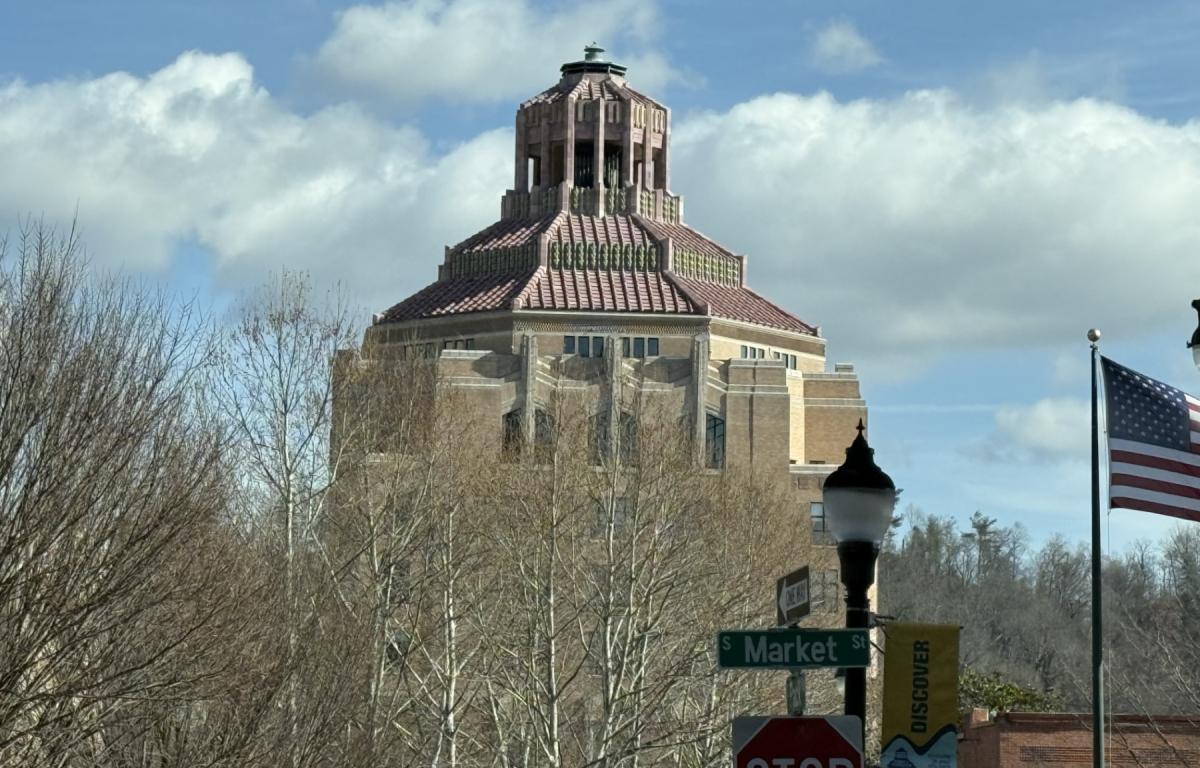
Council is scheduled to take up the issue during its Policy, Finance and Infrastructure work session at 3 p.m. Tuesday, Nov. 10, in Council Chambers at City Hall, 70 Court Plaza.
According to the posted agenda, Mosley and Branham will lead a discussion about the upcoming vacancy and the process for filling it.
Council is expected to provide direction to city staff on how to proceed. The agenda does not call for appointing Roney’s replacement at that meeting.
The work session is open to the public and will be available through the city’s YouTube channel, but public comment will not be accepted.
A regular City Council meeting is scheduled for 5 p.m. that day.
For now, council has not settled on an application process, announced a deadline or decided who will fill the seat.
With Roney’s swearing-in approaching, council still has to decide how it will choose her replacement — and whether the results of Tuesday’s election should help settle the question.