



ASHEVILLE, N.C. (828newsNOW) — Western North Carolina is heading for a blast of cold air later this week, with temperatures expected to tumble into the 20s and snow possible in the higher elevations.
The National Weather Service says a strong cold front will move through Thursday, bringing some of the coldest air of the fall season. Asheville could see overnight lows around 27 degrees Friday and 26 Saturday.
While power outages aren’t necessarily expected, the approaching cold snap is a good reminder to think about what you’d do if the electricity went out and the heat stopped working.
And the good news? You don’t need an expensive generator or a closet full of emergency supplies to make a difference. Some of the most useful things may already be in your house.
Here are some ways to hold on to warmth, along with a few things you should never do when the heat goes out.
Keep the heat from escaping
If the power goes out, start by keeping whatever warmth is already inside your home from getting out.
Close doors to rooms you’re not using and gather everyone in one smaller room. Roll up towels and place them along the bottoms of drafty doors. Close curtains and blinds at night to help keep heat from escaping through windows.
If you have weatherstripping or window insulation film, those can help, too.
On sunny days, open curtains on windows that get direct sunlight. That little bit of natural warmth can help. Close them again when the sun goes down.
The Centers for Disease Control and Prevention recommends closing off unused rooms and blocking drafts to help conserve heat during winter weather.
Just remember, these tricks can slow heat loss, but they won’t keep a house warm forever without a working heating system.
Bundle up, even indoors
Don’t wait until you’re shivering to put on another layer.
Several loose-fitting layers of clothing can help trap body heat better than one bulky garment. Add a sweater or fleece, warm socks and a hat.
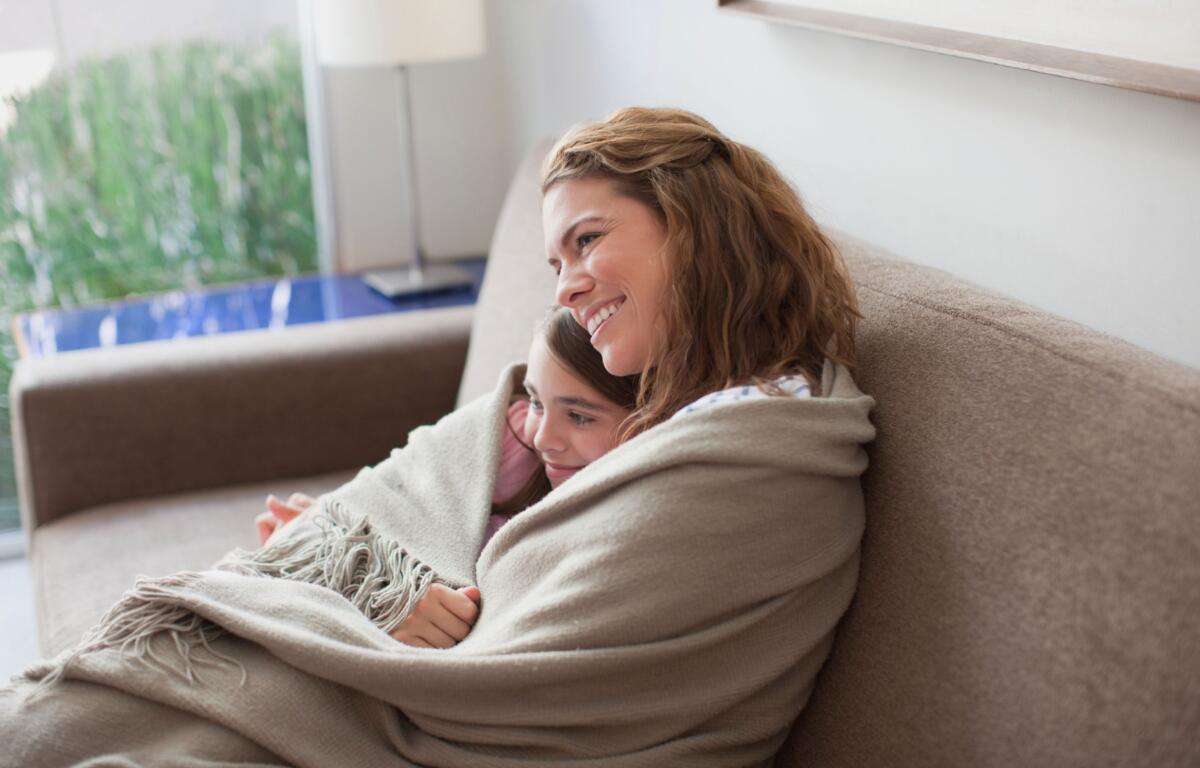
And don’t overlook blankets. Extra quilts, comforters and insulated sleeping bags can help keep you warm, especially at night.
Mylar emergency blankets, sometimes called space blankets, can also come in handy. They’re lightweight and reflect some of your body’s radiant heat, but they don’t provide much insulation on their own. Think of them as an extra layer, not a replacement for a regular blanket or sleeping bag.
For babies, use appropriate warm sleep clothing or a wearable blanket rather than loose blankets or sleeping bags, which can pose a suffocation risk.
Whatever you’re wearing, try to stay dry. Damp clothing makes it harder for your body to stay warm.
A few small things can help
You don’t have to spend a fortune on emergency supplies.
Disposable hand warmers can provide temporary warmth without electricity. Rechargeable versions can help, too, as long as they’re charged before the power goes out.
Follow the directions carefully. Hand warmers can cause burns, especially if they’re held directly against the skin for too long or used while sleeping.
An old-fashioned hot water bottle can also help if you have a safe way to heat water. Fill it according to the manufacturer’s instructions, avoid boiling water and wrap it in a towel before using it.
And don’t underestimate the value of a good pair of wool socks, a warm hat or an extra blanket.
None of these will heat an entire room, but they can help you stay more comfortable while you wait for the electricity to come back on.
Eat, drink and move around a little
Your body burns energy to stay warm, so eating regular meals is important.
Keep nonperishable food and drinking water on hand in case an outage lasts longer than expected.
Warm drinks can be comforting if you have a safe way to prepare them. But skip the alcohol. It might make you feel warmer temporarily, but it can actually cause your body to lose heat faster.
Moving around can help, too. Walking through the house or doing some gentle stretches can help you feel warmer.
Just don’t overdo it. Working up a sweat can leave you colder once your clothing becomes damp.
Don’t take chances with alternative heaters
This is where a cold-weather power outage can become dangerous.
When the house starts getting cold, it may be tempting to fire up a grill, turn on the gas oven or bring an outdoor propane heater inside.
Don’t.
The CDC warns against using gas ovens, charcoal grills, camp stoves or outdoor heating equipment to warm a home. They can produce carbon monoxide, a colorless, odorless gas that can cause serious illness or death.
Some portable propane and kerosene heaters are designed for indoor use, but that doesn’t mean they’re safe in every home. They can still pose fire, burn and carbon monoxide hazards.
Before using one, make sure it is approved for the intended residential setting, follow the manufacturer’s ventilation and clearance requirements, and check with your local fire department about any restrictions.
Safety features such as automatic shutoffs and oxygen depletion sensors don’t eliminate the risks.
Keep heaters away from blankets, curtains, furniture and anything else that could catch fire. Never leave portable fuel-burning heaters running unattended or while sleeping.
If you have a fireplace or wood stove, use it only if it’s properly installed, maintained and safe to operate.
And if you’re using a generator, keep it outside — at least 20 feet from doors, windows and vents, with the exhaust pointed away from the house. Never run one in a garage, basement or carport, even with the doors open.
Know the signs of carbon monoxide poisoning
Carbon monoxide is particularly dangerous because you can’t see it or smell it.
Symptoms can include headache, dizziness, nausea, weakness, chest pain and confusion. In severe cases, exposure can cause unconsciousness or death.
Make sure your home has working carbon monoxide alarms with battery backup, especially if you use fuel-burning heating equipment.
If an alarm sounds or you suspect carbon monoxide poisoning, get everyone outside into fresh air immediately and call 911. Don’t go back inside until emergency responders say it’s safe.
Keep the lights on — at least a little
Staying warm is important, but you’ll also want a way to see what you’re doing and stay in touch with the outside world.
Before severe weather arrives, charge your cellphone and any portable power banks you have.
Keep flashlights or battery-powered lanterns somewhere you can find them easily. They’re a safer choice than candles, which can start fires if they’re knocked over or placed too close to blankets or curtains.
A battery-powered or hand-crank weather radio can also be useful if cellphone service or internet access goes down.
Larger portable battery stations may keep some electronics or appliances running, but don’t assume they’ll power a space heater or household furnace. Heating equipment uses a lot of electricity and can drain batteries quickly.
If someone in your household depends on electricity-powered medical equipment, make a backup plan before an outage happens.
Watch for hypothermia
You don’t have to be standing outside in the snow to develop hypothermia.
It can happen indoors when someone is exposed to cold conditions for an extended period, particularly older adults, infants and people who have difficulty maintaining their body temperature.
According to the CDC, warning signs in adults include shivering, confusion, slurred speech, unusual drowsiness and trouble using their hands.
Babies may have cold, bright red skin and unusually low energy.
Hypothermia is a medical emergency. If someone shows symptoms, call 911 and move them somewhere warmer if you can do so safely.
Know when it’s time to go somewhere warmer
Blankets, extra clothing and blocked drafts can help, but there’s a limit to what they can do.
If your home keeps getting colder and you can’t stay warm, don’t try to tough it out.
Consider going to the home of a friend or relative who has heat or to an officially designated warming location, if one is available.
Check on older neighbors, people who live alone and anyone who might have trouble getting to a warmer place.
It’s also a good idea to know ahead of time where you could go if an outage lasts longer than expected.
Get ready before the power goes out
A little preparation now can save a lot of trouble later.
Gather extra blankets, warm clothes, flashlights, batteries, medications, drinking water and nonperishable food. Charge your phone and portable power banks, and make sure your smoke and carbon monoxide alarms are working.
You don’t have to buy everything on an emergency preparedness list. Start with what you already have and fill in the gaps as you can.
And remember, there’s a difference between making a cold house more comfortable and keeping it safely heated.
Sometimes the smartest way to stay warm is knowing when it’s time to find somewhere else to go.