



ASHEVILLE, N.C. (828newsNOW) — Asheville’s public housing authority is proposing a roughly $500 million investment over the next five years to renovate aging apartments, add affordable and mixed-income housing and find new ways to pay for it all.
The Housing Authority of the City of Asheville, known as HACA, outlined the proposal in its new strategic plan for 2027 through 2031. The plan includes major renovations at six existing properties and redevelopment projects that could add hundreds of homes to the city’s housing supply.
HACA President and CEO Ella Santos and Chief Operating Officer Marvin Jean Jacques discussed the plans during a Nov. 6 meeting of the Council of Independent Business Owners at UNC Asheville.
The plans are ambitious, but several questions remain, including how much of the money has been secured, when construction might begin and what the changes could mean for people already living in HACA properties.
Where the money would go
About $200 million would be spent renovating six existing housing properties, including Bartlett Arms Apartments, Altamont Apartments, Aston Park Tower and three properties in the Southside neighborhood.
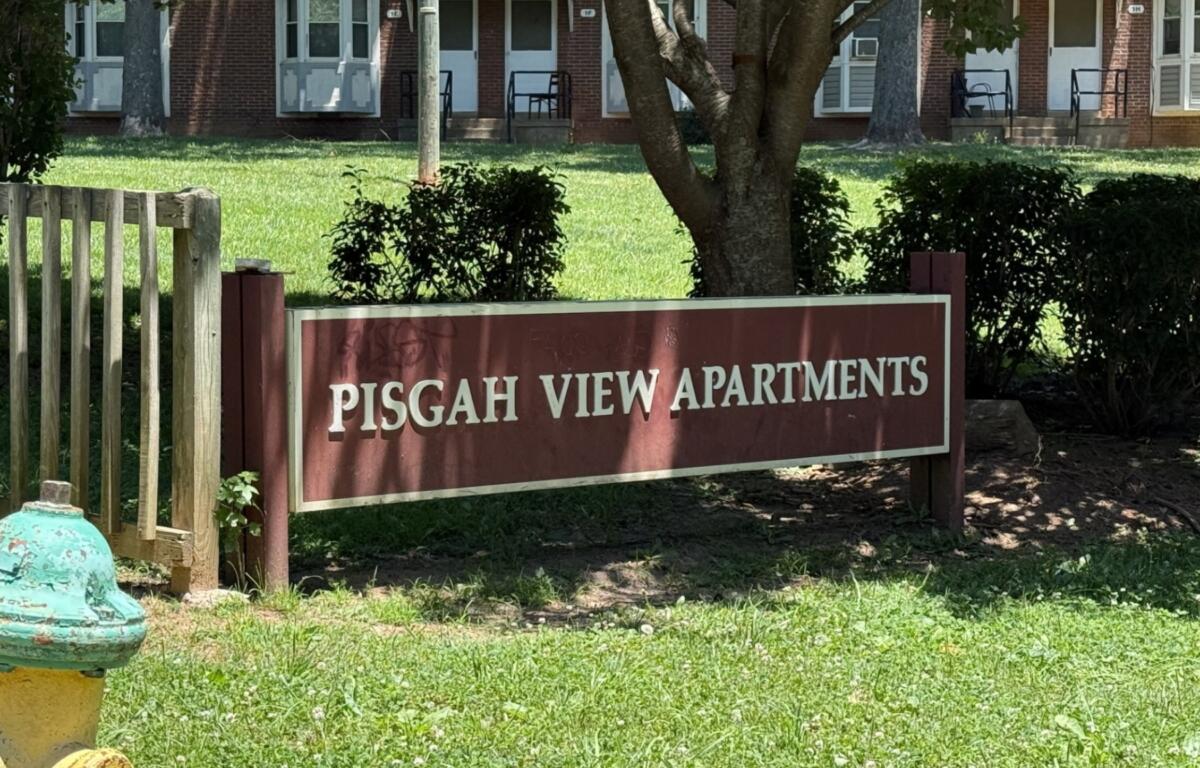
One of the biggest projects would be at Pisgah View Apartments in West Asheville, where HACA proposes spending more than $100 million to redevelop the property and roughly double its capacity from about 250 to 500 homes.
The authority also wants to redevelop Aston Garden Apartments on South French Broad Avenue, adding more than 60 homes.
Both projects are planned as mixed-income communities, with some apartments available to households earning up to 80 percent of the area median income.
Not all of the proposed $500 million would go toward new housing. A substantial portion would be used to renovate or replace existing apartments, and HACA has not provided an overall estimate of how many additional homes the plan would create.
Bringing in private investment
Paying for the projects would involve a shift in how HACA finances its housing developments.
“The housing authority is going to position itself to be more self-sufficient and less reliant on government funding,” Santos said during the Nov. 6 presentation.
The agency plans to combine federal rental assistance revenue with affordable housing tax credits to attract private investment.
HACA already receives federal assistance through the Housing Choice Voucher Program. In 2014, the authority used the federal Rental Assistance Demonstration program to convert its former public housing units to project-based rental assistance.
That arrangement provides a more predictable source of rental income tied to the properties, which can help support financing for renovations and redevelopment.
Jean Jacques summed up the approach as “private real estate for a public mission.”
HACA also wants to take larger ownership stakes in housing developments so it can put more revenue back into its properties and services for residents.
Federal assistance would remain part of the financing strategy, even as the authority looks to private investors to help cover the cost of its projects.
HACA has not detailed how much of the proposed $500 million is already committed or how much would depend on future financing.
More than new apartments
The five-year plan isn’t just about construction.
HACA also wants to improve safety and living conditions at its properties, help residents find better-paying jobs and become more financially independent, and improve how the authority responds to residents’ concerns.
Other goals include strengthening the agency’s finances, improving customer service and creating more opportunities for residents to pursue homeownership.
One question still to be answered is how the proposed redevelopment projects would affect current residents.
HACA’s announcement did not provide details about whether residents would need to move during construction or how those arrangements would be handled.
Next steps
For now, the $500 million plan is a roadmap rather than a construction schedule. Individual projects will still need financing and planning before work can begin.
HACA says it will provide updates through newsletters, online announcements and community meetings. The authority also plans to use performance reports and feedback from residents and landlords to measure its progress.
“We’re excited about the opportunity to bring more affordable homes to Asheville and improve the homes our residents already depend on,” Santos said.
“This plan gives us a path to do both, helping more families find a place they can afford in the city they call home.”