


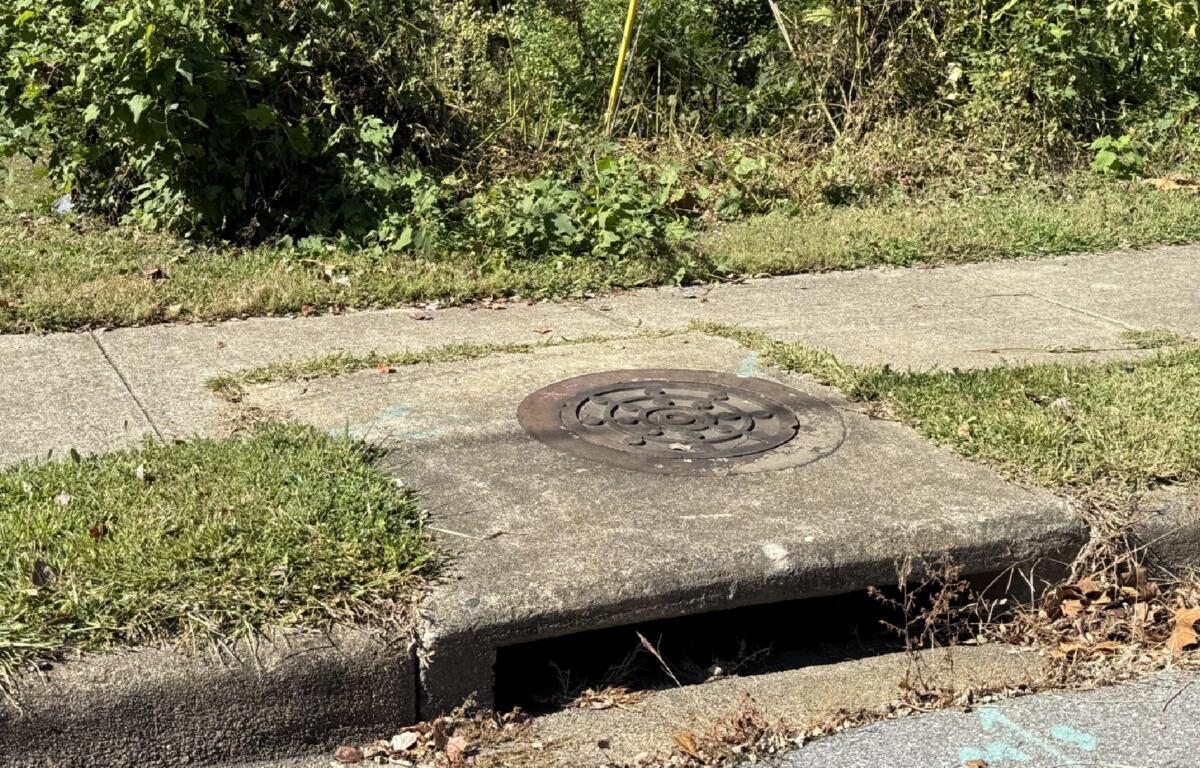

ASHEVILLE, N.C. (828newsNOW) — Asheville knows it has 292 miles of stormwater pipes running beneath its streets and neighborhoods. What city officials don’t have is a complete, up-to-date picture of their condition or how well they can handle heavy rainfall.
The city’s last comprehensive stormwater assessment dates to the late 1980s or early 1990s.
Now, Asheville is spending $900,000 on the first phase of a multiyear project to take a closer look at its drainage system, find problems before they get worse and figure out where repairs are needed most.
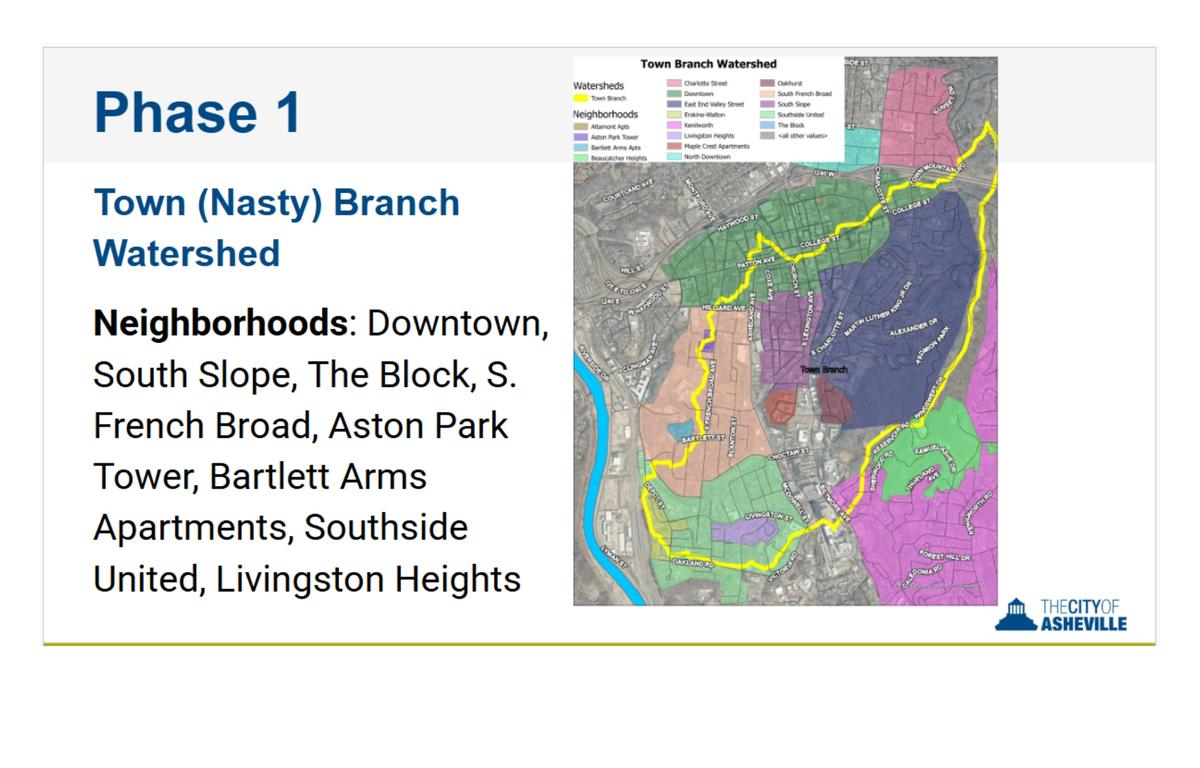
Shannon Simpson, the city’s stormwater regulatory manager, outlined the project during Asheville City Council’s meeting Tuesday, Oct. 13.
She said the assessment will help the city move away from responding to problems after they happen and toward identifying risks before they lead to flooding, sinkholes or other damage.
The city has continued maintaining and repairing its stormwater infrastructure over the years, but officials say the citywide inventory needs updating. An updated assessment is also needed to meet federal stormwater permit requirements.
The work comes as Asheville continues recovering from Tropical Storm Helene, which caused widespread flooding and infrastructure damage in September 2024. Simpson said crews inspecting the drainage system are still encountering debris left behind by the storm.
Starting with Nasty Branch
The first phase focuses on the Town Branch watershed, commonly known as Nasty Branch. The area includes downtown Asheville, South Slope, the Block, Southside and Livingston Heights.
Work began in February and includes inspections of up to 2,600 stormwater structures and pipes.
Crews are examining storm drains, underground pipes and the structures connecting them. They’re also using cameras to inspect parts of the system that can’t easily be seen from the surface.
The information will be added to the city’s mapping system, giving officials a more accurate inventory of what’s underground and what condition it’s in.
The project also includes computer modeling to determine how the drainage system handles storms of different intensities.
Simpson said the city wants to identify infrastructure that is most likely to fail and determine how much damage a failure could cause.
That could mean flooding, sinkholes or erosion, depending on the location and condition of the infrastructure.
The city also wants to explore ways to slow runoff naturally and improve water quality.
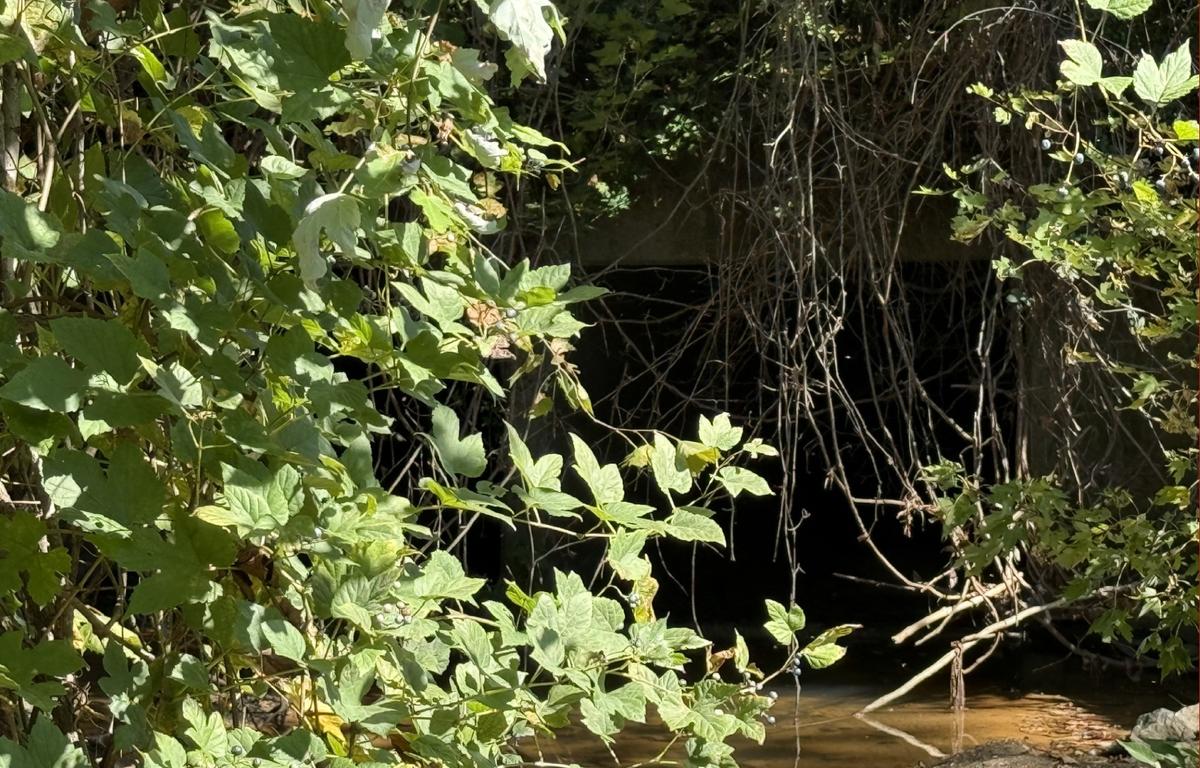
Town Branch is listed as an impaired stream because of fecal coliform bacteria and increased sediment.
A $900,000 first step
The city hired Ardurra Group Inc. to conduct the first phase of the assessment.
Of the $900,000 contract, $400,000 comes from a stormwater infrastructure grant funded through the American Rescue Plan Act. The remaining $500,000 comes from Asheville’s stormwater operating budget.
Simpson acknowledged the work is expensive, but said inspecting underground infrastructure takes time and can be complicated.
Some structures are difficult to reach, and crews must contend with aging pipes, storm debris and other obstacles.
Field inspections and camera assessments are continuing this fall, along with work to model the system’s drainage capacity.
The city expects to complete grant-related work by the end of December and finish the first phase during winter 2027.
But it’s only the beginning.
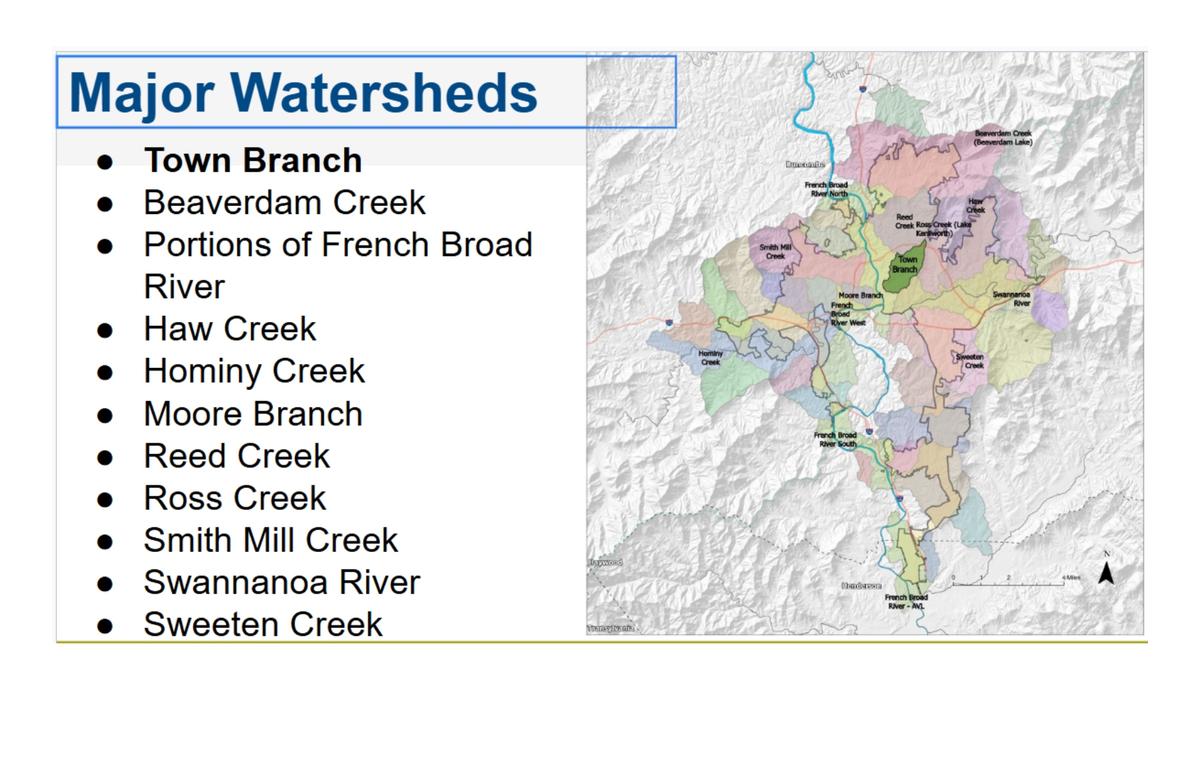
Asheville has 11 named watersheds within its boundaries, and the city plans to assess them in phases over several years. The next phase is being considered for the fiscal 2028 budget.
Officials have not established a completion date or total cost for the citywide assessment.
Council members raise neighborhood flooding concerns
The presentation prompted questions from council members about drainage problems residents are already experiencing.
One concern involved flooding near a new residential development in North Asheville, where nearby businesses have reported problems with stormwater runoff.
Council members also discussed water collecting along Haywood Road near State Street following recent road and sidewalk improvements.
Stormwater Division Manager Derek Wainscott said residents can report drainage problems through the Asheville App. His office investigates complaints and can issue notices of violation when appropriate.
Problems involving state-maintained roads may be referred to the North Carolina Department of Transportation.
Planning for repairs
The assessment won’t immediately solve Asheville’s drainage problems. Instead, officials say it will give them better information about where to concentrate their efforts and how to plan for future storms.
What crews find in Nasty Branch will help the city decide where to look next and which maintenance and construction projects should receive priority.
Existing stormwater projects will remain on the city’s list, although their priority could change based on what the assessment finds.