


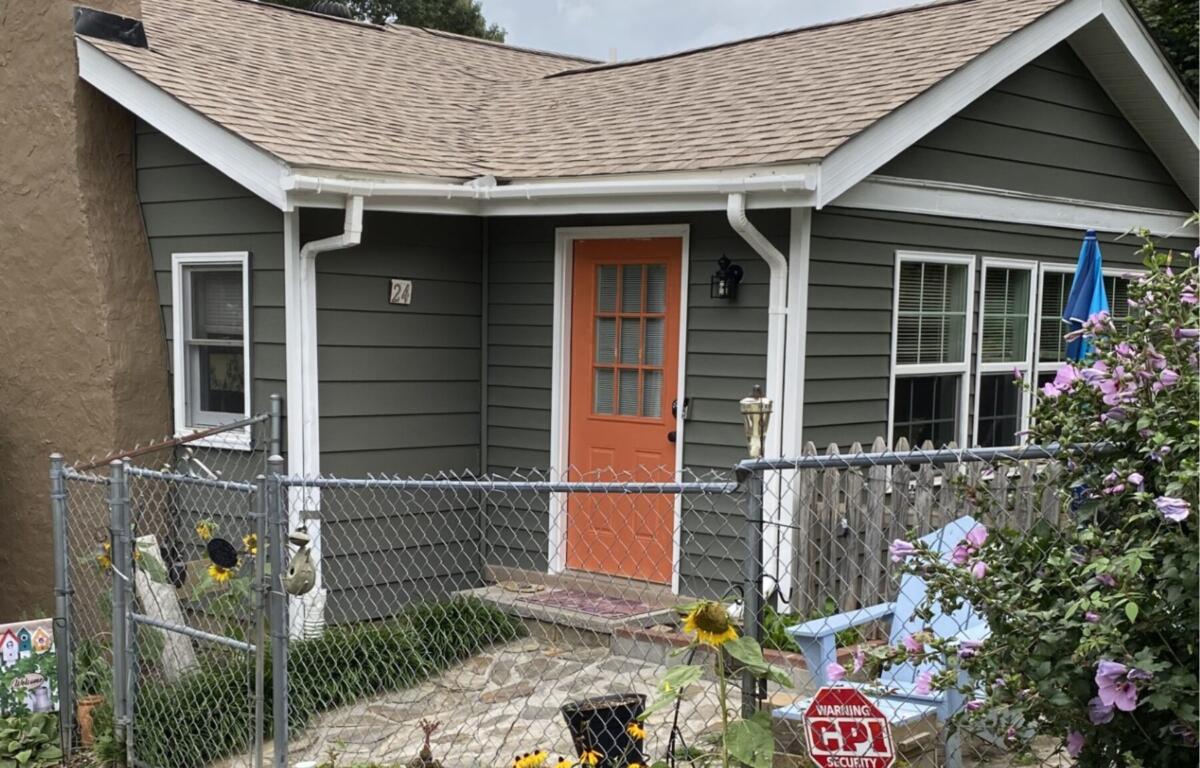

ASHEVILLE, N.C. (828newsNOW) — A city advisory board has recommended against shifting millions of dollars from affordable multifamily housing projects to Tropical Storm Helene home rebuilding efforts, setting up a potential disagreement with Asheville city staff and City Council as recovery funding decisions move forward.
After nearly three hours of discussion Wednesday, the Housing Recovery Board voted 6-4 against a proposed reallocation that would move $9.2 million from Asheville’s affordable multifamily housing fund into a program that repairs and rebuilds storm-damaged single-family homes.
The proposal, developed by city staff, would also transfer $10 million from the city’s infrastructure recovery allocation into housing, increasing the single-family repair and reconstruction program from $3 million to $22.2 million.
Staff argued the move is necessary because demand for home rebuilding assistance far exceeds available funding.
“We’re proposing this reallocation of funding,” Community Development Division Manager James Shelton told board members. “We’ve done a lot of really great engagement with y’all over the last few months.”
The city estimates the expanded program could help about 60 households whose homes were damaged by Hurricane Helene.
But board members repeatedly questioned whether reducing multifamily housing funds is the right approach at a time when Asheville faces rising rents, record homelessness and a severe shortage of affordable housing.
Board member Brian Methvinn said the discussion often focuses on visible storm damage while overlooking renters who are struggling to remain housed.
“It’s very easy to drive by a house with a tarp on the roof and go, that’s a housing need,” Methvin said. “It’s much harder to see this hidden need for housing that exists after the storm for folks who lost income, were already unable to afford housing and are now less able to afford housing.”
The debate highlighted a broader question facing Asheville’s recovery effort: whether limited disaster recovery dollars should be directed toward preserving homeownership for storm survivors or creating more affordable rental housing for a community already facing a housing crisis.
Shelton acknowledged that demand far exceeds available funding in both categories.
The city’s recent notice of funding availability for multifamily housing generated roughly $70 million in requests despite only about $10 million being available, he said.
“We do not have enough money in multifamily to meet the needs, nor do we have enough money in the infrastructure program to meet the infrastructure needs,” Shelton said.
The proposed reallocation would leave approximately $18.8 million in the multifamily housing program, including funding already awarded to District D Commons and 319 Biltmore projects.
Mayor Esther Manheimer attended the meeting and urged board members to consider the realities facing homeowners whose applications have already been reviewed through the state’s Renew NC rebuilding program.
Manheimer explained that North Carolina redesigned its disaster housing recovery system after widespread criticism of delays in rebuilding homes following hurricanes in eastern North Carolina.
According to Manheimer, state officials have already identified about $12 million in Asheville rebuilding projects that are ready to move forward if funding becomes available.
“If anything, one thought that comes to mind would be to parallel our program to theirs,” Manheimer said while discussing the state’s funding limitations. “But that’s a really hard decision because we do have people that are in dire need.”
Board members also raised concerns about the structure of the Renew NC program, including questions about construction costs, contractor oversight and the program’s policy of converting homes with more than $100,000 in repair needs into full reconstruction projects.
Several members questioned why Asheville homeowners cannot directly access the state’s larger housing recovery allocation.
Board member Elyse Marder argued that the city should push for access to state disaster recovery dollars before reducing multifamily housing funding.
“I strongly believe that Phase 1 and Priority 1 households should be fully served statewide, including those in Asheville, before the state would even consider moving on,” Marder said.
Although the board rejected the proposed funding shift, members unanimously approved a separate motion urging city leaders to seek additional state housing recovery funds.
The board voted 10-0 to recommend that Asheville formally pursue all available avenues to secure access to state Community Development Block Grant-Disaster Recovery housing funds for eligible city residents, including discussions with state agencies, Gov. Josh Stein’s administration and the General Assembly.
The board’s recommendation is advisory only.
A public hearing on the proposed amendment is scheduled for June 9 before Asheville City Council. The public comment period remains open through June 14, and City Council is expected to vote on the proposed reallocation June 23.
Public commenters who spoke during Wednesday’s meeting largely supported preserving multifamily housing funding.
Mountain Housing Opportunities President and CEO Geoffrey Barton described the issue as a difficult balancing act.
“The needs far outweigh the available resources to do a robust recovery,” Barton told the board.
If approved by City Council and federal officials, the proposed amendment would increase the city’s single-family housing recovery allocation to $22.2 million while reducing the multifamily housing allocation from $28 million to $18.8 million.