


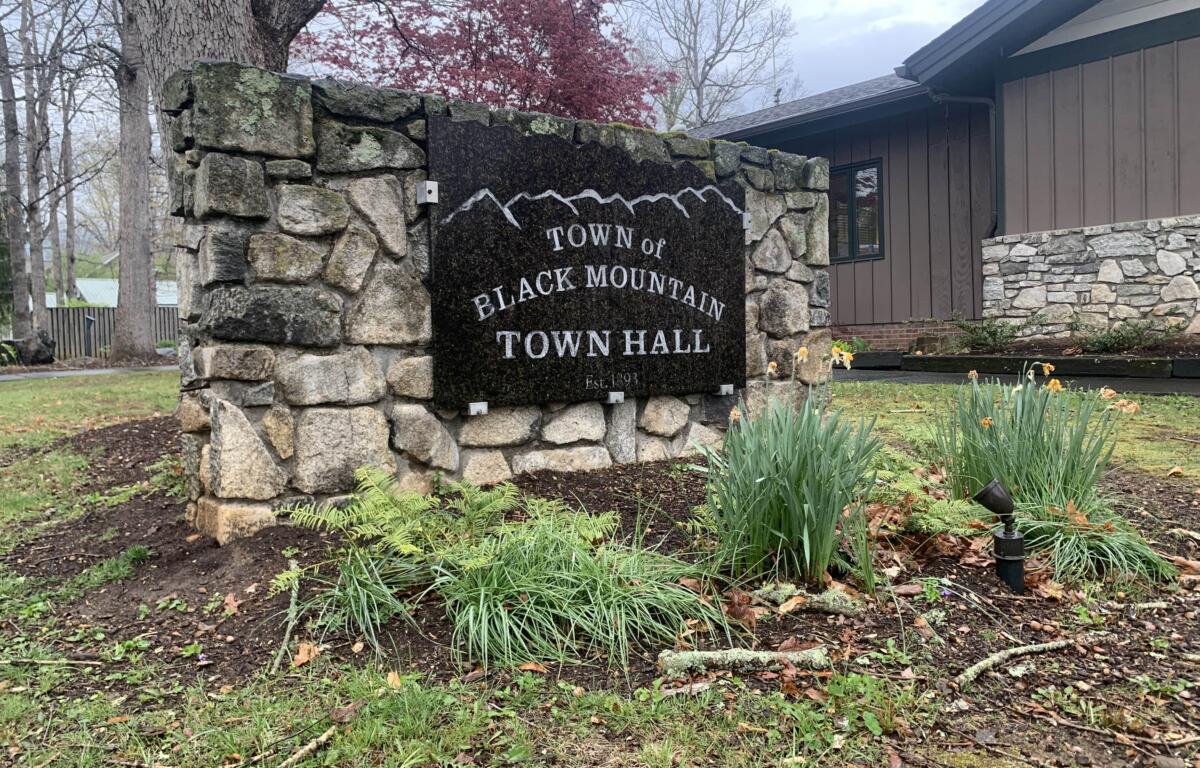

BLACK MOUNTAIN, N.C. (828newsNOW) — Black Mountain officials are facing difficult budget decisions as they prepare for the upcoming fiscal year, with nearly $2.8 million in combined funding gaps and the possibility of future tax and utility rate increases.
The town’s proposed Fiscal Year 2026-27 budget identifies an estimated $1.86 million shortfall in the General Fund and a nearly $918,000 deficit in the Water Fund, according to budget documents presented to Town Council.
In his budget message, Interim Town Manager Richard Hicks said the spending plan reflects ongoing financial pressures, uncertainty surrounding Buncombe County’s recent property revaluation and growing infrastructure needs.
“The proposed budget does not recommend using appropriated fund balance to balance the budget,” Hicks wrote. “This recommendation will be difficult and require making difficult decisions.”
Among the options available to the council are spending reductions, service cuts, fee increases, tax increases or a combination of those measures.
The budget comes as Black Mountain adjusts to Buncombe County’s recent property revaluation, which increased the town’s tax base by nearly 48 percent, from approximately $1.79 billion to $2.65 billion.
The draft budget assumes a revenue-neutral-with-growth property tax rate of 22.9 cents per $100 of assessed value, down from the current rate of 32.1 cents. However, uncertainty remains because state lawmakers are considering legislation that could delay implementation of the revaluation.
Budget projections show that if the revaluation proceeds as planned, the town would still need the equivalent of about a 6.8-cent property tax increase to eliminate the General Fund deficit. If the revaluation is delayed, that gap would grow and require the equivalent of a roughly 9.75-cent increase.
The proposed budget does not include employee pay raises.
According to town estimates, a 1 percent salary increase would cost more than $58,000 in the General Fund and additional amounts across other departments and funds.
The Water Fund presents some of the most significant financial challenges.
Officials project water sales will finish the current year approximately $375,000 below budget. The utility lost more than $400,000 during the previous fiscal year and could end the current year with a deficit exceeding $500,000.
To address the shortfall, town staff estimate that a 50-cent increase per 100 gallons of water usage would generate enough revenue to close the funding gap. For a household using 5,000 gallons per month, that would translate to an increase of about $25 on a monthly bill.
The budget also highlights concerns about the town’s solid waste program. Black Mountain’s $8 monthly sanitation fee generates about $425,000 annually, while projected operating costs exceed $1.1 million, meaning the fee covers only about 37 percent of expenses.
Facing financial constraints, the town has scaled back several capital spending plans.
A proposed $500,000 allocation for streets and sidewalks was removed from the budget, while police vehicle replacements would be financed through a proposed $260,000 loan. The town is also preparing for significant costs associated with replacing the Ninth Street bridge, addressing stormwater infrastructure needs and potentially renovating or replacing public safety facilities.
The Black Mountain Fire Department also faces budget pressures. The town’s contribution to the department is expected to increase to roughly $2 million, up from about $1.44 million, while previously anticipated fund balance revenues are no longer available following recent audit findings.
Town officials will continue budget discussions in the coming weeks before adopting a final spending plan for the fiscal year that begins July 1.
A public hearing on the proposed budget is scheduled for 6 p.m. June 15.