


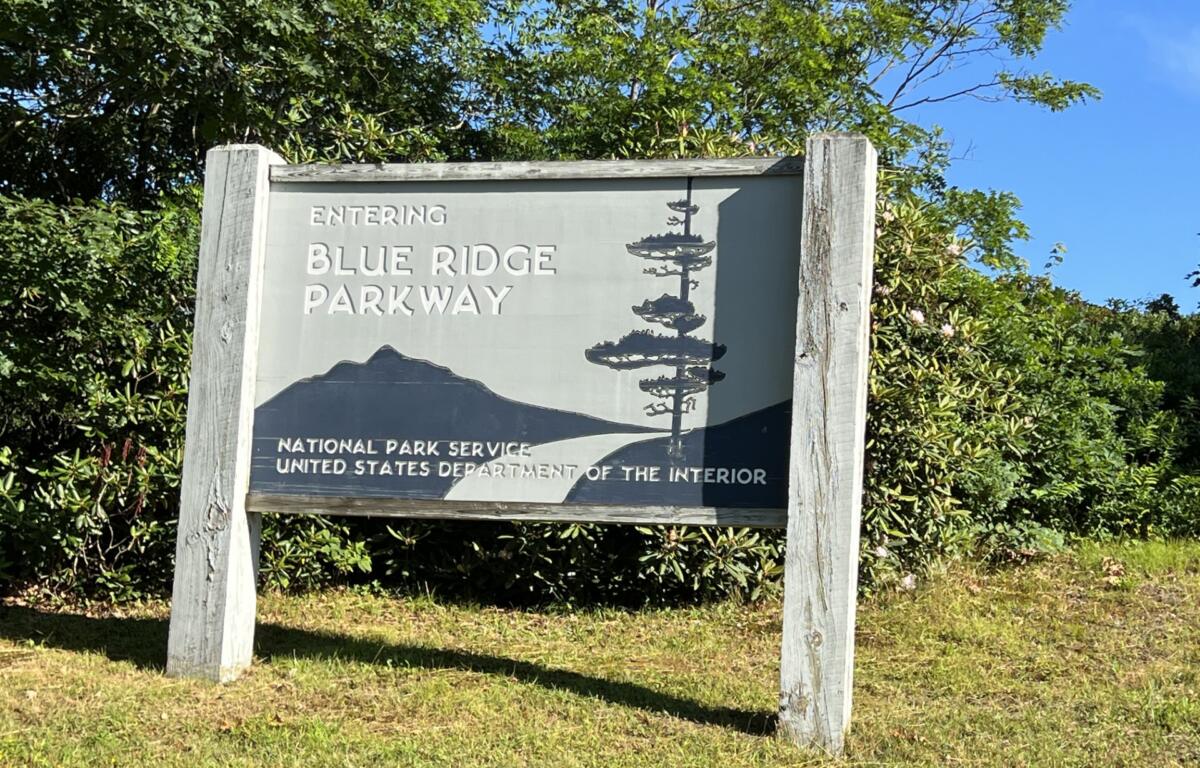

ASHEVILLE, N.C. (828newsNOW) — A National Park Service plan to remove storm-damaged trees and other debris from nearly 900 acres along the Blue Ridge Parkway is drawing opposition from conservation groups.
The NPS calls the project hazardous fuel reduction and says it is intended to reduce wildfire risks and address public safety concerns in areas where Tropical Storm Helene left large concentrations of dead and downed vegetation.
Under the latest plan, about 467 acres could receive ground-based mechanical treatment, while another 428 acres could be treated using helicopters and hand crews. The NPS says additional areas could eventually be addressed with hand crews and light-duty equipment, but those locations and treatment methods have not been finalized.
Mechanical work could begin as early as September, according to the NPS. Aerial treatment could begin as early as November after additional site-specific assessments.
The project has drawn criticism from MountainTrue, Indivisible Asheville/WNC and other conservation advocates, who say the use of heavy equipment could cause additional environmental damage in areas still recovering from Helene.
“Logging roads and landings would compact hillsides, increase erosion, and create severe gaps that invite invasive species to spread,” Indivisible Asheville/WNC said in a social media post.
MountainTrue also argues that large downed trees are not necessarily the greatest wildfire concern and says smaller dead trees, snags and fine debris closer to forest edges pose a greater risk. The group is urging the NPS to give local experts, scientists and community members a greater role in shaping the project.
The NPS says its project areas were identified using wildfire-risk modeling and field verification conducted by parkway staff and resource-management divisions, with assistance from the U.S. Forest Service, NPS fire-management staff, consultants and others. The agency also says it continues to consult with tribes, state and federal agencies and subject-matter experts.
The NPS says the project focuses on areas where concentrated post-Helene debris has been identified as posing an elevated wildfire risk to communities, homes and other resources, or where the debris creates safety concerns or interferes with access and management activities.
Conservation groups have raised particular concerns about the potential for erosion and other environmental impacts from heavy equipment and temporary access routes.
The NPS says ground-based operations will be limited to areas where heavy equipment can operate without causing unacceptable resource damage. Temporary access routes, skid trails and landings will be closed, stabilized and regraded after work is completed, with erosion-control measures used as needed. The agency also says it will avoid wetlands and revegetate areas as necessary with native plants.
The agency says treatment areas also will be designed to minimize visual impacts at overlooks, trailheads, viewpoints and mountaintop ridges.
The project comes as the parkway continues to recover from Helene, which caused extensive damage to roads, slopes, vegetation and other infrastructure across Western North Carolina.
The NPS says no full parkway closures are expected during the work, although brief single-lane closures could occur to support safe operations.
MountainTrue is asking the public to sign a petition opposing the project and calling for greater community involvement. The organization says the project details are still being finalized.
The NPS says treatment areas remain subject to further refinement as officials continue evaluating operational and resource considerations.