
ASHEVILLE, N.C. (828newsNOW) — That is, sentimental sci-fi spectacle. The director’s latest movie is a fantastic, heartfelt alien adventure. Read our review for more.
“DISCLOSURE DAY” (2026, 145 min., directed by Steven Spielberg)
There’s a sequence a little over halfway through “Disclosure Day” where two characters crash into a train car full of pianos, having just survived a thrilling action set piece involving a red car and an oncoming locomotive. One of them, a TV meteorologist named Margaret, collapses in a daze. Then, suddenly, like a freak summer storm settling over a bustling public pool, she erupts into a panic attack. Her words are jumbled. Her breathing is too fast. Her movements are erratic. Her name is Emily Blunt, and she is in the middle of giving the greatest performance of her career in “Disclosure Day,” Steven Spielberg’s newest sci-fi spectacle.
Blunt is representative of one of two halves of Spielberg’s new film, which, in turn, are reflective of the two parts of the auteur. She is the Spielbergian right brain, or the emotional core of the story. Margaret is warmth, humor and human connection embodied. She is all of the things that make the best Spielberg movies so easy to connect to.
On the other end of the film, Josh O’Connor, always reliably good but a little underutilized here, is Daniel, a cybersecurity whistleblower attempting to disclose the existence of aliens to the public. Daniel is a tech whiz and a brilliant mathematician, which is what attracted his employer, the shadowy, sinister Wardex, to hire him. While Blunt provides the most memorable dialogue of the film, O’Connor serves the avatar of action, keeping the engine of action moving as Daniel evades Wardex capture. Daniel is the Spielbergian left brain, representing the director as the master technician behind the camera.
When the two halves combine during that bravura train sequence, it makes for the some of the greatest Spielberg of his entire career.

“Disclosure Day” is a movie obsessed with reflection, literal and figurative. The visual language of the film is full of it: faces reflect in car windows, through office glass, in the steel blade of a knife. Lens flares bounce and scatter across the screen in reflections of light. Characters’ movements reflect each other in gesture and plot. The movie is like one gigantic mirror, and Spielberg is the face peering back.
Spielberg has made five feature films about aliens: “Close Encounters of the Third Kind” in 1977, “E.T. the Extra-Terrestrial” in 1982, “War of the Worlds” in 2005, “Indiana Jones and the Kingdom of the Crystal Skull” in 2008, and, now, “Disclosure Day,” 2026. Little green men have been a central preoccupation for the director for 50 years.
That isn’t even counting the hard sci-fi films Spielberg has in his ledger. “Minority Report,” “A.I. Artificial Intelligence,” two “Jurassic Park” films and “Ready Player One” may not be about aliens, but they are certainly moons around the strange planet of “Disclosure Day.”
Additionally, many of his frequent collaborators are here to help: Janusz Kamiński, director of photography for every Spielberg flick since “Schindler’s List.” Sarah Broshar, protégée of venerable Spielberg editor Michael Kahn. The inimitable John Williams, who has scored 30 Spielberg movies. David Koepp, who has written several Spielberg classics. More recent partners are present too, including costumer Paul Tazewell, casting director Cindy Tolan and production designer Adam Stockhausen.
I bring this up because “Disclosure Day” is like a synthesis of them all, films and artists alike, through the lens of their director. The movie is a gigantic reflection of Spielberg’s career spent telling these stories, even more so than “The Fabelmans,” Spielberg’s autobiographical look at his own childhood. So many of the images, ideas and feelings the director has infused in his work can be found inside his latest: trains, inept government goons, daring journalists, thrilling car chases, complicated relationships. Eyeballs, scruffy leading men, fairy tales. Connection. Compassion. Hope.
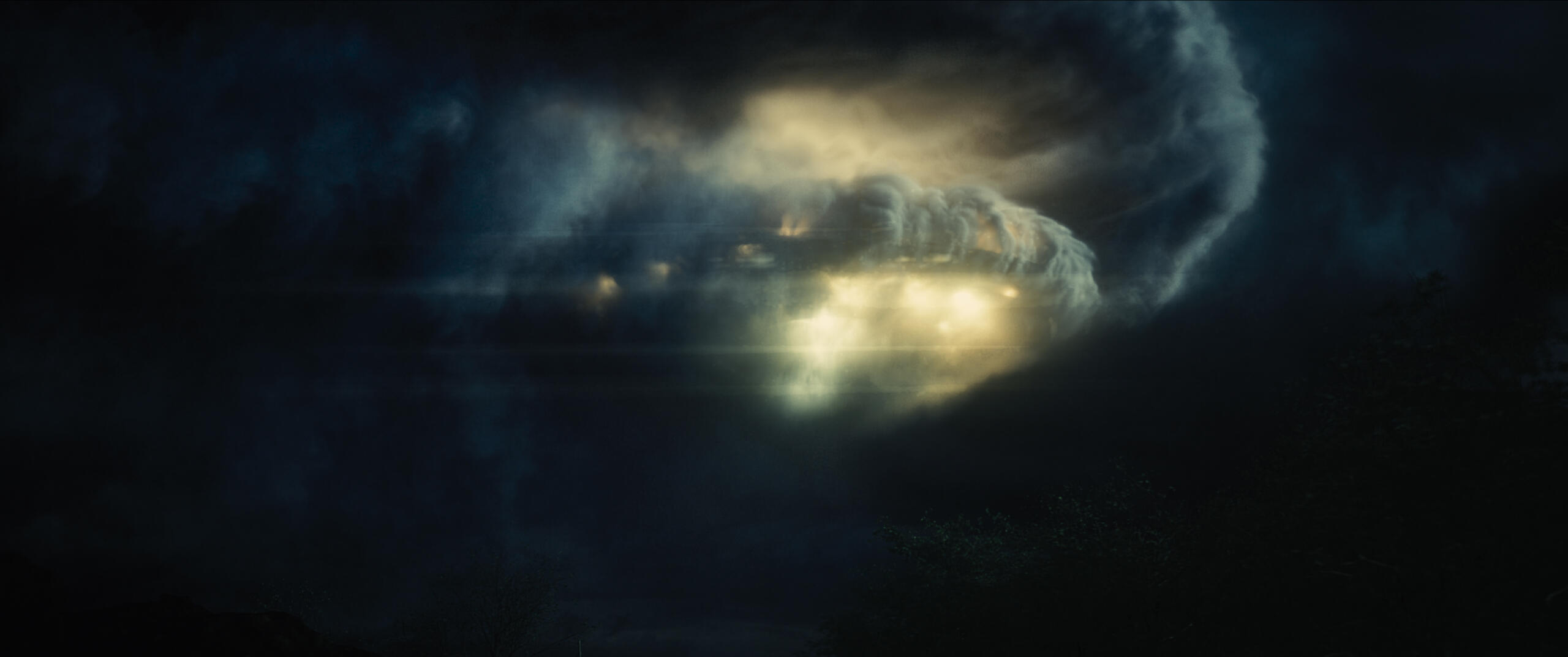
In this way, there is a lot about “Disclosure Day” which feels old-fashioned. The movie is styled after 70s conspiracy thrillers more than modern blockbusters. There are no superheroes or CGI laser beams here, and even its most sci-fi elements are fairly retro. I mean, take the aliens, which resemble the most primordial version of the “👽” emoji. The old Spielbergian sentimentality is here, too. This is a movie that wears its heart on its sleeve.
In the dark, cynical world we live in, I can see how “Disclosure Day” could feel out of step, and I am certain that some audiences will feel that way, particularly about the final 15 minutes.
However, the themes of “Disclosure Day” are in keeping with all the Spielberg that has come before it. After a terrifying shark attack, two men swim to shore, forever bonded. After a small alien is seized by an uncaring government, a boy bicycles his new friend to freedom. During the Holocaust, a man saves lives. During World War II, the life of one private matters. On an island filled with ravenous monsters, a group of people find family. This is the same idea we have no problem accepting when it involves adventurous archeologists, courageous journalists and globetrotting con men.
But this is a Spielberg movie with smartphones. This is a reflection of not only the filmmaker, but of the audience he makes films for. It is challenging to see a depiction of us as we are, in an age that has never been so intertwined and so disconnected, and accept something uplifting.
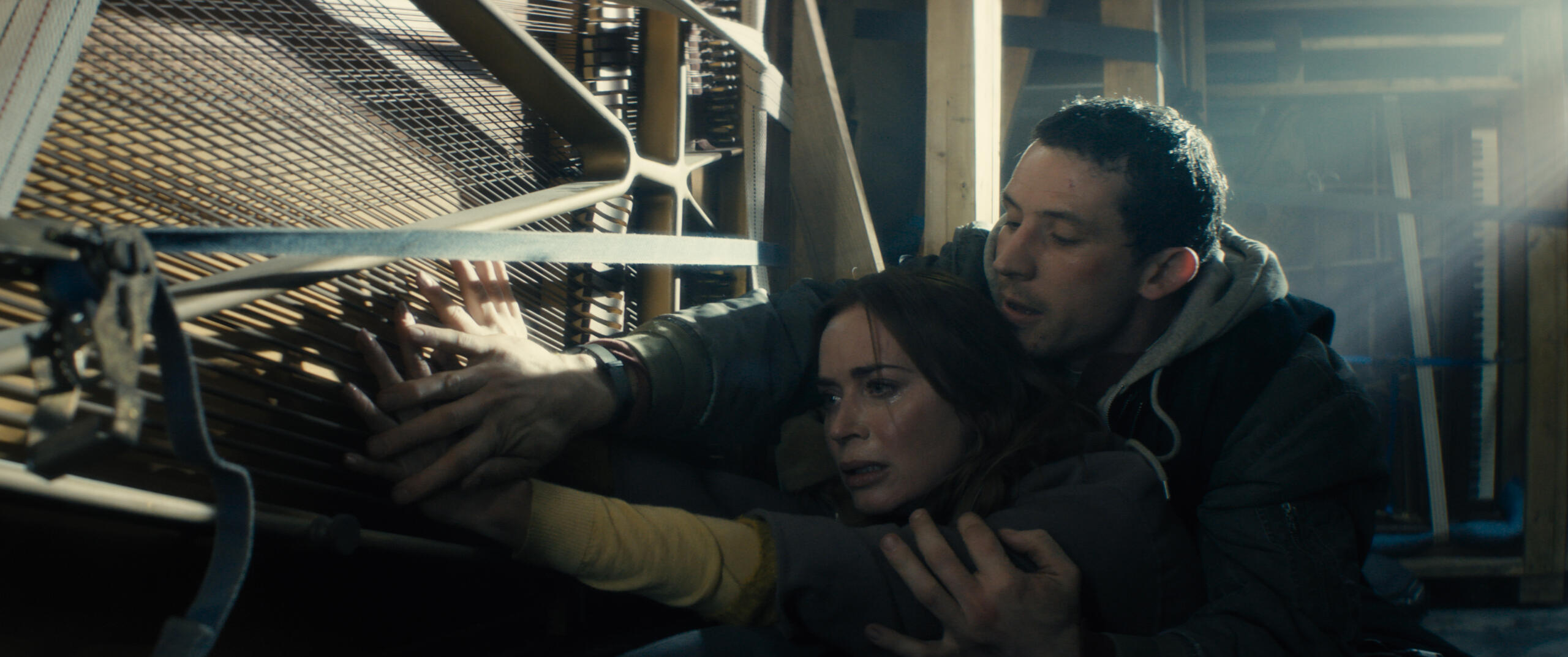
In the dark of the train car, Margaret heaved and shook, surrounded by rattling pianos. But then, Daniel appeared, breathing with her, guiding her hands to stillness, slowing her racing thoughts. What Spielberg has been so good at for over five decades is holding a hand out through the darkness and pulling the audience into the light. His films are beloved for the humanity he finds in their high concepts. This one is no different, but its proximity to today makes it all the more powerful.
“Disclosure Day” dares to ask its audience to believe, not just in extraterrestrial life, but in the human capacity for wonder, goodness and empathy. Spielberg still has it. He wants us to know that we do, too.
Rating: 4.5/5
-
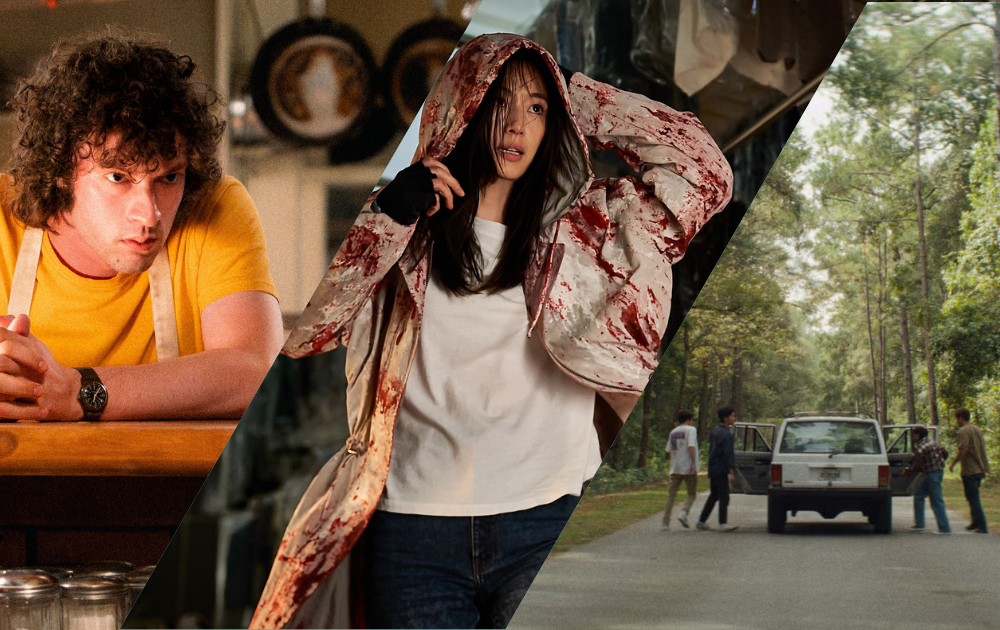
Korean zombies, endless roads and Anthony Bourdain: New movies to see in September 2026

“Spider-Man: Brand New Day” and “The Odyssey” might have defined the summer box office, but there are plenty of hidden movie gems to discover as we head into the fall. Check out our reviews of “Tony,” “Colony,” “Buddy” and “It Ends.”
-
5 best films at the 2026 Asheville Film Festival

The 2nd annual Asheville Film Festival ran from Aug. 21-23, 2026, at the Masonic Temple in downtown Asheville. Read a review of our favorite festival films below.
-
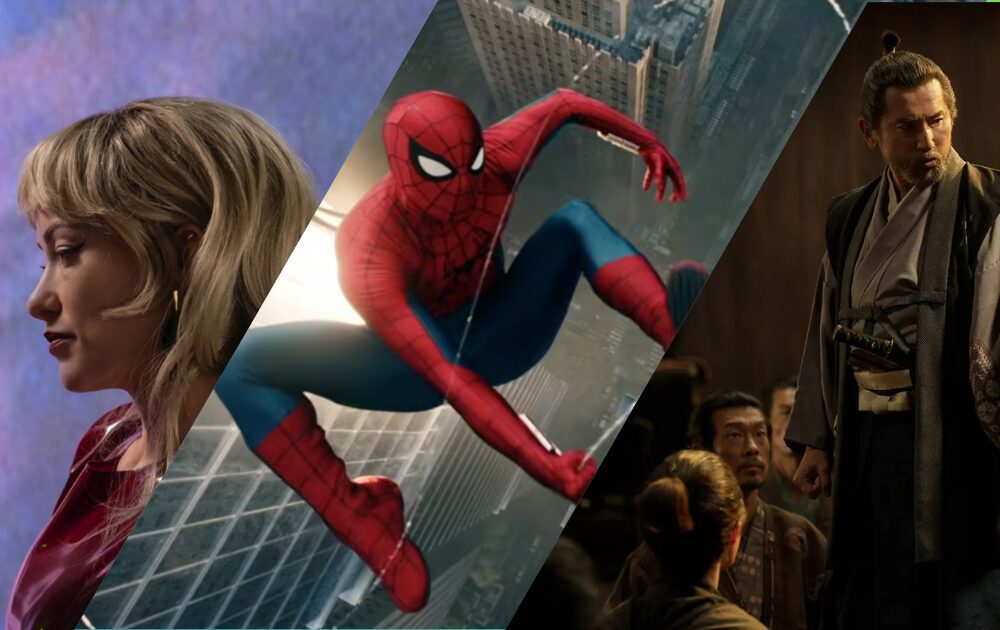
‘Spider-Man,’ samurai and ‘I Want Your Sex’: New movies to see in August 2026
Want to know if “Spider-Man: Brand New Day” is worth your time? Looking for a cool indie to watch? Read on for our reviews of new movies to see this August.
-
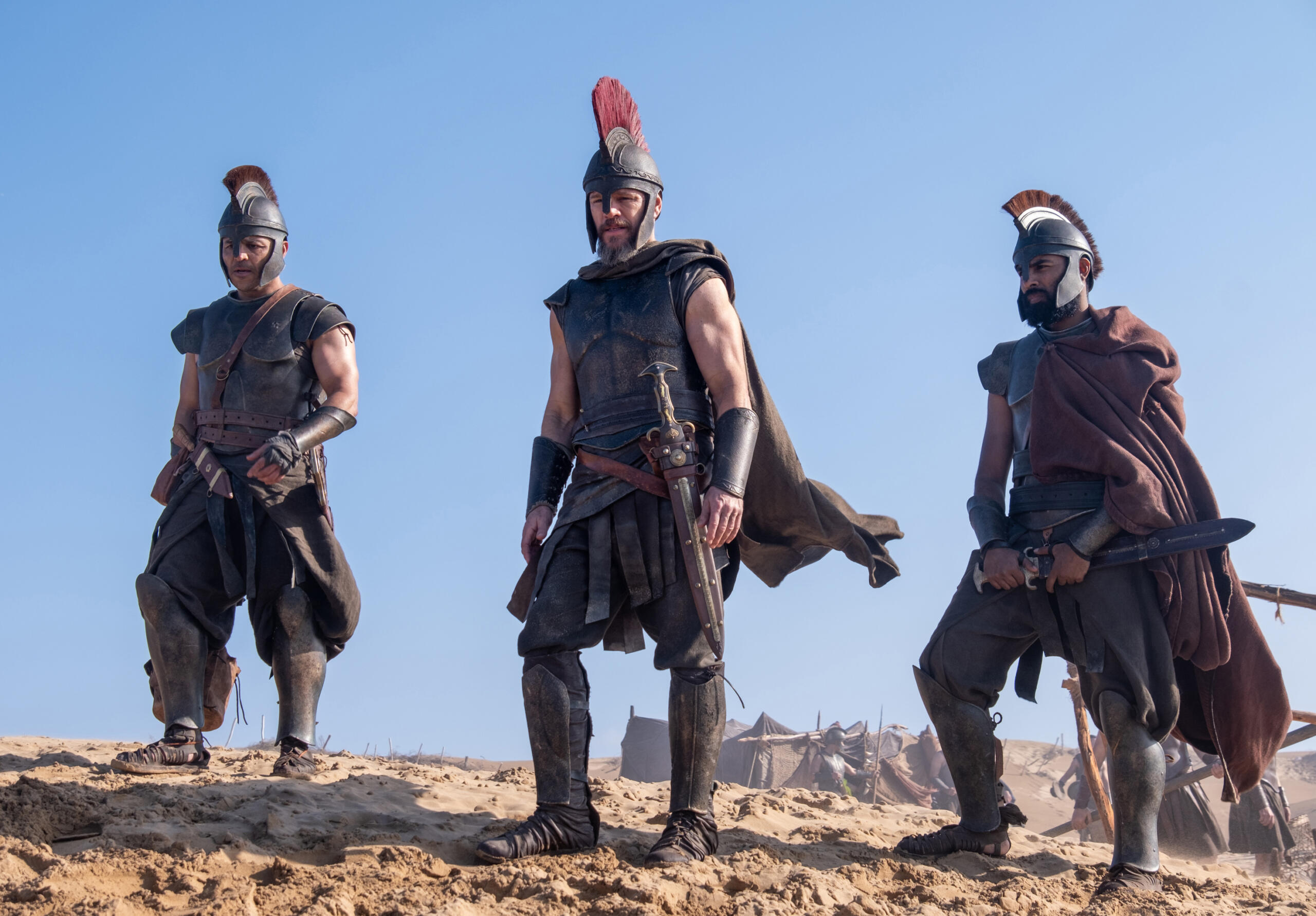
‘The Odyssey’ review: Christopher Nolan’s epic is mythic, massive moviemaking

“The Odyssey” has arrived. “Oppenheimer” director Christopher Nolan delivers an unbelievably immersive and impressive interpretation of the epic story. Read our review for more.
-
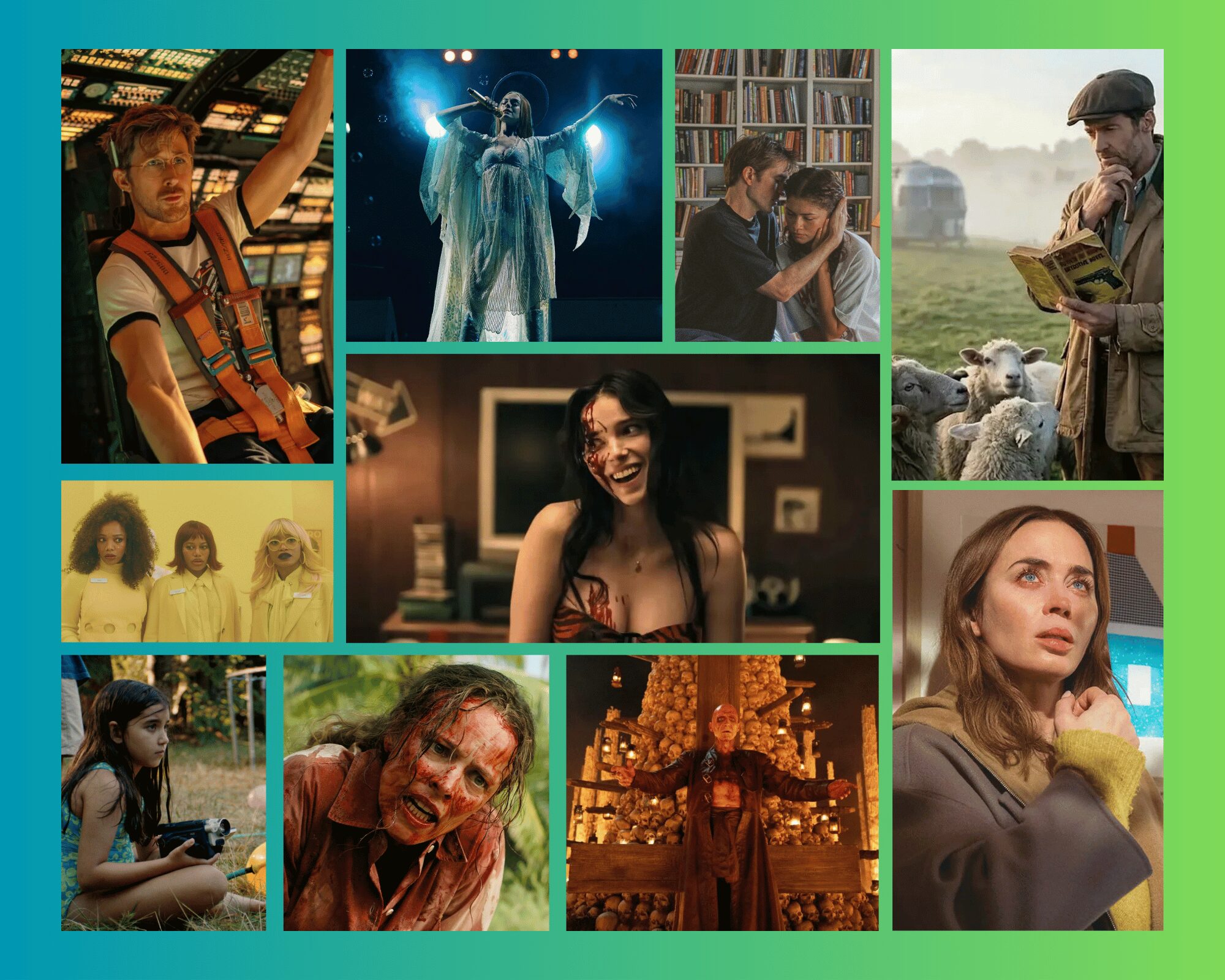
Best movies of 2026 so far: Our top 10 and honorable mentions

The year is already halfway over, which means there has never been a better time to check out the 2026 movies you may have missed. Read our list of the 10 best flicks of 2026… so far.
-
‘Disclosure Day’ is Steven Spielberg doing what he does best
That is, sentimental sci-fi spectacle. The director’s latest movie is a fantastic, heartfelt alien adventure. Read our review for more.
-
‘Backrooms,’ He-Man and ‘Scary Movie’: New movies to see or skip in June 2026
Looking for a new movie to see as summer vacation starts? Check out our reviews of three major releases: the indie horror phenomenon “Backrooms,” the silly 80s throwback “Masters of the Universe” and the sixth installment of the long-running parody series “Scary Movie.”
-
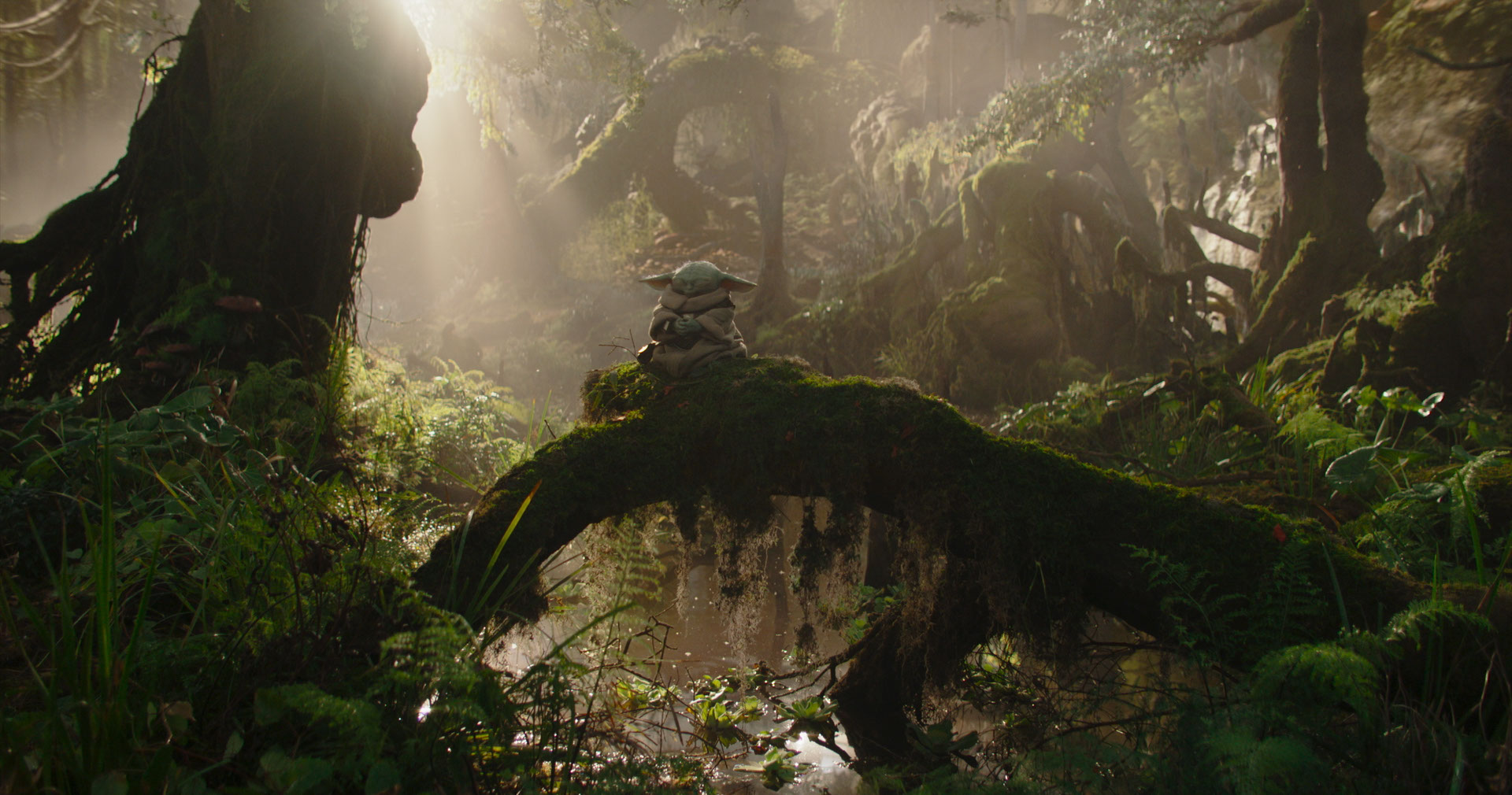
‘The Mandalorian and Grogu’ is cute, copy-and-paste ‘Star Wars’

The first new “Star Wars” movie in seven years is here! While far, far away from the galaxy’s best “Star Wars” flick, “The Mandalorian and Grogu” offers up cuteness in overdrive.
-
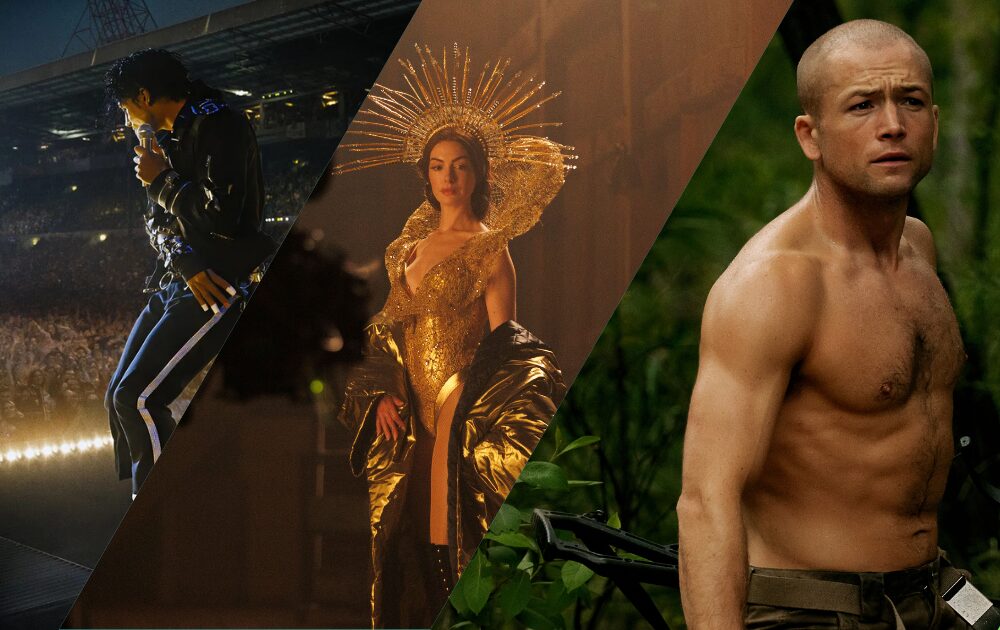
From ‘Michael’ to ‘Mother Mary’: New movies to see or skip in May 2026
A Michael Jackson biopic, two Anne Hathaway vehicles and an Australian serial killer thriller are our movies to see, stream or skip this May. Find out which is which in our reviews.
-
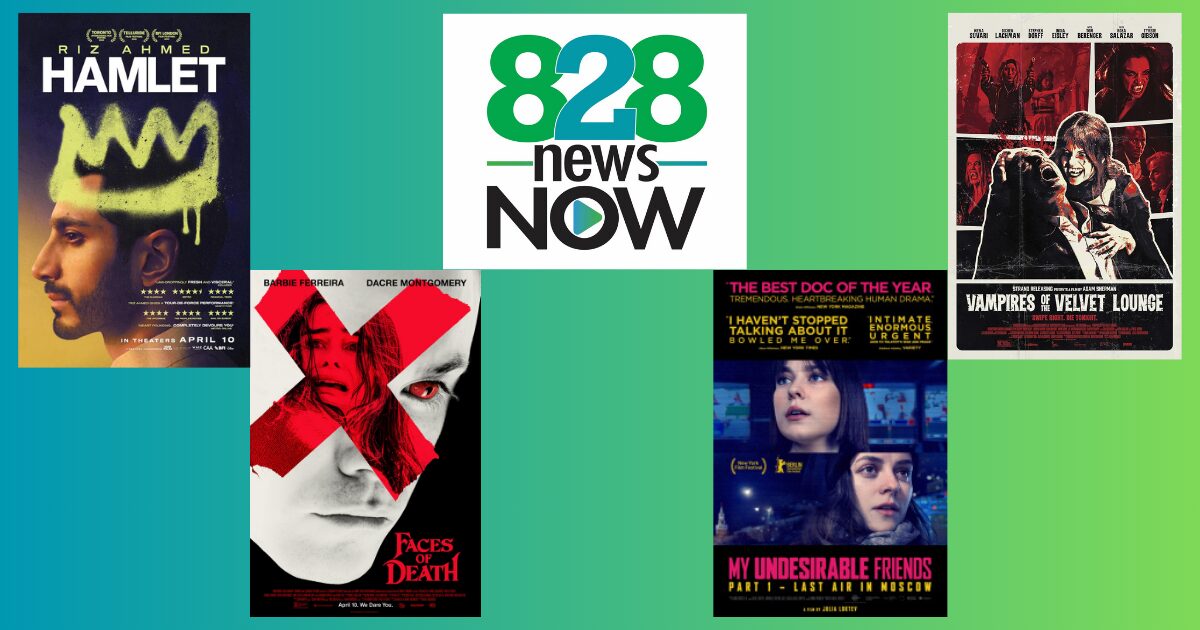
New movies to see, stream or skip in April 2026

Looking for a movie to see in Asheville this April? Learn what to see, stream or skip with our reviews of a cult horror reboot, a fresh spin on “Hamlet,” a documentary of epic length and a niche new vampire flick.