


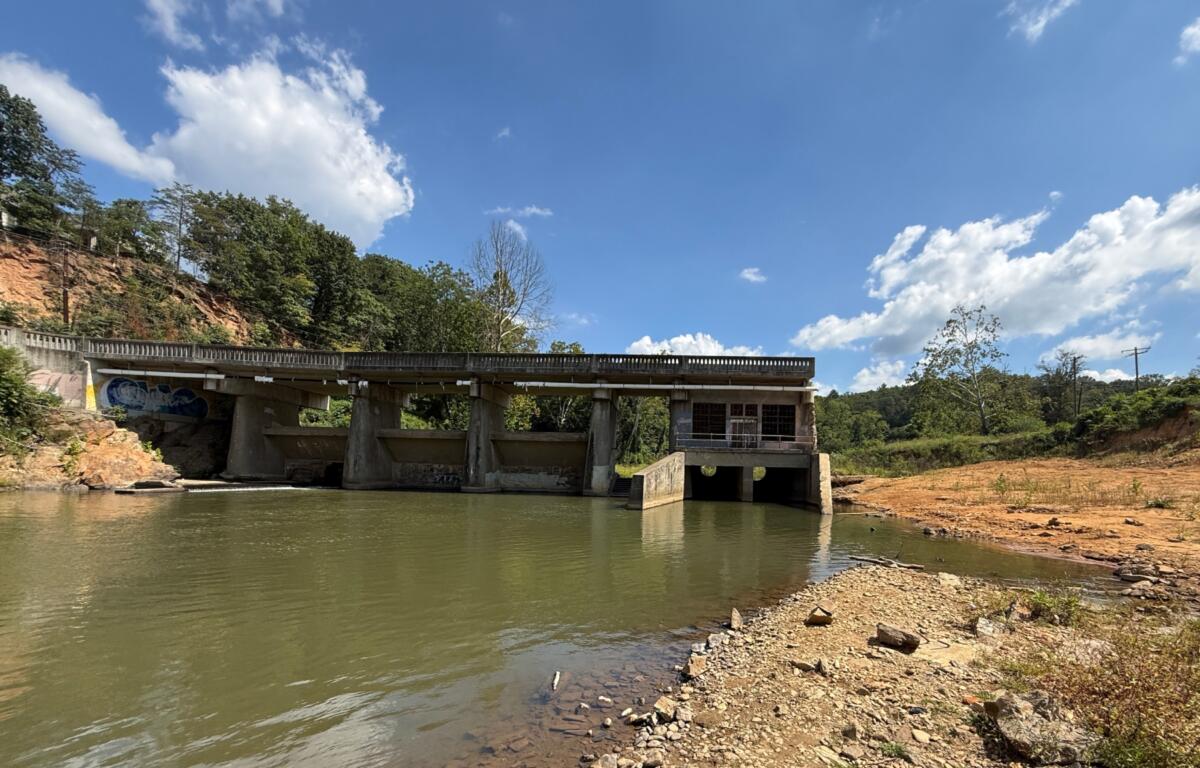

ASHEVILLE, N.C. (828newsNOW) — Tropical Storm Helene changed the Swannanoa River in countless ways. One of those changes is giving native fish access to stretches of the river they hadn’t been able to reach for more than a century.
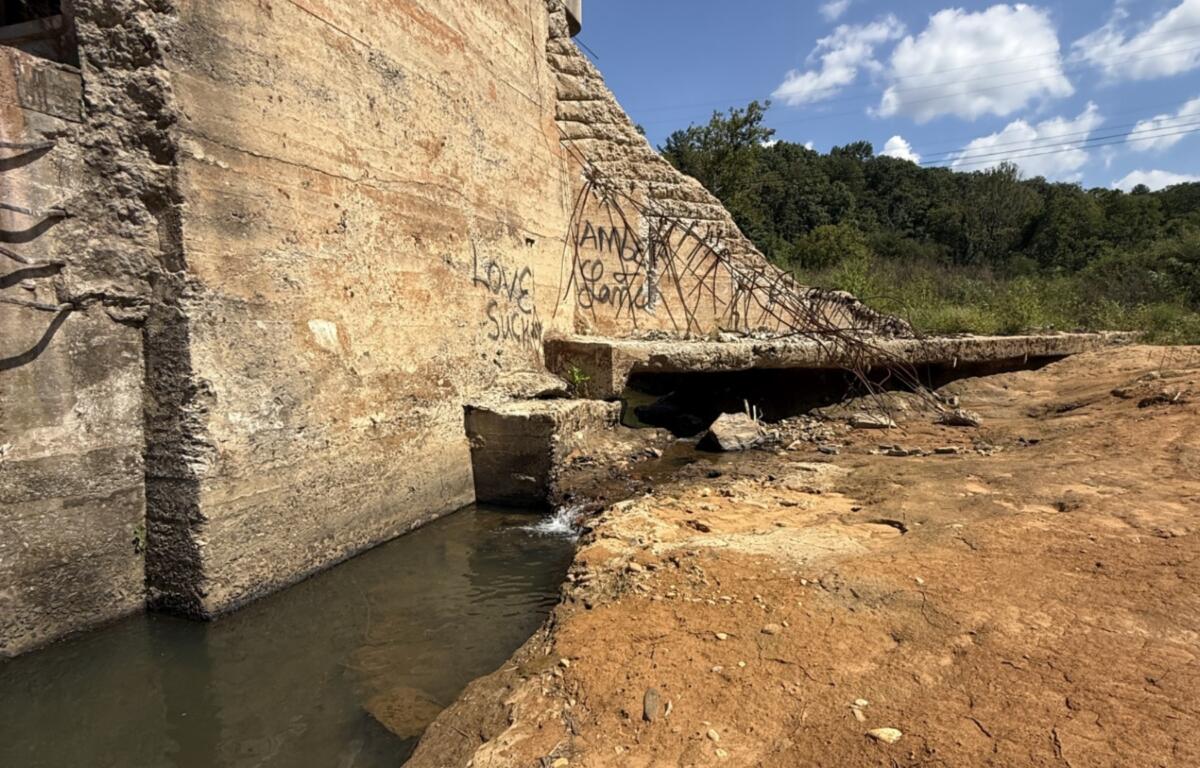
A small opening created when Helene partially washed out Lake Craig Dam has restored fish passage upstream of the century-old barrier, and researchers are already finding species in places where they hadn’t previously been documented.
In a report released Sept. 29, the N.C. Wildlife Resources Commission described the opening as an unexpected positive outcome of the storm.
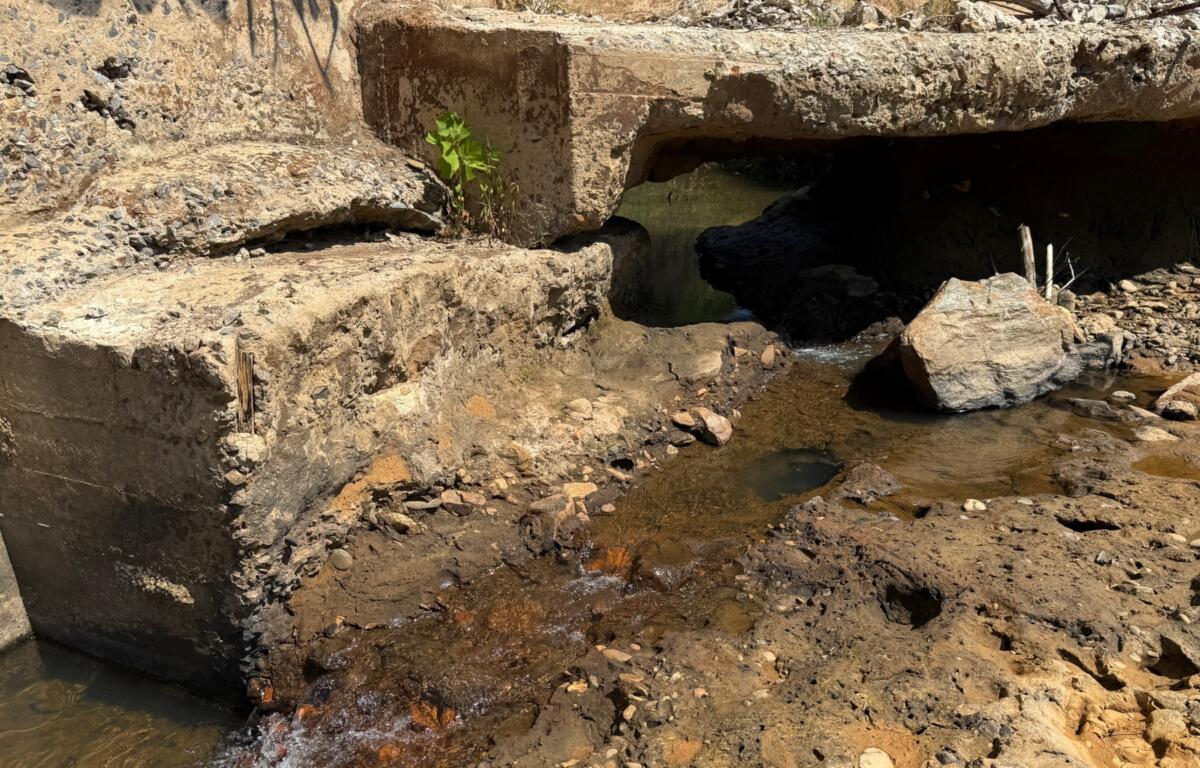
Surveys conducted by NC Wildlife and Warren Wilson College researchers found smallmouth bass and russet darters upstream of the dam for the first time since it was built. The discovery is one of the more encouraging signs emerging as scientists continue to study the Swannanoa River’s recovery from the September 2024 storm.
The dam had been a known barrier for at least six monitored fish species, according to the commission.
Wildlife officials had been considering reintroducing some native species to stretches of the river above the dam. Helene changed those plans.
The fish began making the journey themselves.
The discovery of russet darters is particularly encouraging. The small native fish are sensitive to pollution, and NC Wildlife said their presence is a strong indicator of improving water quality.
The opening at Lake Craig Dam is only one part of a much larger recovery underway along the Swannanoa.
Helene’s flooding scoured riverbanks, removed trees and vegetation and dramatically altered aquatic habitat. The loss of shade also contributed to unusually high water temperatures that made conditions difficult for cold-water species.
Since the storm, restoration work has focused on stabilizing the river and rebuilding habitat.
At Warren Wilson College, crews planted more than 19,000 live stakes along the Swannanoa during a three-week period in spring 2025. The plantings are intended to stabilize streambanks, reduce erosion and eventually restore some of the shade lost during the storm.
Lake Craig Dam dates to 1924, when it was built to create a reservoir and provide hydroelectric power. Hydroelectric operations ended in 1952.
The city of Asheville is now moving toward removing the remaining dam rather than repairing it. During an August City Council discussion, city staff said rebuilding the dam would provide no functional flood-control benefit, while restoring the river’s natural flow could benefit aquatic life, river safety and recreation.
That would leave open a stretch of the Swannanoa that had been divided by the man-made barrier for generations.
For a river still recovering from Helene, the return of fish upstream of Lake Craig Dam offers an unusually bright spot from the storm: Native species are once again moving through habitat that had been inaccessible for more than a century.