
EDITOR’S NOTE: Strangeville explores the curious and unexplained stories that have long defined Asheville and Western North Carolina. The region is full of unanswered questions, from old folklore and local legends to eerie encounters, unsolved moments in history, and the true-crime mysteries that still leave people wondering. Each week, we look back with an open mind and a sense of curiosity, trying to understand why some stories take hold and why some can never be explained.
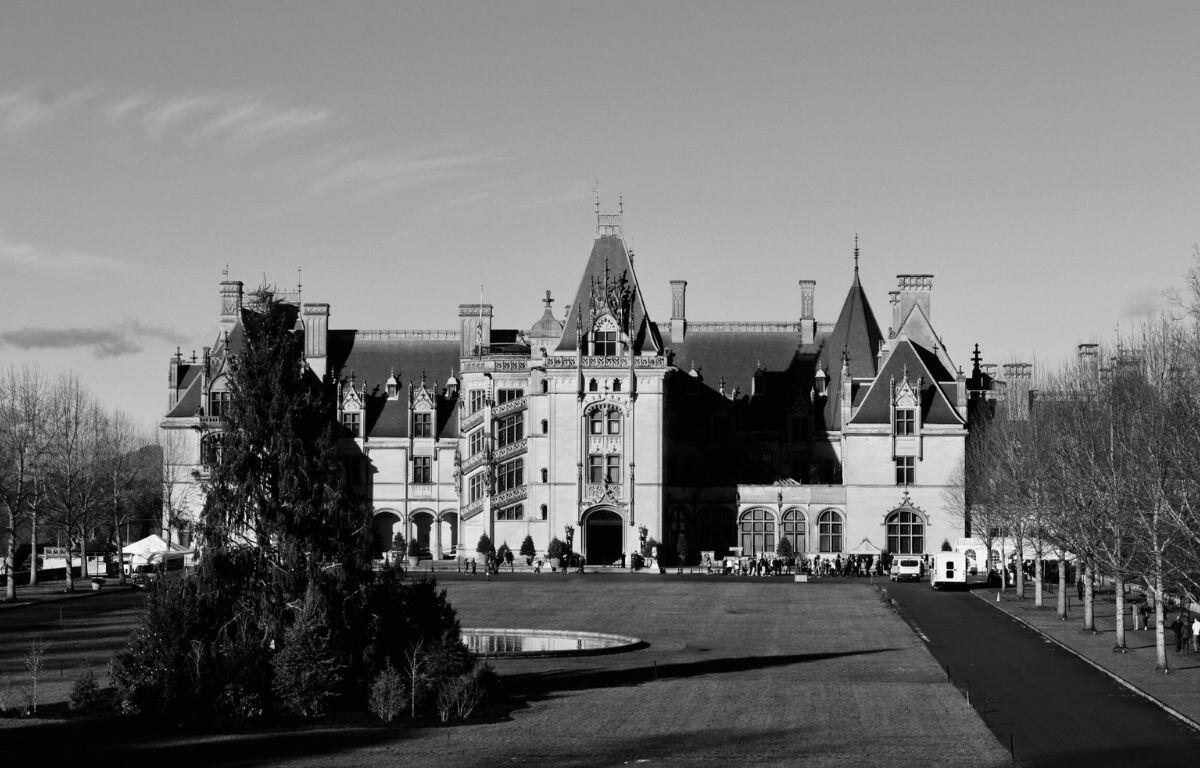
ASHEVILLE, N.C. (828newsNOW.com) – When Cornelia Vanderbilt left Asheville in 1934, she didn’t slip quietly into the background of European life. She stepped into something stranger, a reinvention so dramatic that it unsettled the polite expectations of the era.
The heiress to Biltmore Estate walked away from the place where she was born and raised. She carried her fortune overseas and recast herself in ways that baffled the family and friends she left behind in Asheville.
From the moment she was born in a room at Biltmore, on August 22, 1900, Cornelia’s life was shaped by the rhythm of the estate. As the only child of George Washington Vanderbilt II and Edith Stuyvesant Dresser, her father’s death in 1914 placed both the estate and a significant fortune in her future. People believed her inheritance and social duty would guide her through adulthood and lead to a lifelong connection to the estate.
Despite vowing she would only marry an American, Cornelia’s 1924 marriage to British diplomat John Francis Amherst Cecil appeared to follow the script of social duty. The couple welcomed two sons and navigated the increasingly complicated demands of managing a property that had become both a family home and a regional landmark.
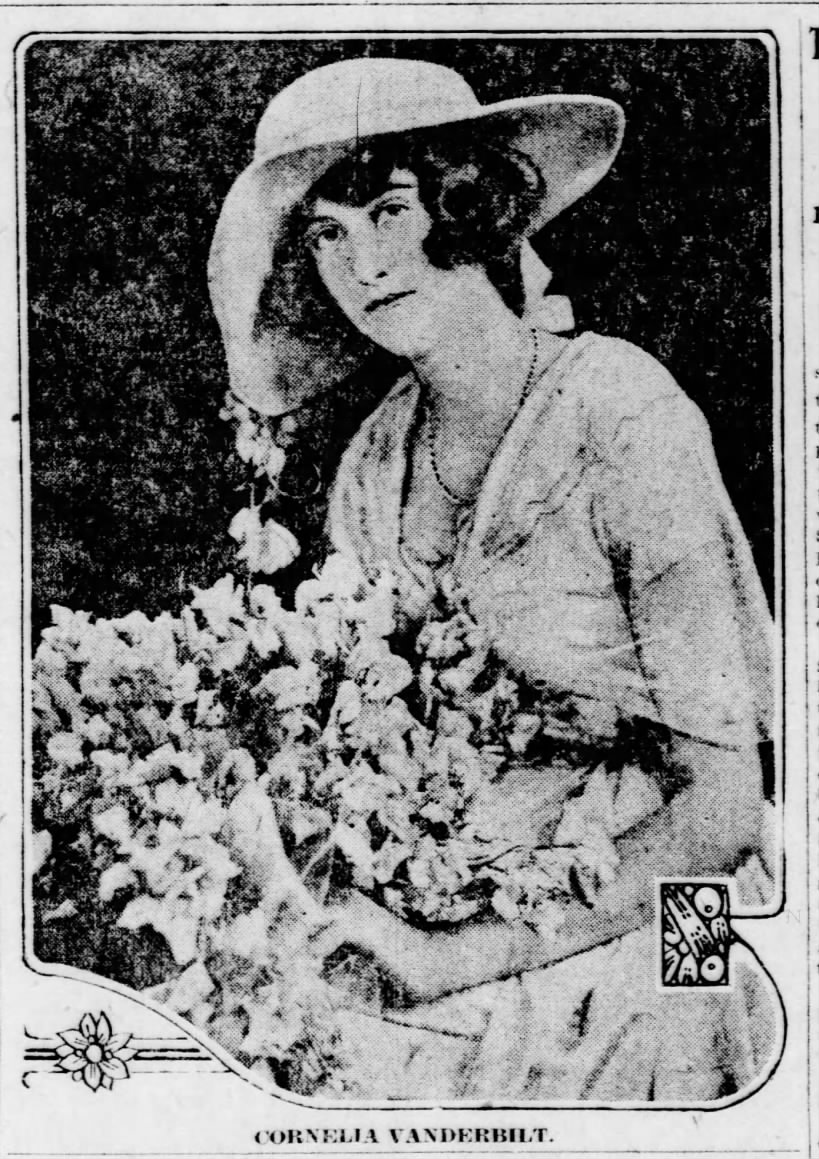
The 1930 decision to open Biltmore House to the public, made during the strain of the Great Depression, pushed Cornelia into a spotlight she did not welcome. Friends and staff would later recall a growing tension around her that deepened as the decade progressed.
Cornelia’s marriage faltered, and her divorce in 1934 created a turning point that no one expected. She left Asheville that year and never returned. Her absence was mysterious, but the accounts of her choices in the years following her departure added a layer of intrigue to Cornelia’s story.
Accounts that emerged in later years describe Cornelia as spending time in New York City before she suddenly appeared in Europe. She adopted the name Nilcha, cut her hair sharply and dyed it in bright, unconventional colors rarely seen among women of her social status in the 1930s. Hair dye carried a cultural charge in that era, signaling rebellion rather than fashion. Her transformation suggested a determination to shed the identity she had inherited in Asheville and replace it with a life shaped entirely by her own choosing in Europe.
Cornelia’s fortune made that transformation possible. She studied art in Paris, traveled frequently and lived in a way that allowed her to move without the weight of constant scrutiny. While living in London she added another surprising turn when she married Vivian Francis Bulkeley-Johnson in 1949. He was a respected figure with ties to the British aristocracy through his service as an aide-de-camp to the 9th Duke of Devonshire.
Her life shifted again after Bulkeley-Johnson’s death in 1968. She married William Goodsir in 1972, a man significantly younger who added another layer of curiosity to the evolving narrative of her reinvention.
Cornelia remained in England until her death on February 7, 1976, in Oxford. Her ashes were placed in a churchyard a world away from the estate where her story began. Her sons continued their own lives, and Biltmore moved forward under the stewardship of her former husband’s descendants. The woman who had once embodied the future of the estate became instead its lingering mystery.
Her departure remains a point of curiosity for visitors who tour Biltmore Estate and hope for an answer no one can give. The question has never been resolved, and the reason she left is now lost to time.
-
Strangeville: The murder that haunts Tryon Theatre

A 1953 murder inside Tryon Theatre remains unsolved. Today, many locals believe the former manager’s spirit still lingers inside the historic building.
-
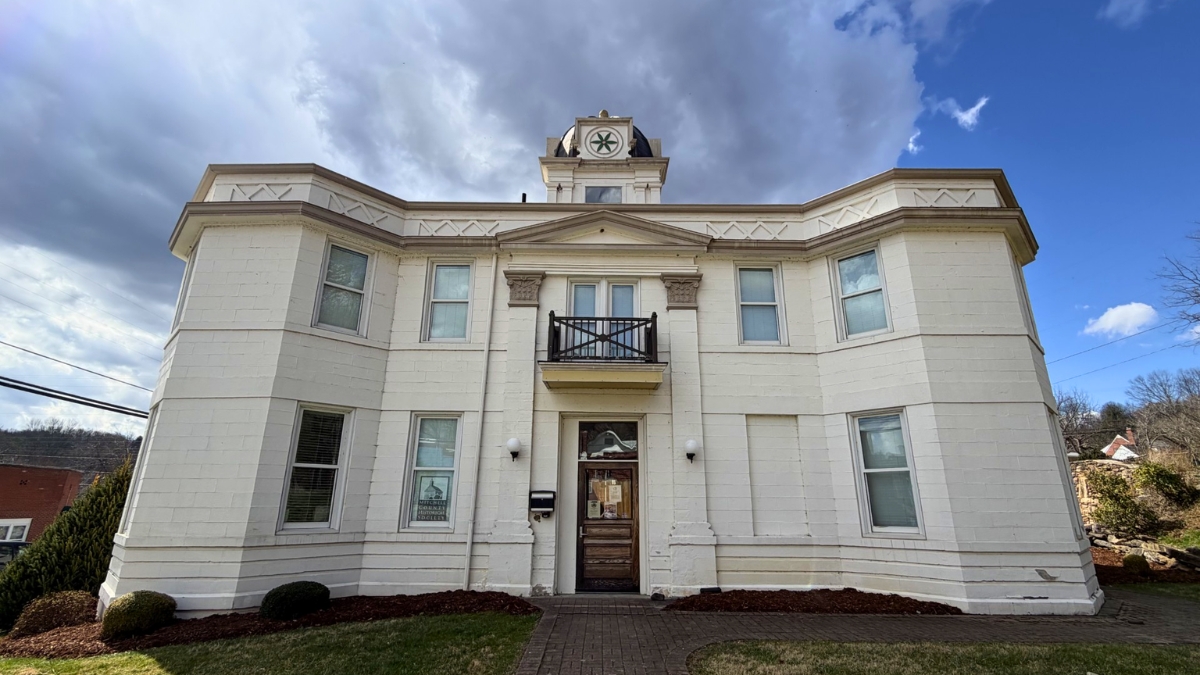
Strangeville: The haunting of Mitchell County’s old courthouse
Workers and officials in Bakersville’s 1907 courthouse reported footsteps, slamming doors and even a mysterious voice during court.
-
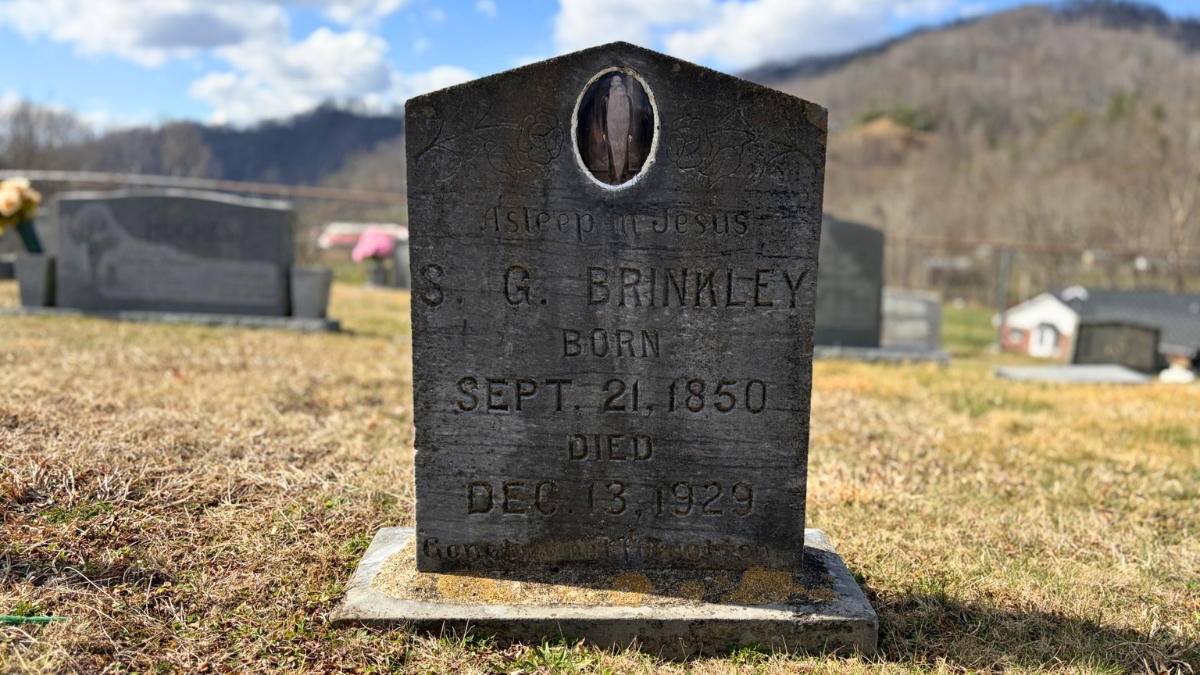
Strangeville: Sam Brinkley, the North Carolina teacher whose beard touched the floor
The Mitchell County schoolteacher stopped shaving in his 20s and eventually toured with the Barnum & Bailey Circus as “The Man With the Longest Beard in the World.”
-
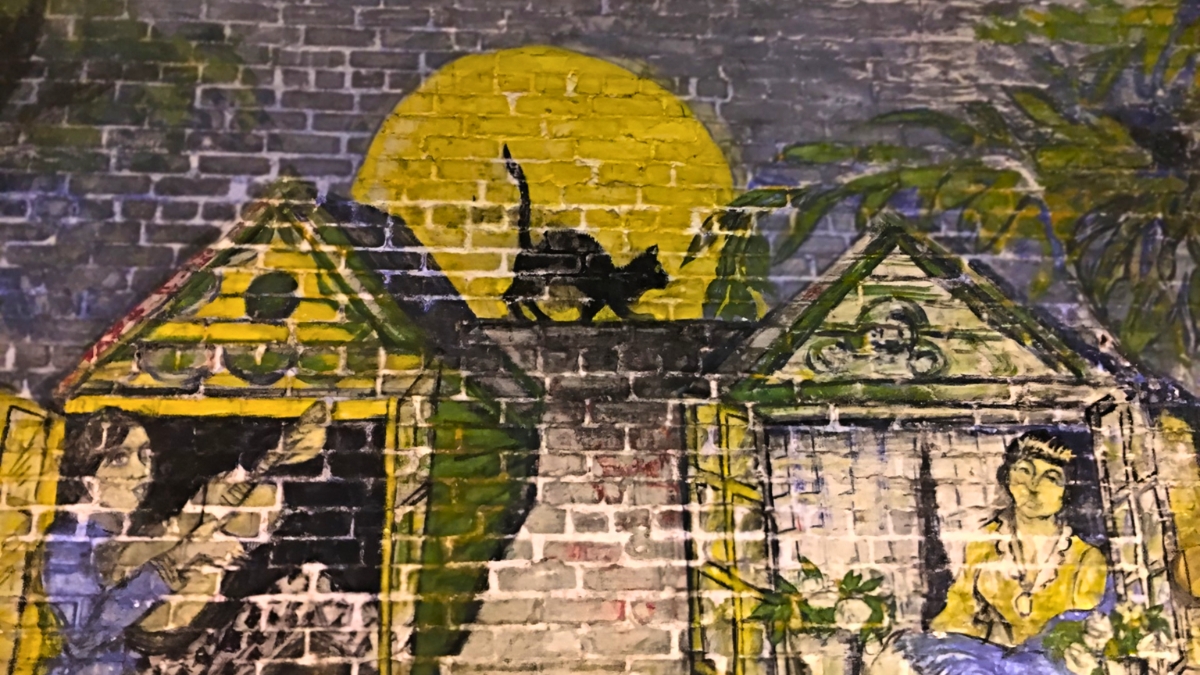
Strangeville: The mystery of Biltmore’s Halloween Room in Asheville
In the basement of America’s largest home, a painted room has fueled decades of rumor, curiosity and mystery.