Editor’s Note: Western North Carolina is rich with untold stories—many resting quietly in local cemeteries. In this Tombstone Tales series, we explore the lives of people from our region’s past whose legacies, whether widely known or nearly forgotten, helped shape the place we call home.
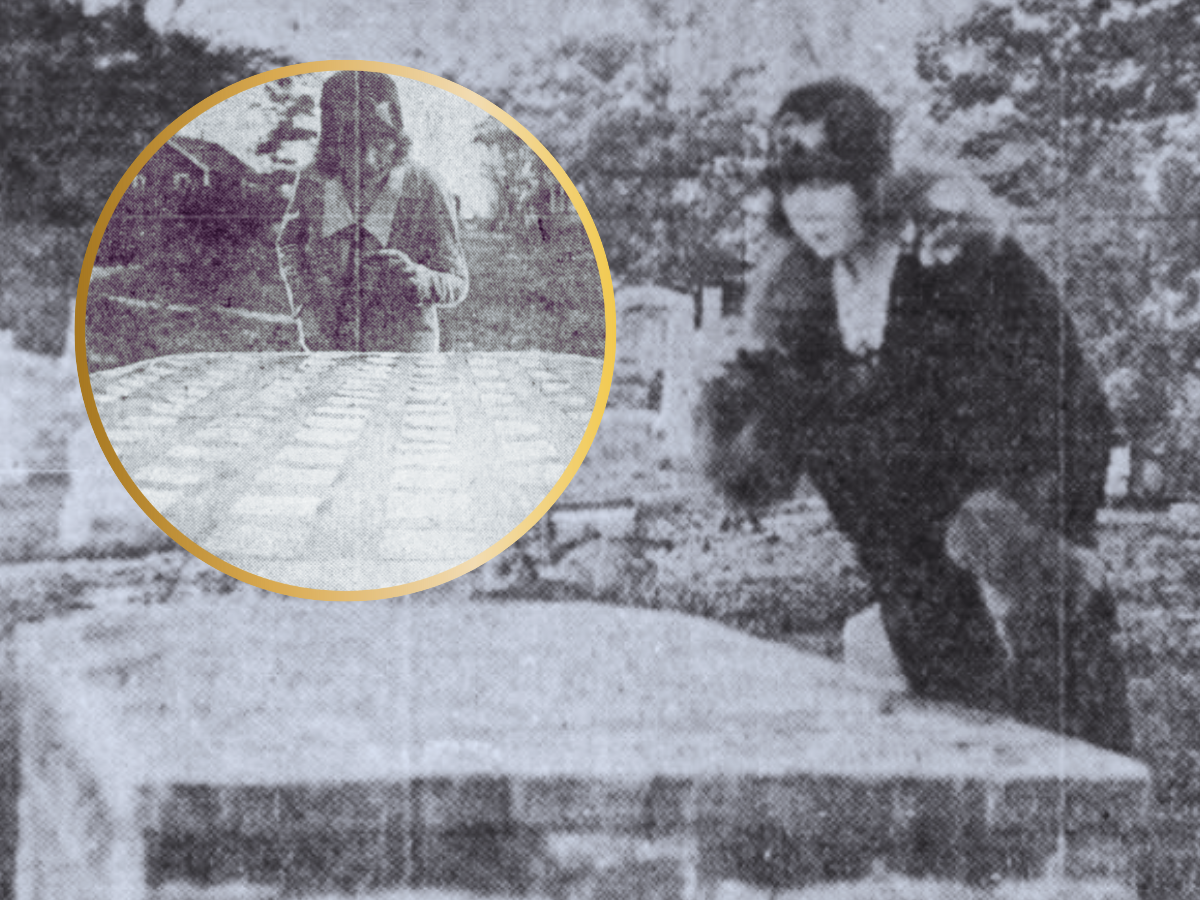
WAYNESVILLE, N.C. — In the quiet hillside of Green Hill Cemetery, one handmade grave marker tells a story of love, labor and life in the North Carolina mountains during the Great Depression. It belongs to Fannie Lou Swayngim, who died in February 1935 at the age of 47.
The 1930 U.S. Census lists Fannie Lou living in Haywood County with her husband, Grover, a fruit farmer, and their seven children. Like many families in the mountains during that time, the Swayngims worked hard to make a living from the land. Her death certificate shows she suffered from chronic pulmonary disease for years, with influenza contributing to her death.
Her marker stands in Section Three, a steeply sloping rear portion of the cemetery where the monuments are smaller and simpler than those in the more prominent areas. Families buried here often relied on local materials and personal craftsmanship to create lasting memorials. The section contains a higher number of concrete headstones, many of them handmade, including the distinctive Swayngim monument.
Unlike the polished marble or granite found elsewhere in Green Hill, Fannie Lou’s headstone was built by hand from small, rounded river stones pressed into concrete. Time has softened the colors, but the artistry remains clear. Near its center, a small rectangular niche was formed to hold flowers or mementos.

Markers like this one are part of a larger Appalachian tradition known as folk funerary art. In the early 1900s, professionally carved stones were expensive and often beyond the reach of working families. Across the South, people turned to what they had on hand: concrete, pebbles, and bits of glass or tile. Using homemade molds or simple tools, they poured concrete, embedded stones and shells, and sometimes painted the finished markers to protect them from the elements.
The North Carolina State Historic Preservation Office notes that Green Hill Cemetery includes several examples of these handmade tributes. The Swayngim monument, with its pebble decoration, reflects the care and resourcefulness that defined the period. It also shows how families found ways to personalize a grave when commercial options were limited.
Each stone was set with purpose, transforming a basic slab of concrete into something personal and enduring.
In a time when money was scarce, these handmade markers carried practicality and emotion. They were built to last, but they also carried beauty that was born from the hands that worked the land and tended to family.
Nearly ninety years later, Fannie Lou Swayngim’s marker remains in its place on the hill, simple and steadfast, keeping her memory close to the land she called home.
-
Haunted Asheville and WNC: Ghost stories, eerie legends and mysterious places

From Asheville’s historic landmarks to mountain trails, old cemeteries and Appalachian folklore, explore the ghost stories and mysterious places that have become part of Western North Carolina’s history.
-
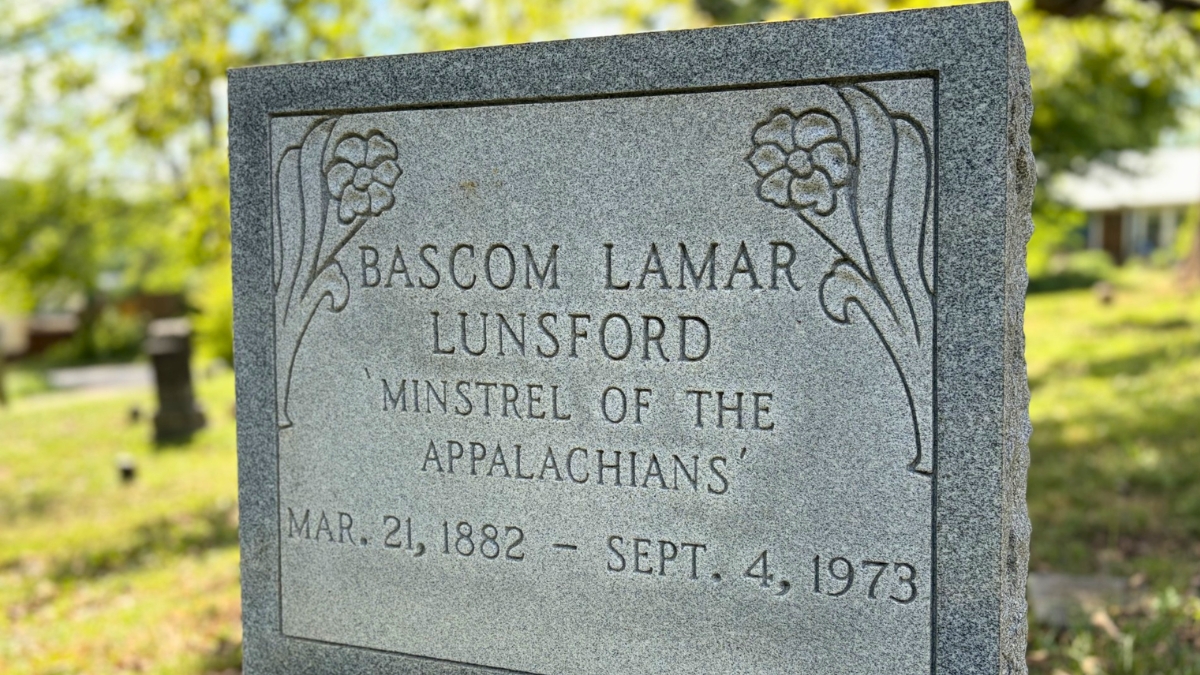
Tombstone Tales: Bascom Lamar Lunsford’s remarkable life

The Asheville lawyer, folklorist and festival organizer spent decades preserving Western North Carolina’s songs, dances and mountain traditions.
-
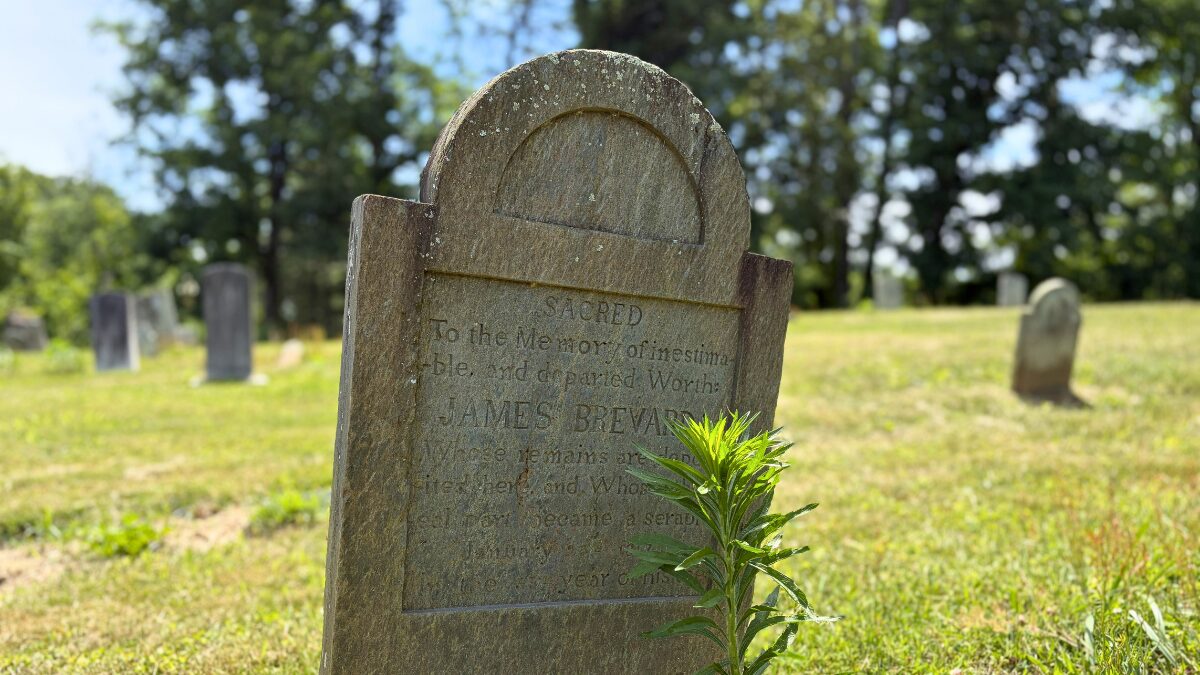
Tombstone Tales: A Fairview grave says James Brevard ‘became a seraph.’ Who was he?
Buried at Cane Creek Cemetery in 1847, the farmer, postmaster and state legislator left a public record that helps explain an extraordinary epitaph.
-
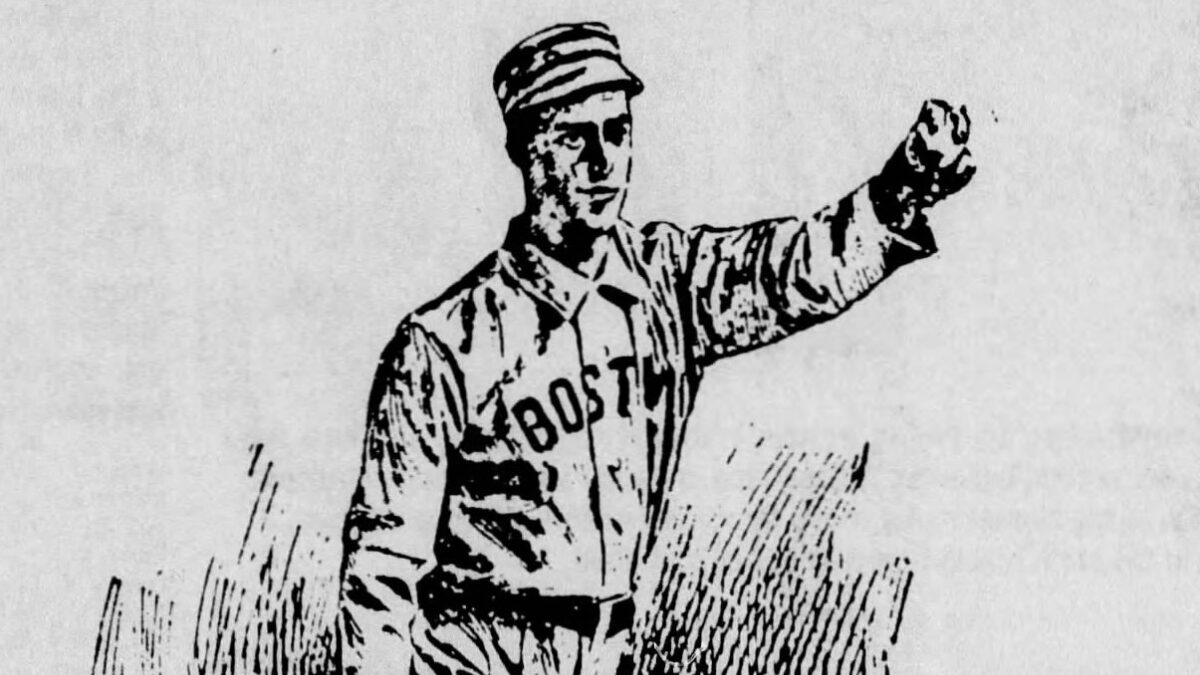
Tombstone Tales: The Reems Creek pitcher who played one game in the Major Leagues
Richard “Rome” Chambers became the first known Western North Carolina native to play Major League Baseball before returning home to Buncombe County, where he died just one day before his 27th birthday.
-
Tombstone Tales: A Revolutionary War veteran’s grave in Mitchell County tells a WNC story for July Fourth
At Kona Baptist Church Cemetery, a memorial to George Silver carries the story of American independence into the Toe River Valley and a family legacy deeply rooted in Western North Carolina.