


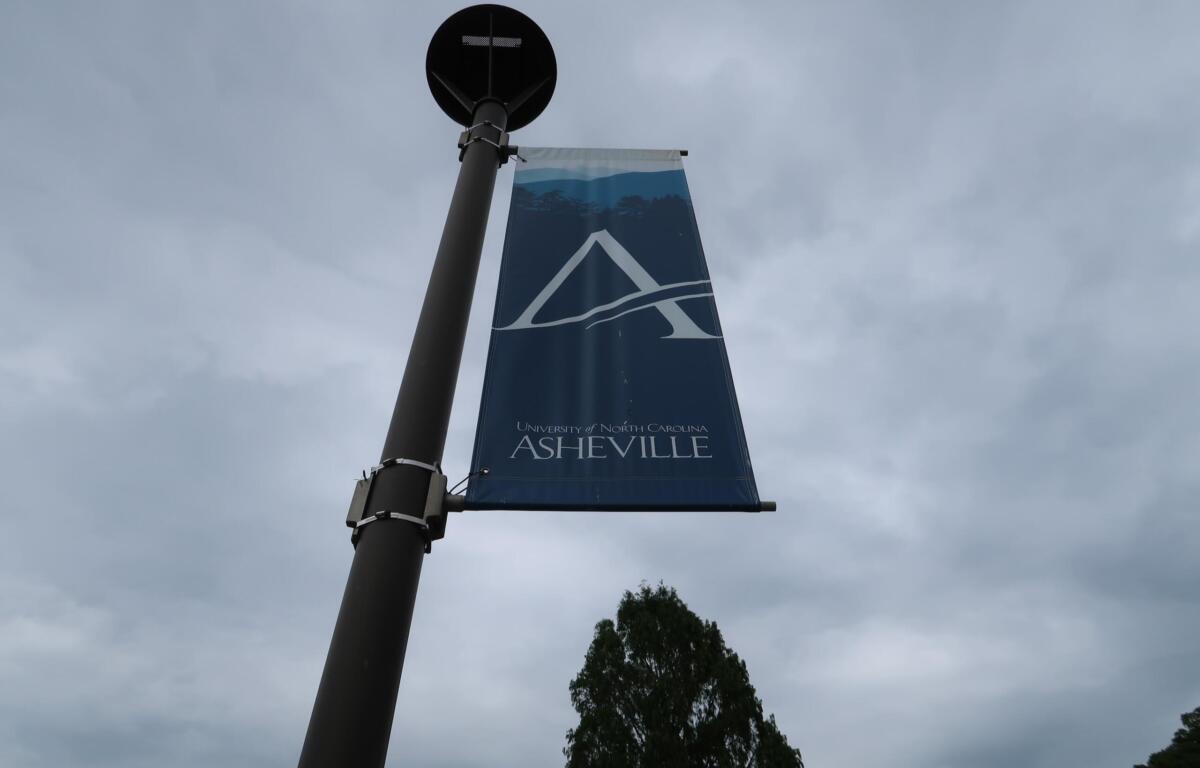

ASHEVILLE, N.C. (828newsNOW) — UNC Asheville is getting recognition in a new report highlighting some of North Carolina’s most prestigious colleges and universities, and much of the attention centers on something students don’t have to wait until graduate school to experience: conducting original research.
The university is among 15 institutions featured in an Oct. 28 report by The Helpful Professor, an educational website that examined colleges based on academic reputation, admissions selectivity and undergraduate research opportunities.
The website describes the list as an editorial assessment rather than a ranking issued by a college accreditation organization.
UNCA officials say the recognition reflects something the university has emphasized for more than three decades.
“We’re incredibly proud to be recognized for the quality of the undergraduate experience we offer,” UNCA Chancellor Kimberly van Noort said in a statement to 828newsNOW.
“For thirty years, undergraduate research and creative activity have been at the heart of our identity as a public liberal arts and sciences university,” she said. “Our students work side by side with faculty, pursue questions that matter, and produce original scholarship and creative work in every discipline.”
Research isn’t just for graduate students
According to UNCA, 65% of students who graduated during the 2025-26 academic year completed original research or creative projects that were presented, published or supported through university research grants.
Students can present their work at campus research symposia, publish in the university’s undergraduate scholarship journal, Capstone, or receive grants to conduct research with faculty or staff mentors.
Some students do all three, while others go on to publish in professional journals or present their findings at academic conferences.
The university also puts money directly into those opportunities.
UNCA awards more than $70,000 annually in grants to support student research. The money helps cover supplies, travel to research sites, visits to museum collections and stipends for summer projects.
Last year, the university provided another $30,000 to help students present their work at professional conferences.
Students develop their own research proposals, which are evaluated by faculty members from different academic disciplines.
UNCA also holds two undergraduate research symposia each year. Classes are suspended on those days so students and faculty can participate.
About 10% of the student body presents research at each symposium, while at least half attend to learn about their classmates’ work, according to the university.
Research with a local impact
Some of that work extends well beyond campus, including projects connected to Western North Carolina’s recovery from Tropical Storm Helene.
UNCA faculty and students have participated in efforts to restore the French Broad River watershed following the September 2024 storm.
Their work includes stabilizing streambanks, planting river cane, managing invasive species and restoring Eastern hemlocks.
Students have also helped study how changes to the region’s waterways are affecting native eastern hellbenders, large aquatic salamanders found in mountain streams.
Other research has explored ways to combat drug-resistant bacteria, while students in different disciplines have examined economic issues affecting the community.
UNCA also helped establish the National Conference on Undergraduate Research, which brings together students from institutions across the country to share their work.
University officials say the goal is to give students experience developing ideas, securing funding and producing research that matters beyond the classroom.
Van Noort said the recognition reflects the opportunities students have to make discoveries while still earning their degrees.
“Our students aren’t just getting ready for the future,” she said. “They’re already engaged in the discovery, creativity, and critical thinking that will shape who they become.”