


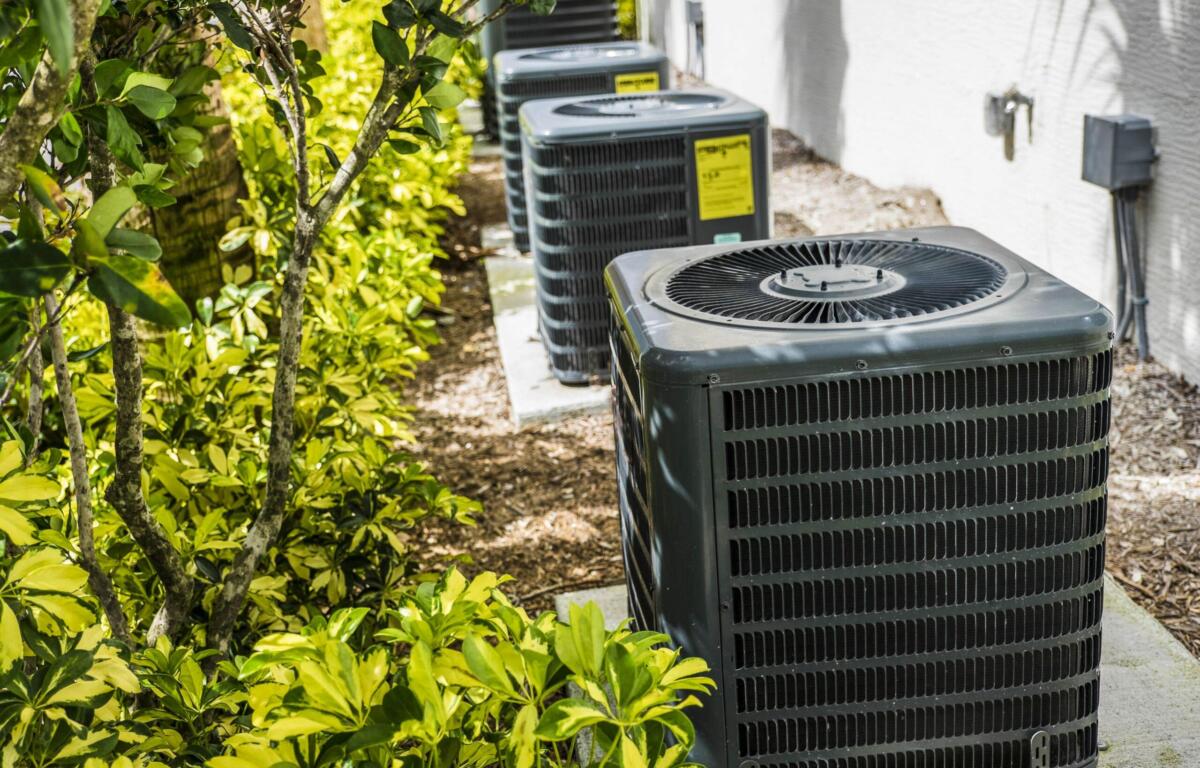

ASHEVILLE, N.C. — As temperatures drop across Western North Carolina, homeowners may notice their heat pumps running longer than usual. While extended heating cycles can be normal in cold weather, they can also raise questions about whether a system is working properly.
Heat pumps operate differently from traditional furnaces, and their performance changes as outdoor temperatures fall.
At MB HAYNES, we help homeowners in Asheville and Western North Carolina understand how their heating systems work and recognize when professional attention is needed.
Why does a heat pump run longer in cold weather?
Unlike a furnace, which generates heat, a heat pump transfers heat from one location to another.
In heating mode, the system extracts heat from outdoor air and moves it indoors. Even when temperatures fall below freezing, outdoor air contains heat that a heat pump can use.
As outdoor temperatures drop, a heat pump may need to run longer to maintain the thermostat setting. Some systems are designed to operate for extended periods at lower speeds rather than repeatedly turning on and off.
Longer heating cycles are not necessarily a sign of trouble. What matters is whether the system maintains the desired indoor temperature.
Can heat pumps work below freezing?
A common misconception is that heat pumps stop heating when outdoor temperatures reach 32 degrees.
Many heat pumps continue operating below freezing, although their heating capacity and efficiency vary by model and outdoor conditions. Cold-climate heat pumps are designed to provide heating at lower temperatures.
Some homes also have supplemental heating systems that operate when additional heat is needed.
Heating needs vary across Western North Carolina, where elevation, home insulation and equipment type can influence how a system performs during colder weather.
What is the difference between auxiliary heat and emergency heat?
Homeowners with heat pumps may notice an auxiliary heat indicator or an emergency heat setting on their thermostats.
Although both involve supplemental heating, they serve different purposes.
Auxiliary heat typically operates automatically when the heat pump needs additional heating capacity. Depending on the system, it may also operate during defrost cycles.
Emergency heat is a manually selected setting intended for situations when the heat pump cannot operate properly. On many systems, it bypasses the outdoor heat pump and relies on backup heating equipment.
When electric resistance heating provides the backup, operating in emergency heat mode can significantly increase electricity use.
Homeowners should not assume emergency heat is necessary simply because outdoor temperatures are below freezing. Thermostat settings and backup heating operation depend on the equipment installed.
Why does a heat pump enter defrost mode?
Frost can develop on a heat pump’s outdoor coil during cold, damp weather.
To remove the buildup, many systems periodically enter a defrost cycle. The equipment temporarily changes its operation to warm the outdoor coil and melt accumulated frost.
During this process, homeowners may notice steam rising from the outdoor unit, changes in equipment sounds or a brief interruption in normal heating.
These conditions can be part of normal operation.
However, persistent heavy ice buildup, repeated difficulty completing defrost cycles or inadequate indoor heating may indicate a problem that requires service.
When should homeowners call for heat pump service?
Extended heating cycles alone do not necessarily indicate a malfunction. However, changes in heating performance may warrant professional evaluation.
A heat pump may need attention if it runs continuously without maintaining the thermostat setting, produces unusually cool air for extended periods, makes unfamiliar mechanical noises or develops persistent ice buildup.
A sudden, unexplained increase in electricity use, particularly when accompanied by reduced heating performance, may also indicate a problem.
These symptoms can have several causes, including issues with airflow, system controls, refrigerant or other components. A qualified HVAC technician can evaluate the equipment and determine whether repairs are needed.
Understanding heat pump performance
Heat pumps can provide heating in a range of winter conditions, but their operation may differ from what homeowners expect.
At MB HAYNES, we provide residential heat pump maintenance, repair and installation services throughout Asheville and Western North Carolina.
Learn more about our residential heating and cooling services.