
Editor’s Note: Western North Carolina is rich with untold stories—many resting quietly in local cemeteries. In this Tombstone Tales series, we explore the lives of people from our region’s past whose legacies, whether widely known or nearly forgotten, helped shape the place we call home.
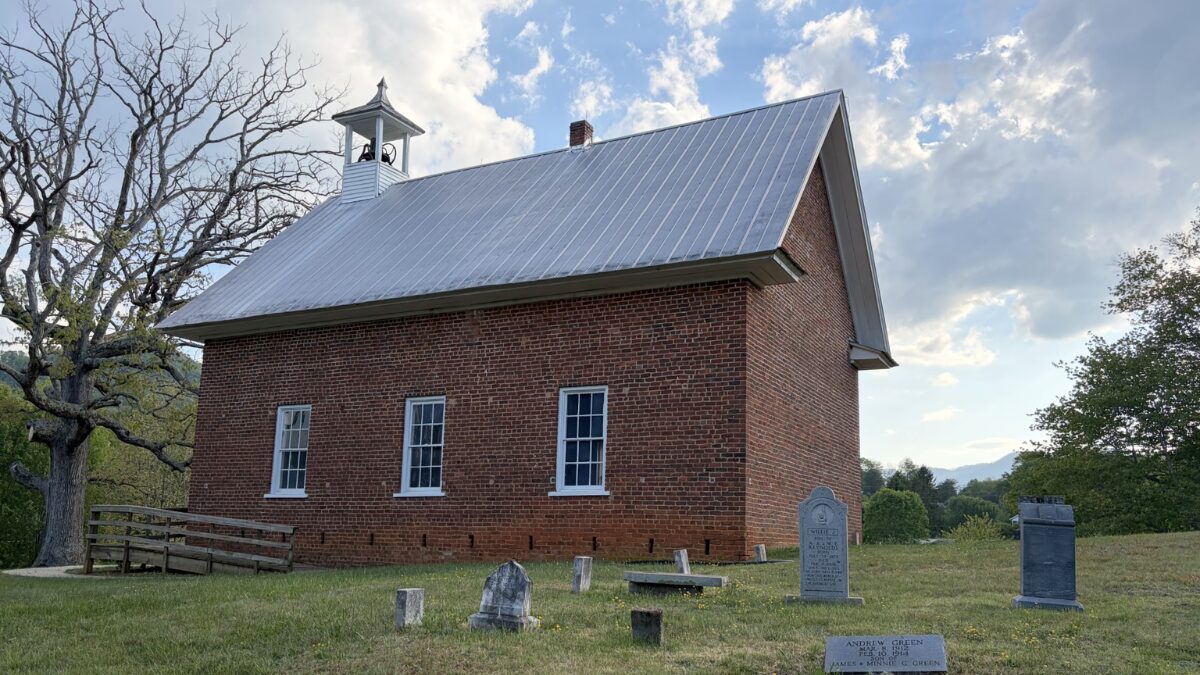
LEICESTER, N.C. (828newsNOW) — Along Leicester Highway, a short gravel drive leads to Brick Church, a brick sanctuary surrounded by one of Buncombe County’s oldest cemeteries.
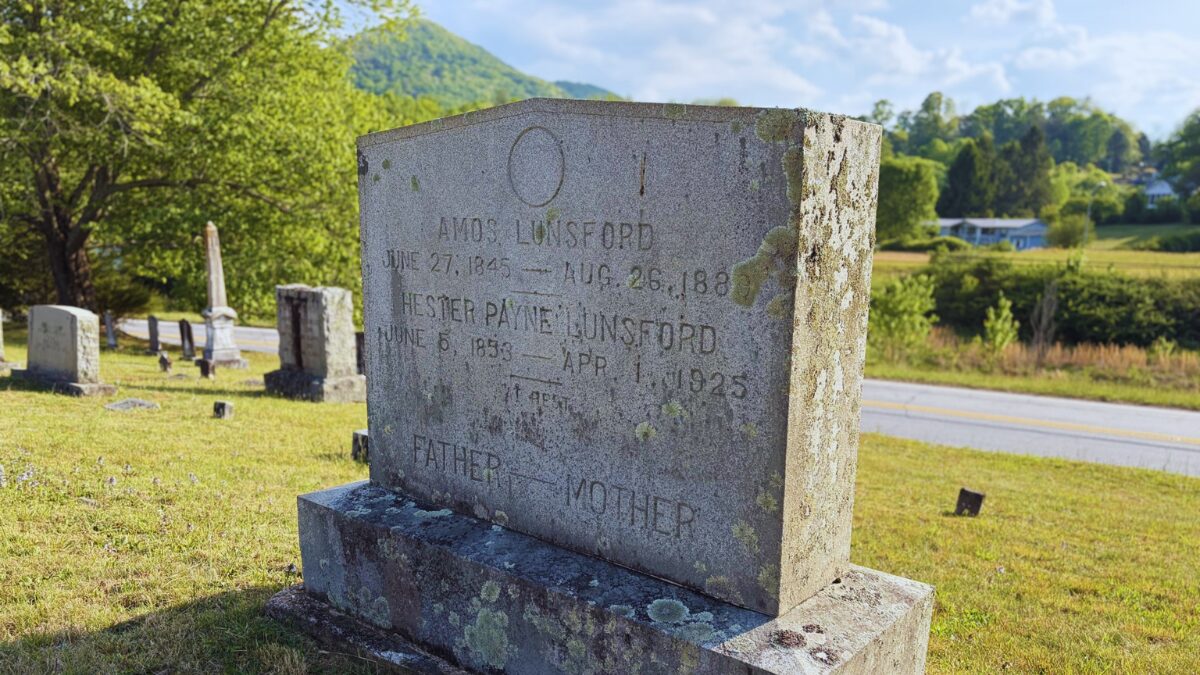
Built in 1876 by local builder Thomas Redmon James, the church is situated beside a burial ground that holds early settlers, veterans and farming families. The grave of Amos Lunsford marks a story of sudden violence tied to a popular community gathering.
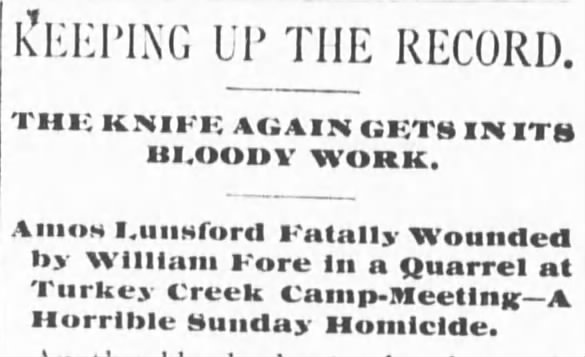
In 1889, a confrontation at the Turkey Creek camp meeting in Buncombe County turned deadly, setting off a criminal case that drew widespread attention.
Newspaper accounts from the time show Lunsford died after a dispute at the gathering, which had been held for decades. In the 19th century, camp meetings were central to rural life, blending worship and preaching with a large social event. Attendees often stayed for days, camping, visiting and worshipping together.
But in late August 1889, that tradition was disrupted by a confrontation that sparked an exchange of words between Lunsford and William Fore. An old grievance has been cited along with an alleged insult involving a child. Witnesses agreed that the argument escalated quickly into a physical fight.
Lunsford struck Fore in the face. Fore then drew a knife and stabbed Lunsford, who survived the initial attack but died days later. Newspapers described Lunsford as a “peaceable citizen” who left behind a wife and eight children.
Fore was arrested and jailed in Asheville, and the killing drew widespread attention because it had occurred at a respected religious gathering.
By November 1889, Fore stood trial for murder in Buncombe County Criminal Court. Testimony reflected the confusion and chaos of the incident. Witnesses disagreed on who escalated the confrontation and Fore’s attorney argued he acted in self-defense.
A jury convicted Fore of murder, but the case did not end there. Following an appeal, Fore’s conviction was set aside in December and a new trial granted. The appeal was based on concerns that some jurors may have formed opinions about Fore’s guilt before hearing the case.
Fore later agreed to submit to a verdict of manslaughter rather than face a second murder trial. In February 1890 he was sentenced to 15 years in the state penitentiary.
More than 135 years later, Amos Logan Lunsford’s headstone marks the final resting place of a 44-year-old husband and father whose life ended suddenly during the summer of 1889.
-
Haunted Asheville and WNC: Ghost stories, eerie legends and mysterious places

From Asheville’s historic landmarks to mountain trails, old cemeteries and Appalachian folklore, explore the ghost stories and mysterious places that have become part of Western North Carolina’s history.
-
Tombstone Tales: Bascom Lamar Lunsford’s remarkable life

The Asheville lawyer, folklorist and festival organizer spent decades preserving Western North Carolina’s songs, dances and mountain traditions.
-
Tombstone Tales: A Fairview grave says James Brevard ‘became a seraph.’ Who was he?
Buried at Cane Creek Cemetery in 1847, the farmer, postmaster and state legislator left a public record that helps explain an extraordinary epitaph.
-
Tombstone Tales: The Reems Creek pitcher who played one game in the Major Leagues
Richard “Rome” Chambers became the first known Western North Carolina native to play Major League Baseball before returning home to Buncombe County, where he died just one day before his 27th birthday.
-
Tombstone Tales: A Revolutionary War veteran’s grave in Mitchell County tells a WNC story for July Fourth
At Kona Baptist Church Cemetery, a memorial to George Silver carries the story of American independence into the Toe River Valley and a family legacy deeply rooted in Western North Carolina.