


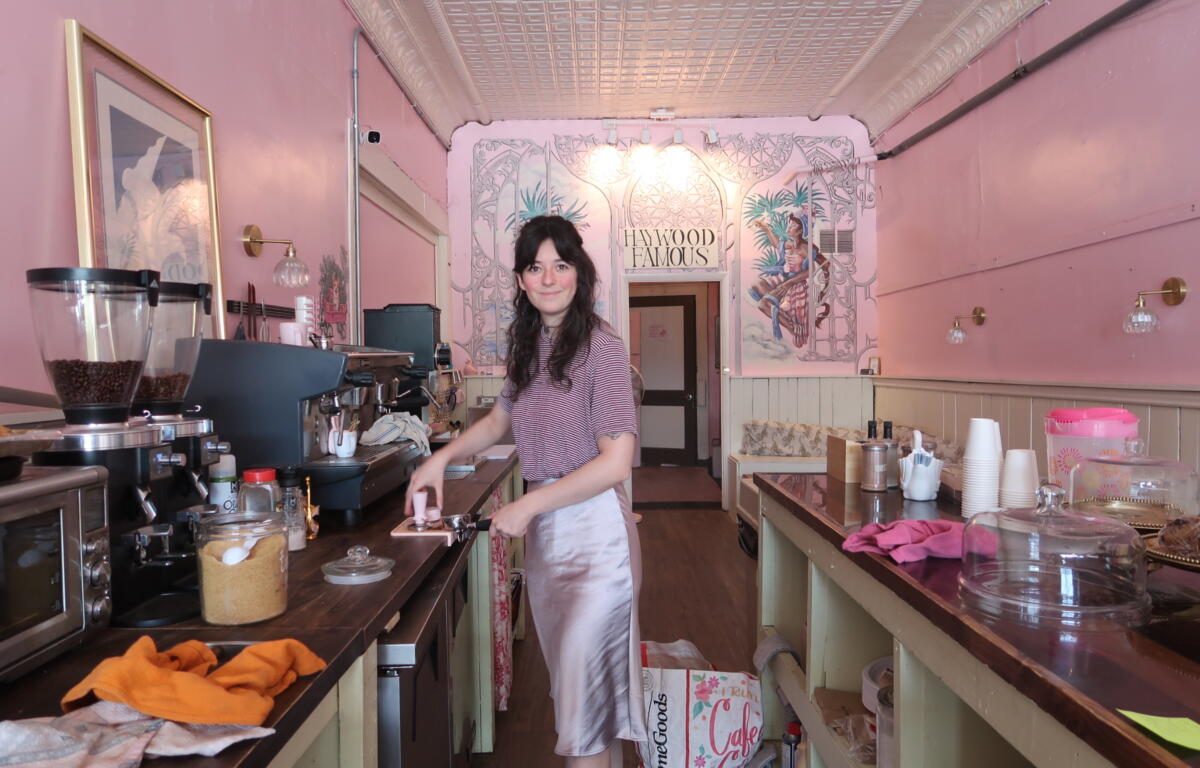

ASHEVILLE, N.C. (828newsNOW) — Though the I-26 Connector project is intended to make travel easier for all of Asheville, the massive interstate initiative will require some difficult changes for several local businesses, especially along Haywood Road.
What is the I-26 Connector project?
The I-26 Connector project is a long-gestating plan to link Interstate 26 south of Asheville with U.S. 19/23/70 in the north, forming one continuous route. The $1.8-2 billion project has been in the works since the late 1980s, slowly developing until ground was officially broken on Thursday, April 23, 2026.
Read our story about the ground-breaking ceremony and project plans here.
What parts of Haywood Road will the I-26 Connector impact?
The scale of the I-26 Connector project means that the state has been tasked with acquiring additional land to build upon. However, not all of that land is unoccupied.
“All property owners have been contacted, and that process will continue throughout the year,” said Division 13 Construction Engineer Nathan Moneyham at the ground-breaking ceremony. “We prioritize relocations based on where construction is happening first.”
Some of that construction will take place along Haywood Road, the primary thoroughfare of West Asheville. Haywood Road is just off of I-26 Exit 2, and the businesses around the exit will be most impacted.
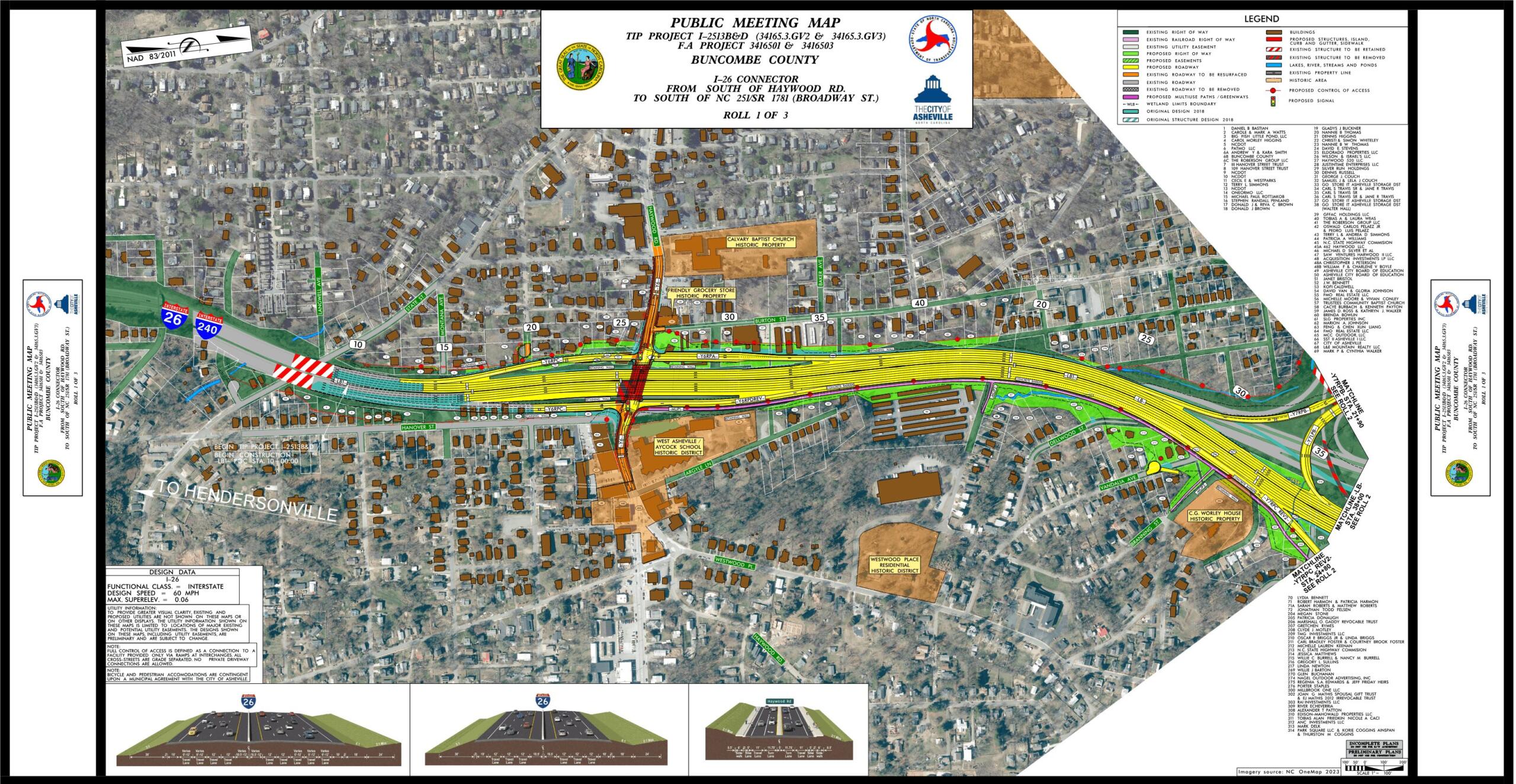
According to one meeting map, work would extend down Haywood Road to its intersection with Allen Street to the west and Argyle Lane to the east.
On that map, several buildings would be demolished or reduced to make way for new interstate, including those housing Independent gas station, Asheville Kava x Coffee, 474 Gallery Studio, neighborhood bar Desoto Lounge and Haywood Famous coffee shop.
How do West Asheville business leaders feel about the I-26 Connector project?
Due to the long period of time between the conception of the I-26 Connector and the beginning of its construction, some Haywood Road business owners were skeptical of it ever coming to fruition.
“Of course, my landlords were legally obligated to tell me that this building could have been in consideration for early acquisitions for eminent domain,” said Eva Rodriguez-Cué, owner and operator of Haywood Famous, a Cuban-style coffee shop on Haywood Road. “However, they said, ‘It’s been like 20 or 30 years. Our daughter was in a stroller when they told us that this was a possibility, and, you know, it’s probably not gonna happen, but we just have to tell you in case.'”
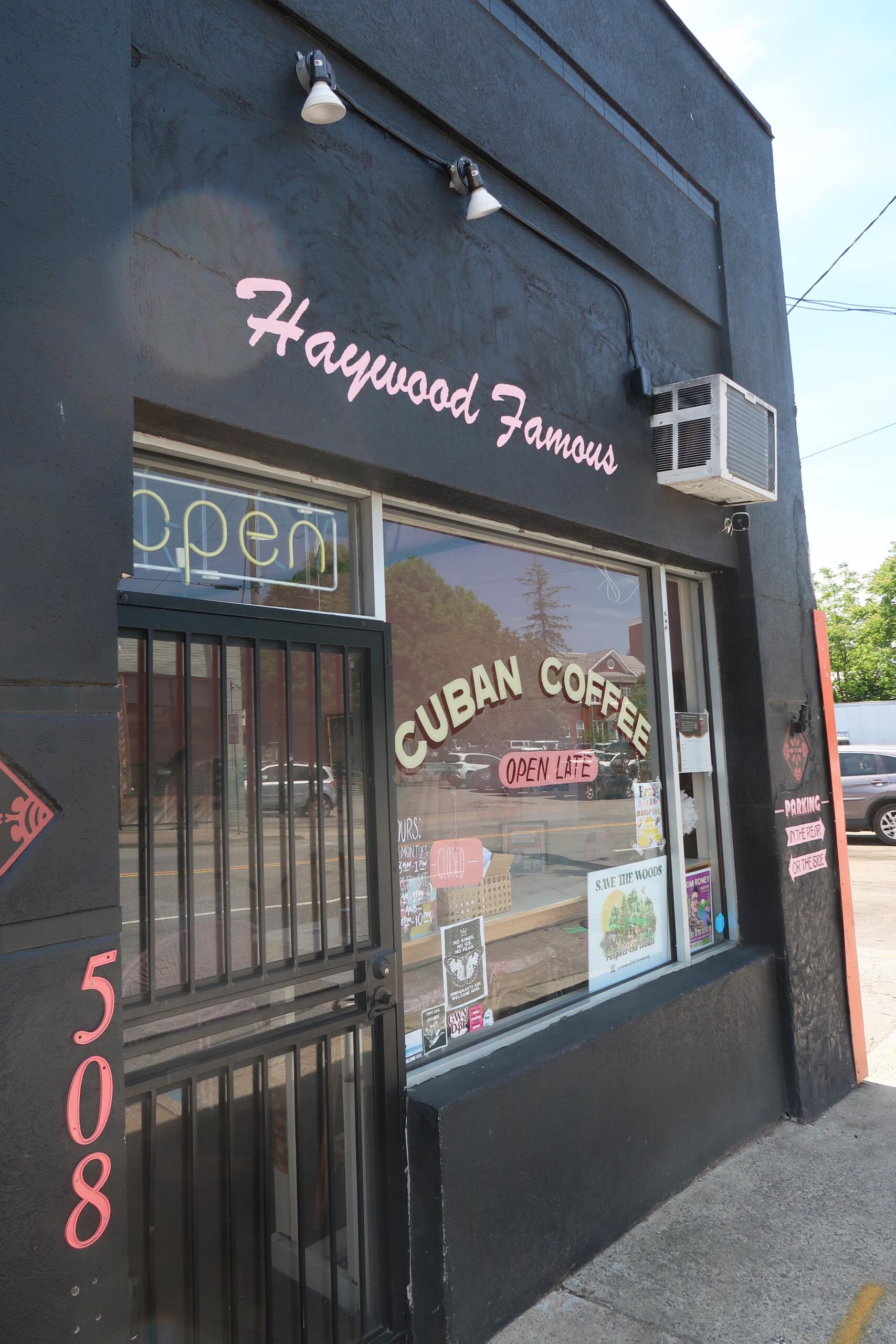
For Rodriguez-Cué, 25, and a 23-year-old entrepreneur at the time Haywood Famous opened, the risk was worth the reward. On one hand, the future was uncertain, but on the other, there was no time like the present.
“I just thought this business needs to happen here, on Haywood. These landlords are willing to give me a shot,” Rodriguez-Cué reflected. “And, when the [North Carolina Department of Transportation] comes through and offers me that package, it’ll be equally heartbreaking and will spring me into another location, which could be good or bad for my business.”
Rodriguez-Cué was among the Haywood Road business owners who received a pamphlet from the NCDOT called the “Non-Residential Relocation Brochure.” The 14-page document outlines the procedures and options for businesses on land claimed by eminent domain in North Carolina.
For some proprietors, the brochure was less than comforting in the face of losing their established business.
“As a renter and not the owner of the building, we don’t get compensated for anything else other than them moving the business. So, no loss of sales, no, you know, anything,” said Lisa Wagner, co-owner of Desoto Lounge, a neighborhood bar on Haywood Road.
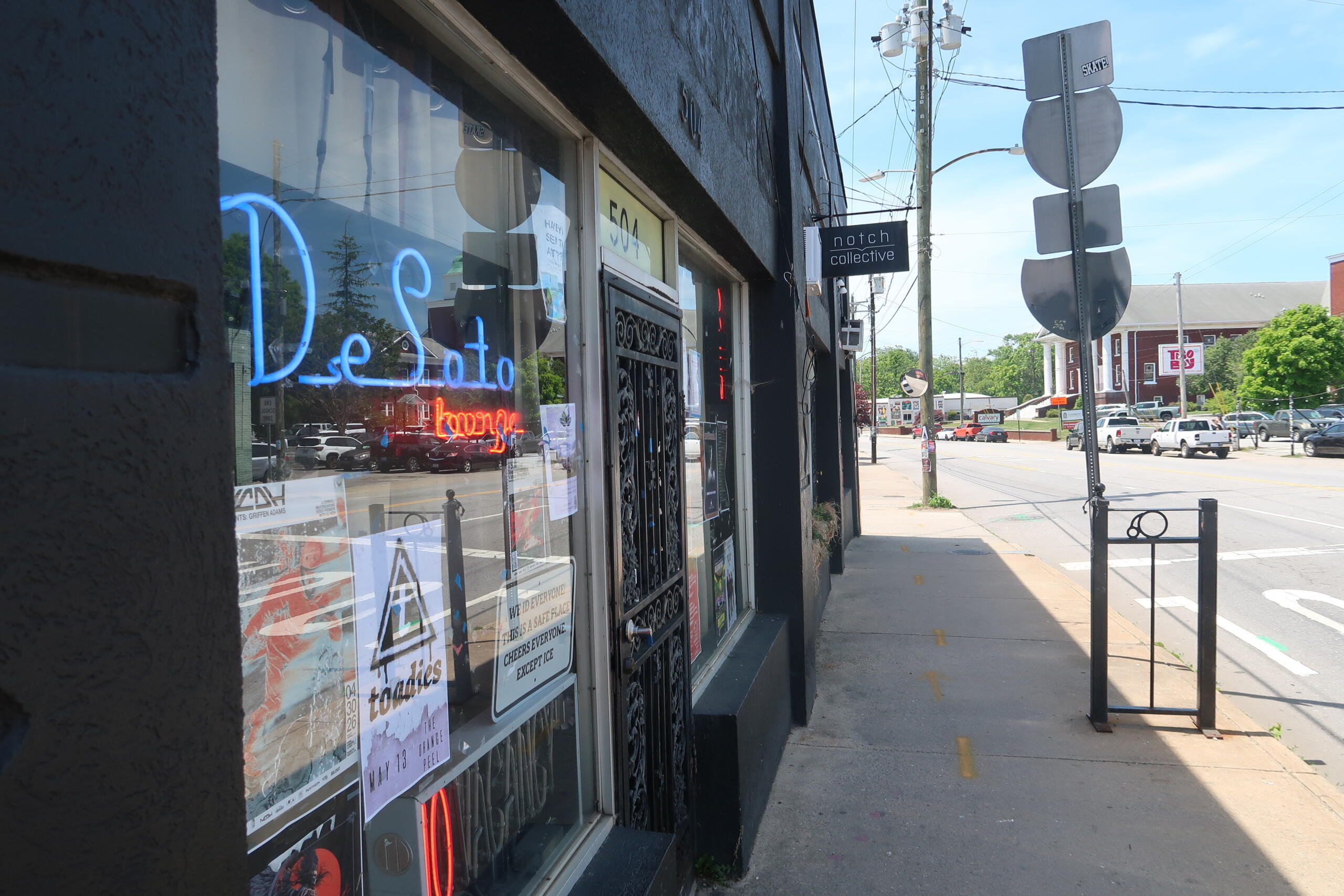
For Wagner, the prospect of moving Desoto Lounge feels not only like a personal loss, but one for her community, too.
“I don’t love it. Desoto has been my main source of income since we opened it. It’s a lovely little neighborhood bar that people use for their third place and it’s gonna be tough to replicate that somewhere else,” Wagner said.
“It’s not like any place will do. The reason that we picked it in the first place is it has a specific walkable location within a neighborhood, and has a little bit of parking and has a patio out back. Just ticks all of the boxes for some place to provide the neighborhood with a gathering space. It’s not exactly easy to replicate that.”
For the time being, the business owners want to remind their customers that they will be here until the day they are not.
“Right now, I’m just telling my customers, when you walk up to the business and all the furniture is gone and there’s a sign on the door, that’s when you need to stop coming,” said Rodriguez-Cué, who knows many Haywood Famous customers by their first names.
“These businesses here need your support. So don’t for a second think, oh, that building’s probably getting torn down, I’m gonna stop coming. Just keep supporting us.”