
Editor’s Note: Western North Carolina is rich with untold stories—many resting quietly in local cemeteries. In this Tombstone Tales series, we explore the lives of people from our region’s past whose legacies, whether widely known or nearly forgotten, helped shape the place we call home.
LEICESTER, N.C. (828newsNOW) — Memorial Day began as Decoration Day, a tradition that emerged after the Civil War as communities gathered in cemeteries to place flowers on the graves of soldiers who died in service.
Long before it marked the unofficial start of summer, the holiday carried a deeper meaning: remembering those who never returned home.
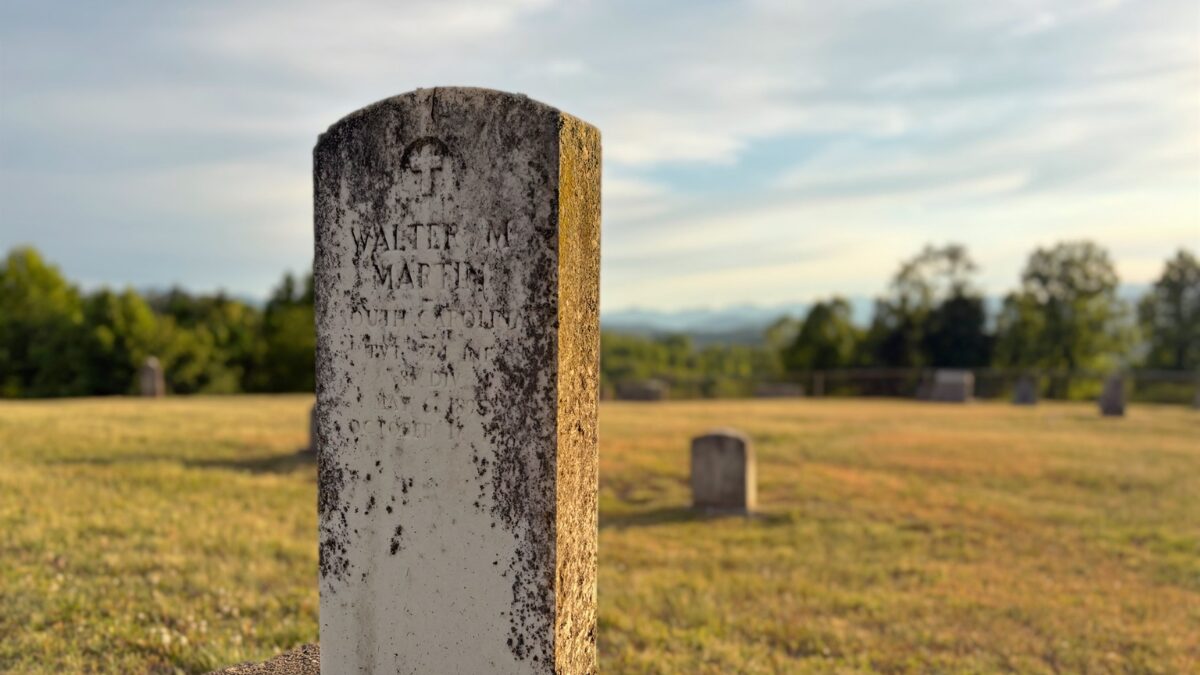
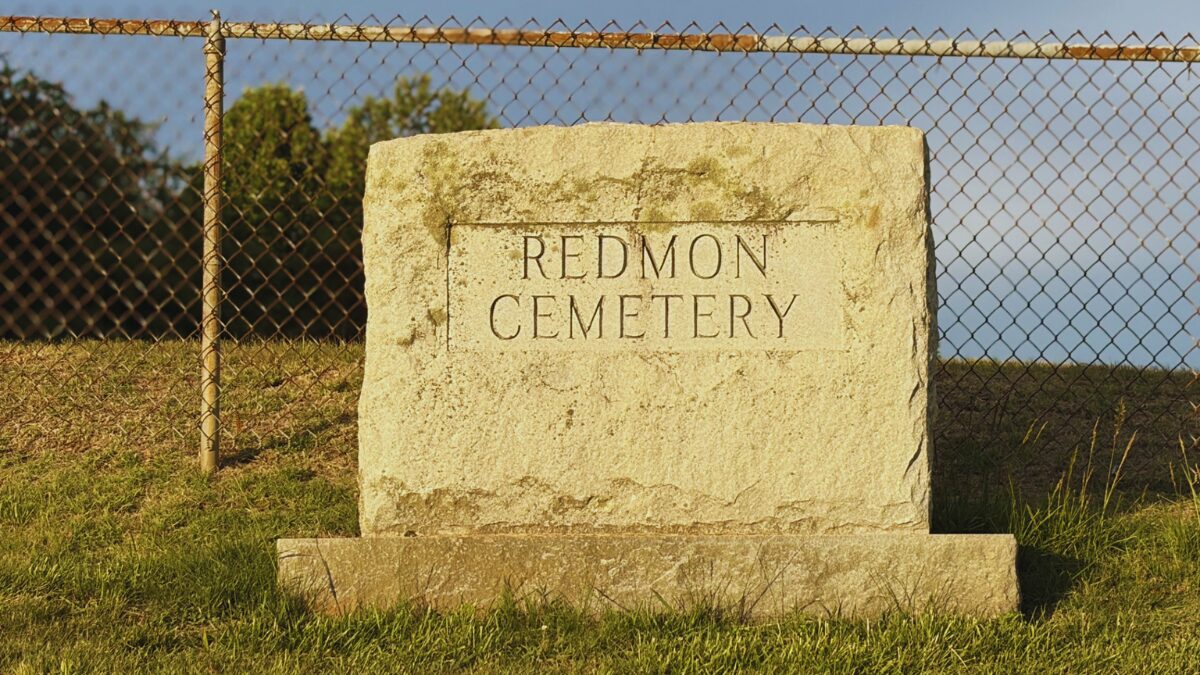
At Redmon Cemetery in Buncombe County, a weathered government-issued headstone honors Private Walter Maloy Martin.
World War I erupted in Europe in 1914, though the United States did not formally enter the conflict until April 1917. By the war’s end, more than 4 million Americans had served and thousands came from North Carolina.
Like countless others from Western North Carolina, Walter Martin left behind ordinary life for military service overseas.
Born May 6, 1895, in Asheville, Martin later moved to Union, South Carolina, where he worked in the textile industry at Monarch Cotton Mill.
On June 28, 1918, Martin was among a group of 88 men inducted into military service through Union County. Martin entered training at Camp Jackson in Columbia, South Carolina and served as a private in Company F of the 324th Infantry, part of the Army’s 81st Division.
Known as the “Wildcat Division”, the 81st arrived in France during the final months of World War I. This was a period marked by intense fighting and the devastating influenza pandemic of 1918.
The 81st Division became connected to the larger Meuse-Argonne Offensive, the final major Allied push of the war, which lasted from September through early November of 1918. The campaign became the deadliest in American military history up to that point, contributed to the collapse of German defenses and the Armistice that ended the war on November 11, 1918.
Martin did not live to see the day the war ended. He died in France on Oct. 17, 1918. He was 23 years old.
Military records later listed his cause of death simply as disease. The records do not identify the illness, but the timing placed his death during the deadly influenza pandemic, which swept through military camps and battlefields during the final months of World War I. Influenza and pneumonia claimed more American military lives during the war than combat itself.
Like thousands of Americans who died overseas during the war, Martin was initially buried in France.
Many American soldiers who died in that region remain in France today at Meuse-Argonne American Cemetery, the largest American military cemetery in Europe. The cemetery holds the remains of more than 14,200 American service members.
After the war, the U.S. government offered families a choice: leave loved ones buried overseas or have their remains returned home.
The Martin family chose to bring Walter back to the land of his birth. His remains were returned to Buncombe County where he was laid to rest at Redmon Cemetery in June 1921.
This Memorial Day weekend, Martin’s grave stands as part of a larger story. The meaning of the holiday lives in all the places where America’s fallen are remembered: in overseas cemeteries, national cemeteries, and small churchyards in the mountains of Western North Carolina.
-
Haunted Asheville and WNC: Ghost stories, eerie legends and mysterious places

From Asheville’s historic landmarks to mountain trails, old cemeteries and Appalachian folklore, explore the ghost stories and mysterious places that have become part of Western North Carolina’s history.
-
Tombstone Tales: Bascom Lamar Lunsford’s remarkable life

The Asheville lawyer, folklorist and festival organizer spent decades preserving Western North Carolina’s songs, dances and mountain traditions.
-
Tombstone Tales: A Fairview grave says James Brevard ‘became a seraph.’ Who was he?
Buried at Cane Creek Cemetery in 1847, the farmer, postmaster and state legislator left a public record that helps explain an extraordinary epitaph.
-
Tombstone Tales: The Reems Creek pitcher who played one game in the Major Leagues
Richard “Rome” Chambers became the first known Western North Carolina native to play Major League Baseball before returning home to Buncombe County, where he died just one day before his 27th birthday.
-
Tombstone Tales: A Revolutionary War veteran’s grave in Mitchell County tells a WNC story for July Fourth
At Kona Baptist Church Cemetery, a memorial to George Silver carries the story of American independence into the Toe River Valley and a family legacy deeply rooted in Western North Carolina.