
Editor’s Note: Western North Carolina is rich with untold stories—many resting quietly in local cemeteries. In this Tombstone Tales series, we explore the lives of people from our region’s past whose legacies, whether widely known or nearly forgotten, helped shape the place we call home.
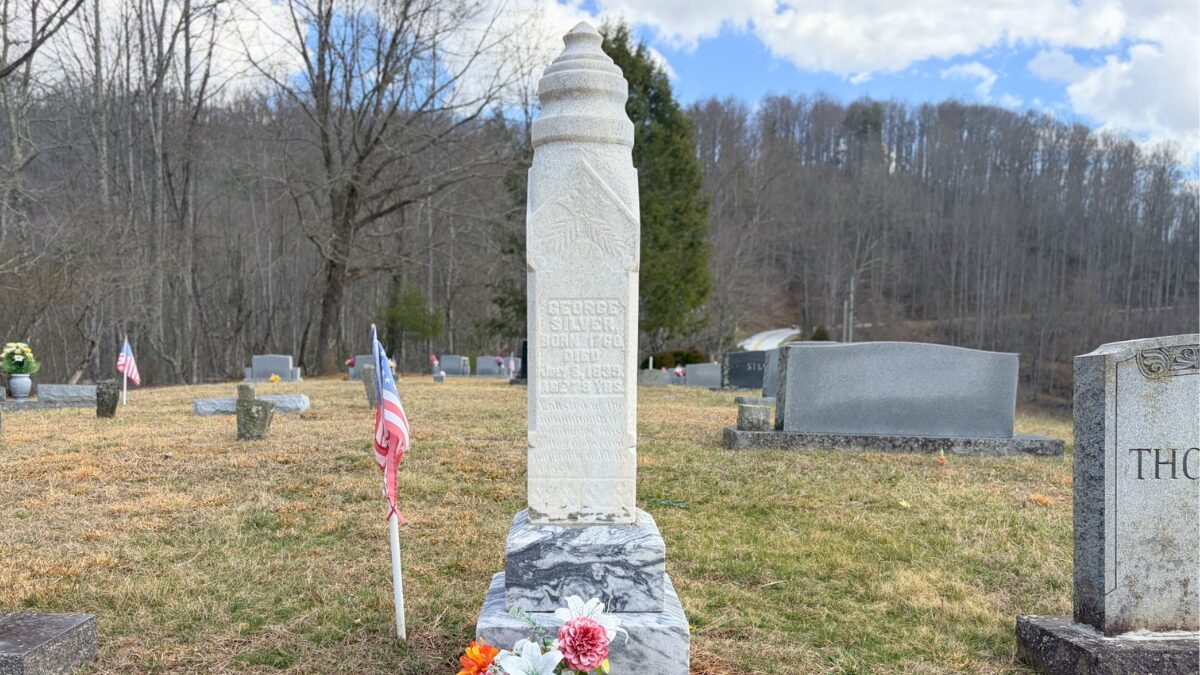
KONA, N.C. (828newsNOW) — Beside a small American flag in Kona Baptist Church Cemetery, a white marker remembers a man born before the United States existed.
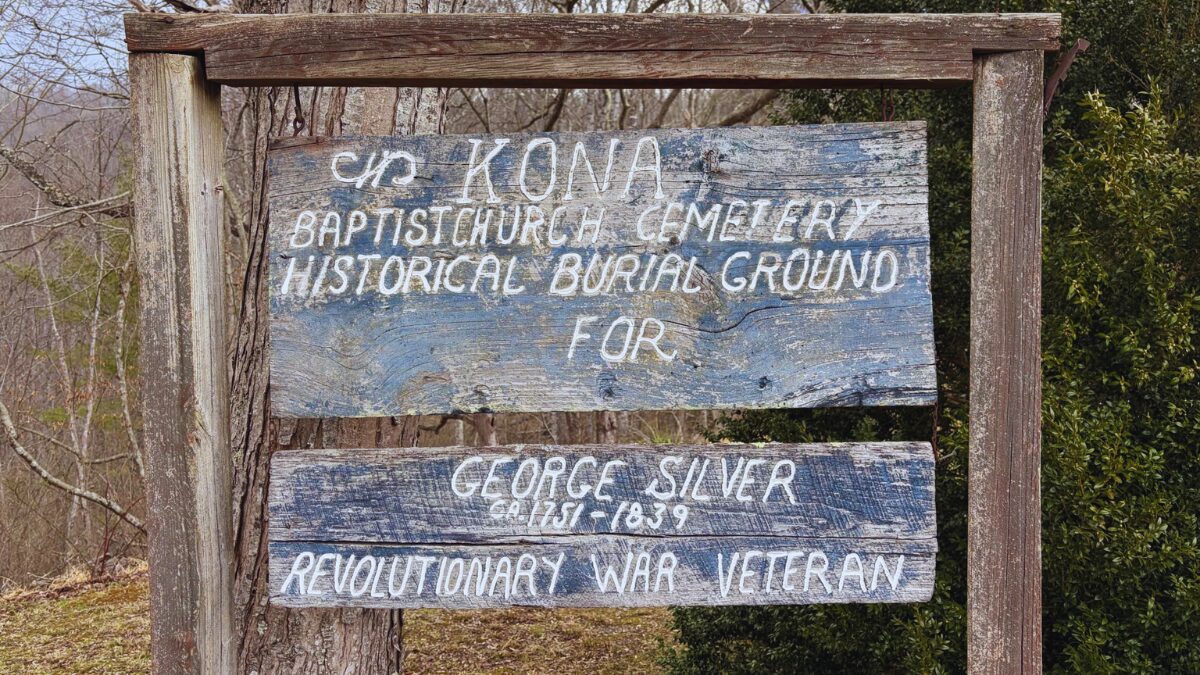
It names Silver, who was born about 1751, died in 1839 and served in The Revolutionary War.
As the country marks the 250th anniversary of the Declaration of Independence, Silver’s marker offers a direct link between the Revolutionary War and Western North Carolina. His life stretched from colonial Maryland to the mountain settlements of the Toe River Valley, where the Silver name became deeply rooted in local history.
Silver was born before there was a United States. In sworn testimony for his Revolutionary War pension application, filed in Burke County in 1833, he said he entered military service in Maryland and later served in the Continental Army.
His testimony recalled service at the Battle of Germantown, a major 1777 battle near Philadelphia, where he said he was wounded in the neck. He also remembered the Yorktown campaign and later service connected to the Southern Campaign under Gen. Nathanael Greene.
By the time Silver told his story to the court, more than 50 years had passed since the war. He was an old man then, trying to preserve the record of what he had done as a young soldier.
Like many veterans and their families after the Revolution, Silver eventually moved west, joining the stream of settlers who crossed into Appalachian valleys that were still being shaped into towns, churches and counties.
The place where Silver settled was part of old Burke County. Yancey County was created in 1833, the same year he applied for his pension. Mitchell County would not exist until 1861, more than two decades after his death.
In that sense, George Silver never lived in Mitchell County.
Yet the marker that bears his name stands there today.
The Silver family remained in the Toe River Valley for generations, and the name became one of the most recognizable in the region. It is tied to farms, churches, and cemeteries. It is also tied to one of Western North Carolina’s most infamous stories: the 1831 killing of Charlie Silver and the later hanging of his wife, Frankie Silver, a case previously featured in 828newsNOW’s Tombstone Tales.
That legend became part of Appalachian folklore. But before the Silver name entered that darker chapter, it belonged to a Revolutionary War veteran who carried the memory of the nation’s founding into the mountains.
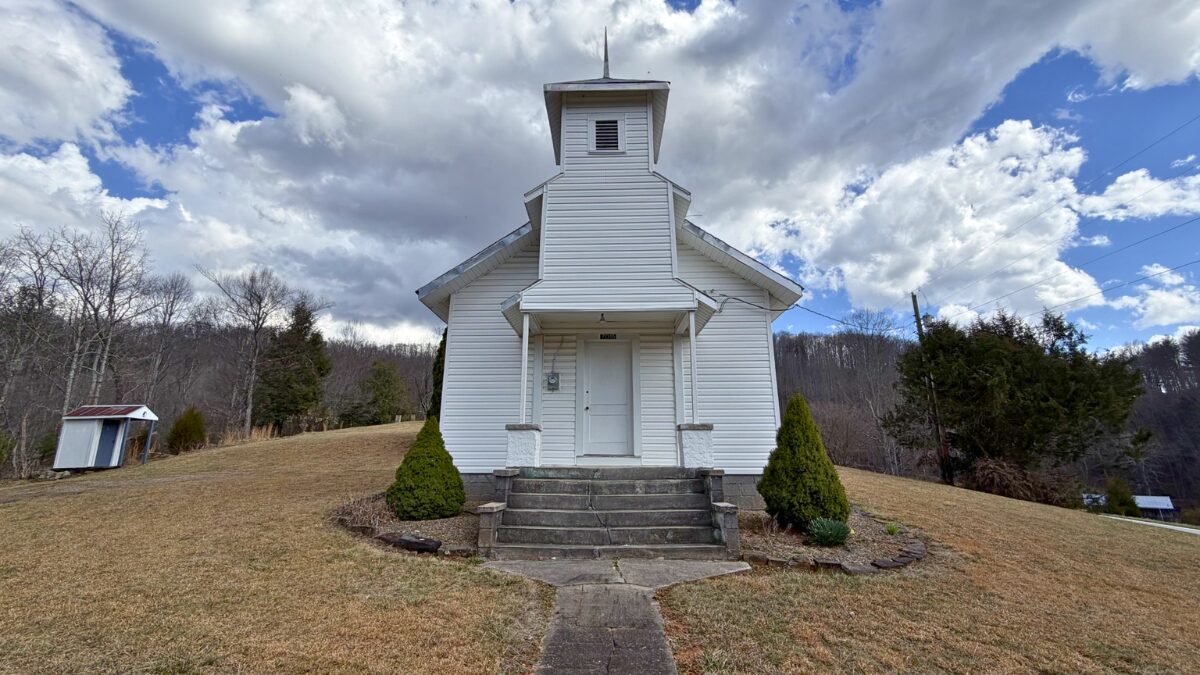
For America’s 250th anniversary, places like Kona Baptist Church Cemetery show how the nation’s founding reached far beyond the places where the war was fought. In Western North Carolina, that history survives in family cemeteries, old stones and names still familiar across the mountains.
At Kona Baptist Church Cemetery, long tied to the Silver family’s local history, the memorial preserves George Silver’s name in the valley where his family’s story continued.
On July Fourth, his story is a reminder that the American Revolution did not end only on battlefields or in history books. Its legacy traveled with the people who survived it.
Some of them came to Western North Carolina.
They built homes, raised families, cleared land, joined churches and became part of the mountain communities that still remember their names.
George Silver is remembered on a hillside in the Toe River Valley, far from Germantown and Yorktown. But the marker that bears his name keeps those places close.
-
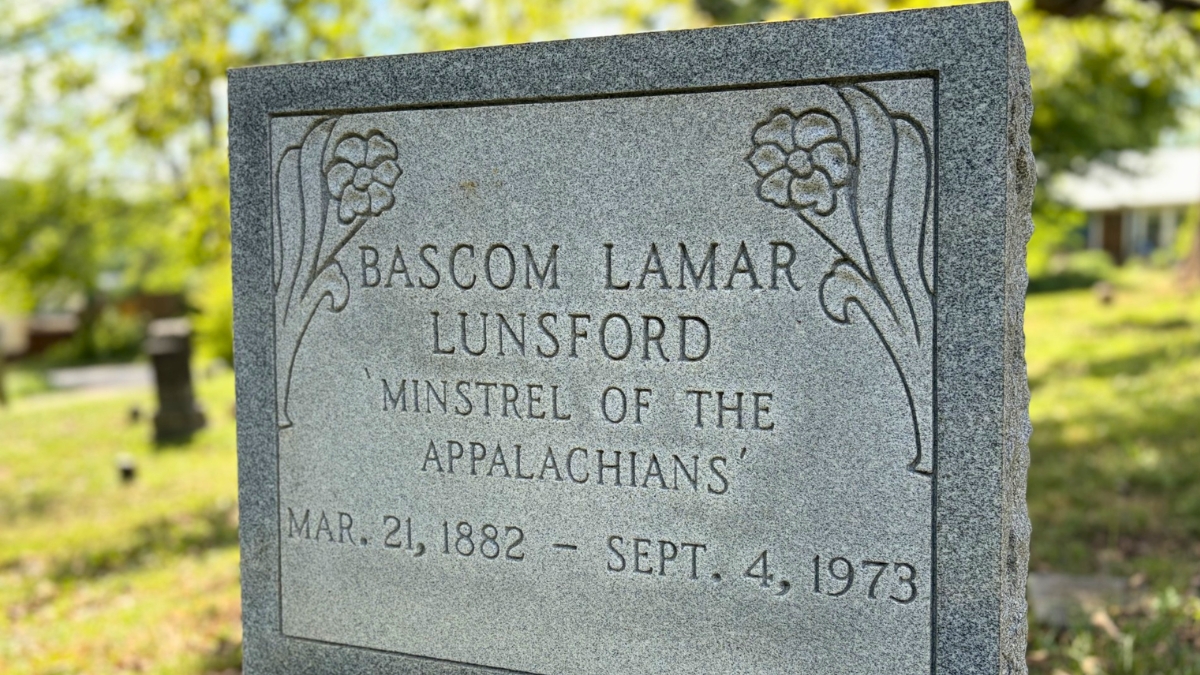
Tombstone Tales: Bascom Lamar Lunsford’s remarkable life

The Asheville lawyer, folklorist and festival organizer spent decades preserving Western North Carolina’s songs, dances and mountain traditions.
-
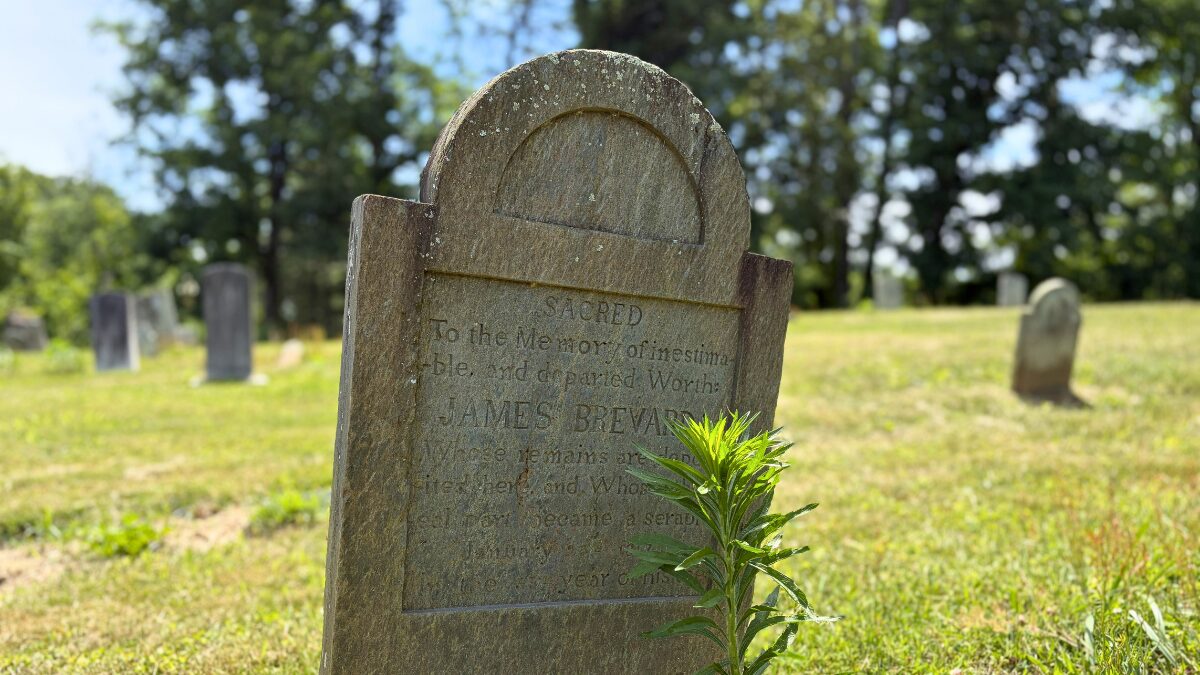
Tombstone Tales: A Fairview grave says James Brevard ‘became a seraph.’ Who was he?
Buried at Cane Creek Cemetery in 1847, the farmer, postmaster and state legislator left a public record that helps explain an extraordinary epitaph.
-
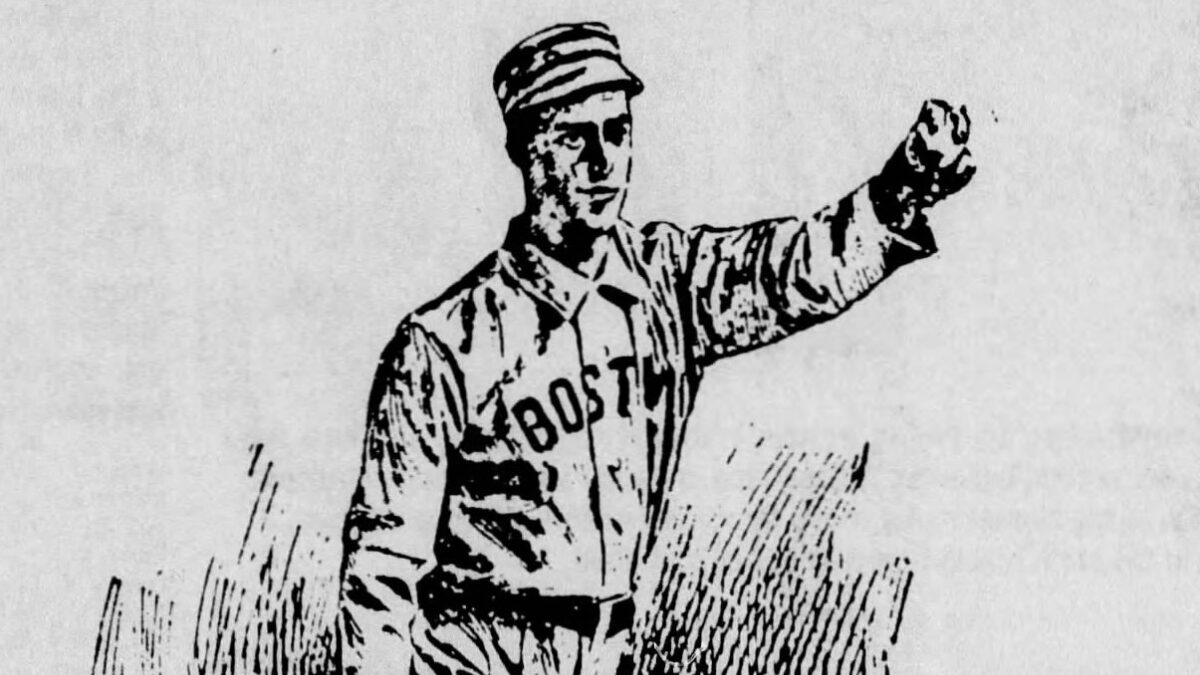
Tombstone Tales: The Reems Creek pitcher who played one game in the Major Leagues
Richard “Rome” Chambers became the first known Western North Carolina native to play Major League Baseball before returning home to Buncombe County, where he died just one day before his 27th birthday.
-
Tombstone Tales: A Revolutionary War veteran’s grave in Mitchell County tells a WNC story for July Fourth
At Kona Baptist Church Cemetery, a memorial to George Silver carries the story of American independence into the Toe River Valley and a family legacy deeply rooted in Western North Carolina.
-
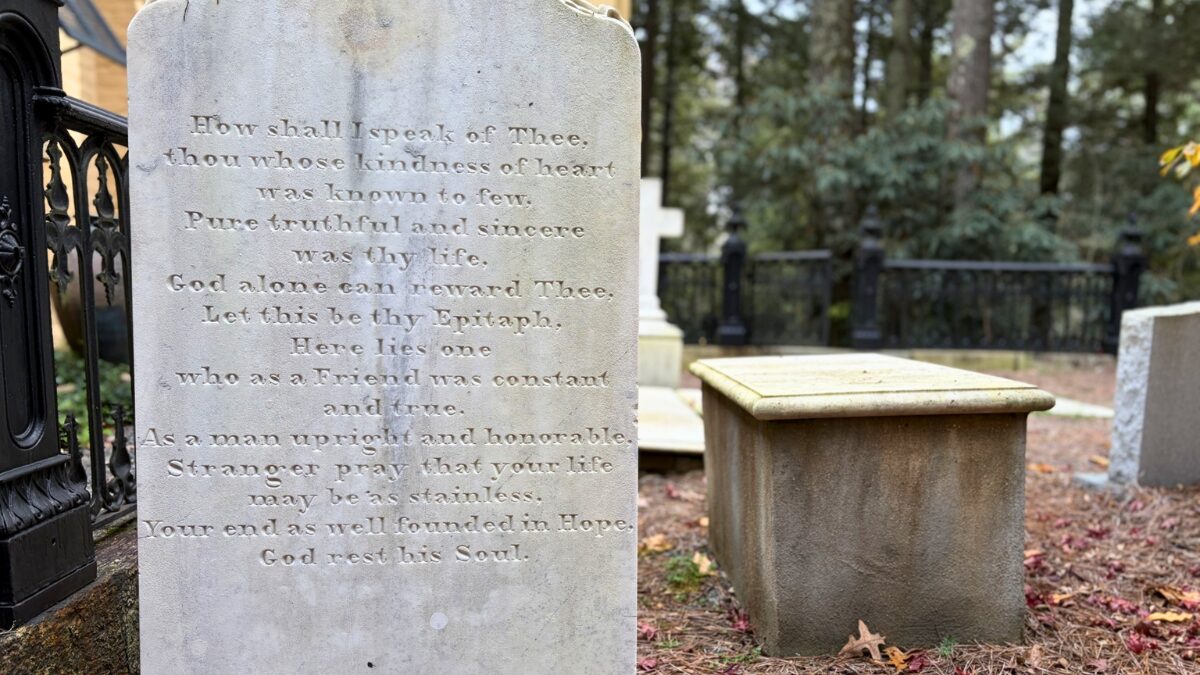
Tombstone Tales: Flat Rock grave links to Declaration of Independence signer
As America marks its 250th anniversary, a grave at St. John in the Wilderness Cemetery connects Flat Rock to one of the signers of the Declaration of Independence and a young man remembered not for his famous name, but for his character.