


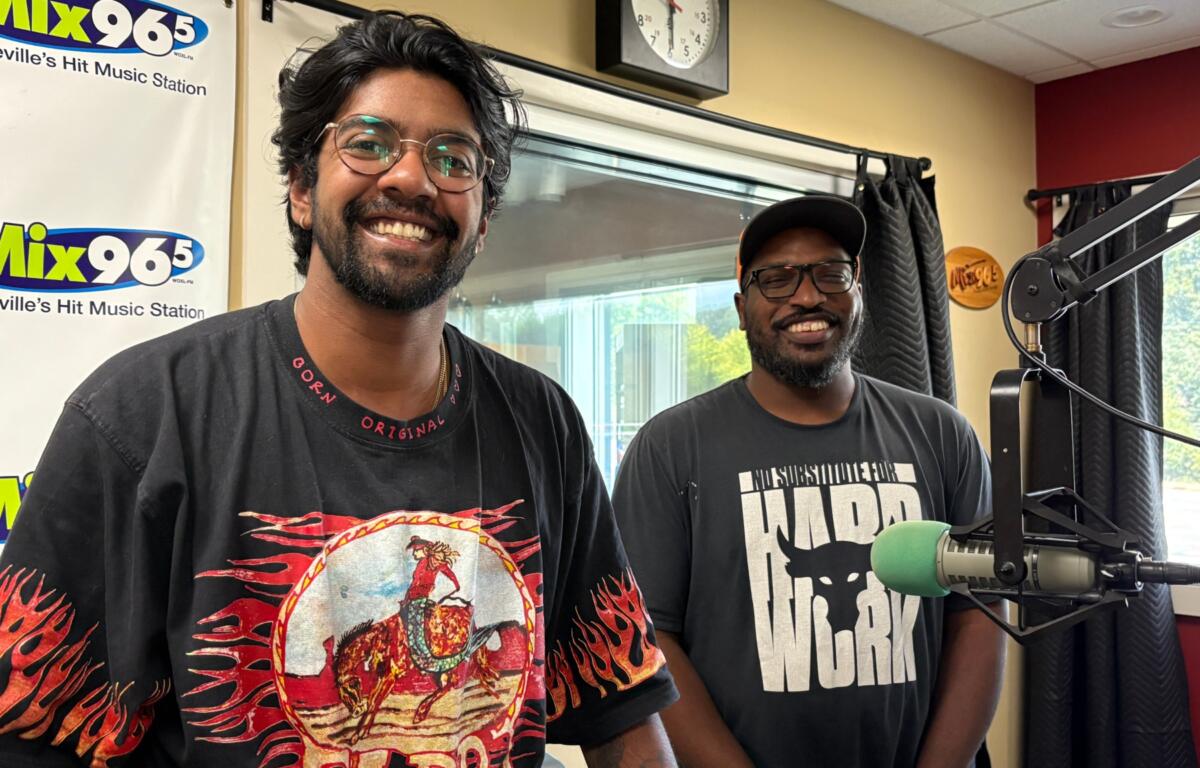

ASHEVILLE, N.C. (828newsNOW) — Every Tuesday afternoon, Safe Shelter staff head out into West Asheville with trash bags and cleaning supplies.
It is a small, practical way for the nonprofit to stay connected to the neighborhood it serves.
Safe Shelter provides shelter and housing services for people experiencing homelessness, with an emphasis on keeping families together. Its work also includes street outreach, help finding housing and a newer effort to create affordable tiny homes.
But for the people running the organization, the work comes down to something that can be harder to measure: building relationships.
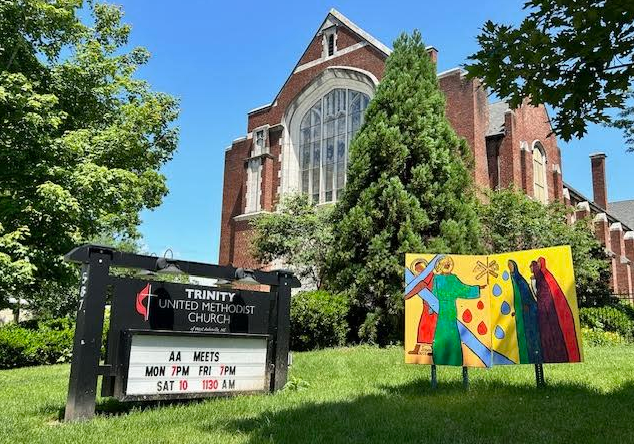
Safe Shelter operates from the West Asheville Community Hub at 27 Balm Grove Ave., a campus it shares with Trinity United Methodist Church and other community organizations.
A growing need
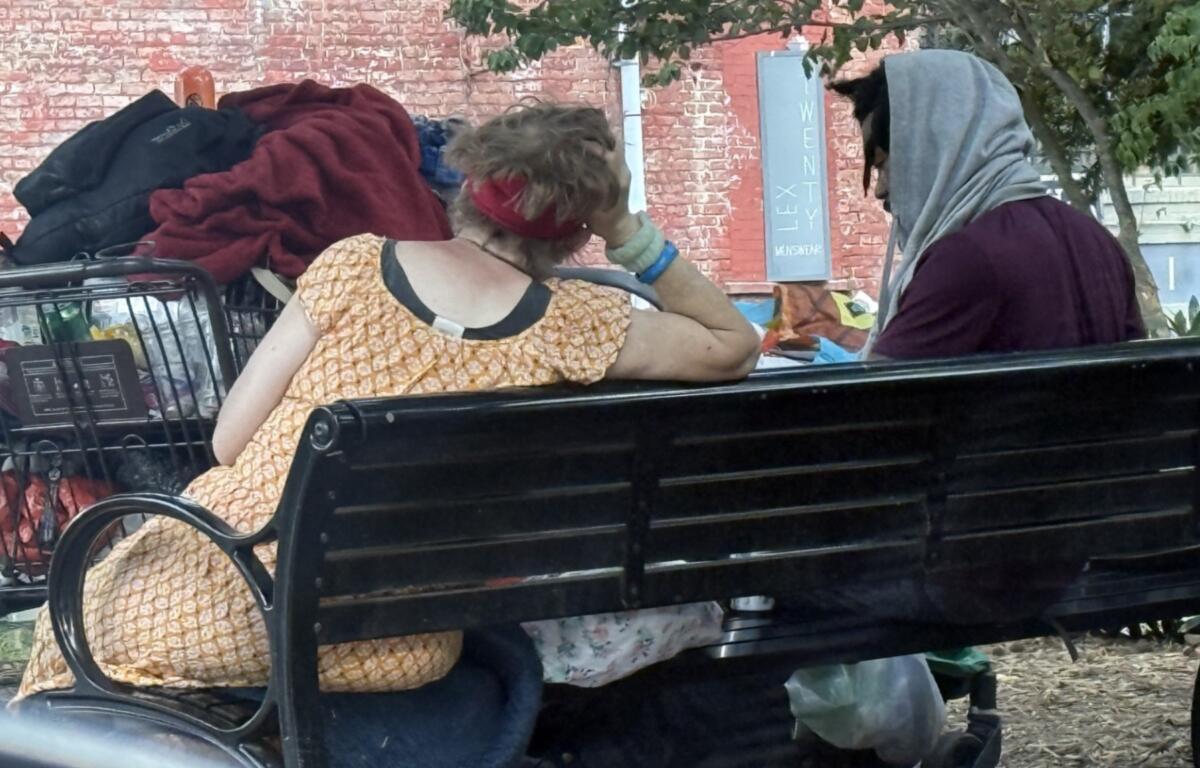
Ezra Parashar, Safe Shelter’s development specialist, said homelessness in West Asheville is closely tied to Asheville’s affordable housing problems.
“There’s a lot of people who are unhoused,” Parashar said.
Christian Chambers, the organization’s executive director, said Safe Shelter has seen more people experiencing homelessness in the area.
Chambers said construction downtown, the clearing of wooded areas along highways and changes to the hours of a downtown day shelter are among the factors he believes have contributed to people moving into East and West Asheville.
“We’re seeing an uptick there,” he said.
Safe Shelter is one of several organizations in the Asheville area working with people experiencing homelessness.
Keeping families together
Safe Shelter operates an overnight shelter and works with people and families to help them move into permanent housing.
That focus on families is important because many traditional shelters separate people by gender, making it difficult for some families to stay together.
According to Parashar, 77 percent of Safe Shelter guests exited into permanent or transitional housing last year.
The organization also operates the West Asheville Street Engagement team, which works with people who are living outside and connects them with shelter, housing, treatment and other services.
Then there is ATHENA — the Affordable Tiny Home Educational Network of Asheville.
The project is designed to create affordable tiny homes while combining education, workforce development and community-based construction.
Who Safe Shelter serves
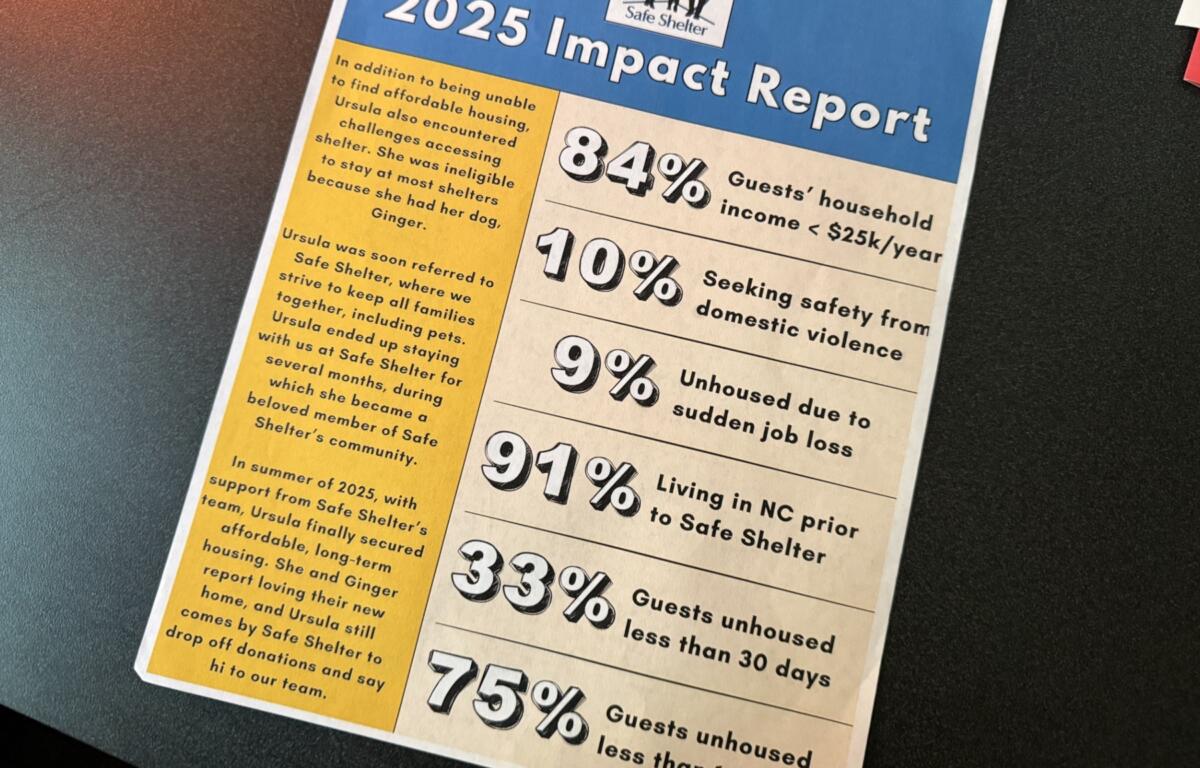
Safe Shelter’s 2025 Impact Report provides a snapshot of the circumstances facing the people who use its services.
Among the findings:
- 84% of guests’ households have an annual income of less than $25,000.
- 10% were seeking safety from domestic violence.
- 9% became unhoused because of a sudden job loss.
- 91% were living in North Carolina before coming to Safe Shelter.
- 33% had been unhoused for less than 30 days.
- 75% had been unhoused for less than one year.
- 125 guests were sheltered in 2025
- 77% of guests exited into housing
- 53% of guests stayed as part of a family group
- 59% of guests identified as BIPOC
- 44% of guests were younger than 18 or older adults
- 89 days was the average Safe Shelter stay
The numbers illustrate one of the points Parashar emphasized during the interview: There is no single path into homelessness.
Some people experiencing homelessness are working. Others may have never struggled with addiction before losing their housing because of medical bills or another crisis.
Others may be fleeing domestic violence.
“There are really just so many unique situations that lead people to not having a roof over their head,” Parashar said.
‘We feel like we’re making a dent’
Homelessness can be difficult to measure in terms of individual success.
Chambers said Safe Shelter’s staff have spent years working in the field and have seen what happens when people move into housing only to become homeless again.
He believes the organization is seeing a different outcome.
“We feel like we’re making headway because people aren’t just getting into housing and then returning to homelessness,” Chambers said.
Some people are finding housing and staying housed. Others are entering treatment and staying clean, he said.
Just as important, Chambers said, is what happens after someone gets into housing.
“It’s not one person gets into housing, they’re on their own, and then they have to fend for themselves,” he said.
Instead, he said, people who have been through Safe Shelter often continue to support one another.
That sense of community also extends to neighbors who have homes, he said.
People who might otherwise never meet are getting to know each other, Chambers said, and some of the assumptions people have about homelessness can change as a result.
Parashar said there is a larger question, though, about what it means to make progress.
If the goal is “net zero homelessness” — where the number of people exiting homelessness keeps pace with the number of people becoming homeless — nonprofits alone cannot get there, Parashar said.
“That can’t fall on just organizations,” Parashar said. “That has to be on the government level.”
People can become homeless for many reasons, including medical debt, a lost job, domestic violence or damage to their home, Parashar said.
The goal at Safe Shelter, Parashar said, is to give people a safe and stable place to stay while they work toward housing again.
Help from the city and county
Safe Shelter receives funding from the city and Buncombe County.
Parashar said that support is important, but the organization could use more reliable and consistent funding.
The concern, he said, isn’t necessarily that Safe Shelter is being singled out. Rather, there is less funding available across the system than there once was.
Chambers said the city’s relationship with Safe Shelter has generally been positive.
He said city staff have given the organization flexibility and have been accessible when questions or problems arise.
“The city has been quite good to us,” Chambers said.
He said the county also is trying to help, but working with a larger government organization can involve more layers and barriers.
“There are things they can do more,” Chambers said. “And we could all do more.”
More than housing
For Parashar, one of the biggest challenges isn’t simply a lack of money.
It’s a lack of compassion.
Parashar said he sees judgmental and sometimes hateful comments about people experiencing homelessness, particularly online.
People without homes often don’t have the privacy that comes with having a place of their own, he said.
“They’re able to be publicly scrutinized 24/7 because they don’t have the privacy of a home,” Parashar said.
Sometimes what people need most in an interaction is simple, he said: being treated like a person.
A smile. A question about how their day is going. A little kindness.
What Helene showed them
Chambers said Safe Shelter saw the power of community after Tropical Storm Helene.
For a while, he said, the disaster brought people together in a way that was difficult to miss.
Neighbors checked on one another. People helped where they could. The usual divisions seemed less important.
Then life started getting back to normal.
“You get your Wi-Fi back, you get your power back and stop checking in on people as much,” Parashar said.
Safe Shelter’s leaders said they want to hold onto some of that sense of connection.
The organization grew out of people willing to take a chance on an idea even when they didn’t have much money to start with.
Chambers said the same approach has carried into the ATHENA project.
When the organization runs into the costs and requirements involved in building tiny homes, the response is to keep looking for a way forward, he said.
“It’s just like, come hell or high water, we’re going to cultivate community because we’ve seen it work,” Chambers said.
Safe Shelter’s work means more than providing a bed for the night.
It means helping people find housing, staying connected after they leave and trying to build a community where people who have homes and people who don’t can see each other a little differently.
“We’re proud of what we’ve accomplished so far,” Chambers said.