


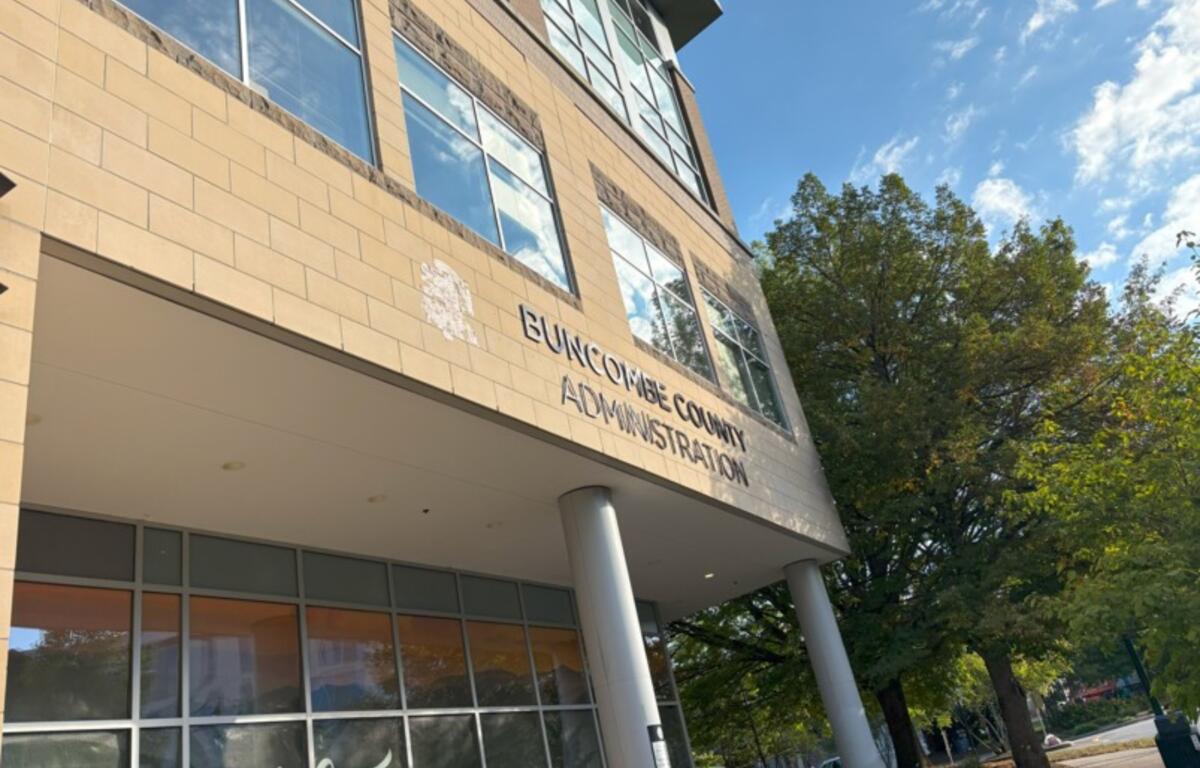

ASHEVILLE, N.C. (828newsNOW) — Buncombe County commissioners put several pieces of the county’s long-term Helene recovery work in motion Tuesday, including applications for $24.2 million to rebuild parks and improve infrastructure for a planned 645-unit housing development.
The board also approved funding tied to another round of voluntary property buyouts, moved ahead with the WNC Futures Factory workforce center and made changes to the county’s employee health insurance plan.
But some of the night’s most pointed concerns came from residents and advocates during public comment, including complaints about Mountain Mobility’s driver shortage and drainage problems in Swannanoa.
$24.2 million sought for parks and housing
The county plans to ask the state for $24.2 million through its Community Development Block Grant-Disaster Recovery program for two projects.
The larger request, $13 million, would pay for about 0.65 miles of access road and other infrastructure along Ferry Road for an affordable housing development with 645 planned housing units.
Parts of the property also would be preserved as public green space.
County staff said the project is intended to help address the region’s housing needs following Helene. About 6,500 rental housing units were damaged by the storm, staff told commissioners.
Another $11.2 million request would go toward rebuilding parks damaged by Helene.
The work would include replacing damaged infrastructure and recreational facilities, along with flood mitigation, ecological restoration and accessibility improvements.
152 properties in next buyout round
Another $4.12 million in funding is headed toward the county’s work on the third round of the state’s Hazard Mitigation Grant Program.
The money covers the county’s administrative costs for the program, which is focused primarily on property acquisitions.
The latest round includes 152 properties — 142 approved in the first batch and 10 more added recently.
The buyouts are voluntary. Homeowners whose properties were affected by flooding or landslides applied for the program, while the state determines whether properties are eligible.
The county acts as a local point of contact and helps manage the process. The federal government covers 75 percent of the program and the state covers 25 percent, with the county seeking reimbursement for its administrative expenses.
The board also heard about a separate elevation program. Applications for 53 properties have been submitted to FEMA and are under federal review.
Those properties have not been approved, and county officials said they don’t have a reliable estimate for how long the review will take because this is the first round of elevation projects to go through the process.
Futures Factory moves forward
The county also is moving ahead with the proposed WNC Futures Factory after commissioners authorized the county manager to accept a roughly $30 million federal Economic Development Administration grant.
The 70,000-square-foot workforce training and innovation center is planned at Biltmore West near Pratt & Whitney.
Asheville-Buncombe Technical Community College is the lead applicant and would operate the center. Buncombe County is a co-applicant, while Land of Sky would handle grant management.
Biltmore Farms also plans to donate about 13.1 acres to A-B Tech for the project.
There’s still a step to clear before the federal money can be spent. The county and A-B Tech must complete the land transfer during a 60-day special conditions period.
The project is expected to take about 52 months to complete and close out, including roughly two years of design and two years of construction.
Commissioners had plenty of questions about what the county will be responsible for, including construction oversight, future maintenance and how those duties will be divided among the project’s partners.
Chair Amanda Edwards recused herself from the discussion and vote because of potential employment or fiduciary interests connected to the project.
Health insurance changes coming for county employees
County employees will see changes to their health insurance plan in 2027, including a new program for GLP-1 medications used for weight loss.
Under the RxSaveCard program, the employee copay for weight-loss GLP-1 medications will drop from $200 to $100 beginning Jan. 1. The change does not apply to employees using GLP-1 medications to treat diabetes.
The county estimates the program will save about $556,000 a year.
Employees who use the program will need a personal credit card and an active email address. Those with an eligible health savings or flexible spending account can seek reimbursement.
The county is also changing pharmacy benefits providers, moving to Employers Health/CVS after Blue Cross Blue Shield of North Carolina’s partnership with Prime Therapeutics ends.
Employee premiums are expected to increase by about 7 percent to 20 percent next year, depending on the level of coverage.
The county’s health insurance plan costs about $40 million a year. County officials said rising health care costs are part of a nationwide trend and that the county is continuing to look for ways to control expenses.
Mountain Mobility shortage comes up during public comment
Gino Perez of Better Together Transportation used his time before commissioners to talk about a problem he said is affecting Mountain Mobility riders: a shortage of drivers.
Perez said his organization has heard from riders whose trips were canceled because there weren’t enough drivers.
He described one couple who missed a support meeting after their trip was canceled and another woman who waited nearly three hours after a medical appointment.
Perez said Mountain Mobility reported 12 driver vacancies in March.
He also said the system had aimed to provide more than 36,000 medical trips by June 15 but had completed fewer than 23,000, or about 63 percent of its target.
Perez said the numbers point to a staffing problem rather than a lack of demand. He urged commissioners to consider putting a quarter-cent transit referendum before voters to help pay for more drivers.
Mountain Mobility did not make a presentation Tuesday, so the figures and individual accounts raised during public comment were not independently verified during the meeting.
Swannanoa resident asks county for help with flooding
Jeff Fager, a Swannanoa resident from the Beacon Village area, brought another Helene-related problem to the board: drainage.
Fager said residential culverts near North Avenue were damaged or improperly installed during rebuilding work after the storm.
He pointed specifically to a culvert near 210 and 211 North Avenue, saying it was installed incorrectly and that a drainage ditch was later filled in, contributing to flooding.
Fager said he has talked with NCDOT and state representatives, who agreed to work with residents and the county.
He also said the county department that issues residential driveway culvert permits told him it does not handle code enforcement or inspections of clogged culverts.
He asked commissioners to identify which county department can address the problem.
$552,611 carried into new fiscal year
The board also approved $552,611 in budget carry-forwards from fiscal 2026 into fiscal 2027.
The money covers purchases or services that weren’t completed by June 30 because of shipping or vendor delays or other unfinished work.
Mountain Mobility accounts for $392,147 of the total. The general fund accounts for $126,981, including $58,335 for ambulances that had not yet been delivered.
Another $33,483 was carried forward in the county’s insurance internal service fund.