



ASHEVILLE, N.C. (828newsNOW) — A storm doesn’t have to be another Helene to cause problems. Heavy rain can wash out roads, falling trees can knock out power, and snow or ice can leave mountain communities cut off from basic services.
Having food, water, medications and a way to get information when the power goes out can make those disruptions easier to manage.
Federal emergency preparedness guidelines recommend keeping at least three days’ worth of food, water and other essentials on hand. In Western North Carolina, where flooding and landslides can leave communities isolated, preparing for a longer disruption may be wise.
You don’t have to buy everything at once. Start with the basics, add supplies over time and check what you already have at home.
Here’s what to have on hand and what to do before, during and after a storm.
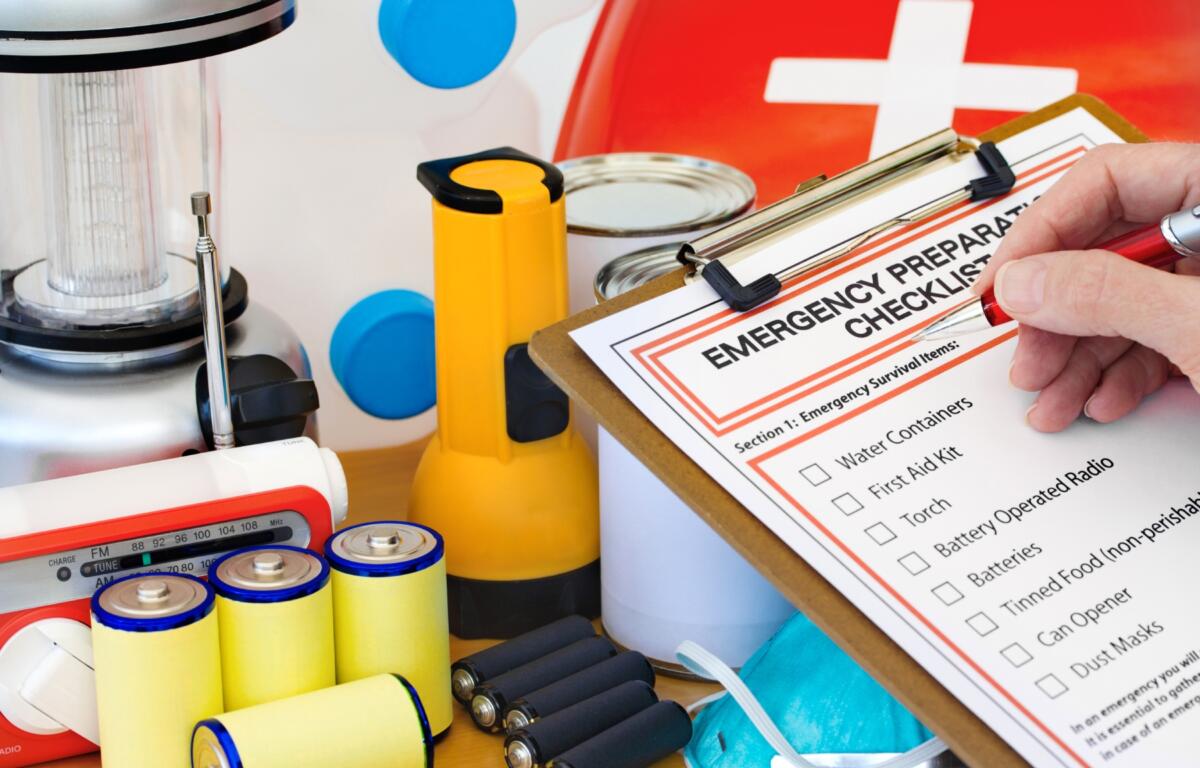
Build an emergency supply kit
Keep supplies in a waterproof container or somewhere you can reach them quickly. Consider putting together a smaller kit for your vehicle.
Food and water
- Water: At least 1 gallon per person per day for a minimum of three days for drinking and sanitation. Store more if possible, especially for hot weather or additional medical needs.
- Nonperishable food: Canned goods, peanut butter, crackers, granola bars, dried fruit and other foods that don’t require cooking.
- Manual can opener: Electric models won’t help during a power outage.
- Baby supplies: Formula, diapers, wipes and other necessities.
- Pet supplies: Food and extra water for animals.
Lighting and communication
- Flashlights or battery-powered lanterns.
- Extra batteries.
- Battery-powered or hand-crank NOAA Weather Radio with tone alert.
- Fully charged portable phone chargers or power banks.
- Rechargeable emergency lights.
- Paper list of emergency contacts.
Health and personal care
- First-aid kit with bandages, antiseptic and basic medications.
- Prescription medications, ideally a seven-day supply if available.
- Extra eyeglasses, contact lens supplies and essential medical equipment.
- Toilet paper, wet wipes and hand sanitizer.
- Trash bags and plastic ties for sanitation.
- Personal hygiene products.
- N95 masks to help protect against airborne dust and debris. These do not protect against toxic gases.
Clothing and shelter
- Warm clothing, including hats, gloves and extra socks.
- Rain jackets or ponchos.
- Blankets or sleeping bags.
- Sturdy, waterproof footwear.
- Emergency blankets.
Tools and important documents
- Whistle to signal for help.
- Multi-tool or basic toolkit.
- Duct tape and plastic sheeting for temporary repairs or sheltering when appropriate.
- Paper maps of the area.
- Copies of identification, insurance policies and medical information in a waterproof container.
- Cash in small bills in case ATMs and card readers aren’t working.
Get your home ready
A few simple steps before a storm can help prevent damage and make extended outages easier to manage.
- Charge phones, laptops, power banks and rechargeable lights.
- Secure outdoor furniture, trash cans and other objects that could blow away.
- Clear leaves and debris from gutters and drainage areas if it is safe to do so.
- Check flashlights and replace dead batteries.
- Test smoke and carbon monoxide detectors.
- Know how to shut off water, electricity and gas in an emergency, following utility instructions. Never attempt to shut off electricity while standing in water.
- Protect exposed pipes from freezing during cold weather.
- Move important documents, valuables and electronics to higher ground if flooding is possible.
- Fill clean containers with water if you’re concerned about losing water service.
- Check on older neighbors and people who may need help preparing.
If you live near a creek, river, steep slope or flood-prone road, pay particular attention to forecasts and evacuation warnings.
Prepare for power outages
High winds, falling trees, ice and flooding can leave homes without electricity for hours or days.
If the power goes out:
- Use flashlights or battery-powered lanterns instead of candles.
- Keep refrigerator and freezer doors closed.
- Unplug sensitive electronics to protect against possible power surges.
- Turn off appliances that could create hazards when electricity returns.
- Have a backup plan for refrigerated medications and electrically powered medical equipment.
- Know where you can go if your home becomes too cold, too hot or otherwise unsafe.
How long will food stay safe?
According to the U.S. Department of Agriculture:
- Refrigerator: Food generally stays safe for about four hours without power if the door remains closed.
- Full freezer: Food can remain at a safe temperature for about 48 hours if the door stays closed.
- Half-full freezer: Food can remain safe for about 24 hours with the door closed.
Keep appliance thermometers in the refrigerator and freezer to help determine whether food has remained at safe temperatures. Refrigerated perishable food should be discarded if it has been above 40 degrees for more than two hours.
When in doubt, throw it out. Never taste food to determine whether it’s safe.
Generator safety
Portable generators can be lifesavers during extended outages, but improper use can be deadly.
- Never operate a generator inside a house, garage, basement or enclosed porch.
- Keep generators outdoors, at least 20 feet from doors, windows and vents, with exhaust directed away from the building.
- Never use charcoal grills, camp stoves or gas-powered equipment indoors for heat or cooking.
- Make sure your home has working carbon monoxide detectors with battery backup.
- Never plug a generator directly into a household outlet. Use properly rated equipment or a professionally installed transfer switch.
Carbon monoxide is odorless and can cause serious illness or death. If a carbon monoxide alarm sounds, get everyone outside to fresh air and call 911.
Prepare your vehicle
Road closures, fallen trees, flooding and icy conditions can make travel dangerous or impossible.
Before severe weather arrives:
- Fill your gas tank or charge your electric vehicle.
- Check tires, windshield wipers and fluid levels.
- Keep a flashlight, blanket, first-aid kit and phone charger in the vehicle.
- Carry bottled water and nonperishable snacks.
- Include an ice scraper and small shovel during winter.
- Keep a paper map in case navigation services are unavailable.
- Tell someone where you’re going and when you expect to arrive.
Avoid unnecessary travel during severe weather.
Never drive through floodwater.
According to the National Weather Service, 12 inches of rushing water can carry away most cars, while 2 feet can carry away SUVs and trucks.
Floodwater can also hide washed-out pavement, debris and other hazards.
If you encounter a flooded road, turn around and find another route. Never drive around barricades.
Don’t walk through moving floodwater, either. Just 6 inches of fast-moving water can knock an adult off their feet.
Have an evacuation plan
Not every storm requires evacuation, but it’s important to know what you’ll do if authorities tell you to leave.
- Identify more than one route out of your neighborhood.
- Decide where you could stay with family, friends or at an emergency shelter.
- Keep essential medications, documents, clothing and supplies in a bag that’s easy to grab.
- Make a plan for pets. Not every shelter can accommodate animals.
- Establish a meeting place and an out-of-area contact for family members.
- Sign up for local emergency alerts.
- Leave promptly if officials issue evacuation instructions.
Mountain roads can become impassable quickly because of flooding, landslides or fallen trees.
Don’t wait until your only route out is blocked.
Don’t forget pets and livestock
Animals need emergency plans, too.
- Keep extra pet food, water and medications on hand.
- Have leashes, carriers and identification ready.
- Make sure pets are microchipped and contact information is current.
- Bring pets indoors ahead of dangerous weather.
- Make arrangements for livestock to have shelter, food and access to clean water.
- Identify a safe location for animals if evacuation becomes necessary.
Stay informed
Conditions can change quickly in the mountains, where rainfall and temperatures can vary significantly over short distances.
Keep an eye on:
- National Weather Service forecasts, watches and warnings.
- Local emergency management announcements.
- County and municipal emergency alerts.
- N.C. Department of Transportation road closure information.
- Local news and radio broadcasts.
Know the difference between a watch and a warning:
- Watch: Conditions are favorable for dangerous weather. Be prepared to act.
- Warning: Dangerous weather is occurring, imminent or has been detected. Take appropriate protective action immediately.
If a flash flood warning is issued for your area, move to higher ground if you’re at risk. Don’t wait until you see rising water.
Know what to do after the storm
The danger doesn’t necessarily end when the rain or snow stops.
- Stay away from downed power lines and report them to your utility.
- Avoid floodwater, which may contain sewage, chemicals or hidden debris.
- Don’t enter damaged buildings until they’re considered safe.
- Watch for unstable trees, washed-out roads and landslide hazards.
- Photograph property damage before beginning cleanup, if safe.
- Follow local guidance about drinking water safety, including boil-water advisories.
- Check on neighbors when conditions allow.
Be especially careful around damaged roads and bridges. Even if a road looks passable, floodwater may have weakened or washed away the ground underneath.
Where to get emergency information
Keep these resources handy before severe weather arrives:
- Ready.gov: Emergency supply kits, family communication plans and preparedness information.
- ReadyNC: North Carolina emergency preparedness and disaster information.
- National Weather Service: Weather forecasts, watches and warnings.
- DriveNC.gov: Road closures and travel conditions across North Carolina.
- FoodSafety.gov: Food safety information during power outages.
Residents should also sign up for emergency notifications through their county or municipality and keep a battery-powered radio available in case cellphone and internet service are disrupted.
Start with what you can
You don’t need an expensive emergency kit or a closet full of supplies to get started.
Begin with enough water, food, medications, lighting and communication equipment for three days. Then work toward a week’s worth of supplies, especially if you live in an area that could be isolated by flooding, landslides or prolonged power outages.
Check your supplies periodically, replace expired items and make sure everyone in your household knows where the emergency kit is stored.
The next storm may bring little more than an inconvenience. But having a plan — and the supplies to go with it — can make a difference if conditions take a turn for the worse.