Editor’s Note: Western North Carolina is rich with untold stories—many resting quietly in local cemeteries. In this Tombstone Tales series, we explore the lives of people from our region’s past whose legacies, whether widely known or nearly forgotten, helped shape the place we call home.
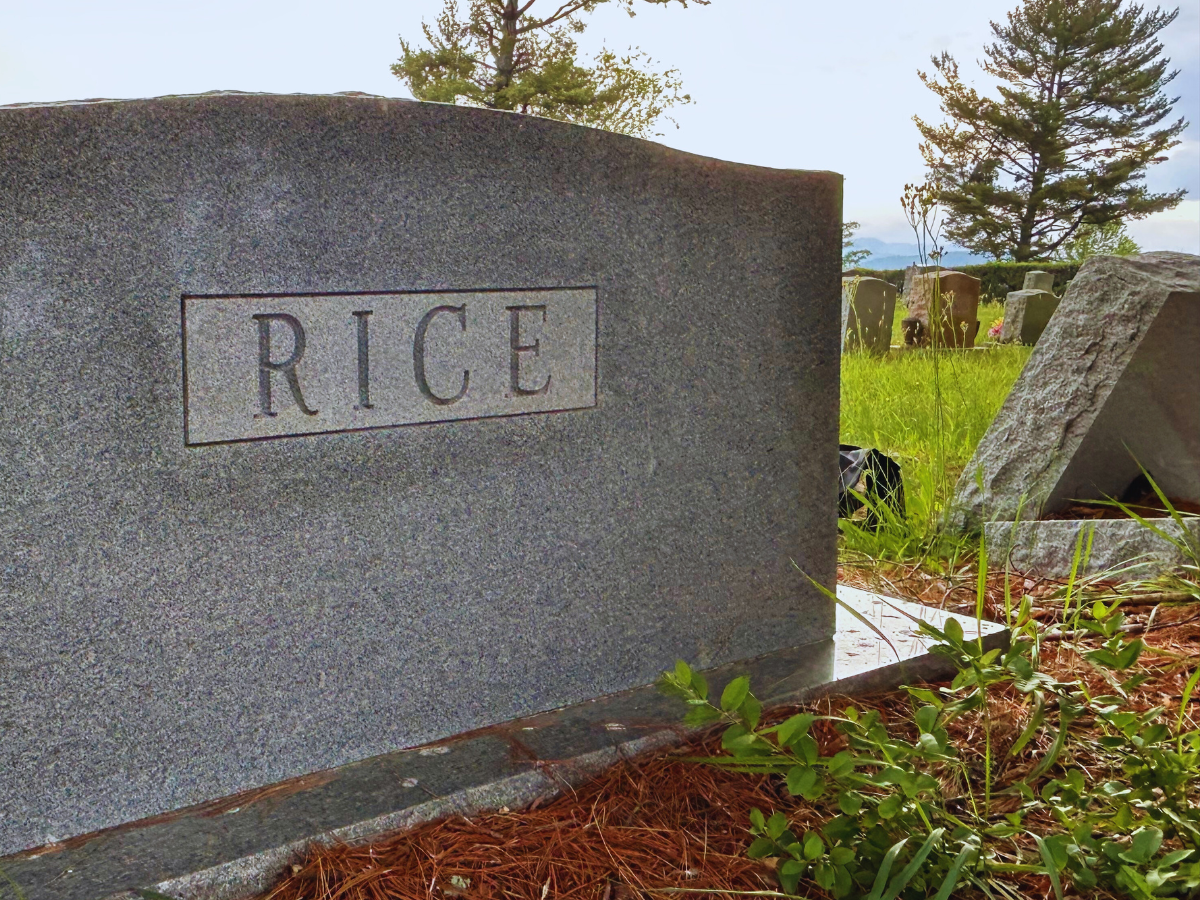
ASHEVILLE, N.C. — Buried at Violet Hill Cemetery in Asheville, Isaiah Rice may rest quietly today, but his legacy still speaks through his images. His photographs offer a rare glimpse into the everyday lives of Black families and neighborhoods in mid-20th-century Asheville.
Born in 1917, Rice was a graduate of Stephens-Lee High School and a man who lived through some of the most defining eras of American history. He worked for the Works Progress Administration during the Great Depression and served in the U.S. Army during World War II before returning home to deliver beverages across the city. He was a longtime member of St. Paul’s Missionary Baptist Church in West Asheville and a dedicated family man.
In his spare time, he became an unlikely archivist of Southern life.
Between the 1950s and 1970s, Rice captured over 1,000 photographs with cameras he often carried discreetly, including a Minox “spy camera.” Whether documenting street scenes on Southside Avenue, church events, neighborhood gatherings, or quiet moments outside Burton Street homes, Rice focused on real life, joy, and community.
His images, developed at home and kept in boxes by his wife Jeroline until her passing in 2003, might have stayed in the family had it not been for the efforts of Rice’s daughter Marian Waters and grandson, historian Dr. Darin Waters. They realized the historic value of what they had – an unseen, visual record of Black Asheville during segregation, urban renewal, and social transformation.
In 2015, the family donated Rice’s photos to UNC Asheville’s D.H. Ramsey Library. The archive has since been digitized and exhibited. Rice’s work has been praised as “urban folk photography” and featured in publications like Southern Cultures, where scholars described Rice’s lens as one that crossed color lines in a city divided by race.
Through his quiet, steady observation, Rice preserved a version of Asheville that might have been forgotten or never seen at all.
His grave at Violet Hill may be modest, but his contribution to Asheville’s cultural memory is profound.
You can explore the Isaiah Rice Photograph Collection online at UNC Asheville’s Southern Appalachian Digital Collections here.
Visit Violet Hill Cemetery in Asheville, North Carolina
-
Haunted Asheville and WNC: Ghost stories, eerie legends and mysterious places

From Asheville’s historic landmarks to mountain trails, old cemeteries and Appalachian folklore, explore the ghost stories and mysterious places that have become part of Western North Carolina’s history.
-
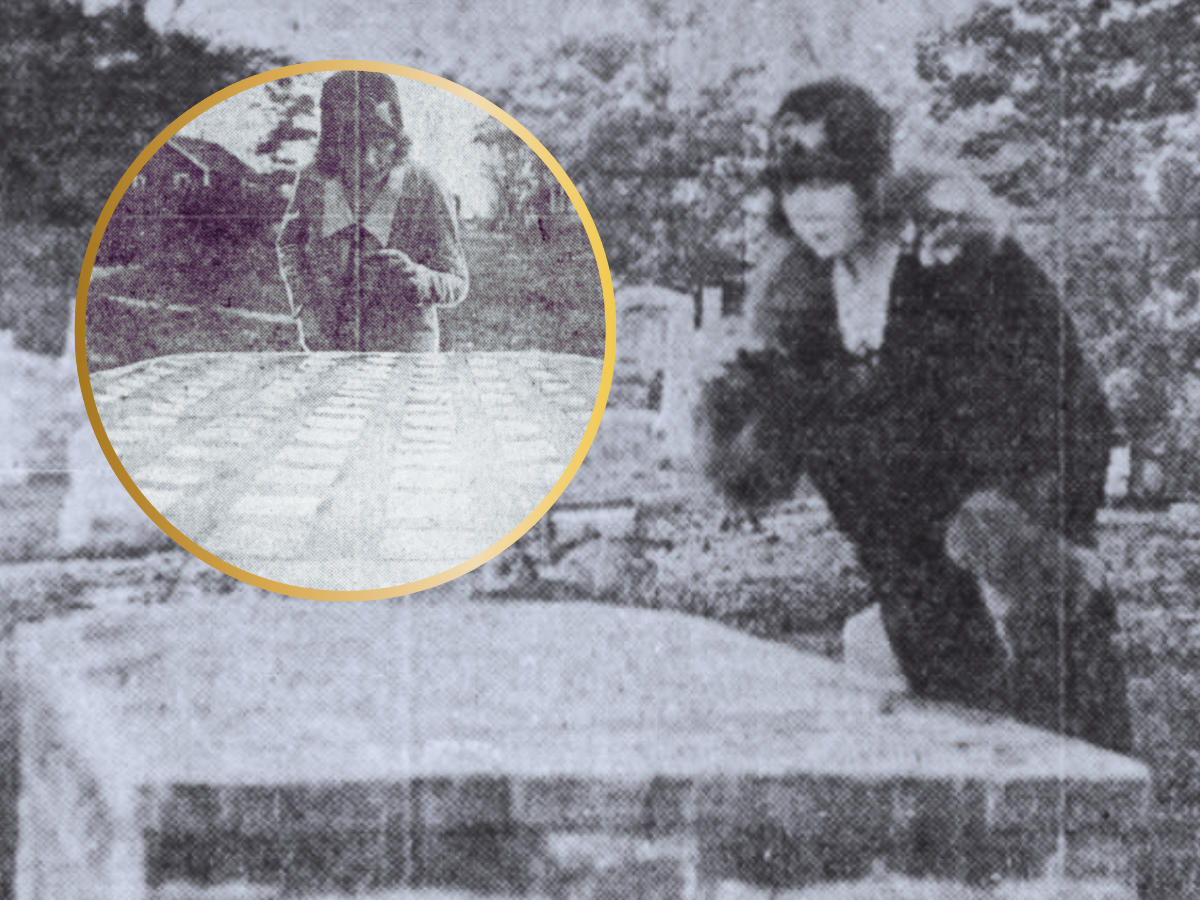
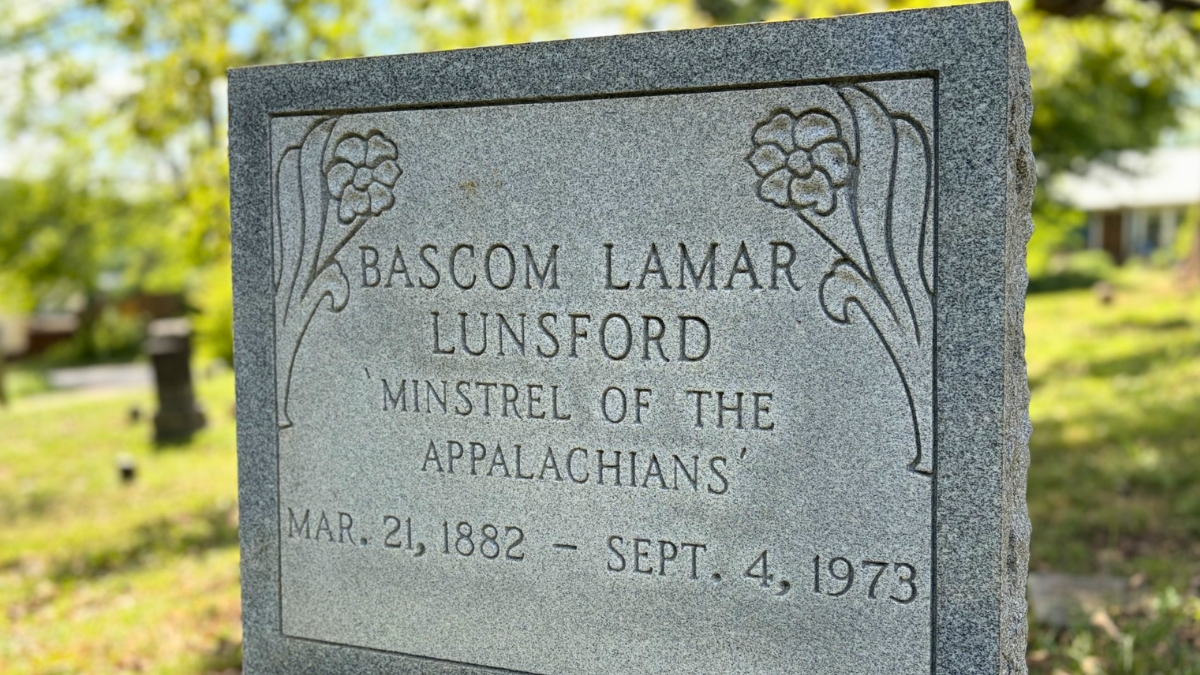
Tombstone Tales: Bascom Lamar Lunsford’s remarkable life

The Asheville lawyer, folklorist and festival organizer spent decades preserving Western North Carolina’s songs, dances and mountain traditions.
-
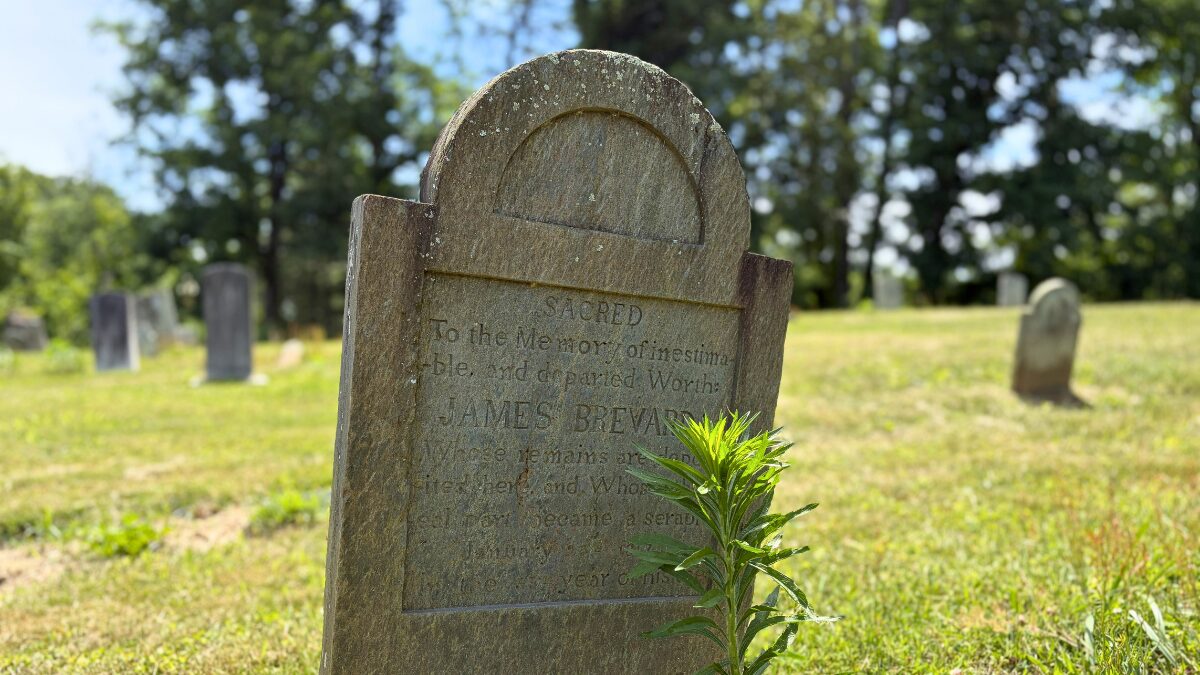
Tombstone Tales: A Fairview grave says James Brevard ‘became a seraph.’ Who was he?
Buried at Cane Creek Cemetery in 1847, the farmer, postmaster and state legislator left a public record that helps explain an extraordinary epitaph.
-
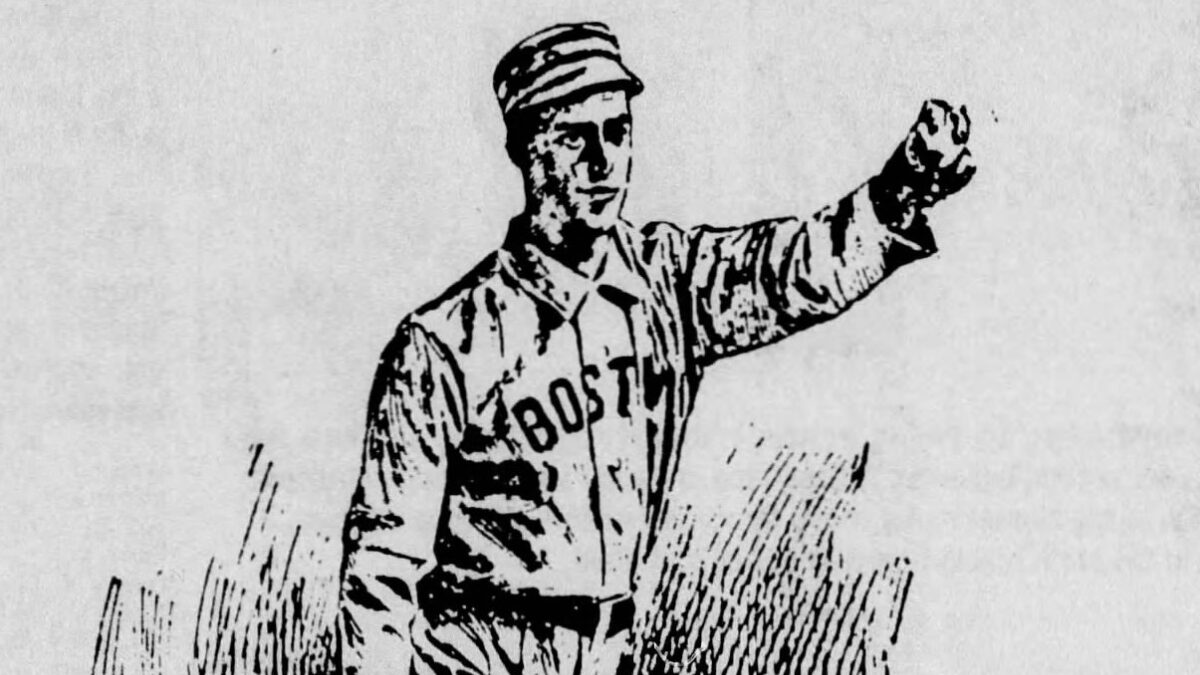
Tombstone Tales: The Reems Creek pitcher who played one game in the Major Leagues
Richard “Rome” Chambers became the first known Western North Carolina native to play Major League Baseball before returning home to Buncombe County, where he died just one day before his 27th birthday.
-
Tombstone Tales: A Revolutionary War veteran’s grave in Mitchell County tells a WNC story for July Fourth
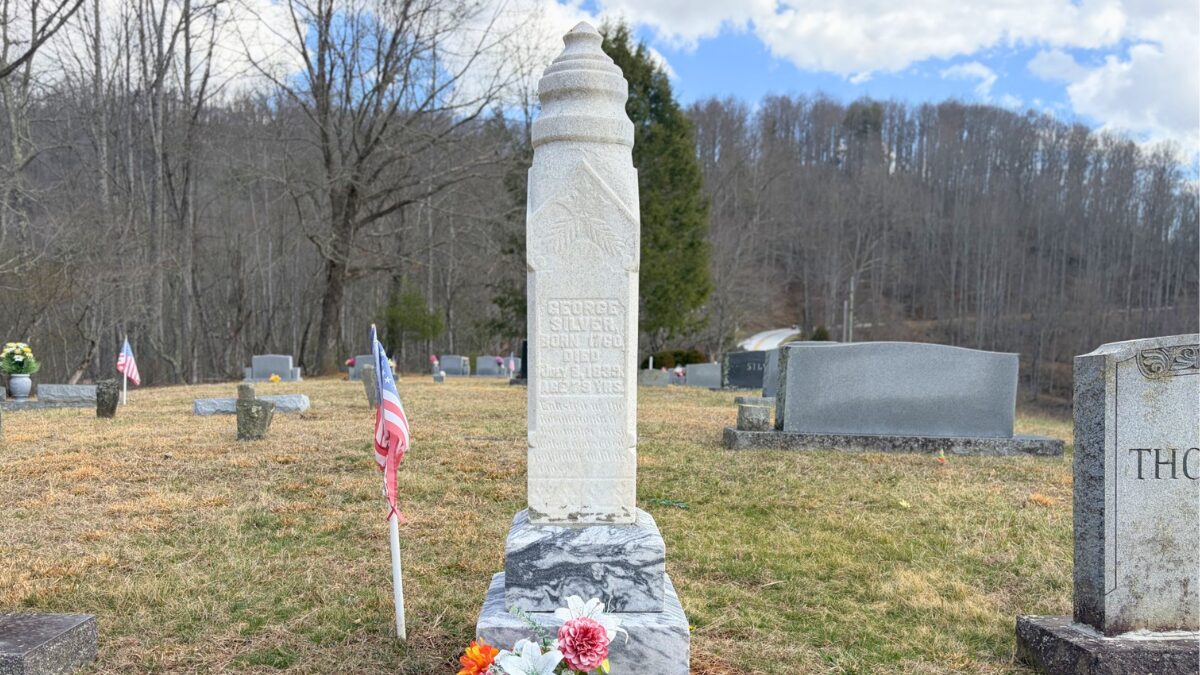
At Kona Baptist Church Cemetery, a memorial to George Silver carries the story of American independence into the Toe River Valley and a family legacy deeply rooted in Western North Carolina.